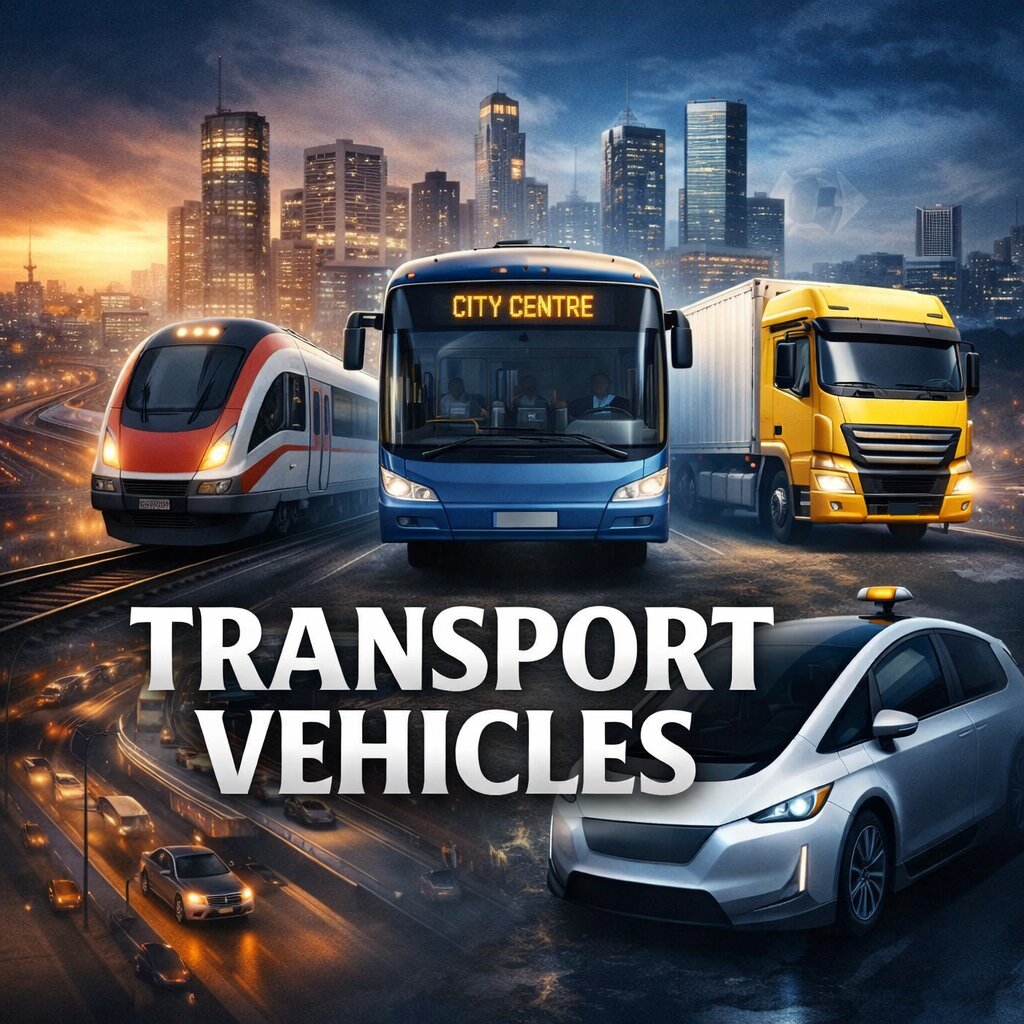
Transport vehicles are essential machines designed to move people, goods, and resources across cities, regions, and countries. From buses and trains to commercial fleets and support units, transport vehicles form the foundation of modern mobility systems.
Built for efficiency, capacity, and reliability, transport vehicles operate across road, rail, and urban networks. In South Africa and around the world, they play a critical role in connecting communities, supporting economies, and enabling everyday movement.
The role of transport vehicles in modern mobility
Transport vehicles support the movement of people and services at every level of society. They enable daily commuting in urban areas, provide long-distance travel between cities, and support essential services such as maintenance, emergency response, and infrastructure operations.
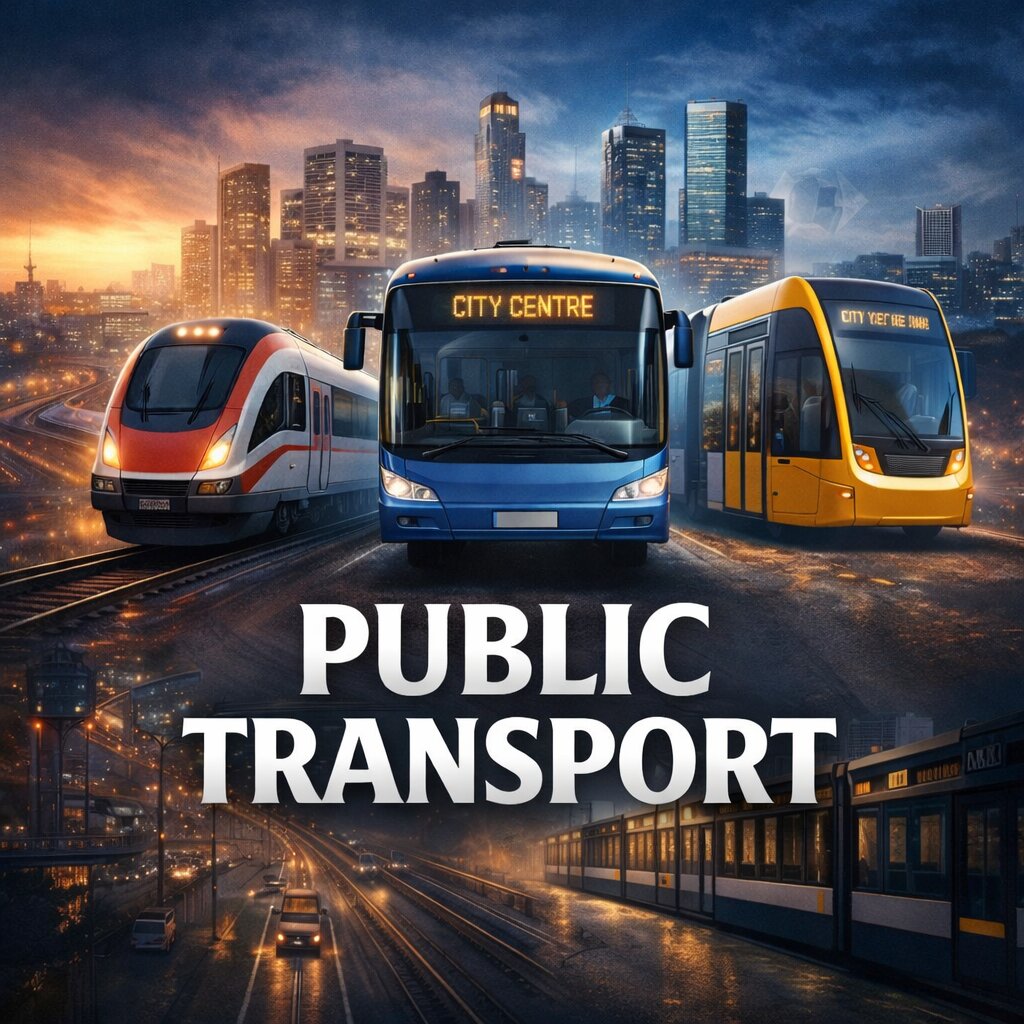
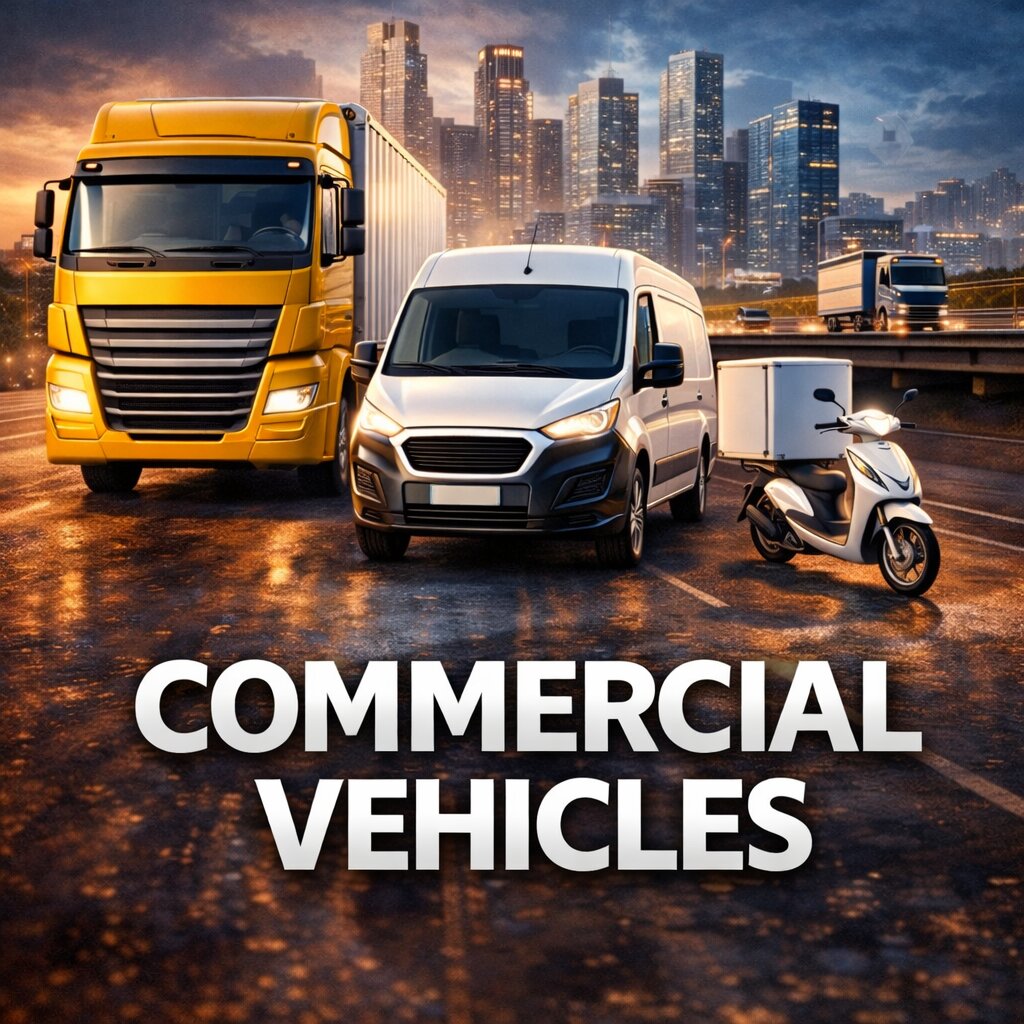
In many regions, access to reliable transport determines economic growth and quality of life. Public transport systems allow people to reach work and education, while commercial transport fleets ensure businesses can operate efficiently.
As populations grow and cities expand, the demand for effective transport solutions continues to increase. This has driven the development of more advanced, scalable, and integrated transport vehicle systems.
How transport vehicles are grouped by function
Transport vehicles are typically classified based on their role within the broader mobility network. Some are designed for public use, moving large numbers of passengers, while others focus on private, commercial, or specialised transport services.
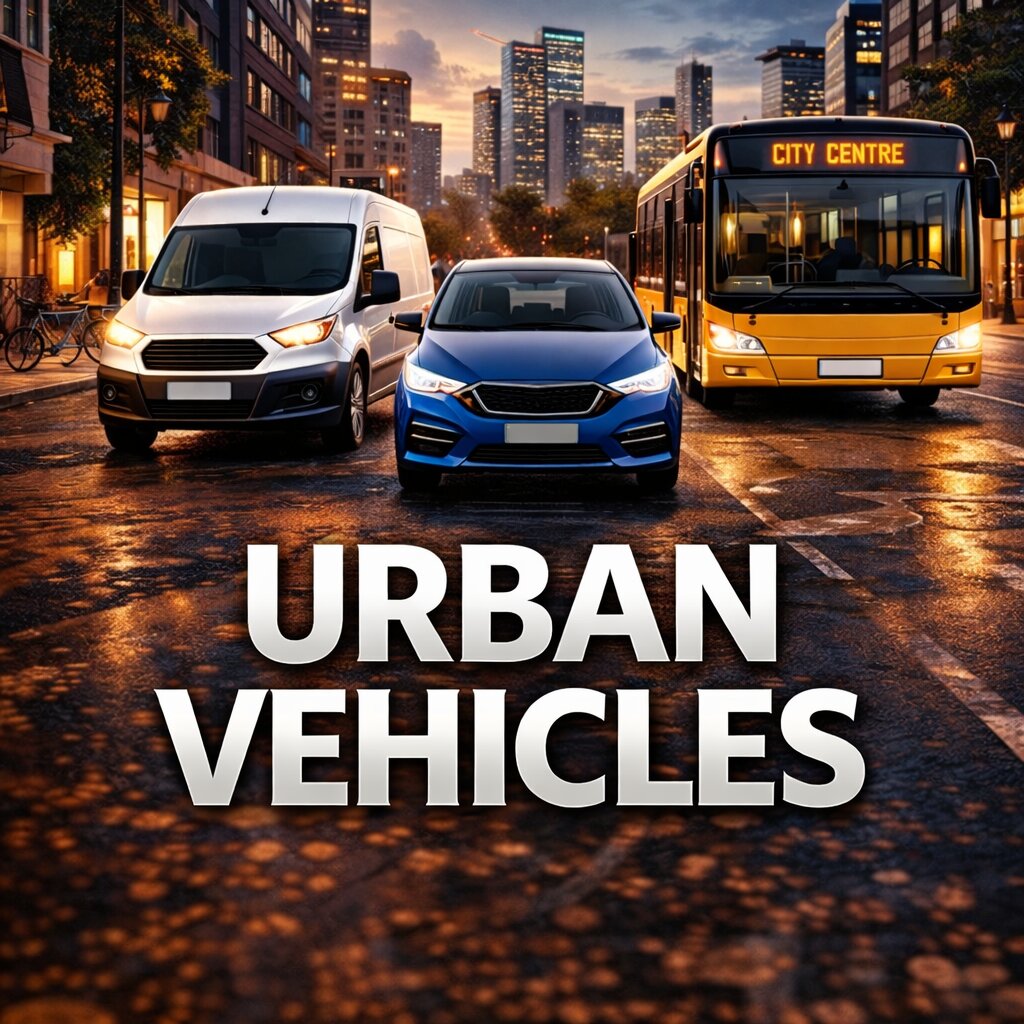
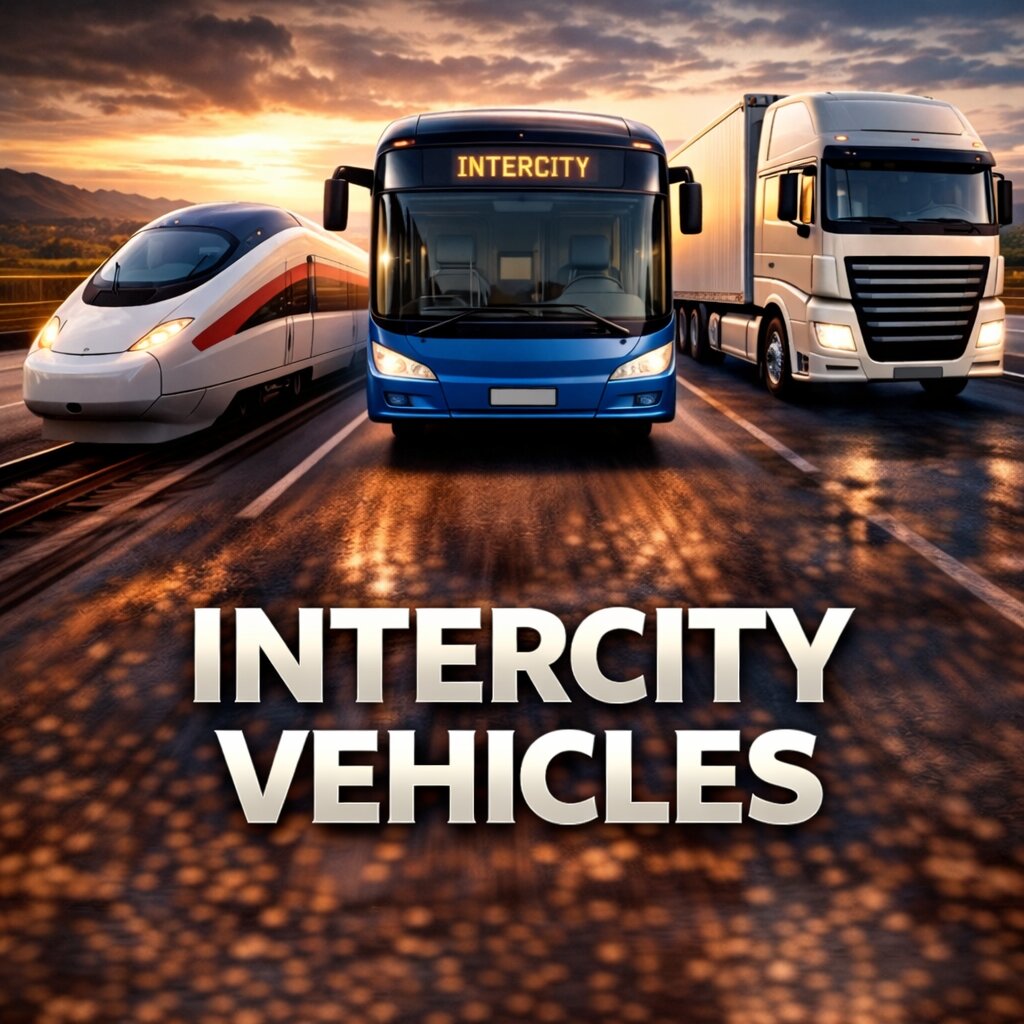
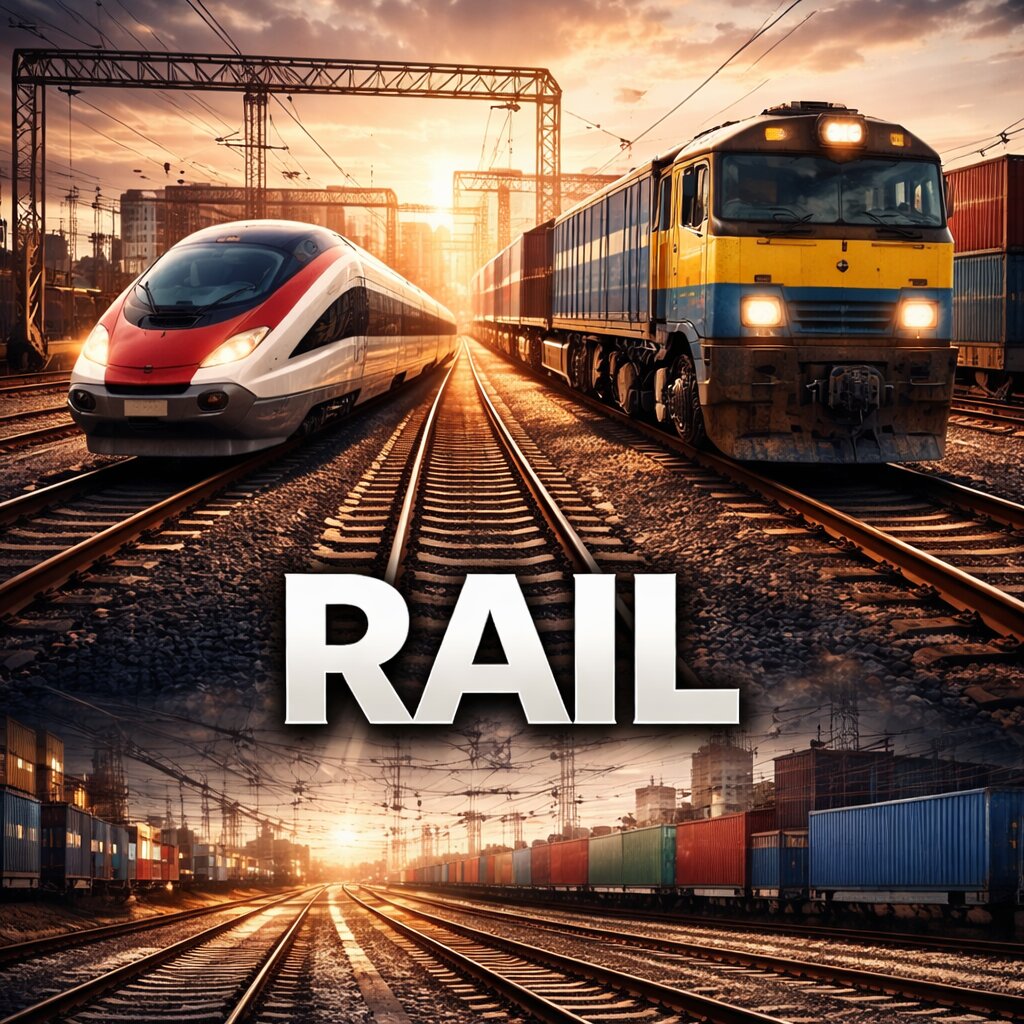
Urban transport vehicles operate within city environments, handling high passenger volumes and short-distance travel. Intercity and rail transport systems focus on longer distances, connecting regions and supporting national mobility.
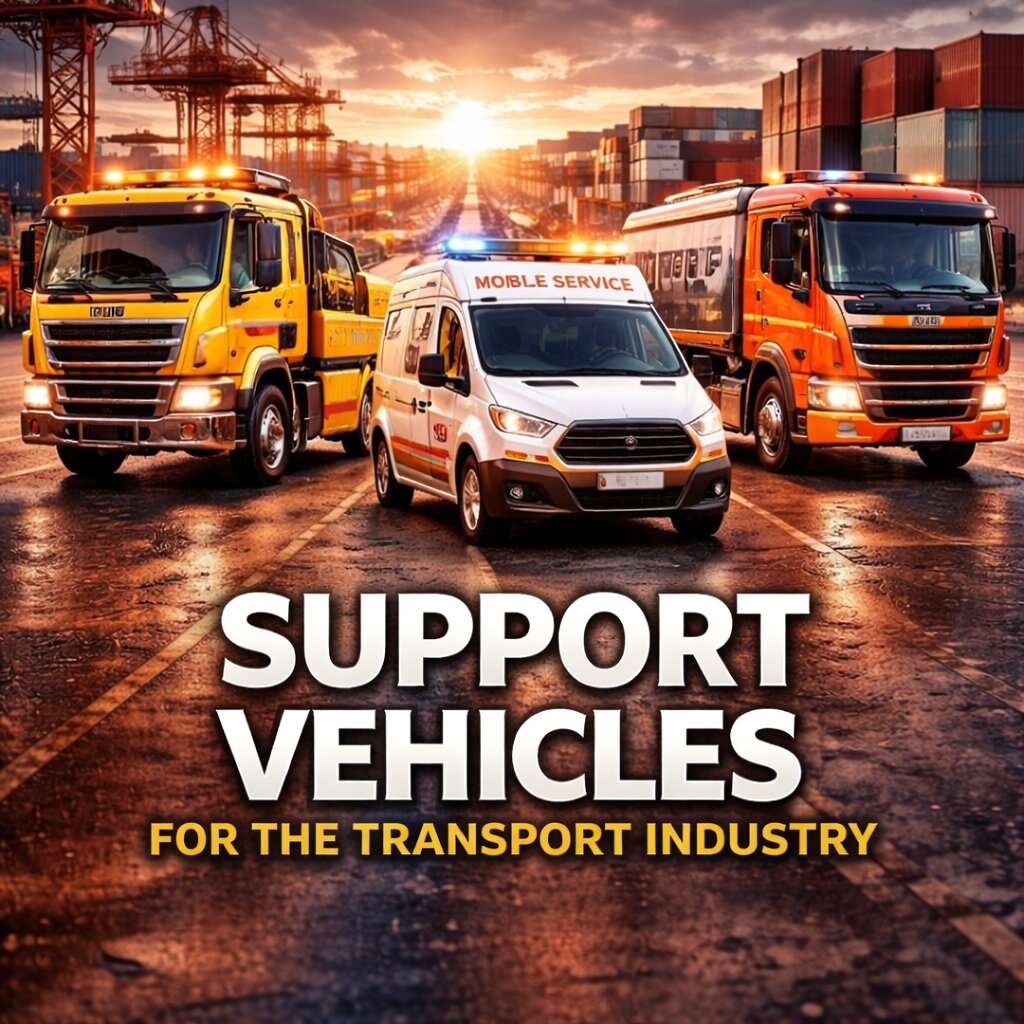
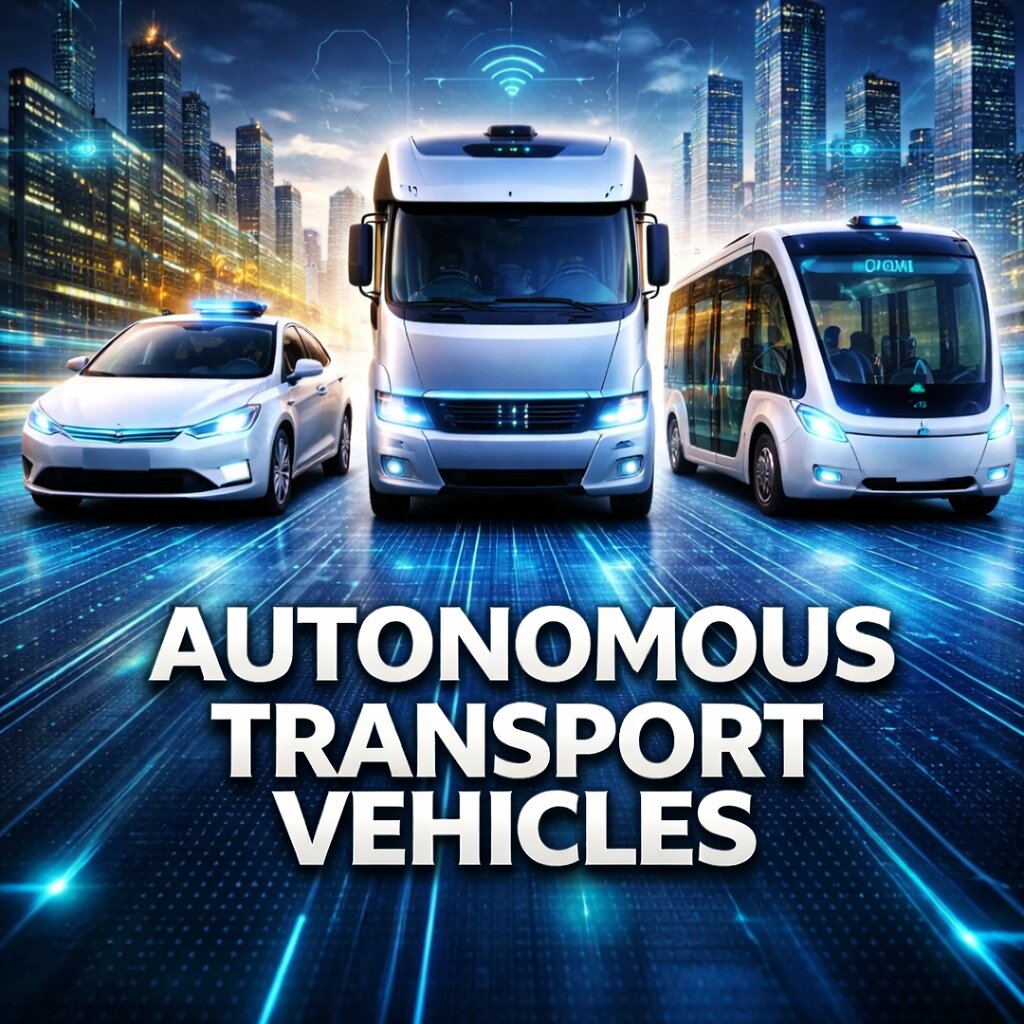
Support vehicles play a vital role behind the scenes, maintaining infrastructure and ensuring transport systems run smoothly. At the same time, autonomous transport vehicles are beginning to emerge as a new category, introducing automation into modern mobility networks.
Technology shaping modern transport vehicles
Transport vehicles have evolved rapidly with the integration of new technologies aimed at improving safety, efficiency, and sustainability. Digital systems now play a central role in managing fleets, monitoring performance, and optimising routes.
Many modern transport vehicles include advanced safety features, real-time tracking, and smart connectivity that enhance both passenger experience and operational control. These systems allow operators to respond quickly to changing conditions and maintain reliable services.
The future of transport vehicles is being shaped by electrification and automation. Electric buses, smart rail systems, and autonomous transport solutions are transforming how people and goods move through cities and across regions.
Explore transport vehicle categories
Transport vehicles cover a wide range of categories, each designed for specific roles within the mobility ecosystem:
- Public transport vehicles
- Private transport vehicles
- Commercial transport vehicles
- Urban transport systems
- Intercity transport vehicles
- Rail transport systems
- Support vehicles
- Autonomous transport vehicles
Each category represents a key part of the transport network, contributing to the movement of people, services, and infrastructure across different environments.
Understanding the future of transport systems
Transport vehicles will continue to evolve as cities grow, technologies advance, and sustainability becomes a priority. The integration of smart systems, cleaner energy sources, and automated solutions is reshaping the way mobility is designed and delivered.
For readers exploring the world of transport vehicles, this category serves as a gateway to deeper insights into each segment. Browse the transport blocks below to discover how each vehicle type contributes to modern mobility systems and the future of transportation.
Categories