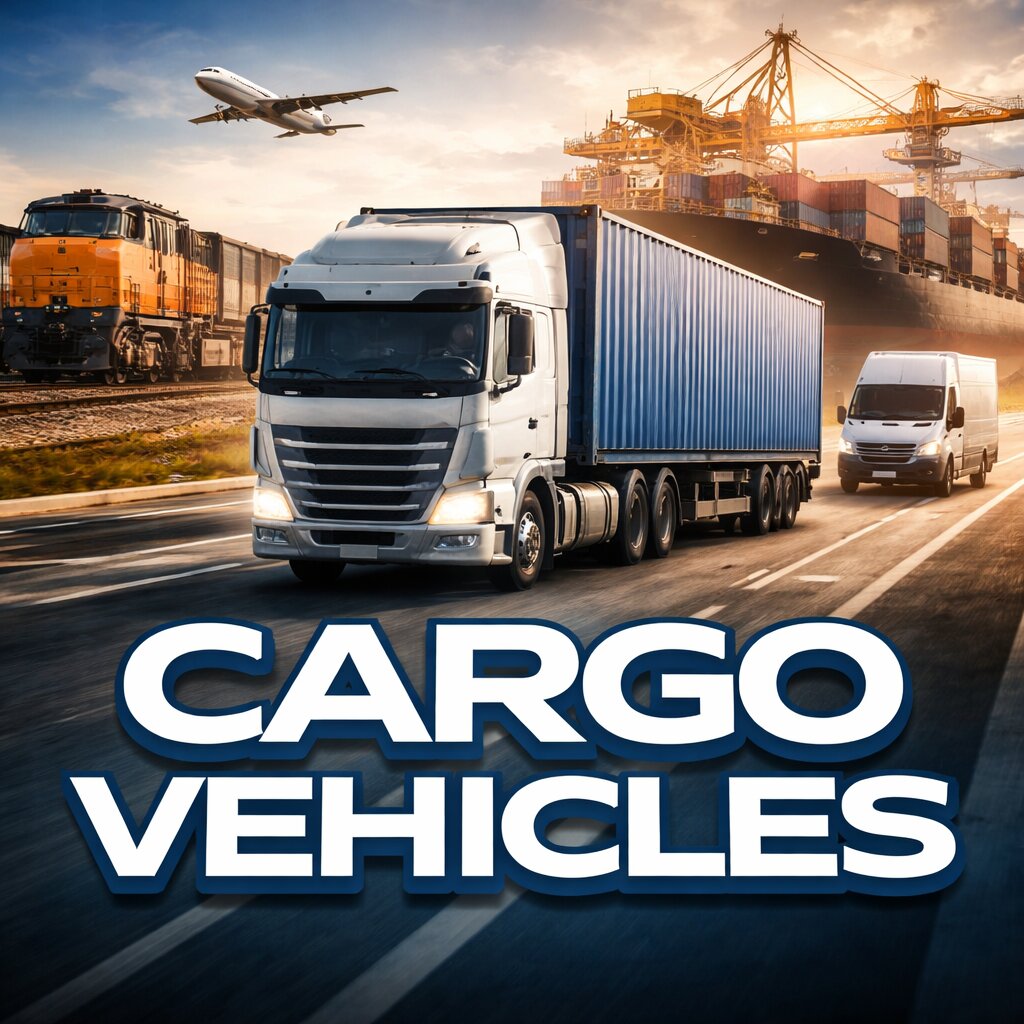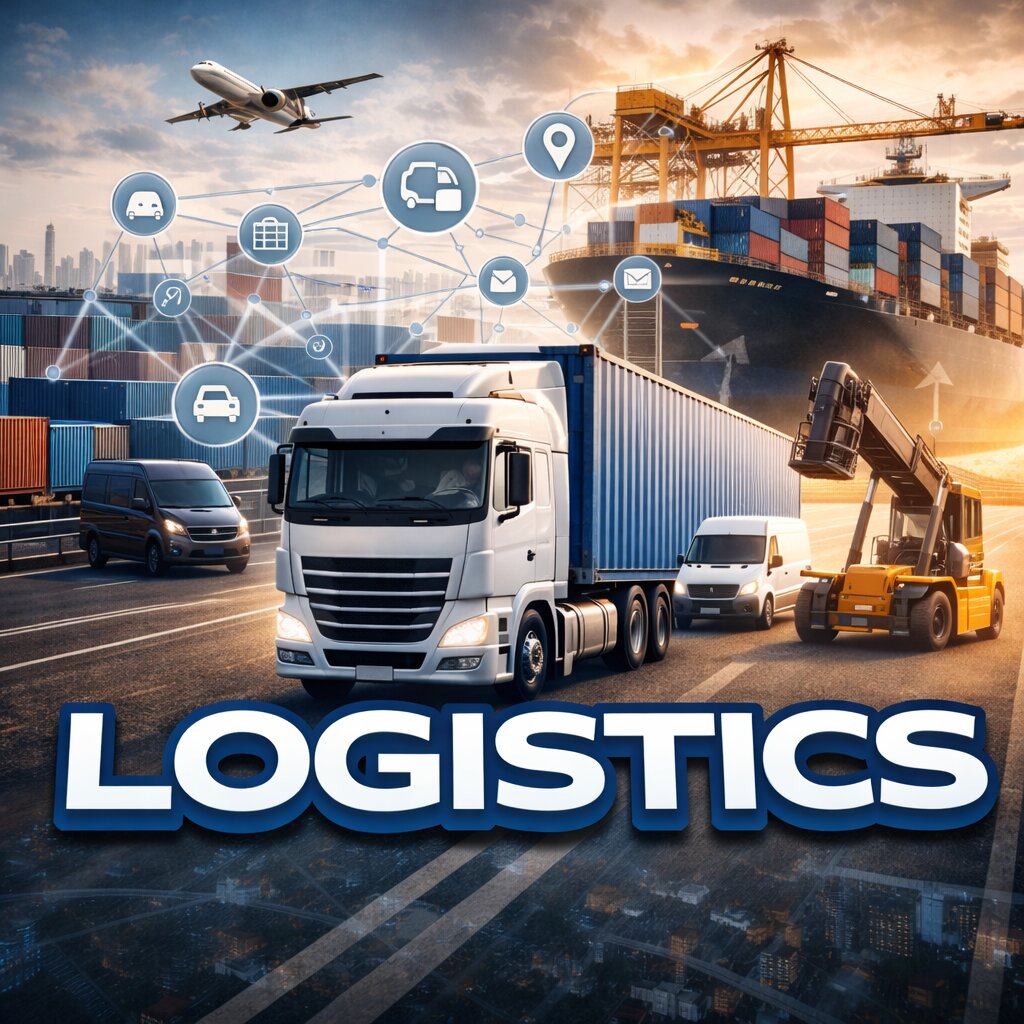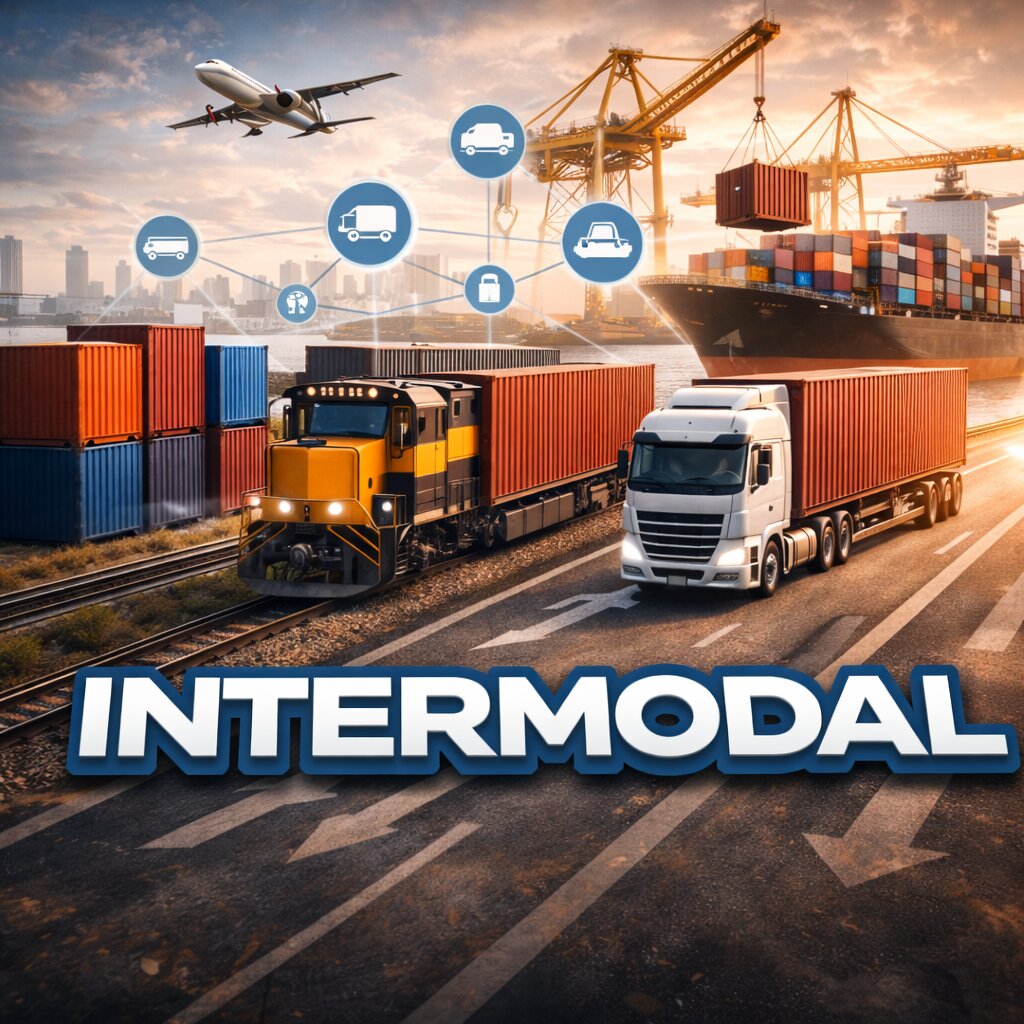
Cargo vehicles are specialised transport machines designed to move goods, materials, and freight across local, regional, and international supply chains. From delivery vans in city centres to heavy transport trucks crossing continents, cargo vehicles form the backbone of modern logistics and global commerce.
Built for reliability, capacity, and efficiency, cargo vehicles operate across road, rail, sea, and intermodal networks. Businesses throughout South Africa and around the world rely on these vehicles to transport products safely, maintain supply chains, and keep economies moving.
The role of cargo vehicles in modern logistics
Cargo vehicles support the movement of goods at every stage of the logistics chain. They transport raw materials from production sites, move manufactured products between warehouses, and deliver finished goods directly to businesses and consumers.
In many industries, efficient cargo transport determines whether supply chains run smoothly or suffer costly delays. From bulk commodities and industrial equipment to retail goods and postal deliveries, cargo vehicles ensure that materials reach the right destination at the right time.
As global trade and e-commerce continue to expand, the demand for reliable cargo transport has grown significantly. This has led to new vehicle designs, improved fleet technologies, and smarter logistics systems built around specialised cargo vehicles.
How cargo vehicles are grouped by function
Cargo vehicles are typically classified according to the role they perform within the broader transport and logistics system. Some vehicles focus on moving large volumes of goods over long distances, while others specialise in urban delivery, warehouse logistics, or bulk material transport.
This functional grouping helps logistics operators choose the most suitable vehicles for each stage of the transport process. A heavy long-haul truck may handle intercity freight, while smaller delivery vans complete the final stage of distribution in urban areas.
Specialised cargo vehicles are also designed for particular industries, including bulk commodities, container transport, postal services, and industrial logistics support. Each category plays a distinct role in keeping supply chains efficient and organised.
Technology shaping modern cargo vehicles
Cargo vehicles have evolved significantly in recent decades as logistics companies adopt new technologies to improve efficiency, safety, and sustainability. Modern fleets increasingly rely on telematics systems, digital fleet management tools, and route optimisation software.
Many cargo vehicles now include advanced driver assistance systems, fuel efficiency monitoring, and real-time tracking that allow operators to manage large fleets more effectively. These technologies help reduce operational costs while improving reliability and delivery accuracy.
The logistics sector is also exploring automation and electrification. Autonomous cargo vehicles, electric delivery fleets, and AI-powered logistics platforms are beginning to reshape how goods move through global supply networks.
Explore cargo vehicle types in detail
Cargo vehicles include a wide range of specialised machines designed to transport goods across different environments and industries. From freight and logistics transport to bulk material handling and postal fleets, each vehicle type serves a specific role within the supply chain.
To explore these categories in more detail, browse the cargo topics blocks below and discover how each type contributes to the complex world of modern logistics and freight transport.
Categories