Combat Military Vehicles: The Backbone of Modern Warfare
Combat military vehicles are among the most important assets on any modern battlefield. Designed to protect personnel, deliver firepower, and support military operations, combat military vehicles have evolved significantly over the decades. From heavily armoured tanks to agile infantry fighting vehicles, these machines help armed forces maintain tactical advantages in a wide range of combat situations.
The development of combat military vehicles began during the First World War when armies sought ways to cross difficult terrain while protecting troops from enemy fire. Since then, advances in armour, mobility, weapon systems, and technology have transformed these vehicles into highly sophisticated platforms.
Today, combat military vehicles are used by armed forces worldwide in conventional warfare, peacekeeping missions, border security operations, and urban combat environments. Their versatility makes them essential components of modern military strategy.
As military threats continue to evolve, combat military vehicles remain at the forefront of defence planning and battlefield operations.
Types of combat military vehicles
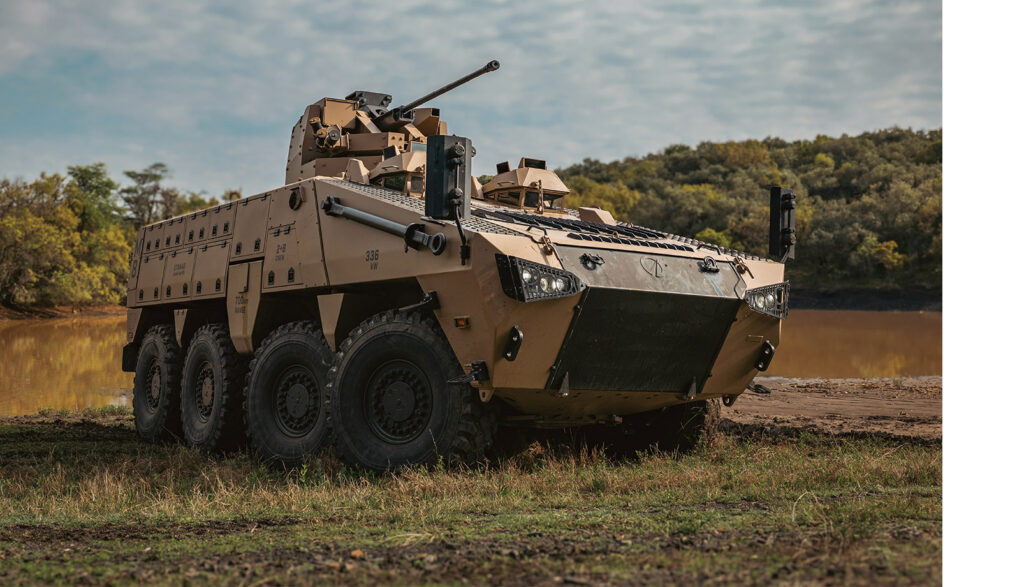
Several categories of military combat vehicles serve different operational purposes. Each type is designed to fulfil specific roles while complementing other military assets on the battlefield.
Main battle tanks are perhaps the most recognisable combat military vehicles. Equipped with powerful cannons and heavy armour, tanks are designed to engage enemy vehicles and fortified positions while surviving direct attacks.
Infantry fighting vehicles transport soldiers into combat while providing supporting fire. Unlike standard troop carriers, these combat military vehicles are armed with cannons, machine guns, or anti-tank missiles to engage enemy threats.
Armoured fighting vehicles encompass a broad range of combat military vehicles designed for protection and offensive capability. These vehicles often balance mobility, firepower, and survivability depending on mission requirements.
Self-propelled artillery vehicles bring long-range firepower to military operations, allowing forces to strike targets from considerable distances while remaining mobile and protected.
Combat military vehicles across air, land, and sea
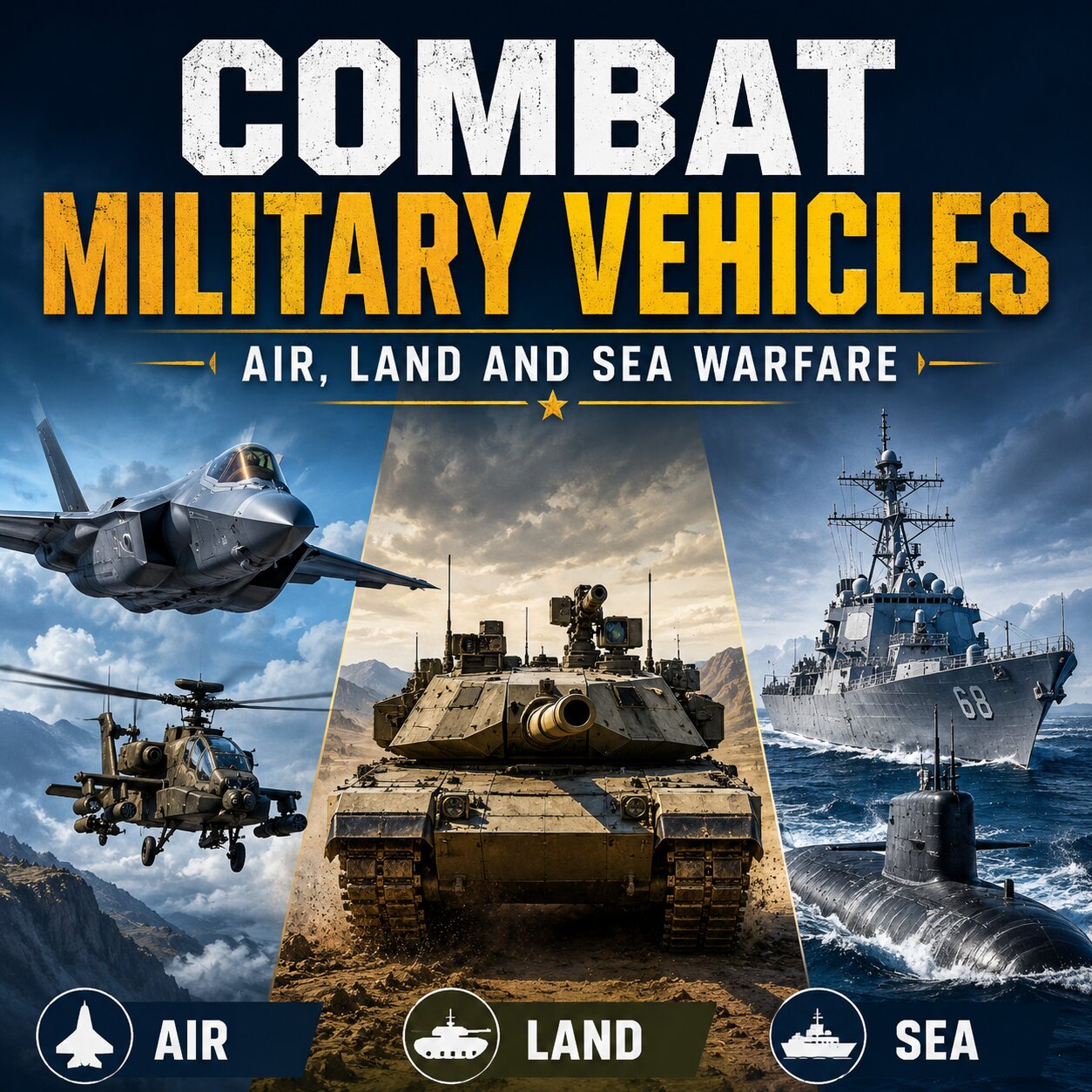
While many people associate military combat vehicles with tanks and armoured vehicles on land, the category extends far beyond ground warfare. Modern armed forces deploy combat military vehicles across air, land, and sea domains to ensure operational effectiveness in every environment.
On land, combat military vehicles include main battle tanks, infantry fighting vehicles, armoured personnel carriers, self-propelled artillery systems, and specialised assault vehicles. These platforms provide mobility, protection, and firepower while supporting infantry and armoured operations across diverse terrain.
In the air, combat military vehicles take the form of fighter jets, attack helicopters, close air support aircraft, strategic bombers, and armed drones. These aerial platforms are designed to engage enemy targets, provide reconnaissance, establish air superiority, and support ground forces during military operations.
At sea, combat military vehicles include destroyers, frigates, corvettes, aircraft carriers, missile boats, submarines, and amphibious assault ships. These vessels protect maritime interests, project military power, secure shipping routes, and support both naval and land-based combat missions.
Together, these air, land, and sea military combat vehicles form an integrated defence network, allowing modern militaries to respond rapidly to threats across multiple operational theatres while maintaining strategic flexibility and battlefield dominance.
Key features that define combat military vehicles
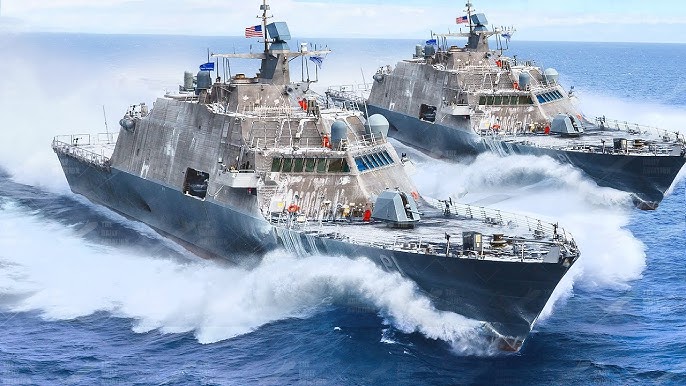
Modern military combat vehicles incorporate advanced technologies to maximise effectiveness in hostile environments. Armour protection remains one of the most important features, helping crews survive attacks from small arms, artillery fragments, and anti-tank weapons.
Mobility is equally critical. Powerful engines, advanced suspension systems, and specialised tracks or wheels allow combat military vehicles to operate across deserts, forests, mountains, and urban areas.
Weapon systems vary depending on the vehicle’s role. Common armaments include:
- Large-calibre cannons
- Machine guns
- Automatic grenade launchers
- Anti-tank guided missiles
- Air defence systems
Modern military combat vehicles also feature sophisticated communication systems, battlefield management software, thermal imaging, and target acquisition technologies that improve situational awareness and combat effectiveness.
The future of combat military vehicles
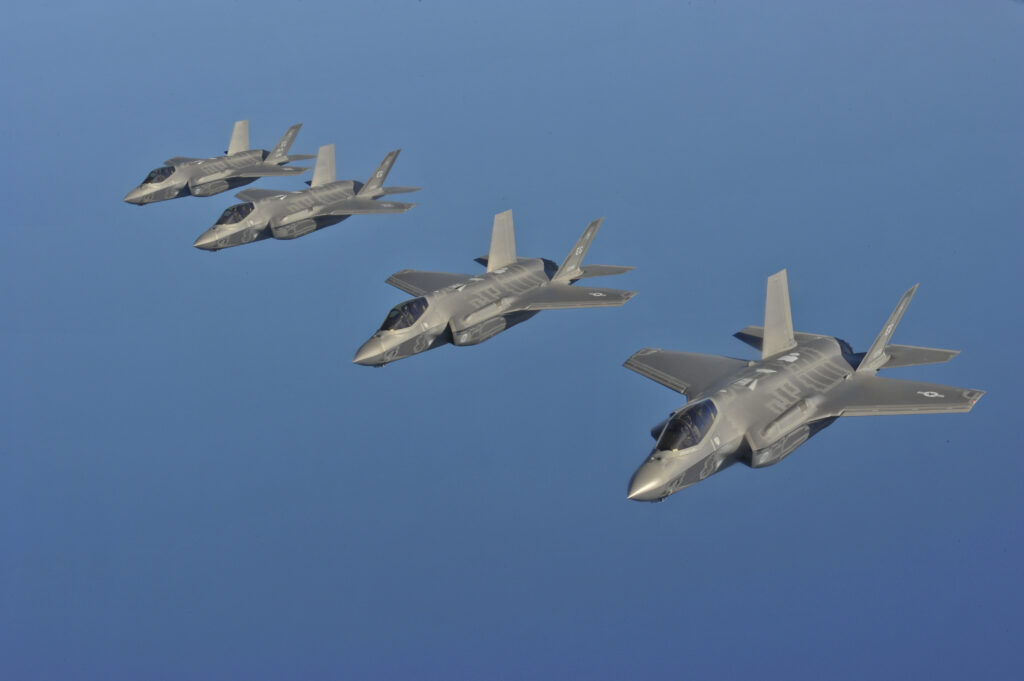
The next generation of combat military vehicles is expected to incorporate autonomous technologies, artificial intelligence, and enhanced protection systems. Military organisations worldwide are investing heavily in research to improve vehicle survivability and operational efficiency.
Unmanned combat platforms are already being tested to reduce risks to personnel. These vehicles can perform reconnaissance, combat support, and even direct engagement missions without placing soldiers in harm’s way.
Advanced active protection systems are becoming increasingly common. These technologies can detect and intercept incoming threats before they strike the vehicle, significantly improving battlefield survivability.
Hybrid and electric propulsion systems may also shape the future of military combat vehicles by reducing fuel requirements, improving efficiency, and lowering operational costs.
Power, protection, and battlefield dominance
Combat military vehicles continue to play a central role in military operations around the world. Their combination of firepower, protection, mobility, and technology makes them indispensable assets for modern armed forces.
From the iconic main battle tank to the latest autonomous platforms under development, combat military vehicles demonstrate how military technology continues to evolve to meet changing battlefield challenges.
As warfare becomes increasingly complex, these powerful machines will remain essential tools for protecting personnel, securing objectives, and achieving operational success.