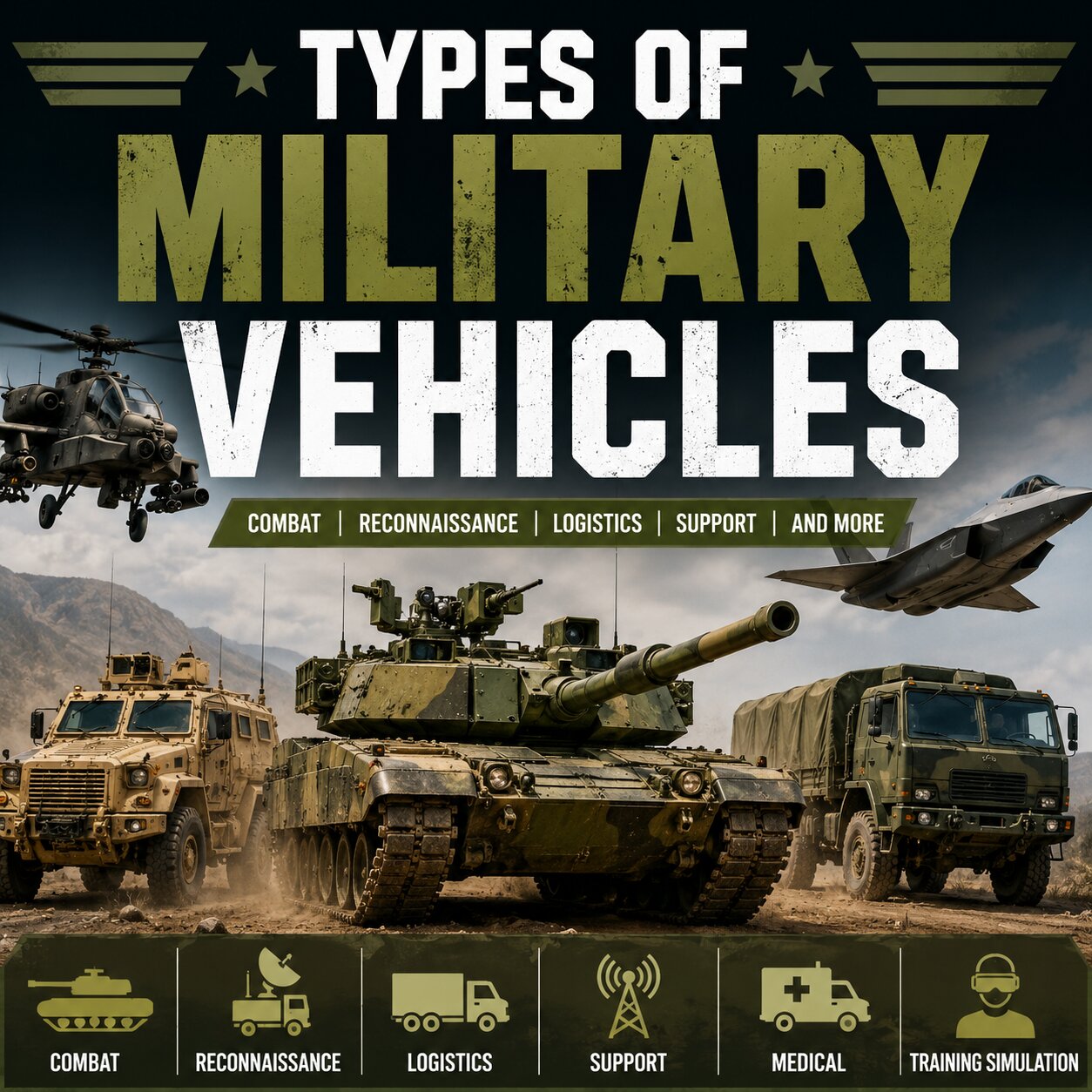
Types Of Military Vehicles
Military vehicles play a critical role in modern defence operations across land, air, and sea. From heavily armoured combat machines to specialised support transports, the various types of military vehicles are designed to handle dangerous environments, tactical missions, and emergency situations.
As military technology evolves, countries continue developing new vehicles capable of improving mobility, communication, protection, and firepower. Different types of military vehicles are often built for highly specific roles, ensuring armed forces can respond effectively during combat operations, humanitarian missions, reconnaissance tasks, and logistical support.
Understanding the different categories helps highlight how complex military transportation systems have become in the modern world.
Main combat military vehicles
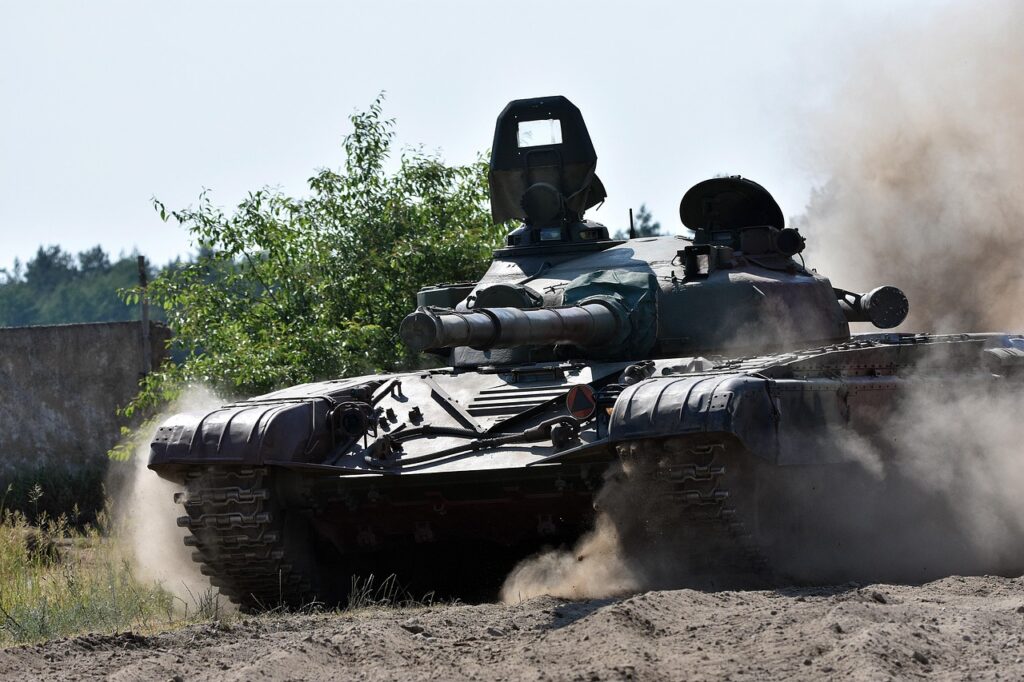
Main combat vehicles are among the most recognised types of military vehicles. These machines are built for direct battlefield engagement and are heavily armed and armoured to survive dangerous combat conditions.
Main battle tanks are perhaps the best-known examples. They combine powerful cannons, thick armour plating, advanced targeting systems, and tracked mobility to operate across difficult terrain. Infantry fighting vehicles and armoured personnel carriers also fall into this category, transporting soldiers while offering varying levels of protection and firepower.
Modern combat vehicles often include advanced technologies such as thermal imaging, drone integration, active protection systems, and digital battlefield communication tools. These features allow crews to identify threats faster and improve coordination during combat.
The primary goal of these types of military vehicles is to provide offensive and defensive strength while maintaining mobility in high-risk environments.
Reconnaissance and surveillance vehicles
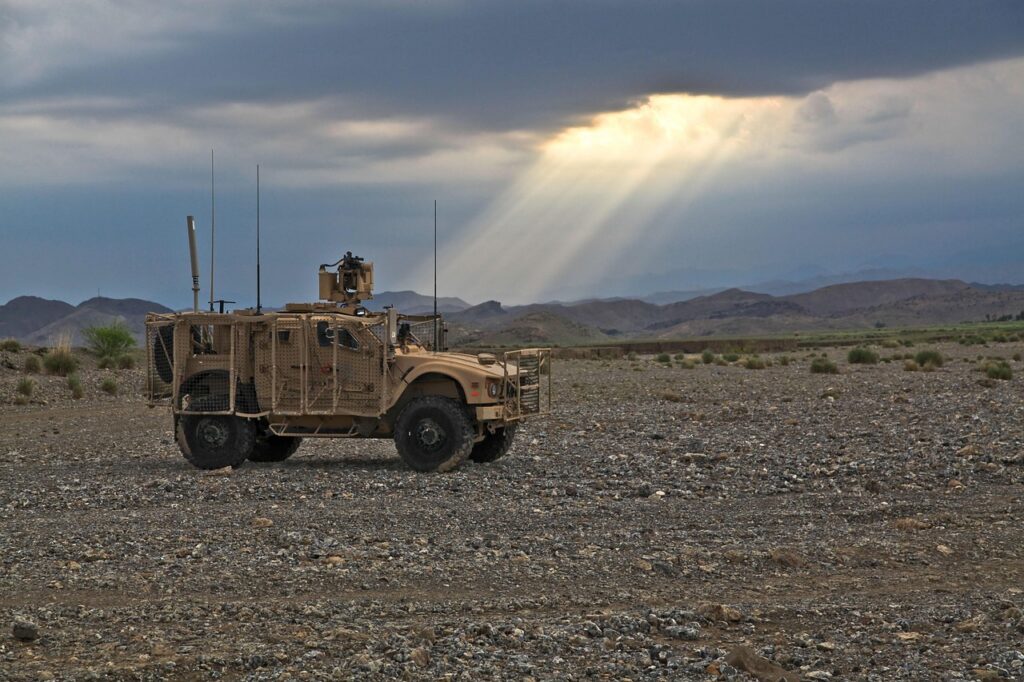
Reconnaissance vehicles are designed to gather intelligence and monitor enemy movements. These types of military vehicles prioritise speed, mobility, stealth, and advanced observation technology rather than heavy armour or weaponry.
Many reconnaissance vehicles use lightweight designs that allow them to travel quickly across rough terrain. Some are equipped with radar systems, high-resolution cameras, thermal sensors, and communication equipment capable of transmitting battlefield information in real time.
Modern military forces also use unmanned reconnaissance vehicles, including drones and robotic ground units. These systems help reduce risks to personnel while improving surveillance capabilities.
Reconnaissance remains one of the most important aspects of military operations because accurate information can determine the success or failure of a mission.
Logistics and transport military vehicles
Logistics vehicles are responsible for transporting supplies, equipment, fuel, food, ammunition, and troops. Without these types of military vehicles, military operations would struggle to function effectively over long periods.
Transport trucks are among the most common military support vehicles. Some are designed for general cargo transport, while others carry fuel, heavy machinery, missiles, or construction equipment. Military engineering vehicles may also assist with bridge construction, obstacle clearing, and infrastructure repair.
Air and sea transport systems also play a major role in military logistics. Cargo aircraft and naval transport vessels help move vehicles and supplies across large distances quickly and efficiently.
Key examples of logistics-related types of military vehicles include:
- Heavy cargo trucks
- Fuel tankers
- Recovery vehicles
- Mobile workshops
- Engineering vehicles
- Armoured troop carriers
Strong logistical support ensures military forces can maintain operational readiness in challenging conditions.
Support and communication military vehicles
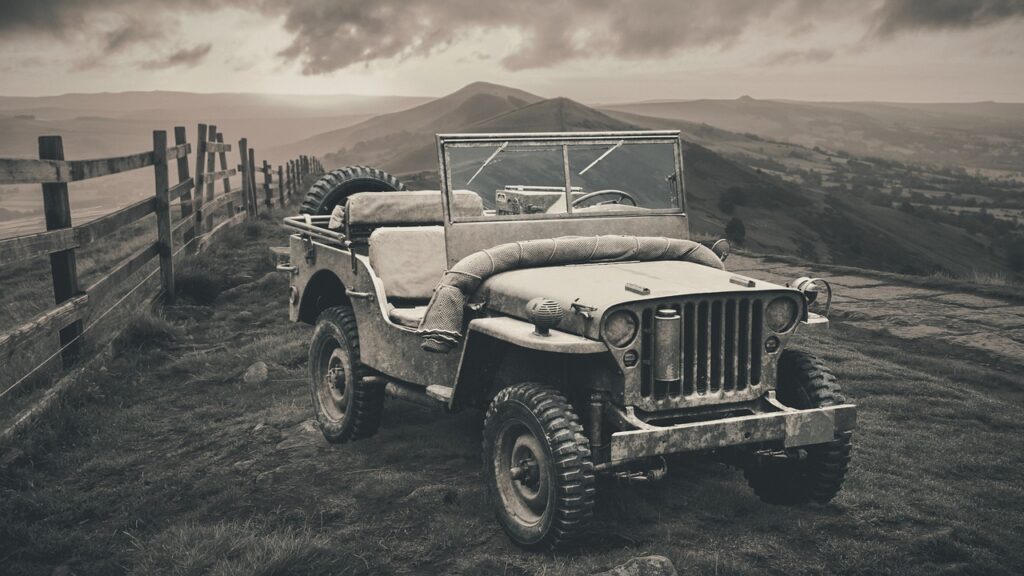
Support vehicles perform specialised tasks that assist frontline forces. These types of military vehicles may not directly engage in combat, but they are essential for communication, command, and coordination.
Mobile command centres are equipped with communication technology that allows military leaders to monitor operations and issue instructions from protected locations. Communication vehicles often contain satellite systems, radio towers, encrypted communication equipment, and network infrastructure.
Electronic warfare vehicles also fall into this category. These machines can disrupt enemy communications, radar systems, and drone operations while protecting friendly communications from interference.
Modern warfare depends heavily on information sharing and rapid coordination. Support and communication vehicles help military forces maintain control in highly dynamic environments.
Medical and evacuation military vehicles
Medical and evacuation vehicles focus on rescuing and treating injured personnel during emergencies. These types of military vehicles are specifically designed to operate safely in dangerous combat areas while transporting wounded soldiers to medical facilities.
Armoured ambulances provide protection while moving injured personnel from active combat zones. Medical transport helicopters are also commonly used for rapid evacuations when ground access becomes difficult or dangerous.
Some military medical vehicles contain advanced treatment equipment that allows medics to stabilise patients before reaching hospitals. This capability significantly improves survival rates during military operations.
Evacuation vehicles are also used during humanitarian disasters, peacekeeping missions, and civilian rescue operations, demonstrating their importance beyond traditional warfare scenarios.
Training simulation and future military technology
Training and simulation systems have become increasingly important as military technology grows more advanced. These types of military vehicles help soldiers prepare for combat situations without exposing them to real battlefield dangers.
Simulation vehicles may replicate tank controls, aircraft systems, convoy operations, or battlefield communication environments. Some use virtual reality and artificial intelligence to create realistic combat scenarios for training purposes.
Future military vehicles are expected to include more autonomous systems, electric propulsion technology, advanced drone integration, and artificial intelligence support systems. Some concepts already being tested involve unmanned combat vehicles capable of operating alongside human-controlled machines.
As technology continues advancing, the next generation of types of military vehicles will likely become faster, smarter, and more adaptable to modern battlefield requirements.
The machines behind military operations
The many types of military vehicles used around the world demonstrate how specialised modern defence operations have become. From combat tanks and reconnaissance units to medical evacuation transports and communication centres, every category serves a vital purpose within military strategy.
These vehicles are not only built for warfare but also for logistics, rescue missions, infrastructure support, intelligence gathering, and disaster response. Their development reflects ongoing advances in engineering, technology, and tactical planning.
Understanding the different types of military vehicles offers valuable insight into how armed forces maintain mobility, protection, coordination, and operational efficiency in increasingly complex environments.