
Excavation Vehicles: Types, Uses, Brands and Attachments in South Africa
Excavation vehicles are the backbone of construction, mining, roadworks, and large-scale infrastructure development. From urban housing projects to major highway expansions and quarry operations, these machines handle the heavy lifting that manual labour simply cannot.
In South Africa, excavation vehicles are widely used across construction, mining, agriculture, and municipal infrastructure upgrades. In this guide, we break down the different types of excavation vehicles, where they are commonly used, the most trusted brands locally, and the attachments that make them so versatile.
Types of Excavation Vehicles
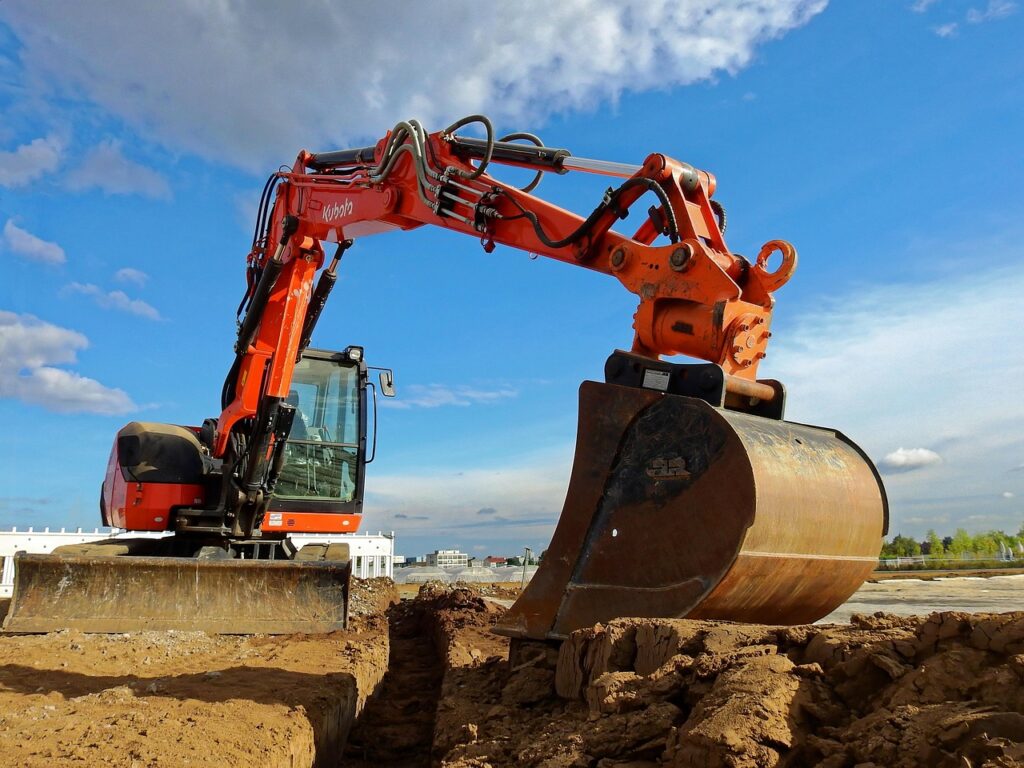
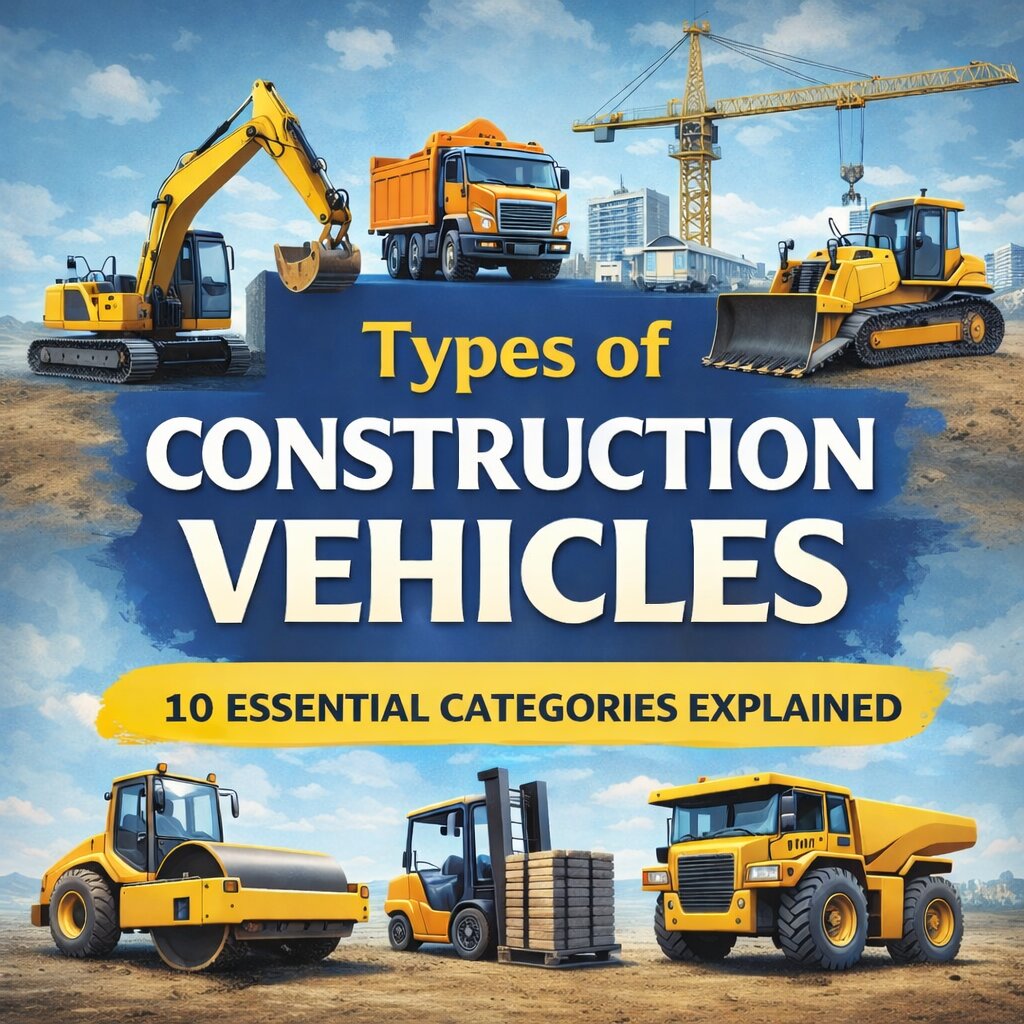
Excavation vehicles come in several configurations depending on the terrain, workload, and industry requirements. Not every job site demands the same level of power, mobility, or reach, which is why manufacturers design machines for very specific operational environments.
From large-scale mining operations in rugged, uneven terrain to urban roadworks where mobility and surface protection are critical, the type of excavation vehicle selected can significantly impact efficiency, fuel consumption, and overall project timelines. Understanding the different configurations helps contractors, fleet managers, and developers choose the right machine for the task, reducing downtime and maximising productivity across construction, infrastructure, and industrial projects.
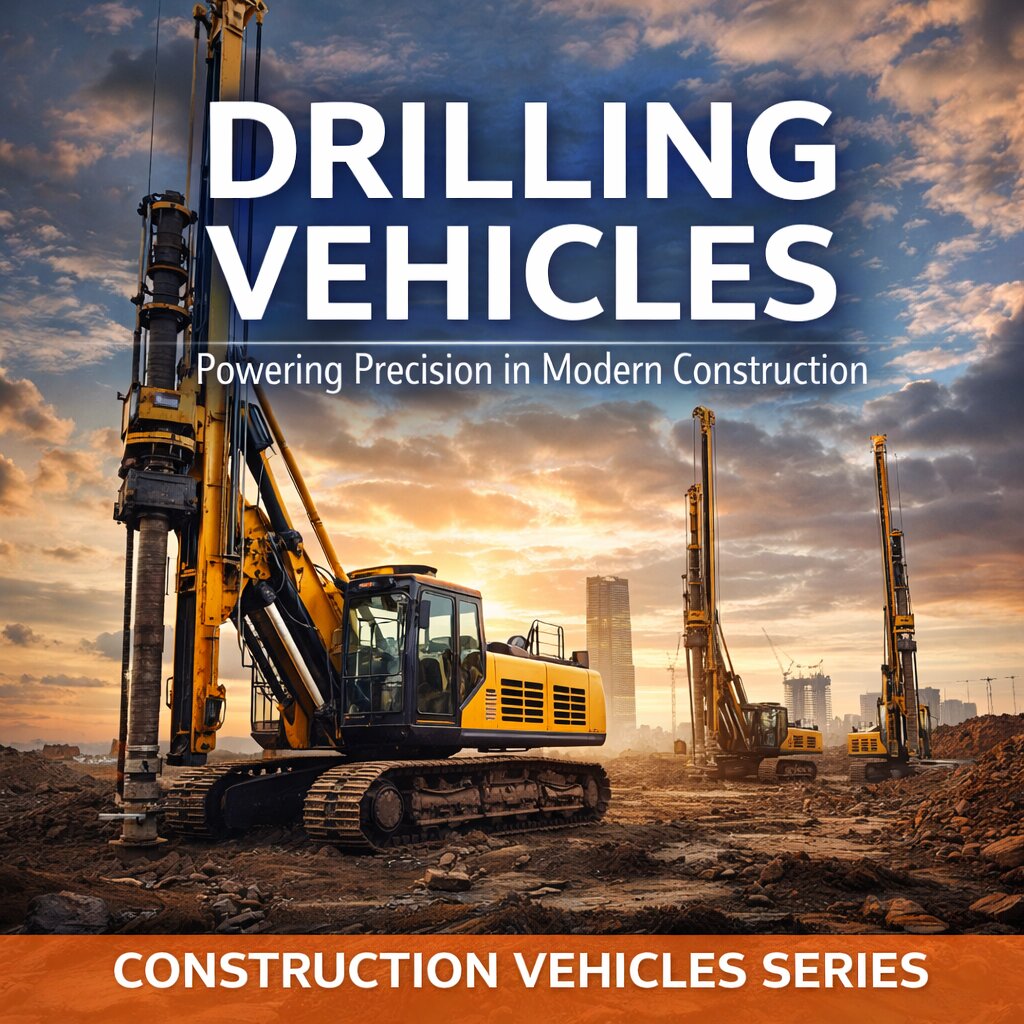
1. Crawler Excavators (Tracked Excavators)
Crawler excavators are the most common type of excavation vehicle. They run on tracks instead of wheels, giving them superior stability and traction on uneven or muddy ground.
These machines are widely used in:
- Large-scale construction sites
- Mining operations
- Dam and road construction
- Deep trenching projects
Because of their power and reach, crawler excavators are ideal for heavy-duty digging and lifting tasks.
2. Wheeled Excavators
Wheeled excavators offer greater mobility compared to tracked models. They can travel on tar roads without damaging the surface, making them ideal for urban environments.
They are commonly used for:
- Municipal maintenance
- Road construction and repairs
- Utility line installations
- Inner-city infrastructure upgrades
In metropolitan areas like Johannesburg and Cape Town, wheeled excavation vehicles are often preferred due to ease of relocation between sites.
3. Mini Excavators
Mini excavators, also known as compact excavators, are smaller machines designed for tight spaces. They are increasingly popular in residential developments and small commercial builds.
Typical uses include:
- Landscaping
- Swimming pool installations
- Foundation preparation for small buildings
- Agricultural trenching
Their lower operating cost and easy transport make them attractive for contractors handling smaller projects.
Where Excavation Vehicles Are Used in South Africa
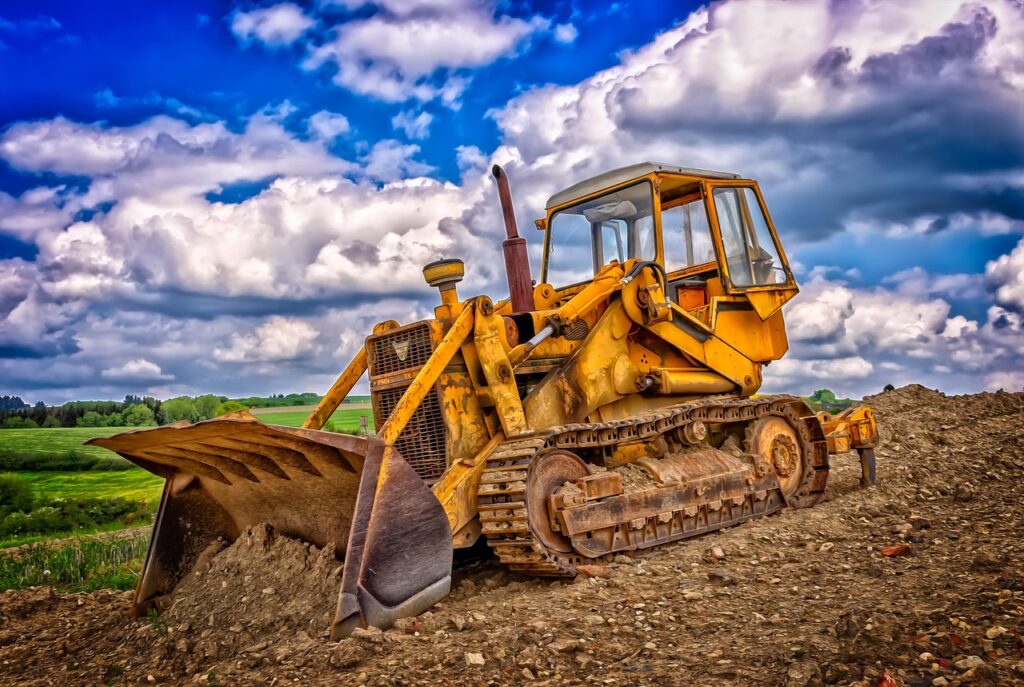
Excavation vehicles play a major role across multiple sectors, forming the foundation of countless projects that shape South Africa’s physical and economic landscape. Whether preparing land for a new housing development, digging trenches for underground utilities, or supporting large-scale mining operations, these machines are critical to moving earth quickly and efficiently.
Their versatility allows them to operate in vastly different environments, from dense urban centres to remote rural areas. Because excavation vehicles can be fitted with specialised attachments and configured for different terrains, they are not limited to traditional construction sites. Instead, they support a wide range of industries that rely on earthmoving, material handling, and ground preparation to drive progress.
- Construction: Housing developments, commercial buildings, and industrial plants
- Mining: Surface mining and material handling
- Road Infrastructure: National and provincial highway upgrades
- Agriculture: Irrigation systems and dam construction
- Municipal Projects: Sewer, water, and electrical installations
With ongoing infrastructure development and private sector expansion, demand for excavation vehicles in South Africa remains steady.
Popular Excavation Vehicle Brands in South Africa
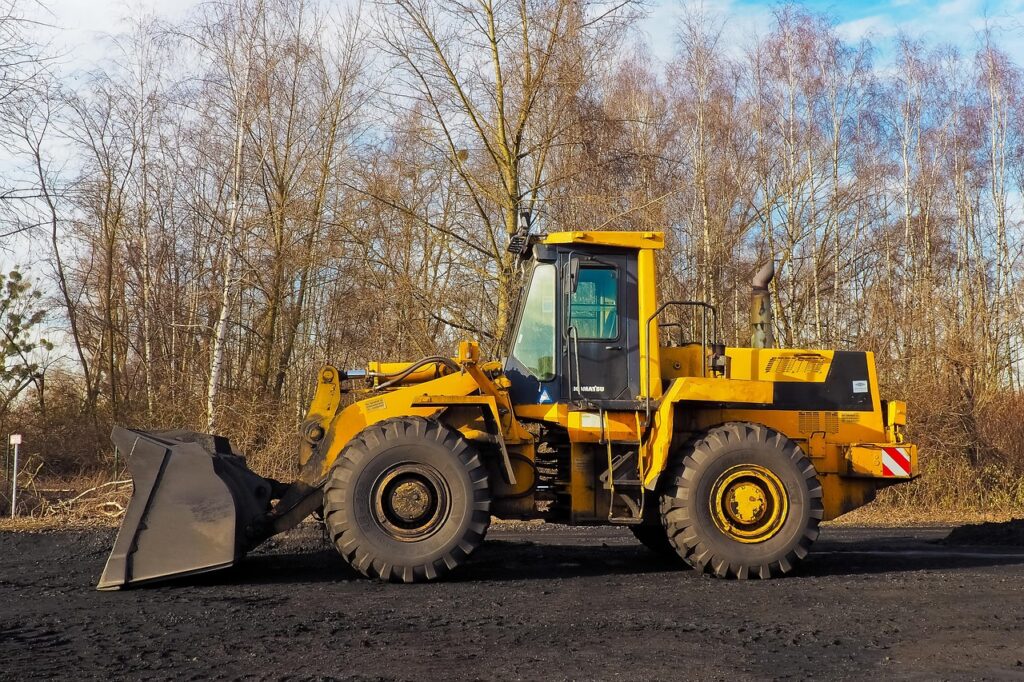
Several global manufacturers dominate the South African market due to durability, dealer support, and parts availability. In heavy equipment industries such as construction and mining, reliability is not optional. Downtime can cost contractors thousands of rand per hour, making strong local support networks just as important as machine performance.
South Africa’s demanding operating conditions, which range from high-heat mining environments to rugged rural terrain and coastal construction zones, require excavation vehicles that are built to last. Brands that maintain established dealerships, accessible spare parts supply chains, and trained technicians across the country tend to earn the strongest reputations among fleet owners and contractors.
Caterpillar
Commonly known as CAT, this brand is widely used in mining and large construction projects. CAT excavation vehicles are known for reliability and strong resale value.
Komatsu
A major competitor to CAT, Komatsu machines are popular for both construction and mining applications across Southern Africa.
Volvo Construction Equipment
Volvo’s excavators are recognised for fuel efficiency and operator comfort, making them popular in long-hour operations.
JCB
JCB is particularly well-known for compact and mid-size machines, making them a common choice for urban and municipal contractors.
Other brands with growing presence include Hitachi Construction Machinery and Hyundai Construction Equipment.
Common Excavator Attachments
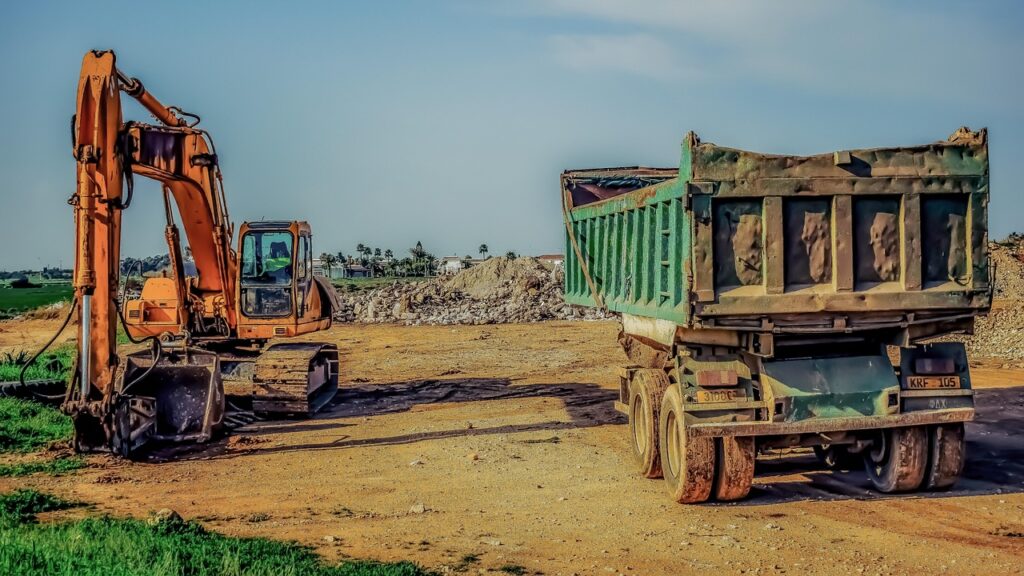
One of the reasons excavation vehicles are so versatile is the wide range of available attachments. While the base machine provides power and hydraulic capability, it is the attachment system that transforms an excavator from a simple digging unit into a multi-purpose construction tool.
By changing attachments, contractors can shift from trenching to demolition, drilling, lifting, or material handling without needing an entirely different machine. This flexibility reduces equipment costs, improves site efficiency, and allows operators to adapt quickly to changing project demands. In many cases, the right attachment can significantly increase productivity while reducing manual labour and overall project time.
Buckets
Standard digging buckets are the most common attachment. Variants include trenching buckets, rock buckets, and heavy-duty reinforced buckets.
Hydraulic Breakers
Used to break concrete, rock, and asphalt. These are essential in demolition and roadworks.
Augers
Ideal for drilling holes for fence posts, poles, and foundations.
Grapples
Used in material handling, demolition, and forestry applications.
Rippers
Designed to loosen compacted soil or break through hard ground before excavation begins.
Attachments significantly expand the functionality of excavation vehicles, allowing contractors to maximise equipment utilisation.
The Role of Excavation Vehicles in Modern Infrastructure
Excavation vehicles are no longer just digging machines. With advanced hydraulics, GPS integration, and fuel-efficient engines, modern models are becoming more precise and environmentally conscious.
As South Africa continues investing in infrastructure, transport corridors, housing, and energy projects, excavation vehicles will remain central to development. Whether on a mining site in Limpopo or a residential build in Durban, these machines are driving progress beneath the surface.