
Autonomous Cargo Vehicles: The Future of Freight and Logistics
The evolution of cargo transport is reaching its most advanced stage with the rise of autonomous cargo vehicles. These vehicles are designed to operate with minimal or no human intervention, using a combination of sensors, artificial intelligence, and real-time data processing to move goods efficiently across long distances and complex environments.
Across industries, companies are investing heavily in automation to reduce costs, improve safety, and enhance delivery speed. From highways to warehouses, autonomous cargo systems are beginning to reshape how logistics networks operate.
Unlike traditional cargo vehicles, which rely entirely on human drivers, autonomous systems can analyse road conditions, traffic patterns, and potential hazards instantly. This allows them to make faster and often safer decisions in real time.
As the final chapter in the cargo vehicle series, autonomous cargo vehicles represent not just a new category, but the future direction of the entire logistics industry.
How Autonomous Cargo Vehicles Work
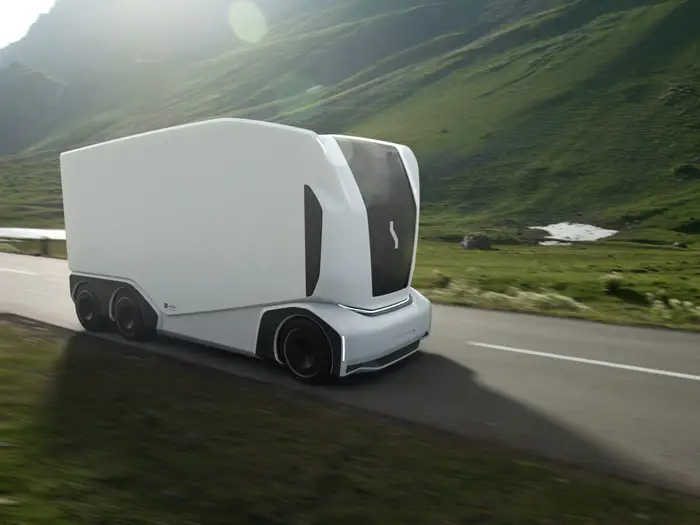
At the core of autonomous cargo vehicles lies a sophisticated blend of technologies working together seamlessly. These systems rely on sensors such as LiDAR, radar, and cameras to create a detailed understanding of their surroundings.
Artificial intelligence processes this data to identify obstacles, predict movement patterns, and determine the safest route forward. Machine learning further enhances these capabilities over time, allowing vehicles to improve performance with experience.
Navigation systems integrate GPS with high-definition mapping to ensure precise positioning. This is especially important for long-haul freight, where accuracy and efficiency directly impact delivery schedules.
In addition, communication systems enable vehicles to connect with central control hubs, other vehicles, and infrastructure. This creates a networked ecosystem where cargo transport becomes smarter and more coordinated.
Types of Autonomous Cargo Vehicles in Use
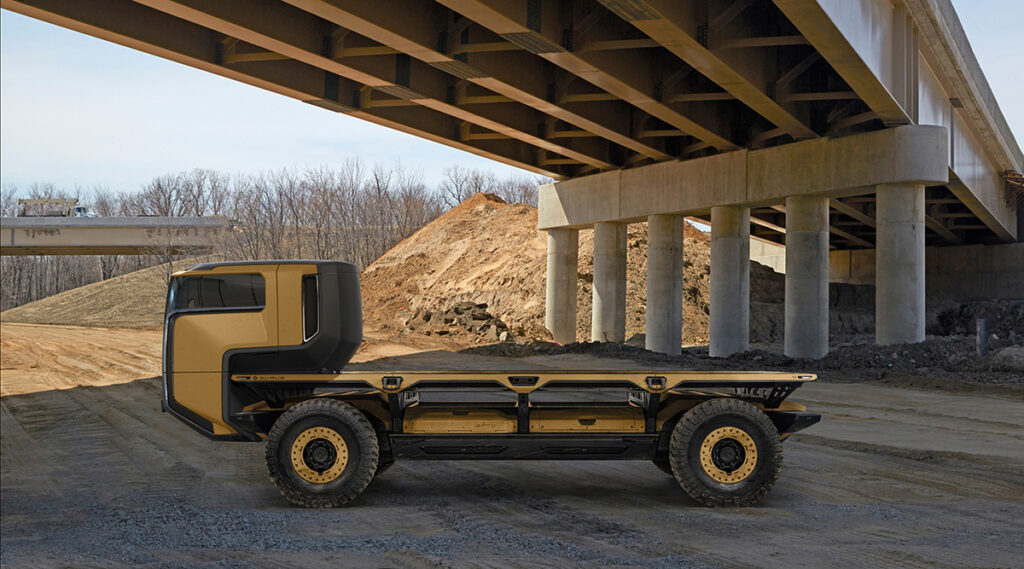
Autonomous cargo vehicles are already being deployed in various forms across different sectors. Each type is designed to meet specific logistical needs, from long-distance transport to last-mile delivery.
Some of the most common types include:
- Self-driving long-haul trucks for highway freight
- Autonomous delivery vans for urban logistics
- Warehouse robots for internal cargo movement
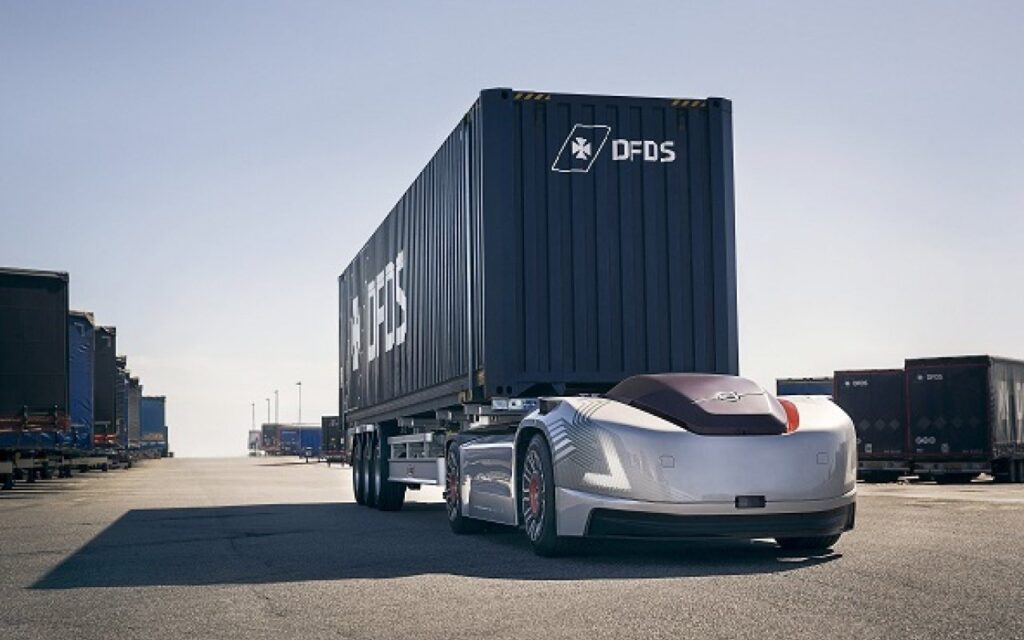
- Port and terminal vehicles for container handling
- Drone-based cargo systems for specialised deliveries
These variations demonstrate the flexibility of autonomous technology. Whether moving containers in a port or delivering packages in a city, the underlying systems can be adapted to suit the environment.
As technology advances, we can expect even more specialised autonomous cargo solutions tailored to niche industries and challenging terrains.
Benefits of Autonomous Cargo Vehicles
The adoption of autonomous cargo vehicles brings a wide range of benefits that extend beyond simple automation. One of the most significant advantages is improved safety, as human error remains one of the leading causes of accidents in transport.
Efficiency is another major factor. Autonomous systems can operate continuously without the need for rest breaks, significantly increasing productivity and reducing delivery times.
Cost reduction also plays a crucial role. By minimising labour costs and optimising fuel consumption through smarter driving patterns, companies can achieve substantial savings over time.
Environmental impact is also improved, as autonomous vehicles can be programmed to follow fuel-efficient routes and driving behaviours, contributing to lower emissions across logistics networks.
Challenges and Limitations
Despite their potential, autonomous cargo vehicles still face several challenges that must be addressed before widespread adoption becomes the norm. Regulatory frameworks are one of the biggest hurdles, as laws vary across regions and are still evolving.
Technology limitations also exist, particularly in complex urban environments where unpredictable human behaviour can complicate decision-making for autonomous systems.
Public trust remains another barrier. Many people are still cautious about fully autonomous vehicles, especially when it comes to safety and reliability on public roads.
Infrastructure readiness is also a concern. Roads, communication networks, and support systems need to be upgraded to fully support autonomous operations at scale.
The Road Ahead for Autonomous Logistics
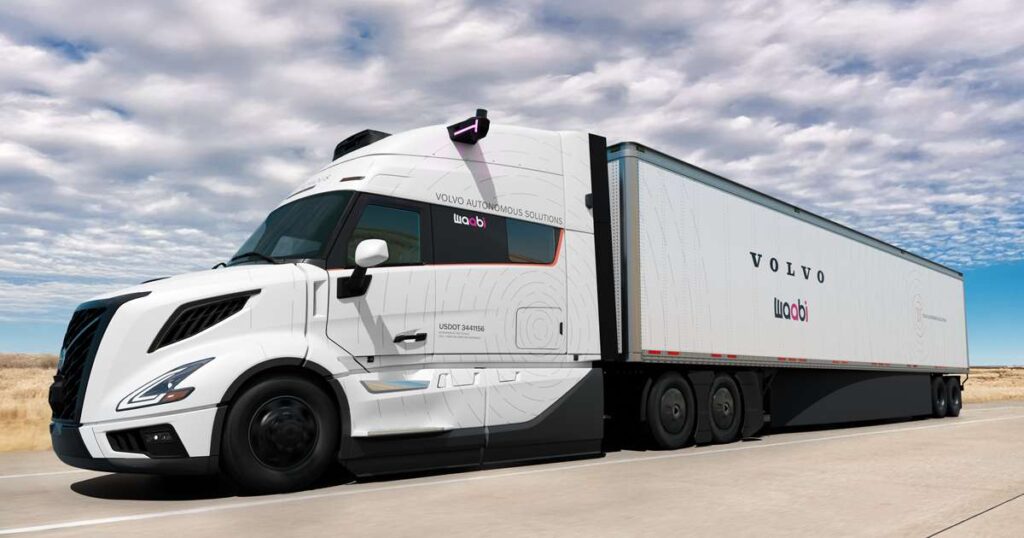
The future of logistics is undeniably linked to automation. As technology continues to improve, autonomous cargo vehicles will become more reliable, more efficient, and more widely accepted across industries.
Major logistics companies and manufacturers are already conducting large-scale trials, paving the way for broader implementation in the coming years. These developments suggest that autonomous transport is not a distant concept but an imminent reality.
Integration with other technologies, such as smart cities and Internet of Things systems, will further enhance the capabilities of autonomous cargo networks. This will create a more connected and responsive logistics ecosystem.
Ultimately, autonomous cargo vehicles are set to redefine how goods are transported, making logistics faster, safer, and more efficient than ever before.
Driving Into the Future of Cargo Transport
As the cargo vehicle series comes to a close, autonomous cargo vehicles stand as the pinnacle of innovation in the industry. They represent a shift from traditional transport methods to intelligent, data-driven systems capable of transforming global logistics.
From highways to warehouses, the impact of automation is already being felt, and its influence will only grow stronger in the years ahead.
The journey of cargo vehicles has evolved from simple transport solutions to highly advanced systems powered by artificial intelligence. With autonomous technology leading the way, the future of cargo transport is not just approaching; it has already begun.