Logistics Vehicles: The Backbone of Modern Freight Transport
Logistics vehicles play a crucial role in moving goods across cities, countries, and continents. From trucks transporting cargo across highways to ships carrying containers across oceans, these vehicles form the backbone of global supply chains. Without them, modern commerce would struggle to function efficiently.
In South Africa, logistics vehicles are essential for supporting industries such as mining, agriculture, retail, and manufacturing. These vehicles connect ports, warehouses, rail networks, and distribution centres, ensuring that goods reach businesses and consumers safely and on time.
What Are Logistics Vehicles?
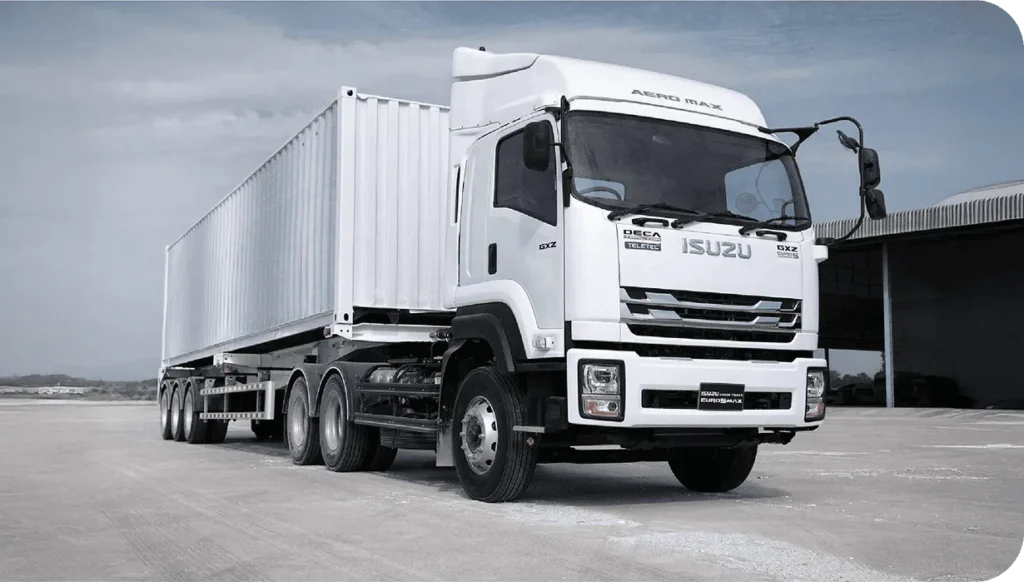
Logistics vehicles refer to transportation systems used to move goods throughout the supply chain. These vehicles handle everything from raw materials at production sites to finished products delivered to retail outlets. They are designed to carry cargo efficiently while meeting safety and regulatory requirements.
The logistics industry relies on a wide range of specialised vehicles depending on the type of cargo being transported. Some vehicles are built to handle heavy machinery and industrial materials, while others are designed for temperature controlled food transport or parcel delivery.
In many cases, logistics vehicles operate as part of a larger network that includes warehouses, shipping ports, airports, and rail terminals. This integration allows businesses to move goods seamlessly between different modes of transport.
As technology advances, logistics vehicles are becoming smarter and more efficient. Features such as GPS tracking, route optimisation software, and fleet management systems allow companies to monitor deliveries and improve operational efficiency.
Types of Logistics Vehicles Used in Supply Chains
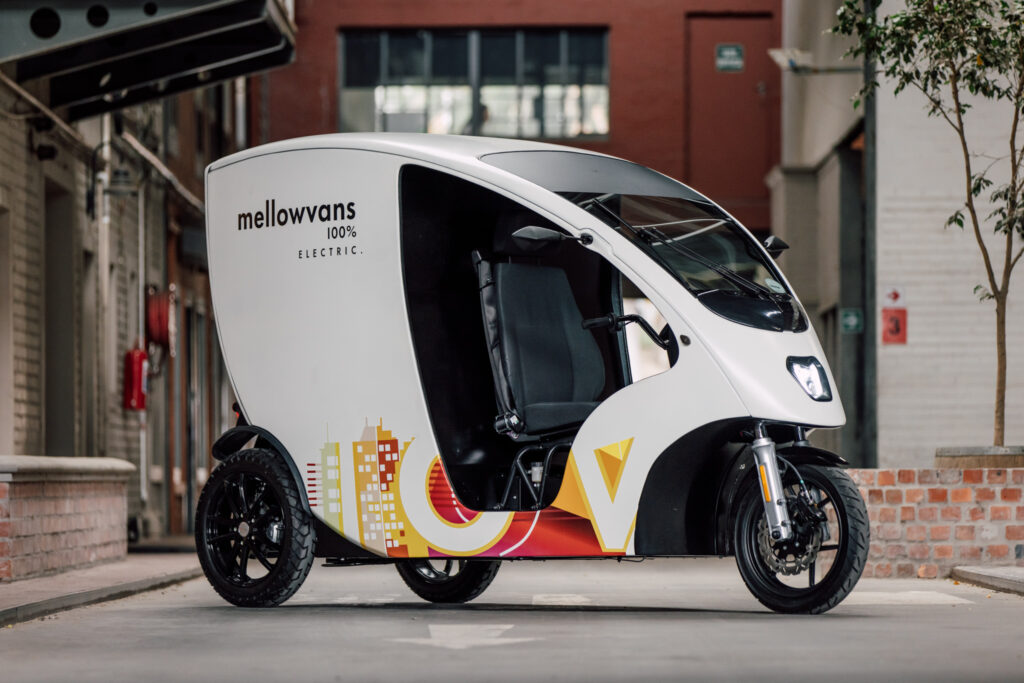
Different types of logistics vehicles are used depending on the cargo, distance, and transportation method. Each category serves a specific role within the global supply chain.
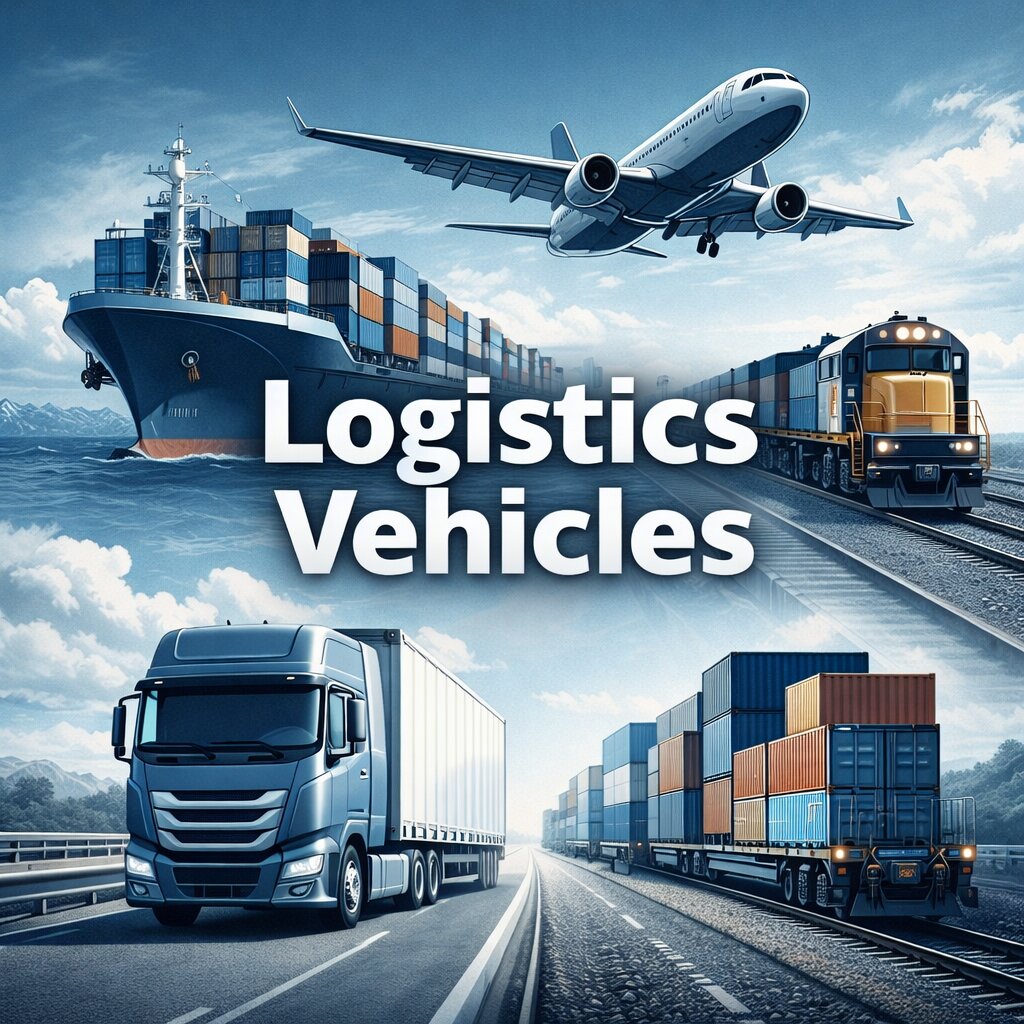
Common logistics vehicles include:
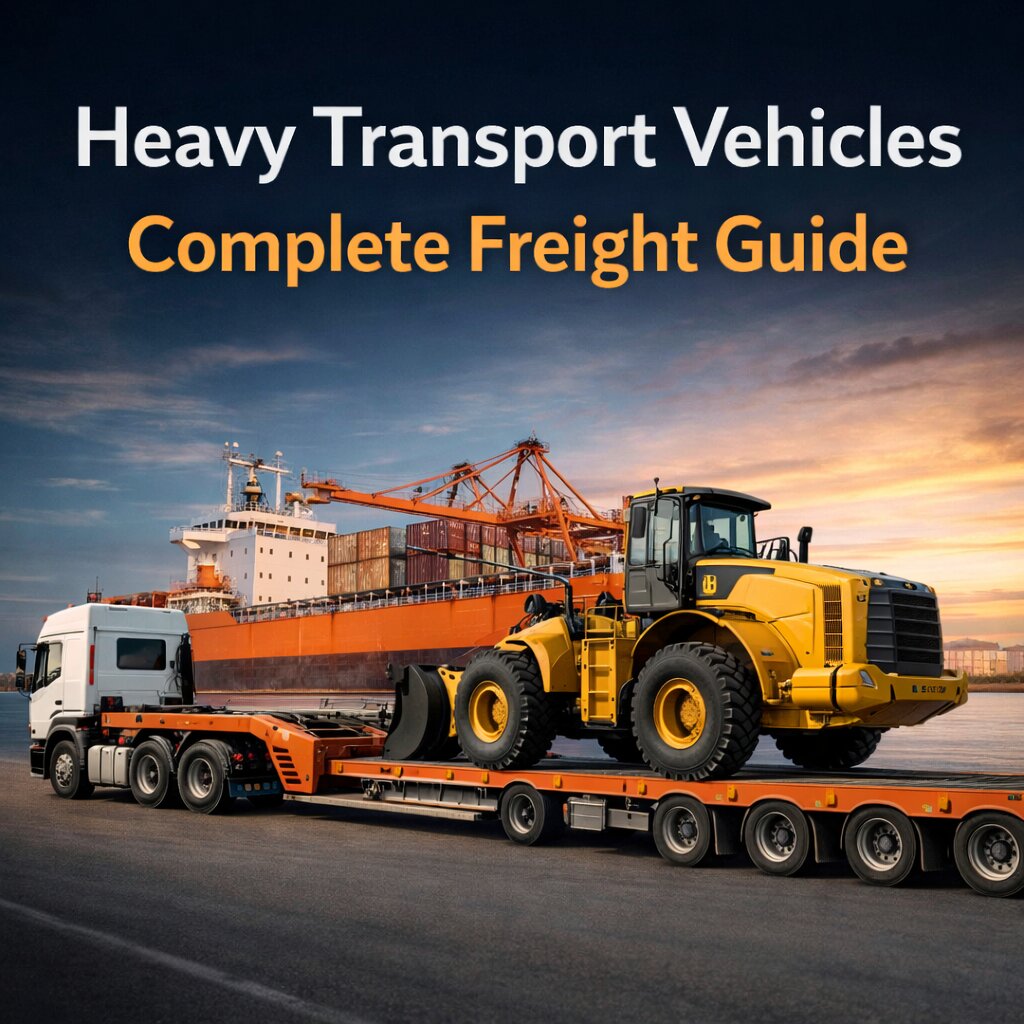
- Heavy freight trucks used for long distance road transport
- Delivery vans used for last mile logistics and local deliveries
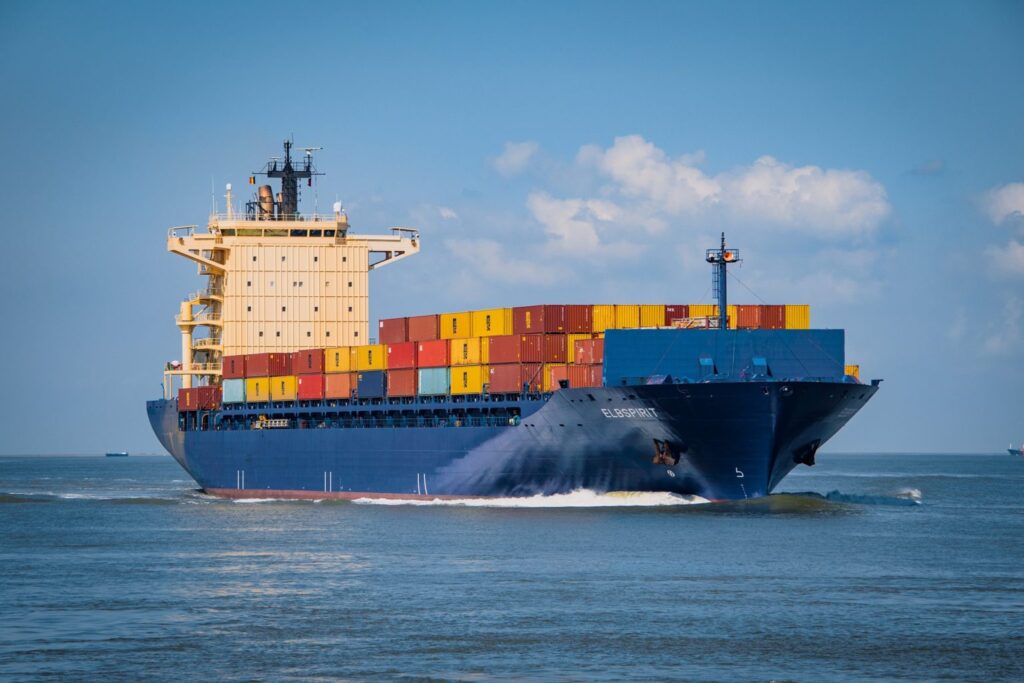
- Cargo ships transporting containers across international shipping routes
- Cargo aircraft carrying high value or time sensitive freight
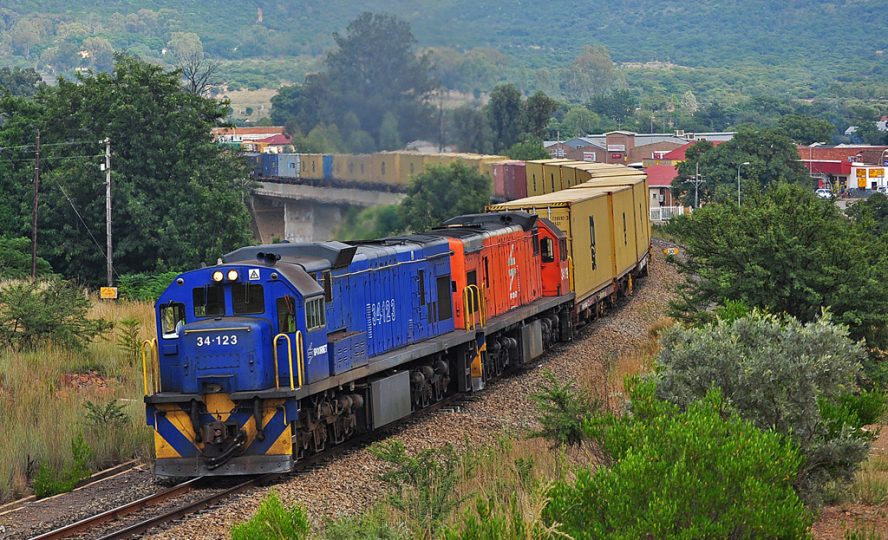
- Rail freight locomotives transporting bulk goods across large regions
- Refrigerated trucks used for food and temperature sensitive products
These vehicles work together to form interconnected transport networks. For example, goods arriving at a port by ship may be transferred to rail or road vehicles for inland distribution.
As global trade grows, the demand for specialised logistics vehicles continues to increase, particularly in industries requiring precise delivery schedules.
Leading Logistics Vehicle Brands in South Africa
South Africa has a strong commercial vehicle market that supports the country’s logistics and freight sectors. Several global manufacturers provide trucks and transport vehicles widely used across the country’s highways and distribution networks.
Companies such as Volvo Trucks, Scania, Mercedes Benz Trucks, MAN, and Isuzu dominate the heavy freight segment. These manufacturers are known for producing reliable trucks capable of handling long distance transport and demanding freight conditions.
For smaller delivery operations and urban logistics, brands such as Toyota, Ford, Nissan, and Hyundai supply light commercial vehicles and delivery vans. These vehicles are commonly used by courier companies and retail distributors.
The presence of these brands ensures that logistics companies in South Africa have access to modern vehicles designed for durability, fuel efficiency, and long operational lifespans.
How Logistics Vehicles Support the Supply Chain

Logistics vehicles serve as the moving link between production, storage, and consumption. Without reliable transport, goods would remain stuck at factories or ports, preventing businesses from reaching customers.
These vehicles ensure that products move efficiently through distribution networks. Raw materials can be transported to factories, finished goods can reach warehouses, and retail outlets can restock their shelves. Every stage of this process relies on transportation.
In large economies and developing markets alike, logistics vehicles also support regional trade and economic development. Efficient transport networks allow businesses to expand their reach and deliver products to wider markets.
Modern supply chains rely on precise coordination between different transport methods. Logistics vehicles play a central role in connecting these systems and keeping the flow of goods moving smoothly.
Technology Shaping Modern Logistics Vehicles
Technology is transforming how logistics vehicles operate across the world. Fleet management software allows companies to monitor vehicle locations, track fuel usage, and optimise delivery routes in real time.
Telematics systems installed in modern trucks provide valuable performance data. Companies can track driver behaviour, vehicle health, and maintenance requirements, helping reduce operational costs and improve safety.
Electric and hybrid commercial vehicles are also beginning to enter the logistics sector. These vehicles aim to reduce emissions while maintaining the cargo capacity required for freight operations.
Automation and advanced driver assistance systems are also emerging in the logistics industry. While fully autonomous freight transport is still developing, technology continues to improve safety and efficiency for logistics vehicles.
The Engines of Global Trade
Logistics vehicles are the unseen engines that keep global trade running. From container ships crossing oceans to delivery vans navigating city streets, these vehicles ensure that goods reach their destinations efficiently and reliably.
As industries continue to grow and supply chains become more complex, the importance of logistics vehicles will only increase. Businesses depend on reliable transportation networks to maintain productivity and meet consumer demand.
Understanding the role of logistics vehicles highlights just how essential these machines are to the functioning of modern economies and everyday life.