Types of Transport Vehicles: A Complete Guide to Modern Mobility
Understanding the types of transport vehicles is essential for anyone interested in how modern mobility systems function. From moving people in busy cities to transporting goods across vast distances, these vehicles form the foundation of global infrastructure.
In this guide, we explore the main types of transport vehicles and how each category supports everyday life, economic activity, and future innovation.
Public transport vehicles
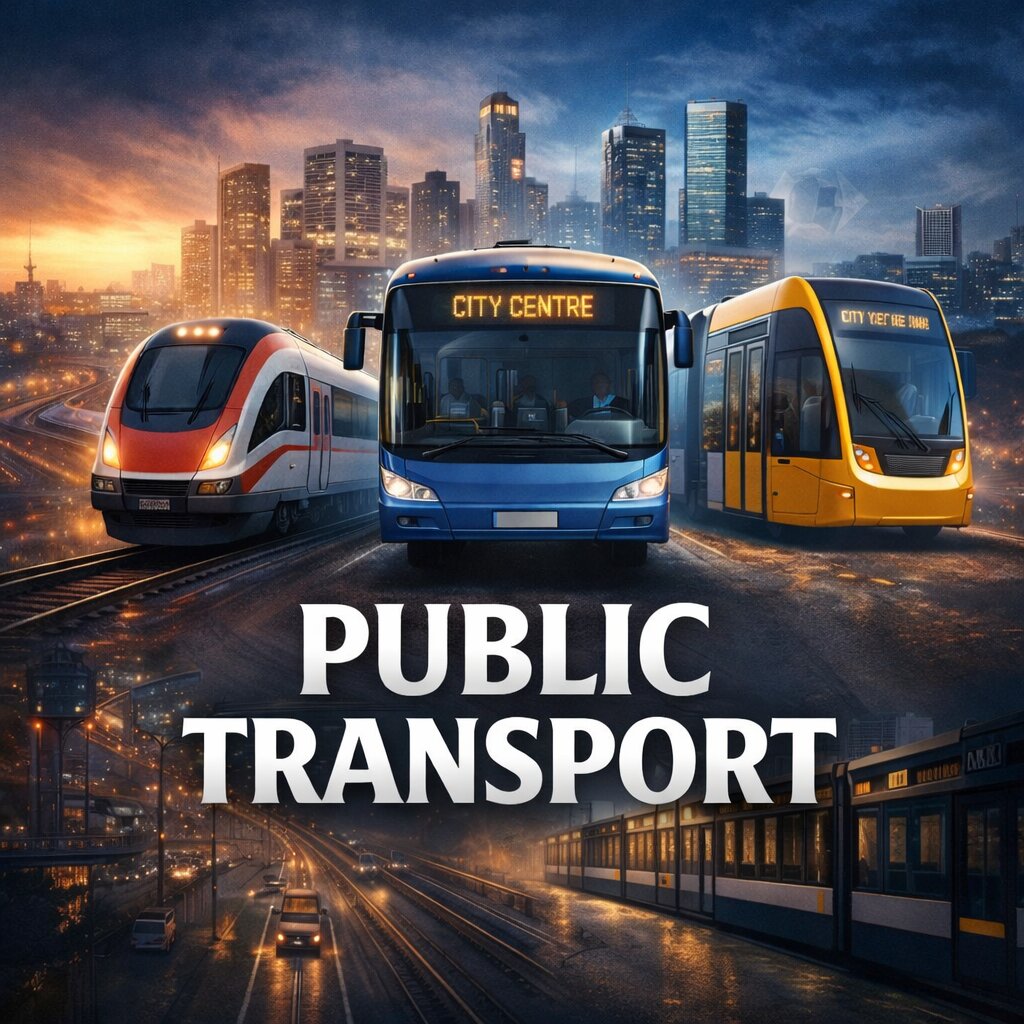
Public transport vehicles are designed to move large numbers of people efficiently and affordably. These include buses, minibuses, trams, and rail-based systems such as metros.
They play a key role in reducing congestion and emissions in urban areas. As one of the most widely used types of transport vehicles, public systems are essential for daily commuting in cities around the world.
Reliable public transport improves accessibility and helps support growing populations in urban environments.
Private transport vehicles
Private transport vehicles are owned and used by individuals for personal travel. This category includes cars, motorcycles, scooters, and bicycles.
These vehicles offer flexibility and convenience, allowing users to travel according to their own schedules. Among the different types of transport vehicles, private options remain the most common globally.
However, increased reliance on private mobility also contributes to traffic congestion and environmental concerns.
Commercial transport vehicles
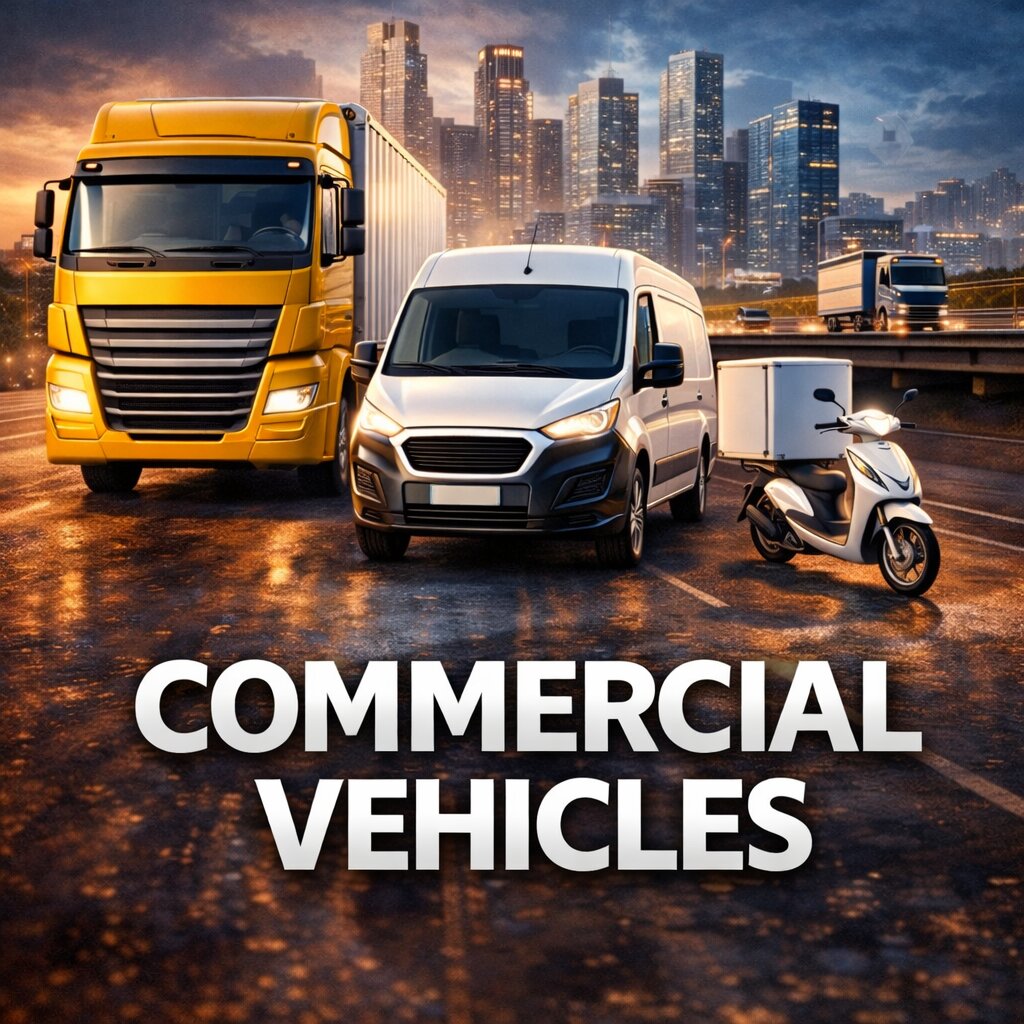
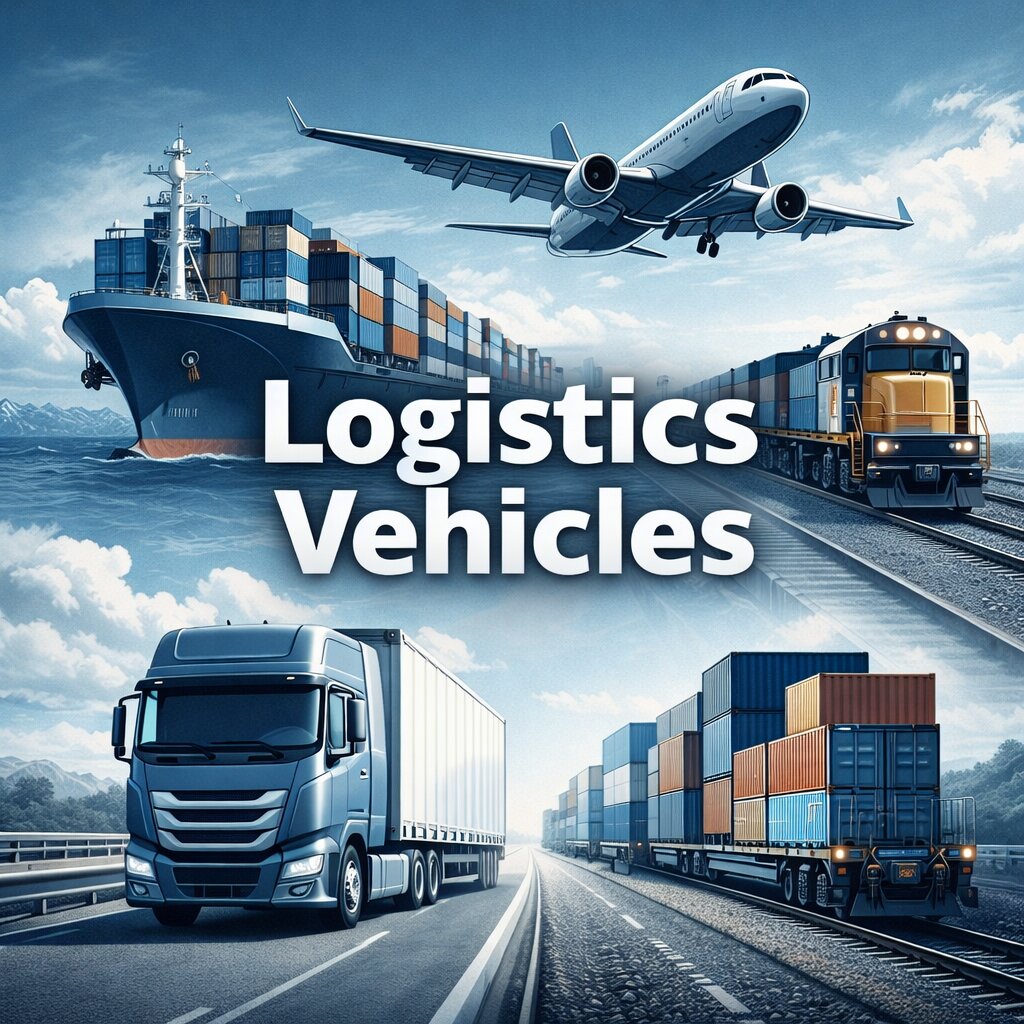
Commercial transport vehicles are used to support business operations, particularly in moving goods and materials. This category includes delivery vans, trucks, tankers, and specialised fleet vehicles.
These vehicles are built for durability and efficiency, making them essential for supply chains and logistics networks. As one of the most critical types of transport vehicles, they ensure that products reach businesses and consumers on time.
Without commercial transport, modern economies would struggle to operate effectively.
Urban transport vehicles
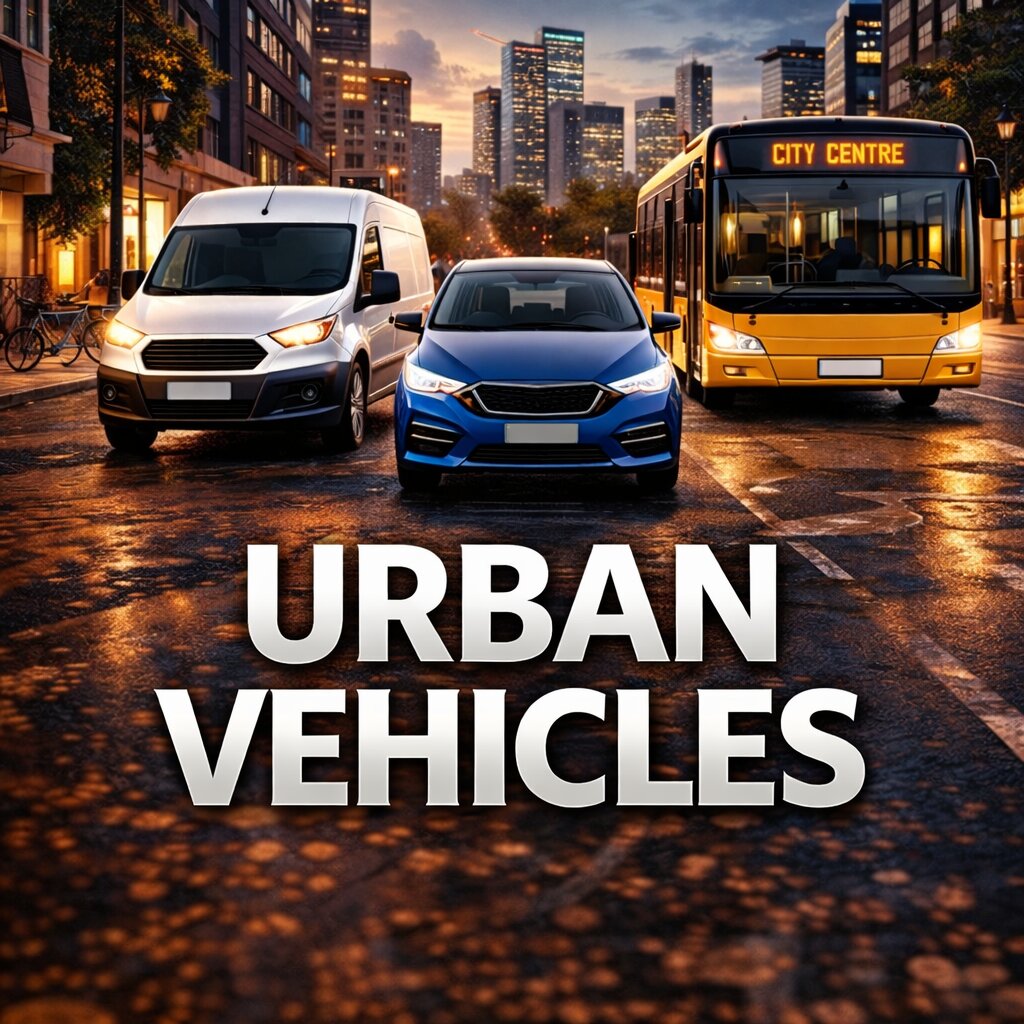
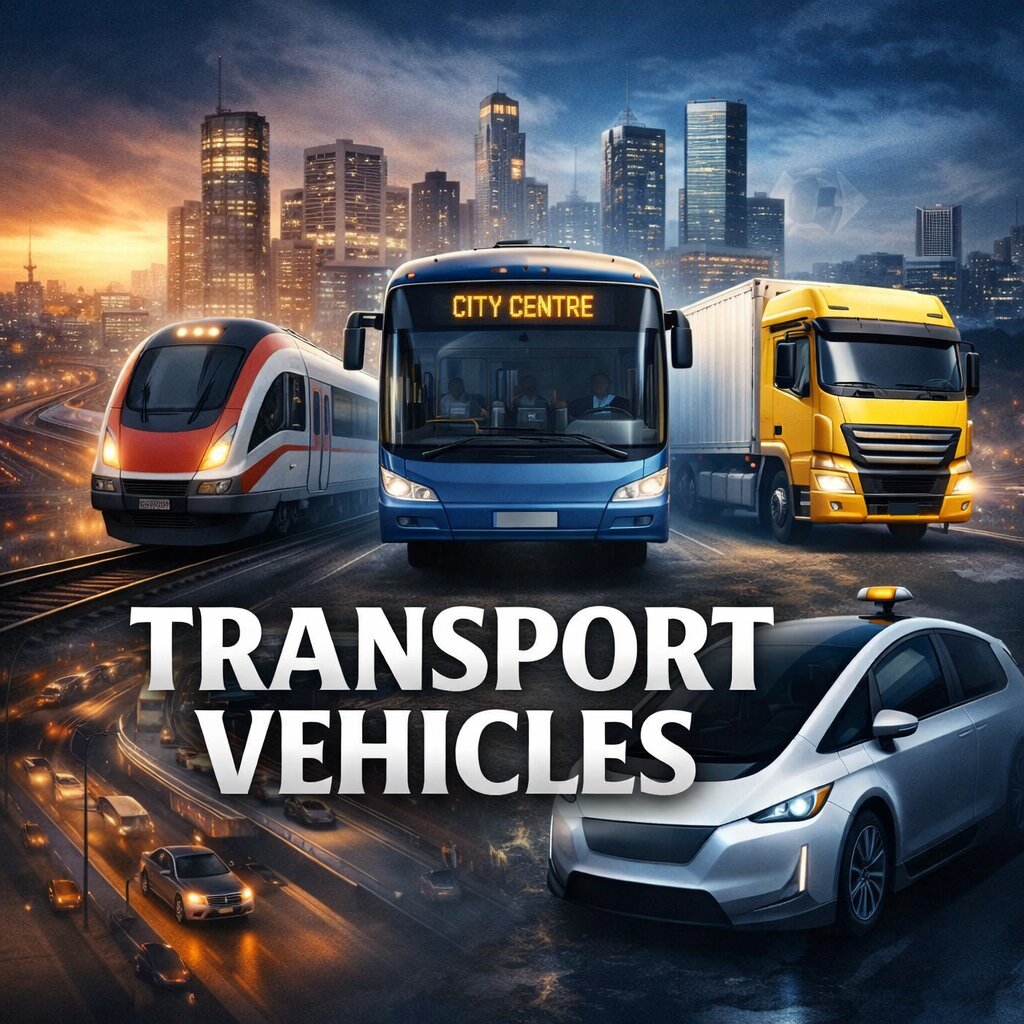
Urban transport vehicles are designed specifically for city environments. They are typically compact, efficient, and suited to short-distance travel in high-traffic areas.
Examples include small cars, buses, bicycles, and e-scooters. These types of transport vehicles are essential for navigating dense urban spaces.
Cities are increasingly adopting cleaner and smarter urban mobility solutions to improve sustainability and reduce congestion.
Intercity transport vehicles
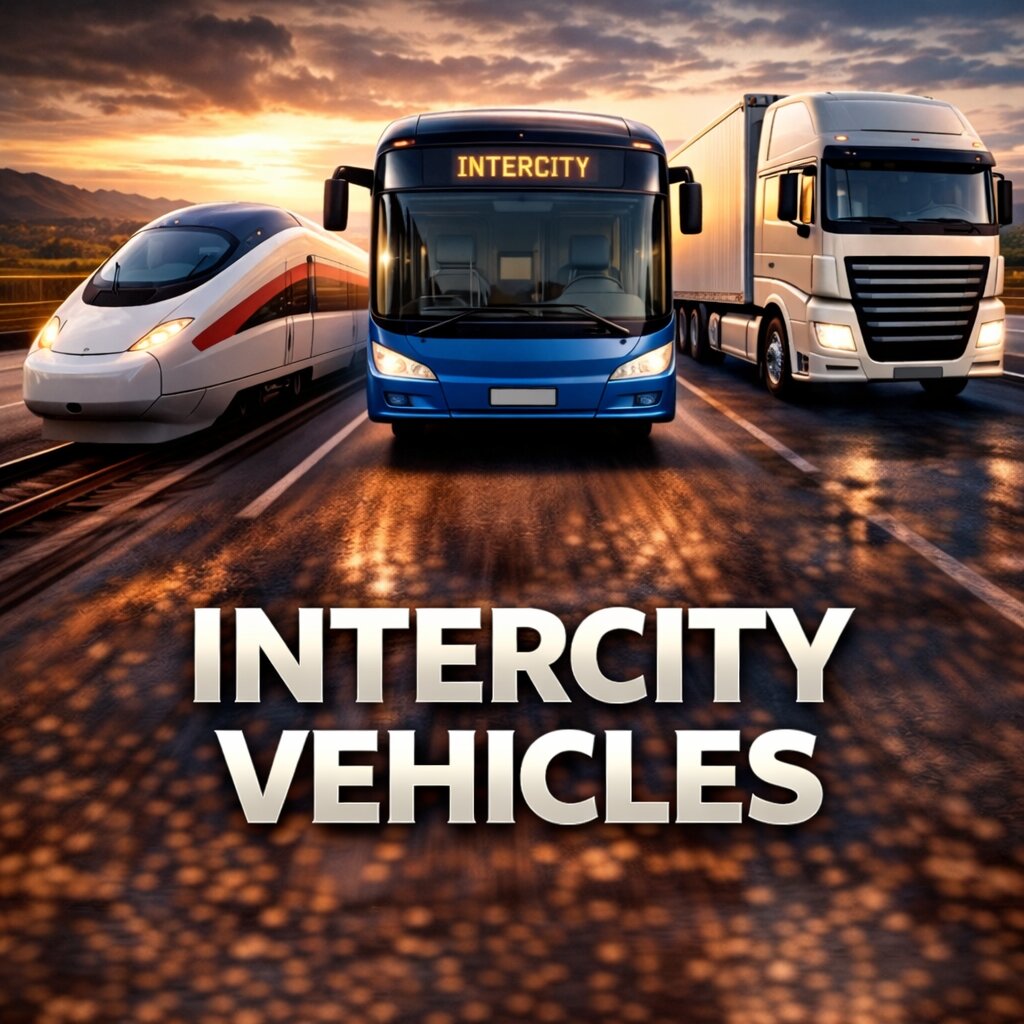
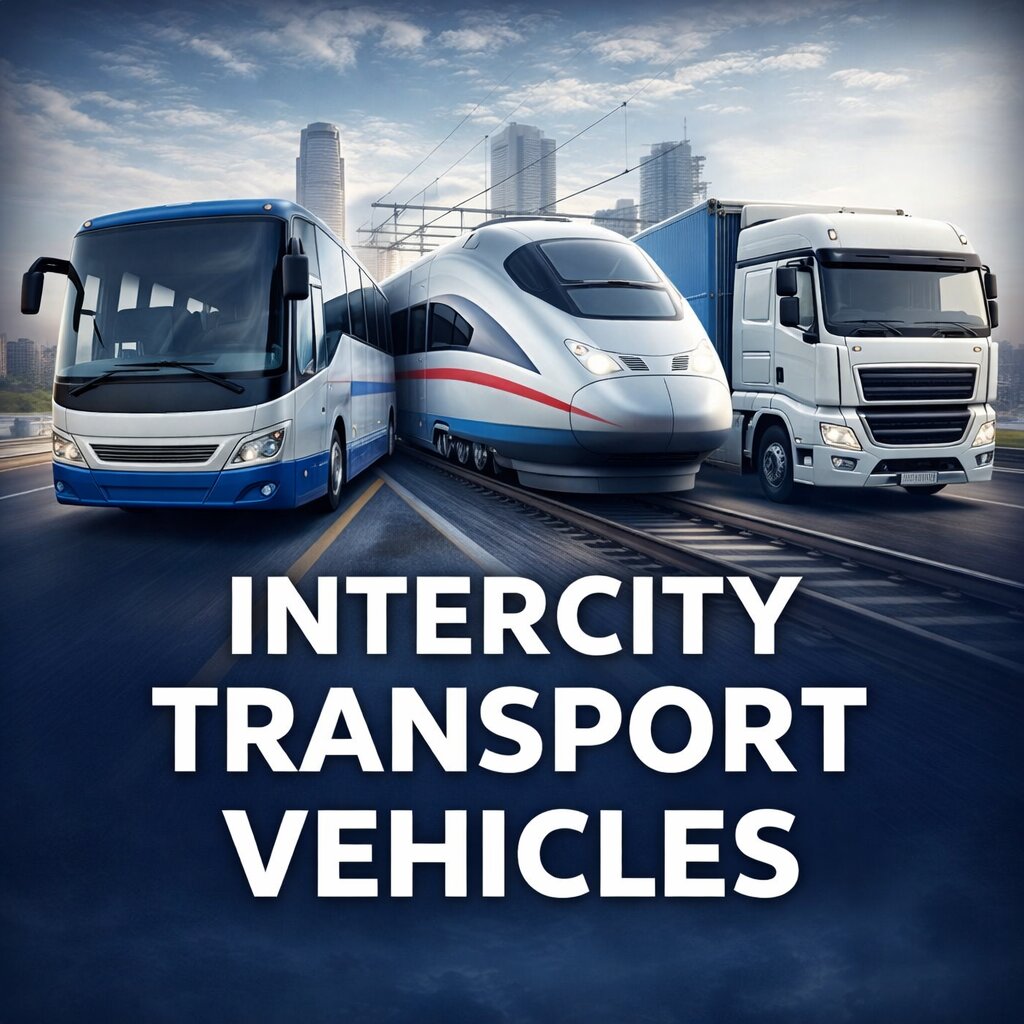
Intercity transport vehicles connect cities and regions, enabling both passenger travel and freight movement over longer distances.
This category includes long-distance buses, coaches, freight trucks, and high-speed trains. These vehicles are built for comfort and endurance, making them ideal for extended journeys.
They form a vital part of the broader types of transport vehicles used to maintain regional and national connectivity.
Rail transport vehicles
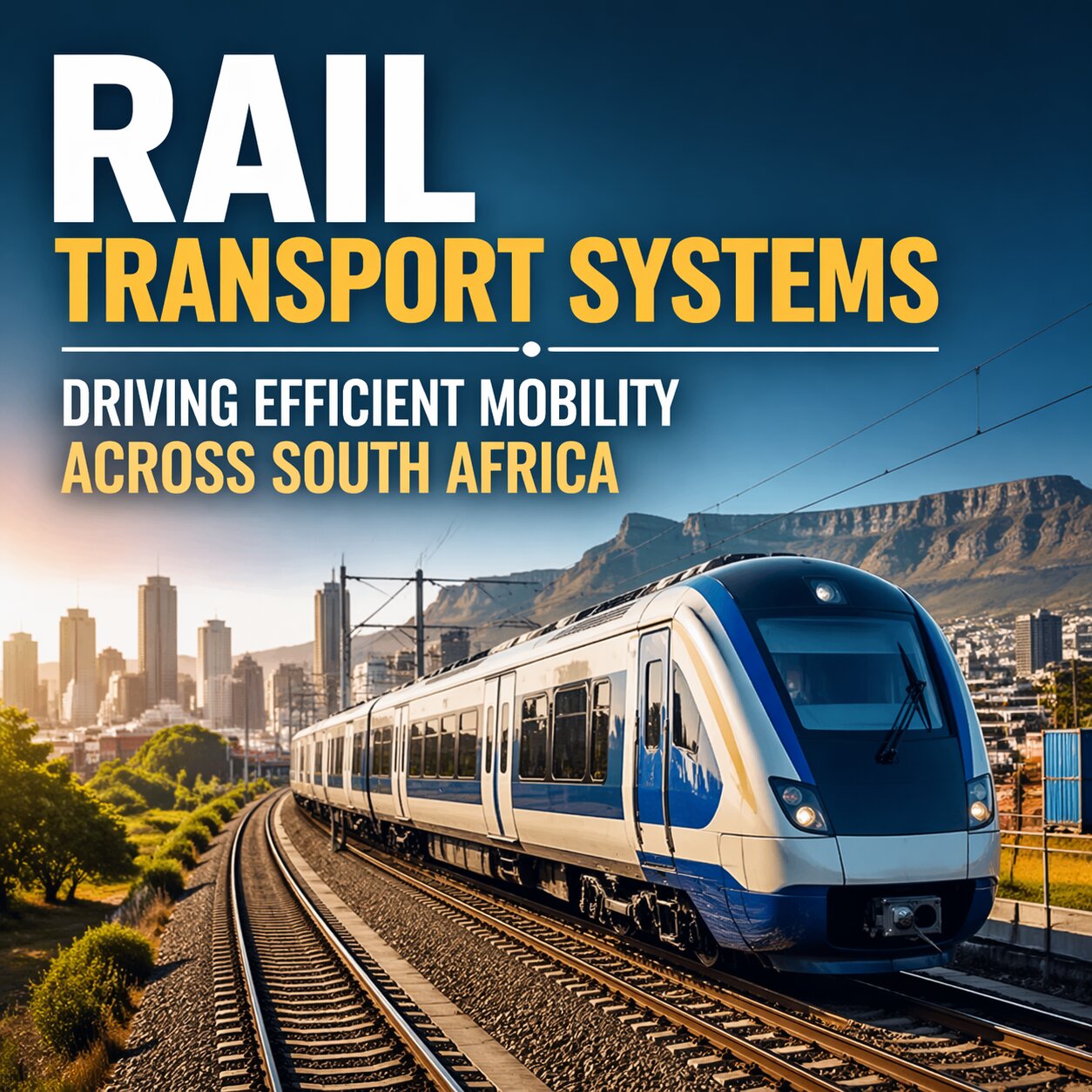
Rail transport vehicles operate on fixed tracks and are known for their efficiency and capacity. This category includes commuter trains, high-speed rail systems, and freight locomotives.
Rail systems are often more energy-efficient than road transport, making them a sustainable option. Among the various types of transport vehicles, rail plays a major role in long-distance travel and bulk freight movement.
They are especially effective for transporting large volumes with minimal environmental impact.
Support transport vehicles
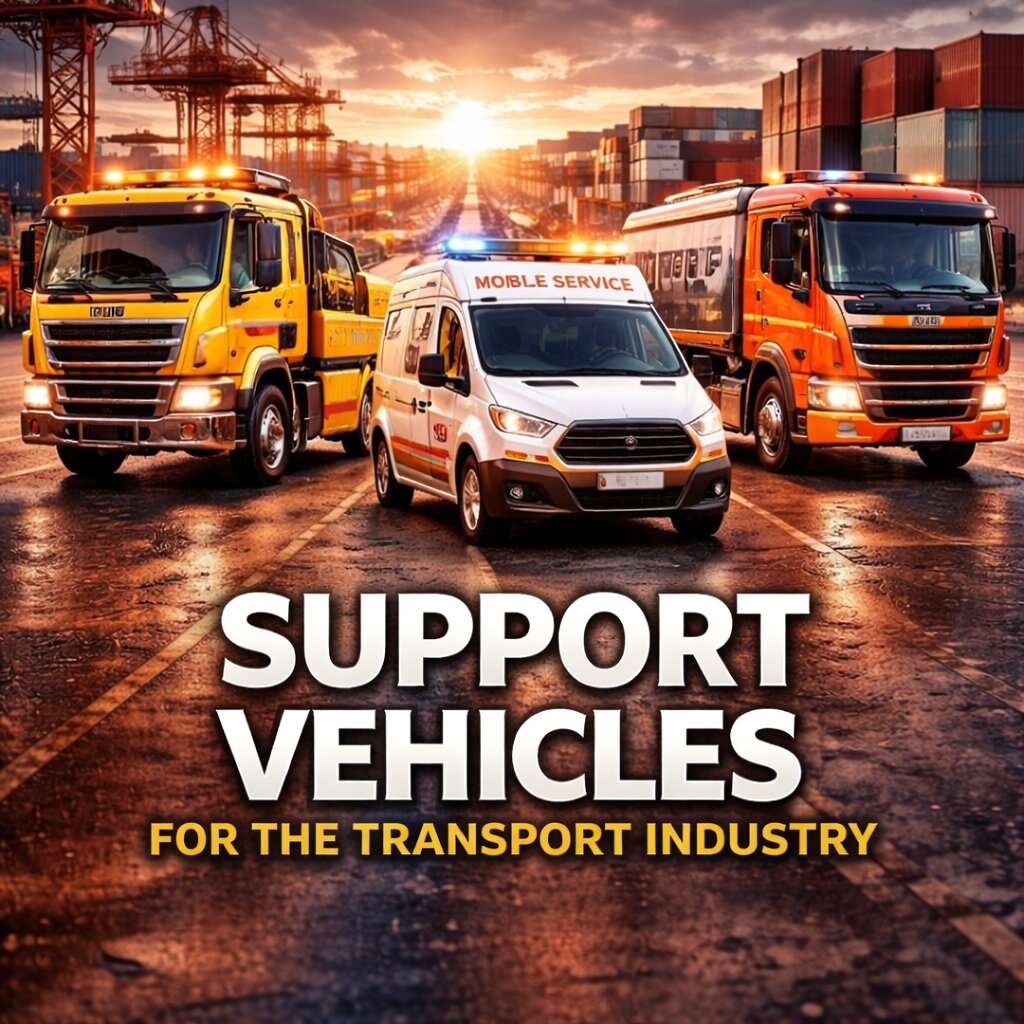
Support transport vehicles help maintain and sustain the wider transport network. These vehicles do not always carry passengers or cargo directly but are essential for operations.
Examples include tow trucks, service vans, fuel tankers, and maintenance vehicles. These types of transport vehicles ensure that systems remain functional and efficient.
Without them, breakdowns and disruptions would significantly impact mobility systems.
Autonomous transport vehicles
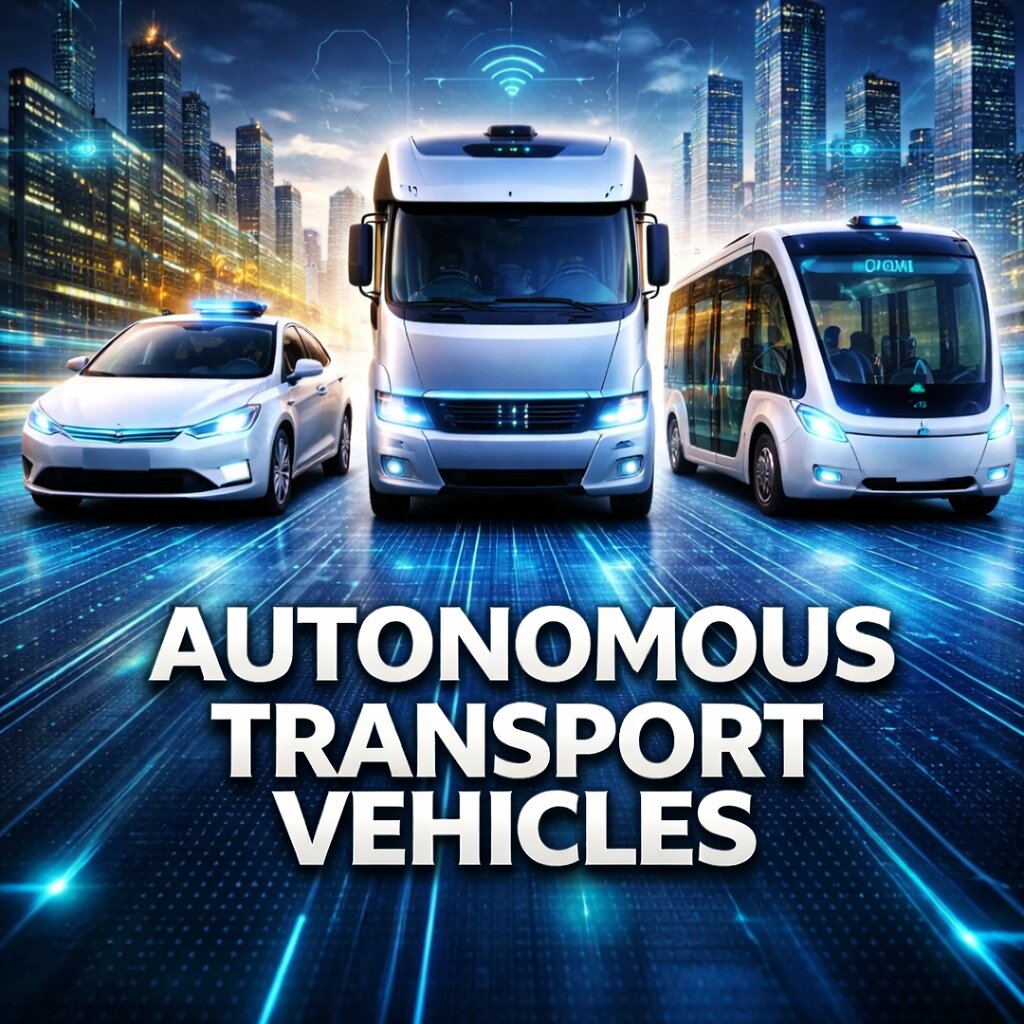
Autonomous transport vehicles represent the next generation of mobility. These vehicles use artificial intelligence and advanced sensors to operate with minimal human input.
Examples include self-driving cars, delivery vehicles, and driverless buses. These emerging types of transport vehicles aim to improve safety and efficiency.
As technology evolves, autonomous systems are expected to play a major role in shaping future transport networks.
The evolving world of transport
The wide range of types of transport vehicles reflects the complexity of modern mobility systems. Each category serves a unique purpose, from daily commuting to global logistics.
As innovation continues, the types of transport vehicles we rely on will become smarter, cleaner, and more efficient, shaping the future of transportation worldwide.