Intercity Transport Vehicles: Connecting Cities with Efficiency and Speed
Modern economies rely heavily on intercity transport vehicles to connect people, goods, and opportunities across regions. These vehicles form the backbone of mobility between cities, enabling trade, tourism, and daily commuting on a much larger scale than urban transport systems.
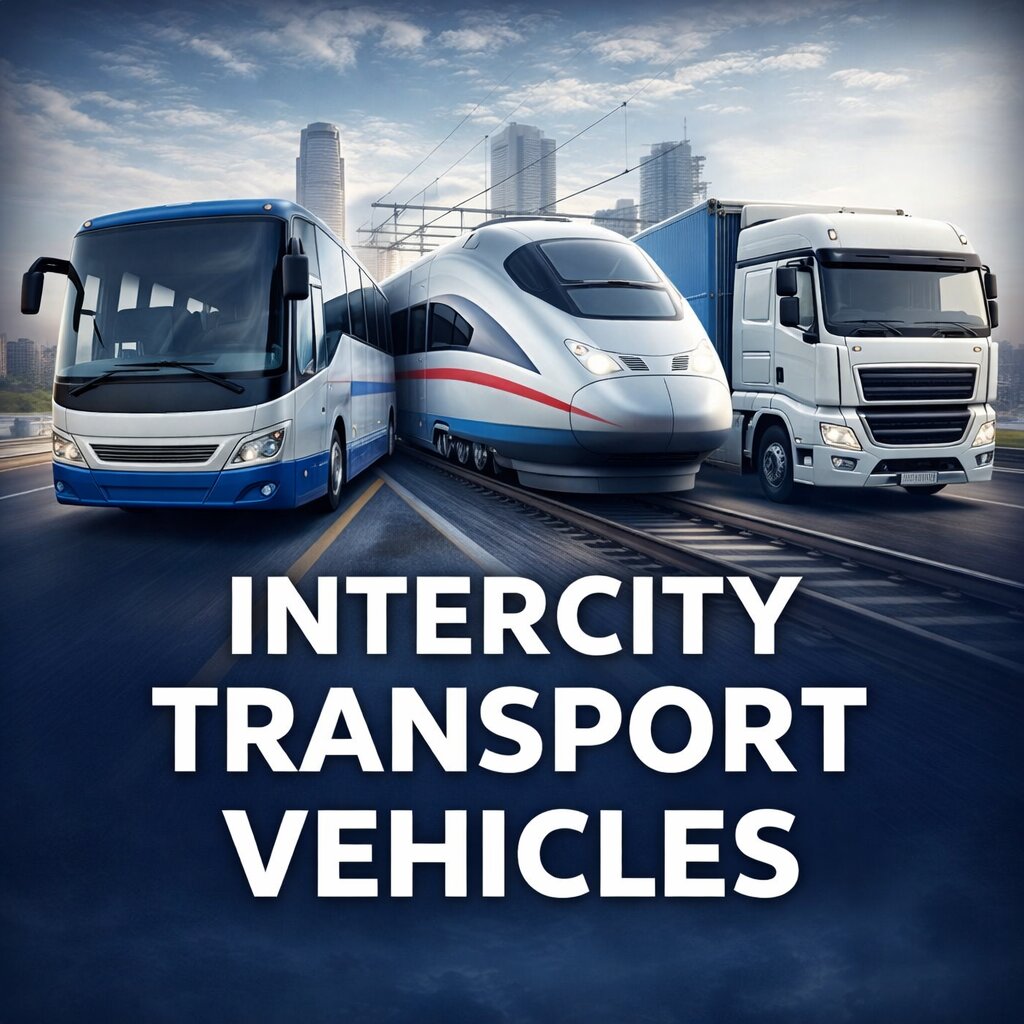
From buses and trains to long-haul trucks and private coaches, intercity transport vehicles are designed for distance, comfort, and efficiency. They operate across highways, rail networks, and dedicated transport corridors, ensuring that movement between cities remains smooth and reliable.
As infrastructure improves and demand grows, these vehicles continue to evolve. Today, they are not only faster and more efficient but also increasingly focused on sustainability, safety, and passenger experience.
Types of Intercity Transport Vehicles
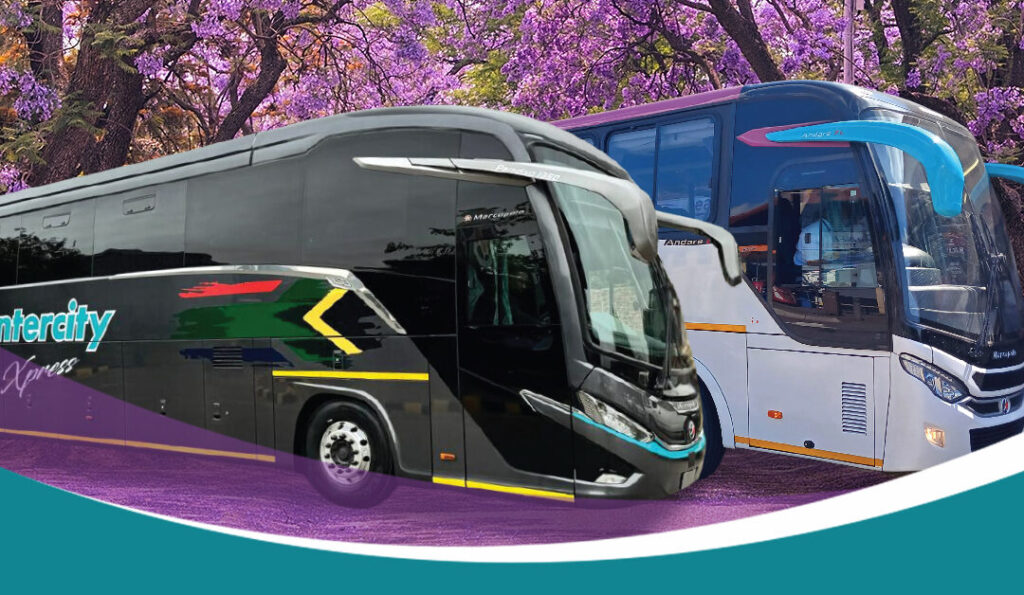
There is a wide range of intercity transport vehicles, each designed to meet specific transport needs across distances. These vehicles vary in size, capacity, and purpose, but all share a common goal of connecting cities effectively.
Intercity buses are among the most common options, offering affordable and flexible travel for passengers. They operate on scheduled routes and are often equipped with modern comforts such as reclining seats and onboard amenities.
Rail transport plays a major role as well. Trains provide high-capacity, energy-efficient travel between cities, with high-speed rail systems in some regions dramatically reducing travel times.
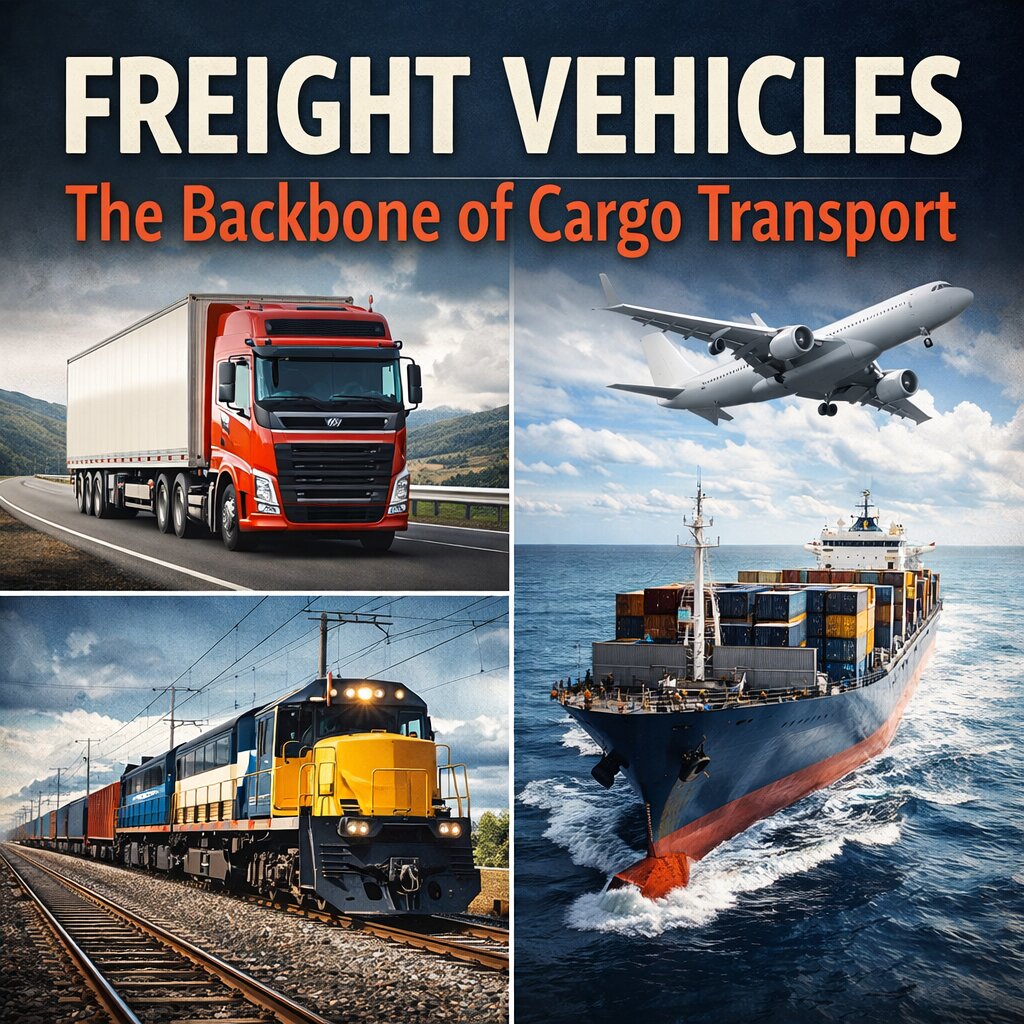
Freight transport is equally important. Long-haul trucks form a critical part of the logistics chain, ensuring that goods move efficiently between cities, ports, and industrial hubs.
Key Features of Modern Intercity Transport Vehicles
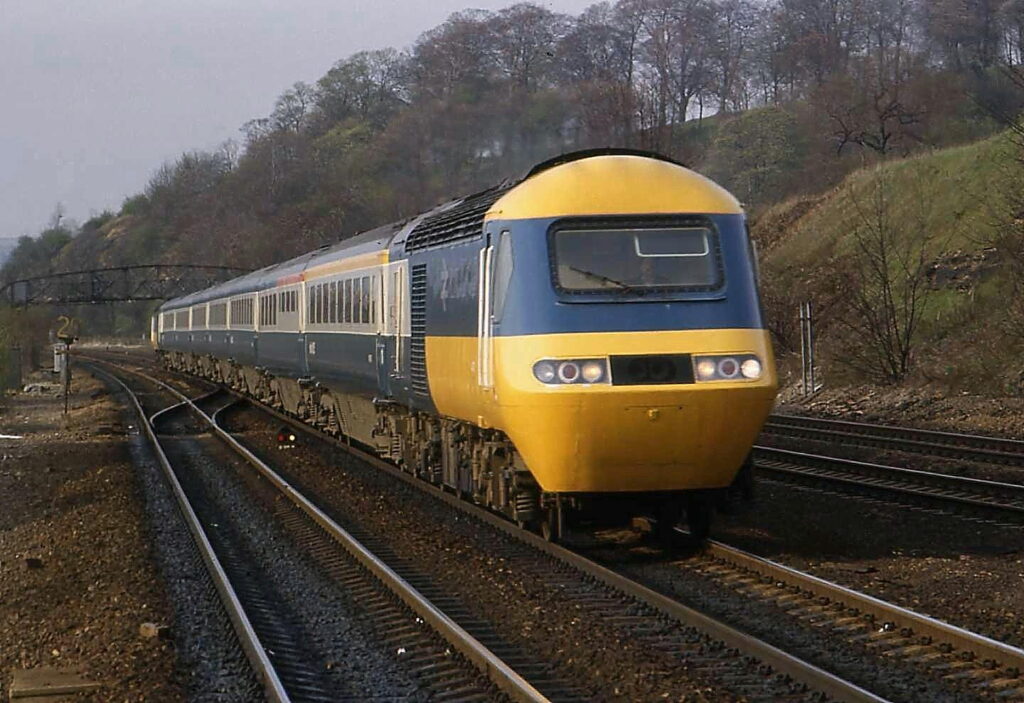
Today’s intercity transport vehicles are designed with both performance and passenger experience in mind. Manufacturers and operators are constantly improving these vehicles to meet rising expectations.
Comfort is a major focus, especially for passenger vehicles. Features such as climate control, ergonomic seating, and onboard entertainment systems help make long journeys more enjoyable.
Safety has also seen significant advancements. Modern vehicles include advanced braking systems, driver assistance technologies, and improved structural design to protect passengers and cargo.
Efficiency is another key factor. Fuel-efficient engines, aerodynamic designs, and optimised routing systems help reduce operational costs while minimising environmental impact.
Benefits of Intercity Transport Vehicles
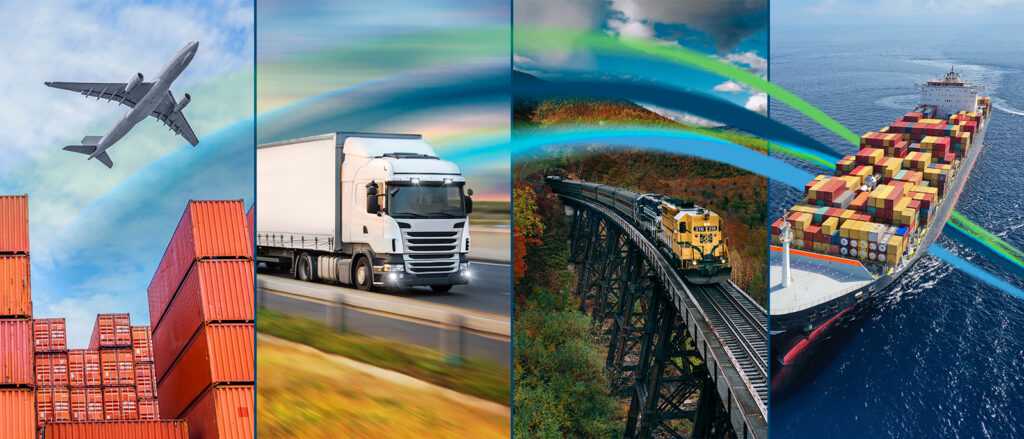
The importance of intercity transport vehicles extends far beyond simple travel. These vehicles play a vital role in economic growth and regional development.
- They connect cities, enabling easier movement of people and goods
- They support tourism by making destinations more accessible
- They reduce travel time compared to traditional methods
- They create jobs across transport, logistics, and infrastructure sectors
- They improve access to services such as healthcare and education
These benefits highlight why intercity transport vehicles remain essential to both developed and emerging economies.
The Future of Intercity Transport Vehicles
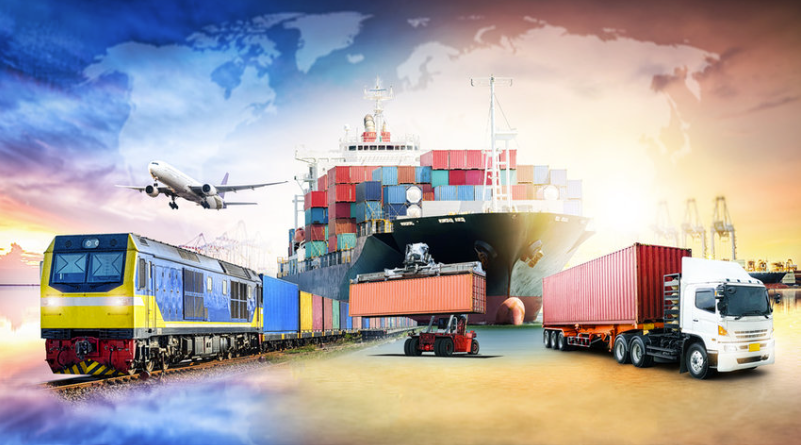
The future of intercity transport vehicles is being shaped by innovation and sustainability. Governments and private companies are investing in new technologies to improve efficiency and reduce environmental impact.
Electric and hybrid vehicles are becoming more common, especially in bus and freight transport sectors. These options help lower emissions while maintaining performance.
Smart transport systems are also emerging, using data and connectivity to optimise routes, reduce congestion, and improve overall efficiency.
In addition, infrastructure development continues to play a key role. Better roads, rail networks, and transport hubs will further enhance the capabilities of intercity transport vehicles in the years to come.
Driving the Future of Connected Travel
As cities grow and economies expand, intercity transport vehicles will remain at the heart of connectivity. They are more than just modes of transport. They are lifelines that link communities, industries, and opportunities.
With continuous innovation and investment, these vehicles will become even more efficient, sustainable, and accessible. The journey between cities is no longer just about distance. It is about speed, comfort, and the seamless movement of people and goods.
Stay tuned as we continue exploring the vehicles that keep South Africa and the world moving forward.