Reconnaissance Military Vehicles: Eyes and Ears on the Battlefield
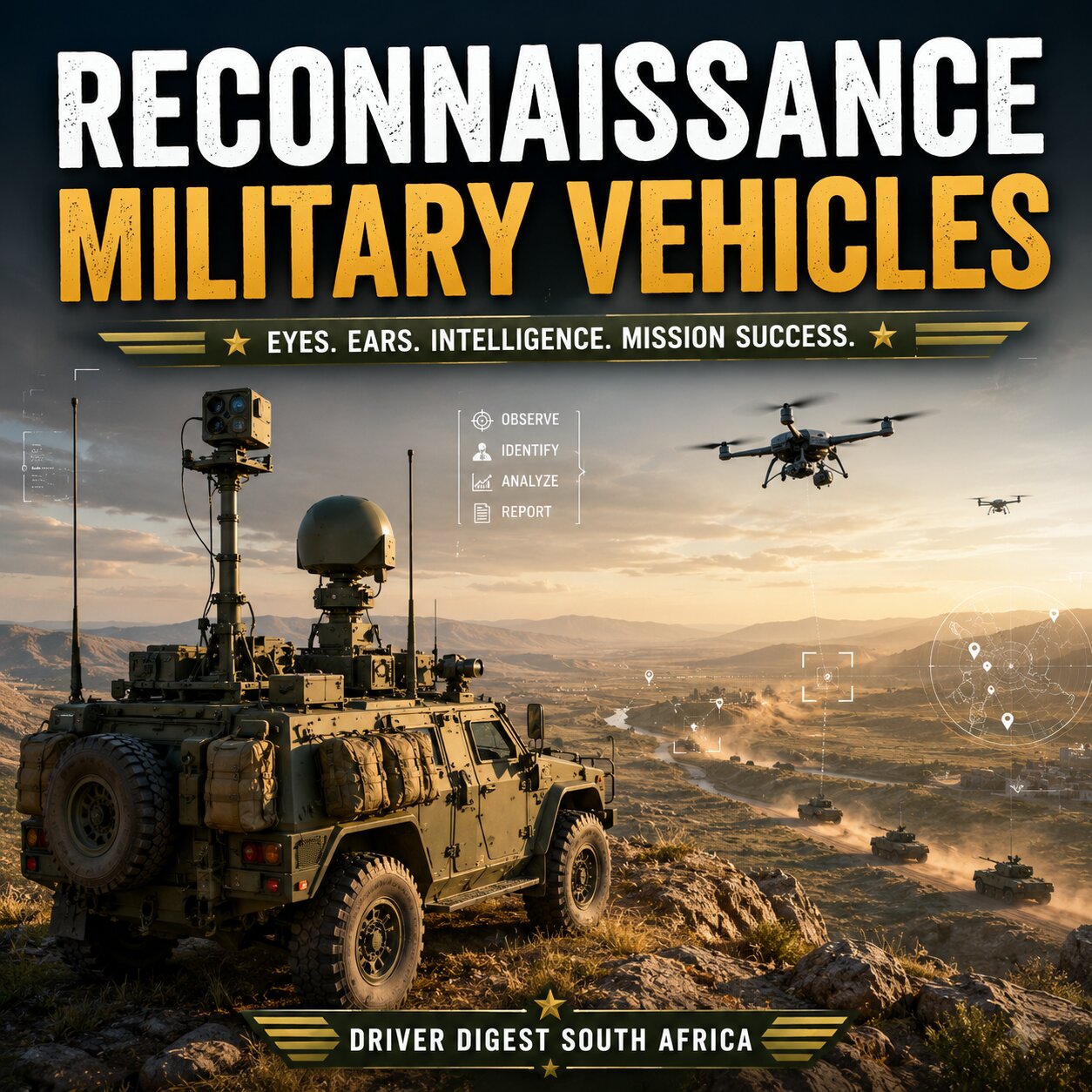
Reconnaissance military vehicles play a critical role in modern armed forces by gathering information before combat units engage with the enemy. These specialised vehicles are designed to move quickly, observe hostile activity, identify threats, and provide commanders with real-time intelligence. Without reconnaissance military vehicles, military operations would often proceed with limited knowledge of the terrain, enemy positions, and potential dangers.
Throughout history, armies have relied on scouts and observation units to gather intelligence. Today, reconnaissance military vehicles combine mobility, protection, advanced sensors, communications systems, and surveillance equipment to perform these tasks more effectively than ever before.
As military technology continues to evolve, reconnaissance military vehicles are becoming increasingly sophisticated. They now operate across a wide range of environments, from deserts and forests to urban battlefields and mountainous regions, helping military forces make informed tactical and strategic decisions.
The purpose of reconnaissance military vehicles
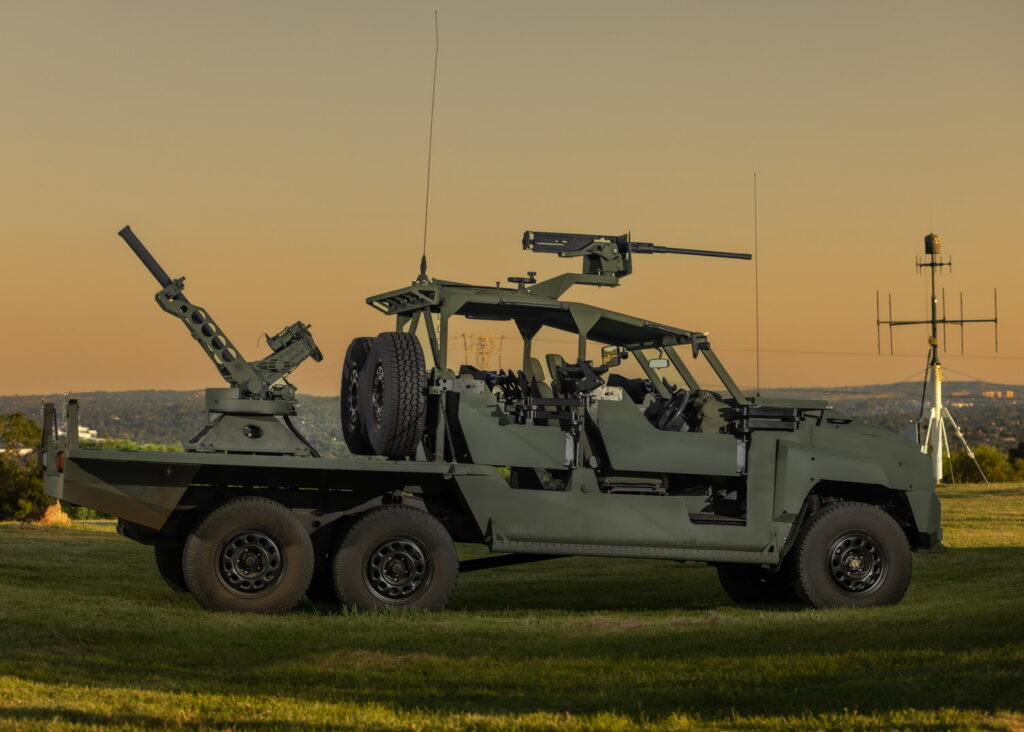
The primary role of reconnaissance military vehicles is to collect information while avoiding direct engagement whenever possible. Their mission focuses on observation rather than combat, although many are equipped with defensive weapons if required.
Reconnaissance military vehicles are often deployed ahead of larger formations to identify enemy positions, monitor movements, and assess battlefield conditions. This intelligence allows commanders to adjust plans and avoid unnecessary risks.
These vehicles are also used to survey routes, identify obstacles, locate ambush positions, and monitor infrastructure such as bridges and roads. Their findings can significantly influence the success of military operations.
Modern reconnaissance military vehicles frequently share information instantly through advanced communications networks. This enables military leaders to make faster decisions and coordinate forces more effectively.
Key features that define reconnaissance military vehicles
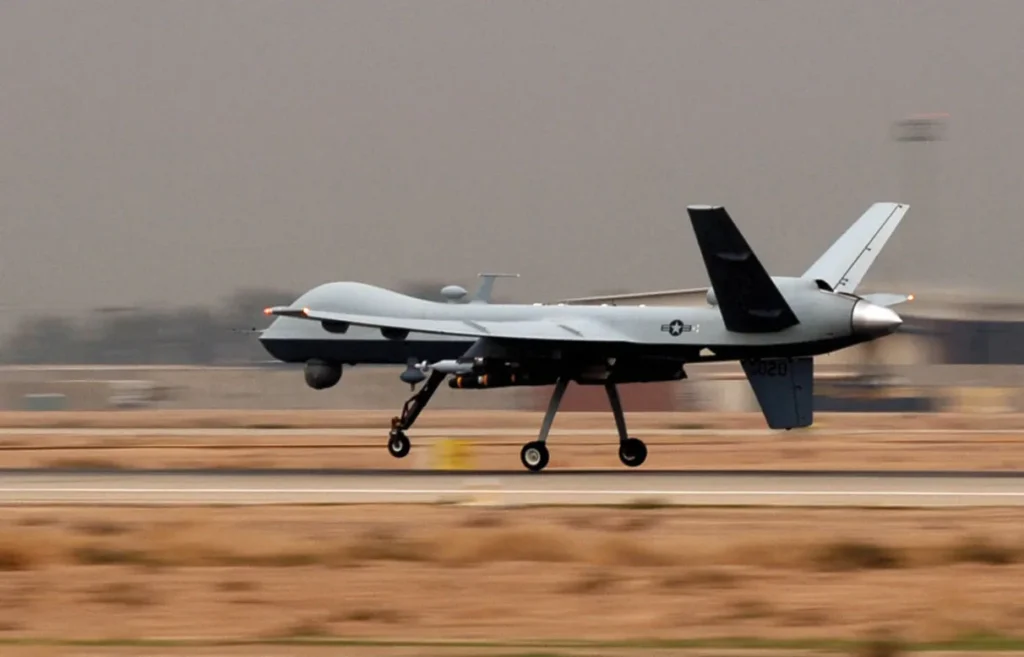
Reconnaissance military vehicles differ from other military vehicles because they prioritise information gathering and mobility.
Speed is one of their most important characteristics. Reconnaissance units often need to move rapidly between observation points while avoiding detection.
Advanced sensors are another defining feature. Thermal imaging systems, radar equipment, night-vision devices, laser rangefinders, and high-resolution cameras allow reconnaissance military vehicles to operate in various weather and lighting conditions.
Protection remains important, although military reconnaissance vehicles are generally lighter than main battle tanks. Armour is designed to protect crews from small arms fire, shrapnel, and light threats while maintaining mobility.
Communications systems allow reconnaissance teams to transmit intelligence directly to command centres and frontline units, ensuring information reaches decision-makers quickly.
Types of reconnaissance military vehicles
Several categories of military reconnaissance vehicles are used by armed forces around the world.
- Armoured reconnaissance vehicles designed for battlefield scouting.
- Light reconnaissance vehicles focused on speed and mobility.
- Long-range patrol vehicles for extended missions.
- Reconnaissance variants of infantry fighting vehicles.
- Electronic reconnaissance vehicles that monitor communications and signals.
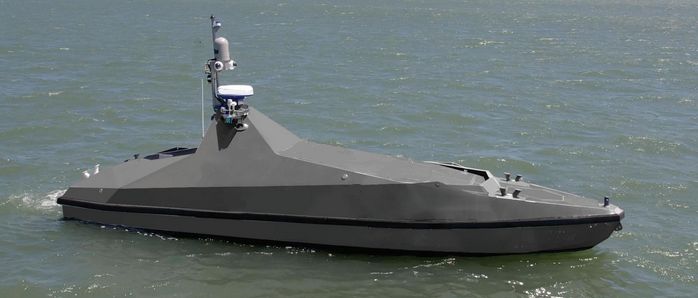
- Unmanned reconnaissance vehicles operated remotely.
- Amphibious reconnaissance vehicles for coastal and river operations.
Each type of reconnaissance military vehicle is developed to suit specific operational requirements and environmental conditions.
How technology is changing battlefield reconnaissance
Modern reconnaissance military vehicles are benefiting from significant technological advancements. Digital systems have dramatically improved how information is gathered, analysed, and distributed.
Artificial intelligence is increasingly being used to identify potential threats and process large amounts of surveillance data. This allows military personnel to focus on decision-making rather than sorting through raw information.
Drones frequently operate alongside reconnaissance military vehicles, extending their surveillance range and providing aerial views of the battlefield. This combination offers commanders a more complete picture of operational environments.
Satellite communications and integrated battlefield networks have also transformed reconnaissance operations. Information gathered by reconnaissance military vehicles can now be shared across multiple units almost instantly.
As autonomous technology develops, future military reconnaissance vehicles may operate with reduced crew requirements or function entirely without onboard personnel in particularly dangerous environments.
Supporting military operations around the world
Reconnaissance military vehicles remain among the most valuable assets available to modern armed forces. By gathering critical intelligence and improving battlefield awareness, they help reduce uncertainty and support better decision-making at every level of military operations.
Their combination of mobility, advanced sensors, communications technology, and survivability allows military commanders to understand evolving situations before committing larger forces. Whether operating in peacekeeping missions, border security roles, or large-scale conflicts, reconnaissance military vehicles continue to serve as the eyes and ears of military organisations around the world.
As defence technology advances, reconnaissance military vehicles will become even more capable, ensuring they remain an essential part of military operations for decades to come.