Types of Construction Vehicles
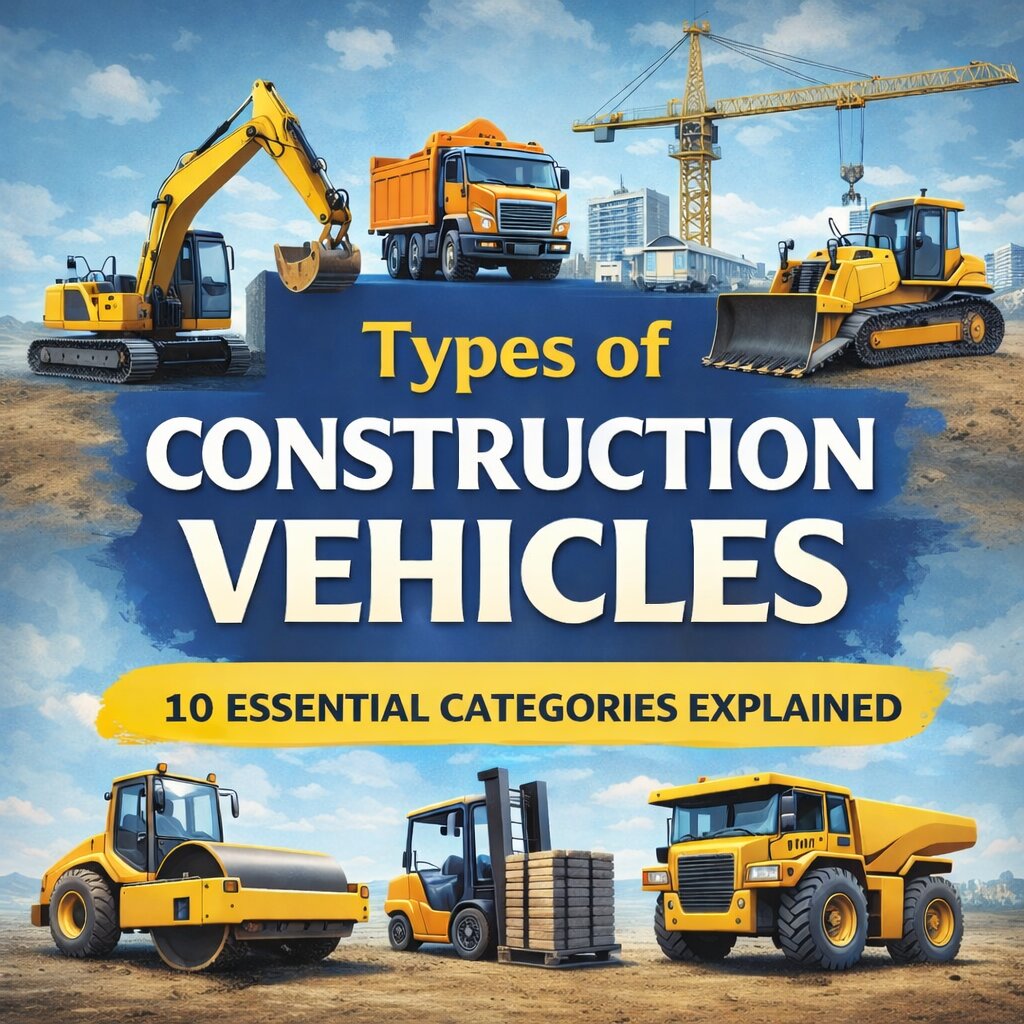
Modern construction sites depend on a wide range of specialised machinery to complete projects efficiently, safely, and on schedule. From early ground preparation to finishing work and future-forward automation, understanding the types of construction vehicles used across different stages of construction provides valuable insight into how large-scale infrastructure and building projects come together.
Each category of construction vehicle is designed with a specific purpose in mind, ensuring that tasks such as excavation, hauling, paving, and surveying are carried out with precision and efficiency.
Table of Contents
Excavation vehicles

Excavation vehicles are among the most recognisable types of construction vehicles, playing a vital role during the initial stages of most projects. These machines are used to dig trenches, remove soil, and prepare foundations for buildings, roads, pipelines, and drainage systems.
Excavators, backhoe loaders, and trenchers are commonly used excavation vehicles, offering a combination of reach, digging power, and control. Their ability to operate in confined spaces makes them indispensable on urban sites, while larger models handle deep and heavy excavation tasks in large-scale developments.
Earthmoving vehicles

Earthmoving vehicles focus on relocating massive volumes of earth, rock, and debris across construction sites. As key types of construction vehicles, they are essential for reshaping landscapes, creating embankments, levelling terrain, and preparing sites for structural work.
Bulldozers, scrapers, and motor graders dominate this category, offering immense pushing power and stability. These vehicles are often used in road construction, mining operations, and large civil engineering projects where terrain must be extensively modified.
Material handling vehicles

Material handling vehicles are critical types of construction vehicles used to lift, transport, and position heavy materials safely. Their primary purpose is to reduce manual labour while improving efficiency and workplace safety.
Cranes, forklifts, telehandlers, and reach stackers are widely used to move steel beams, pallets, containers, and prefabricated components. Their versatility allows them to operate across residential, commercial, and industrial construction sites.
Haulage vehicles
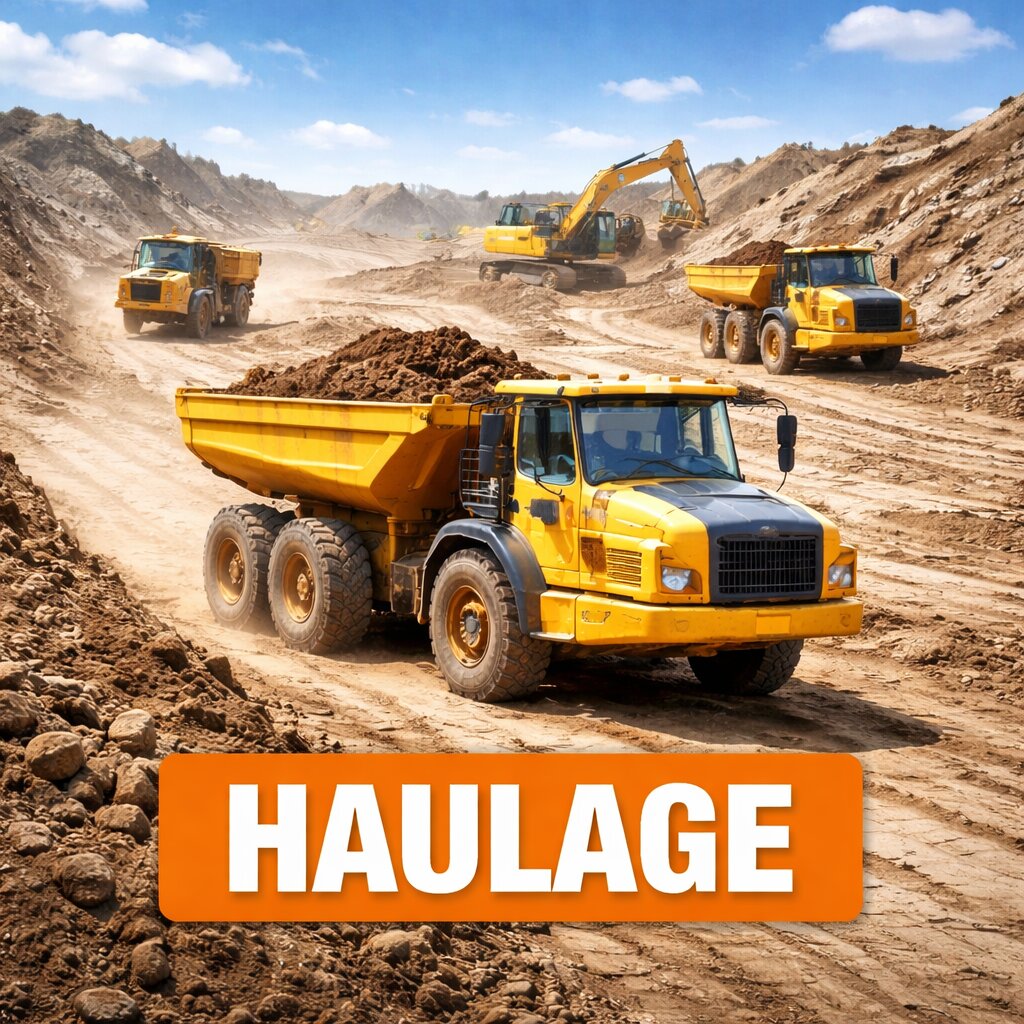
Haulage vehicles are logistics-focused types of construction vehicles responsible for transporting materials to, from, and around construction sites. Without reliable haulage, construction workflows can quickly stall.
Dump trucks, articulated haulers, and tipper trucks move soil, sand, gravel, asphalt, and demolition waste efficiently. These vehicles are designed to handle rough terrain, heavy loads, and continuous operation in demanding conditions.
Paving vehicles
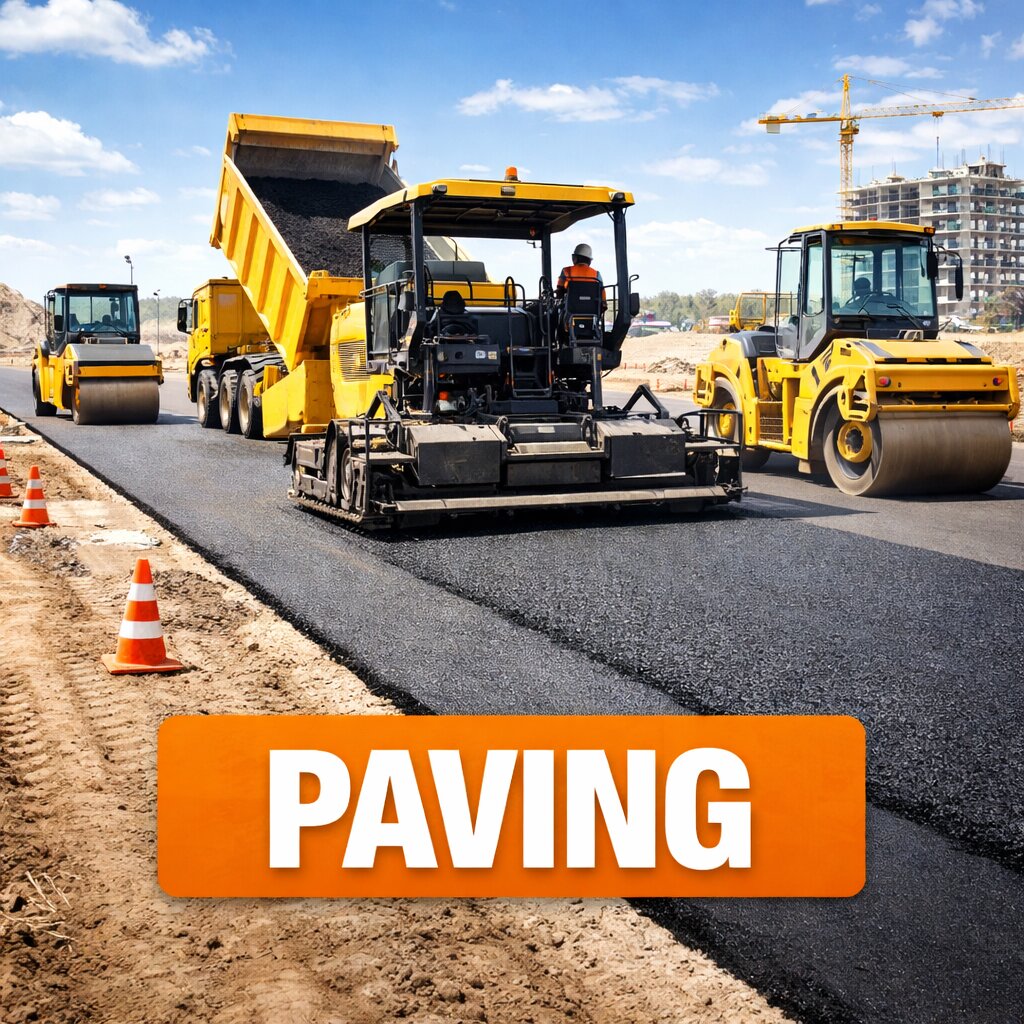
Paving vehicles are specialised types of construction vehicles used in road construction and surface finishing. Their role is to lay and compact materials to create smooth, durable surfaces suitable for long-term use.
Asphalt pavers, concrete pavers, and rollers work in coordinated stages to ensure proper layering, compaction, and finish quality. These vehicles are essential for highways, city roads, airport runways, and industrial pavements.
Demolition vehicles

Demolition vehicles are heavy-duty types of construction vehicles designed to dismantle structures safely and efficiently. These machines are built to handle reinforced concrete, steel frameworks, and controlled structural breakdowns.
High-reach excavators, hydraulic breakers, and specialised demolition attachments allow operators to take down buildings with precision. Safety and control are prioritised, especially in urban environments where surrounding structures must remain intact.
Drilling vehicles
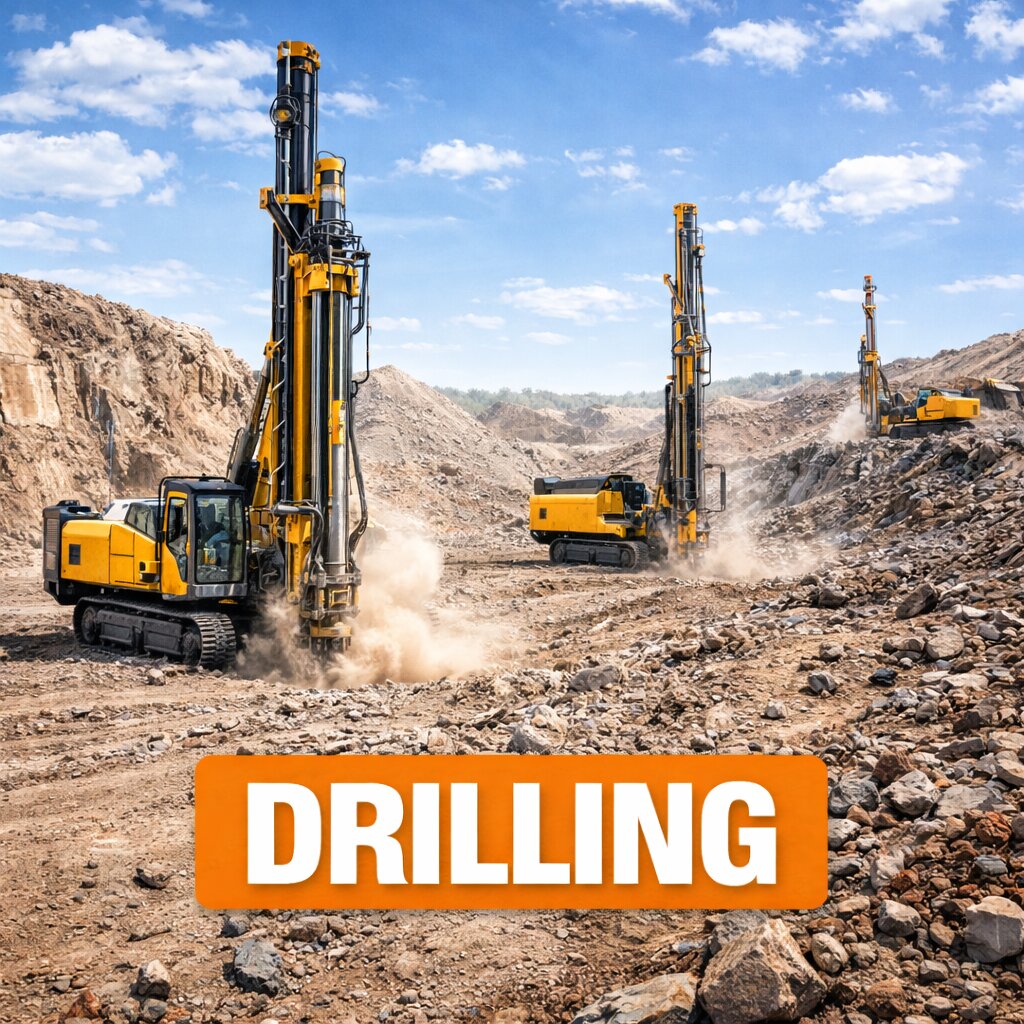
Drilling vehicles are precision-focused types of construction vehicles used to bore into the ground for foundations, anchoring, mining, and geological surveys. Accuracy and stability are essential for these machines.
Pile drivers, rotary drilling rigs, and auger-equipped vehicles are commonly used to create deep holes for structural support. These vehicles play a critical role in bridge construction, high-rise buildings, and energy infrastructure projects.
Support vehicles
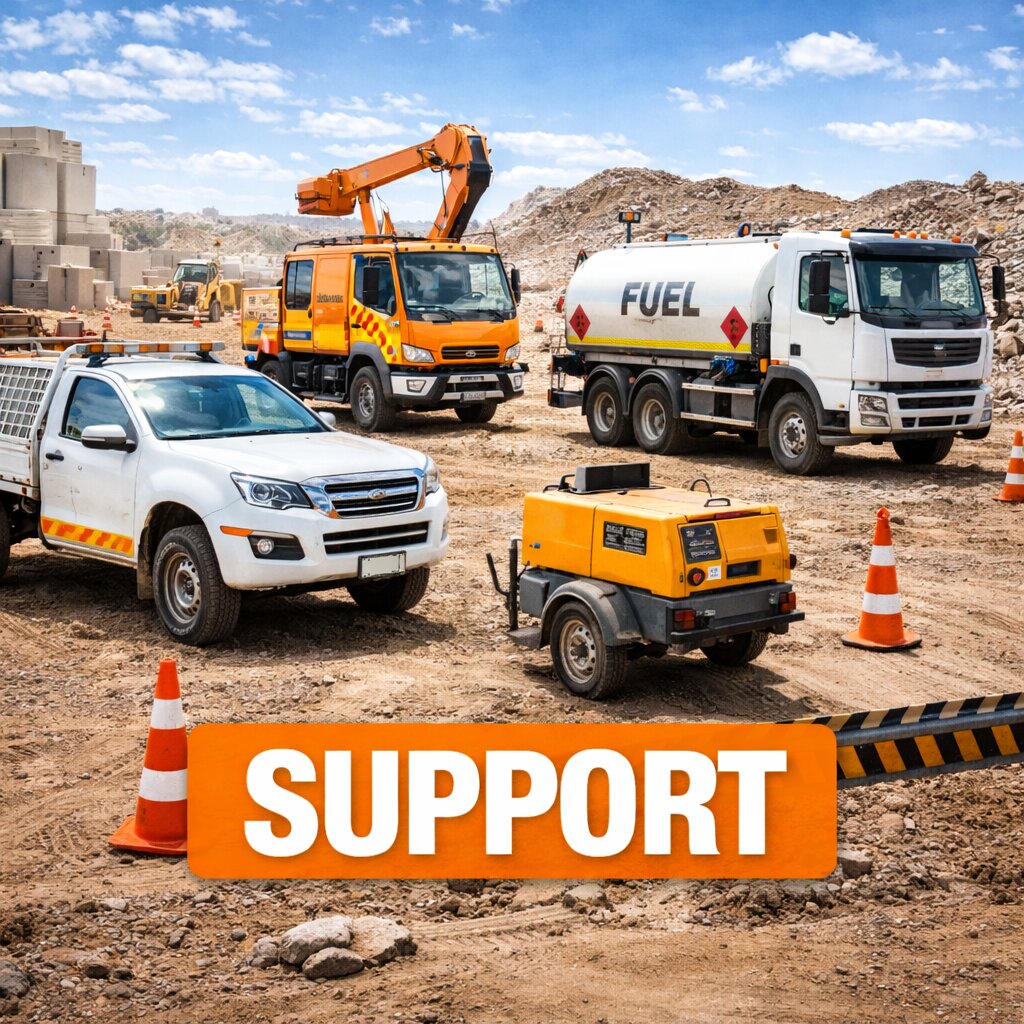
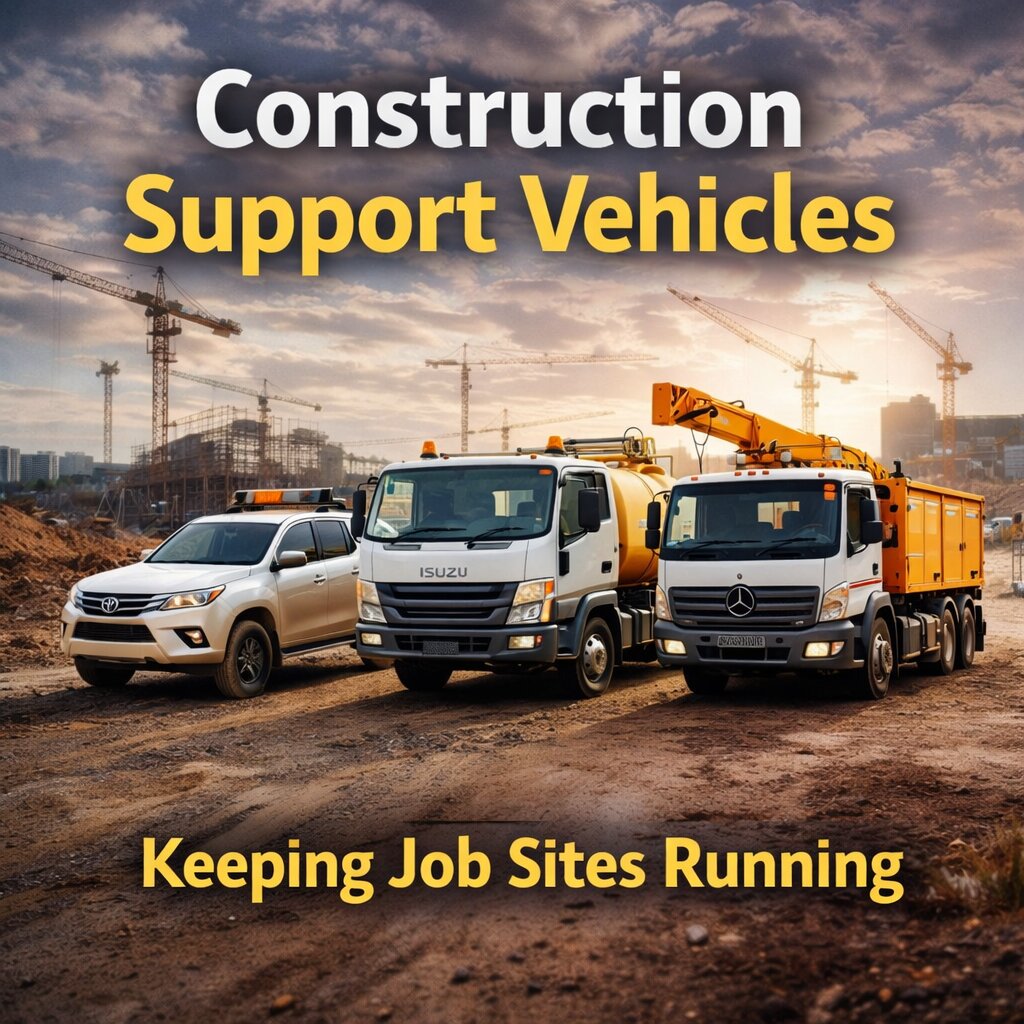
Support vehicles are often overlooked but are vital types of construction vehicles that keep worksites operational. These machines assist primary construction equipment by providing maintenance, power, and logistical support.
Fuel trucks, service vehicles, mobile compressors, and site lighting units ensure that construction operations continue without interruption. Their presence improves efficiency, safety, and productivity across all stages of a project.
Surveying vehicles

Surveying vehicles are precision-based types of construction vehicles used to measure land, map terrain, and guide project planning. Accurate surveying ensures structures are built in the correct location and alignment.
Survey trucks, mobile mapping vehicles, and drone-assisted platforms collect data on elevation, distances, and site boundaries. These vehicles are increasingly integrated with digital tools for real-time analysis and project monitoring.
Autonomous construction vehicles
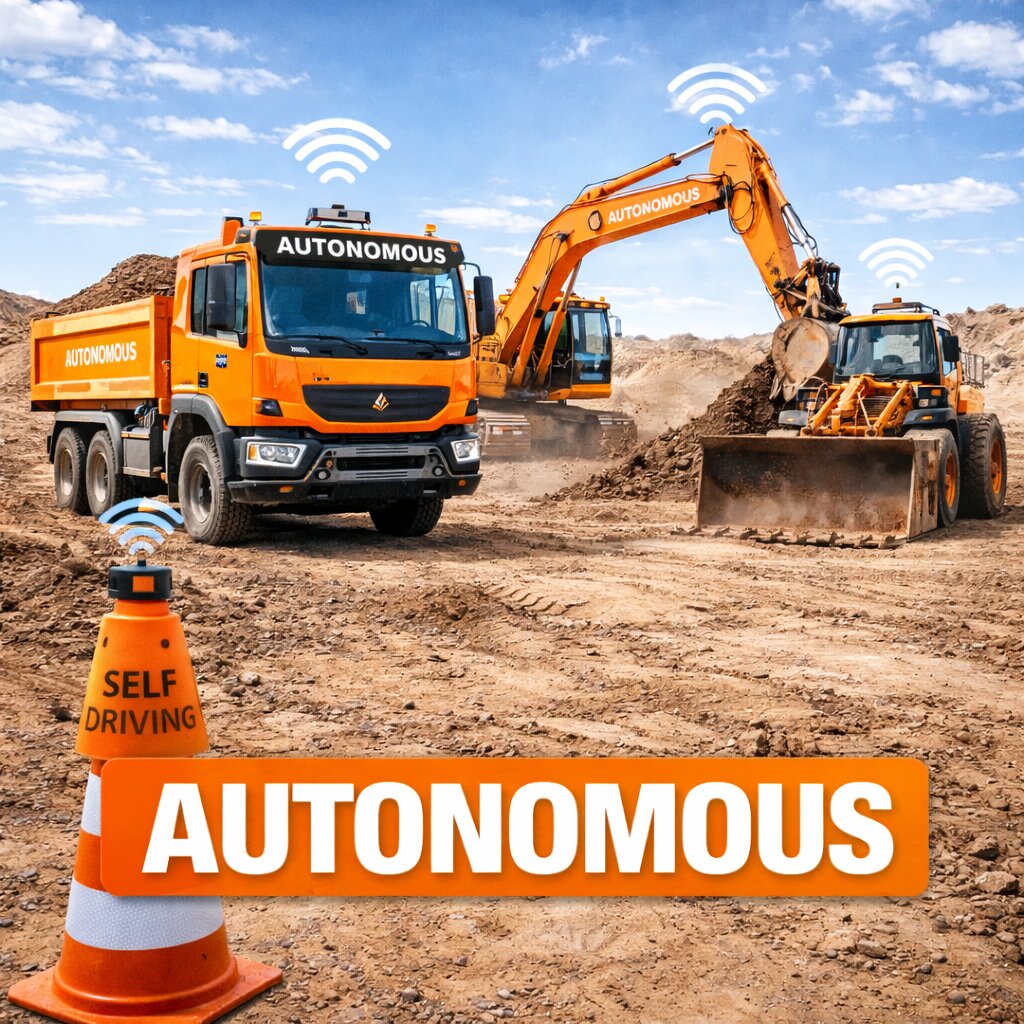
Autonomous machines represent the most advanced types of construction vehicles, using automation, sensors, and artificial intelligence to perform tasks with minimal human input. These vehicles are transforming efficiency and safety across construction sites.
Self-driving haul trucks, automated excavators, and robotic compactors are already being deployed in mining and large-scale infrastructure projects. As technology evolves, autonomous vehicles are expected to play a growing role in the future of construction.
Types of Construction Vehicles explored
Understanding the different types of construction vehicles is essential for appreciating how modern construction projects are planned, executed, and completed efficiently. Each category of vehicle serves a specific purpose, from breaking ground and moving earth to handling materials, paving surfaces, and supporting precision tasks such as drilling and surveying.
As construction technology continues to evolve, the role of these vehicles is expanding beyond traditional machinery. The growing adoption of autonomous systems, advanced surveying tools, and specialised support equipment highlights how innovation is shaping safer, faster, and more sustainable construction sites. Whether for large infrastructure developments or smaller building projects, the right combination of construction vehicles remains a cornerstone of successful construction operations.