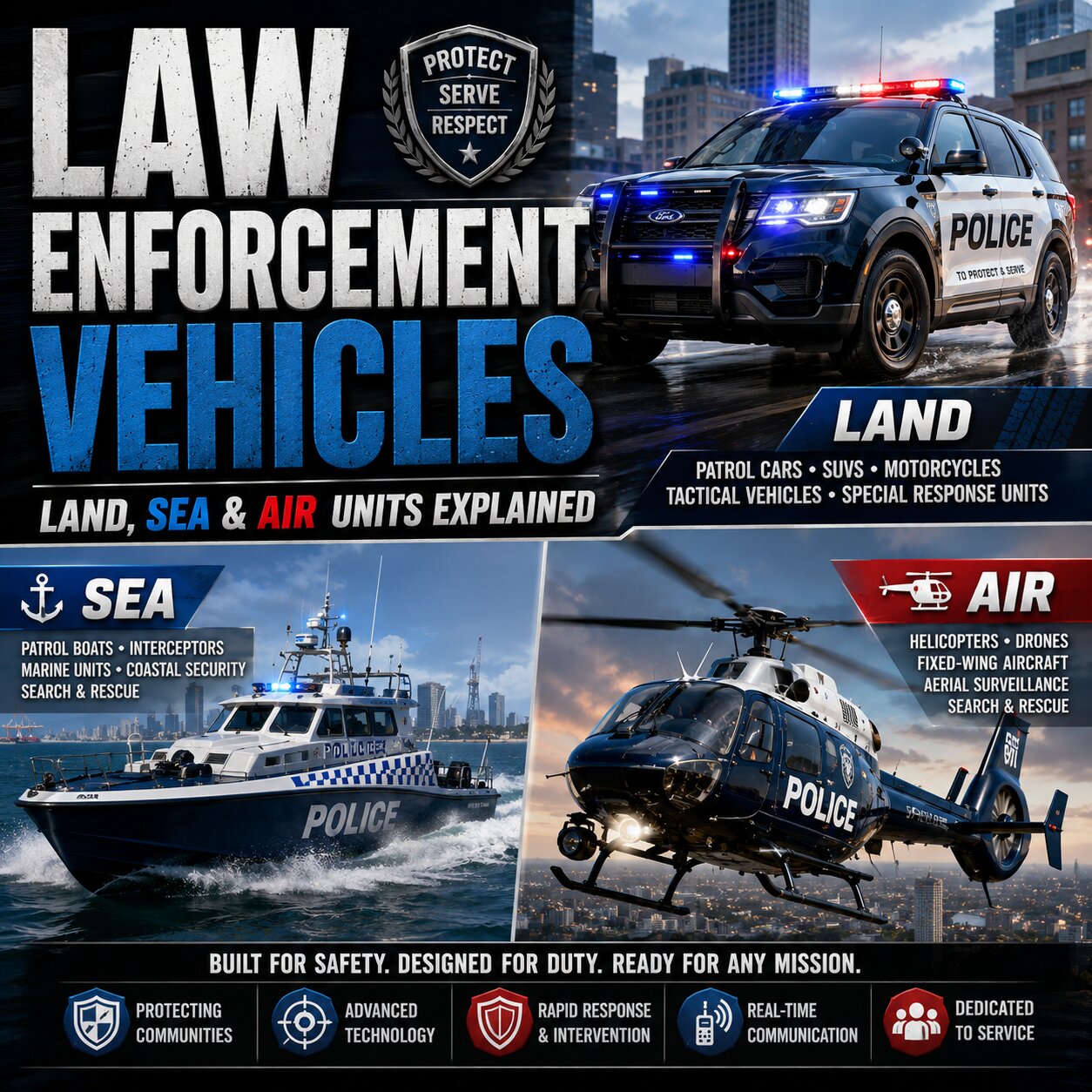
Law Enforcement Vehicles: Land, Sea, And Air Units Explained
Modern emergency response depends heavily on specialised transport systems, and law enforcement vehicles are among the most recognisable examples worldwide. From high-speed police interceptors on highways to helicopters tracking suspects from above and patrol boats protecting coastlines, law enforcement vehicles serve a critical role in public safety, rapid response, and crime prevention.
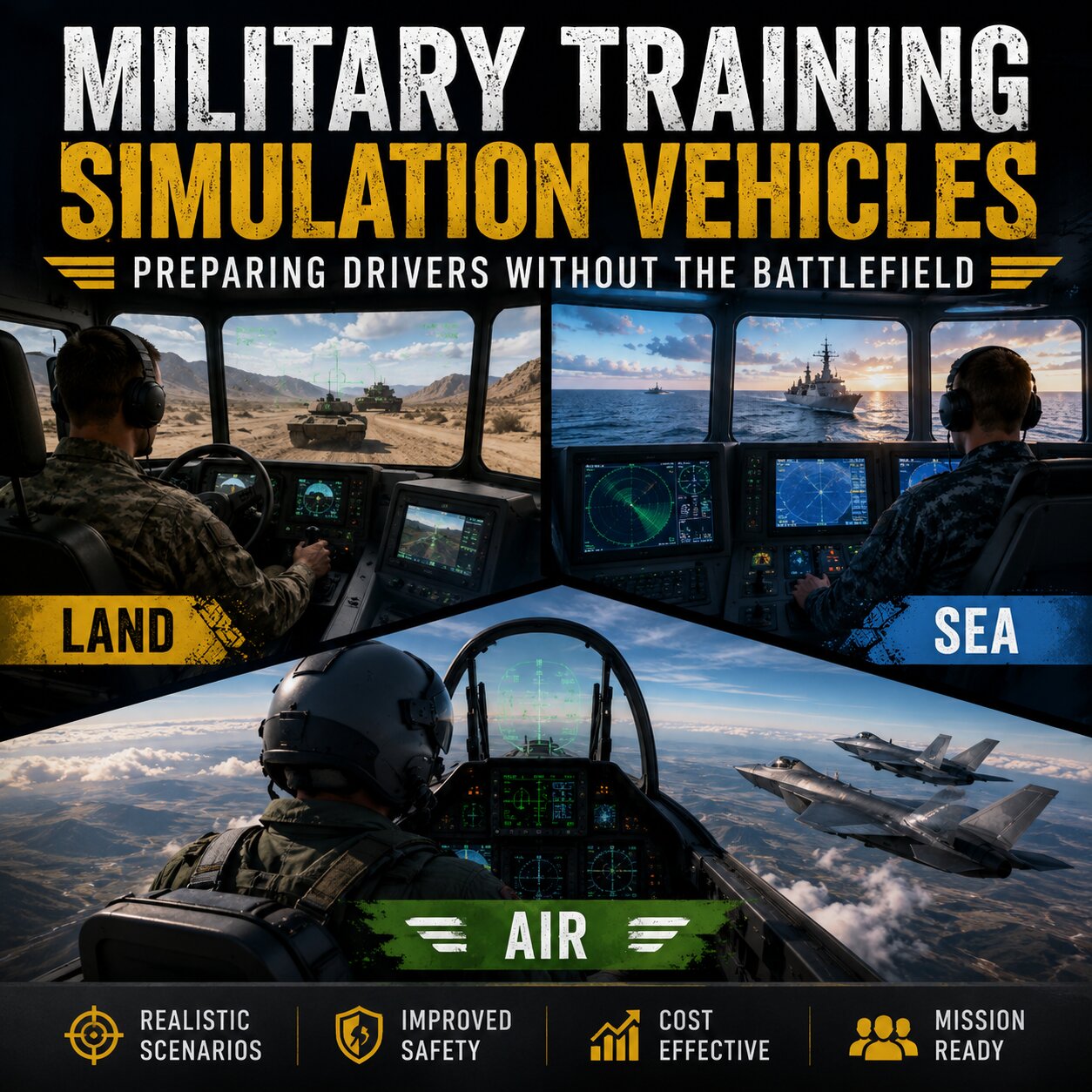
Today’s law enforcement vehicles are designed for far more than simple transportation. They function as mobile command centres, tactical response units, rescue platforms, and surveillance systems. Different environments require different types of vehicles, which is why police agencies across the world maintain land, sea, and air fleets equipped for specific missions. Understanding how these vehicles operate helps reveal the complexity behind modern policing and emergency management.
Land-Based Law Enforcement Vehicles
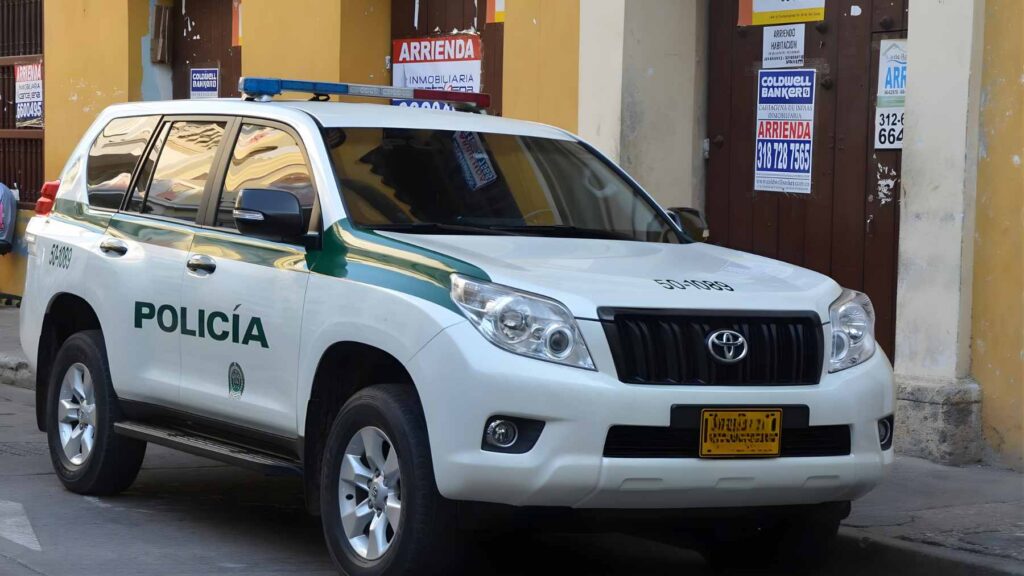
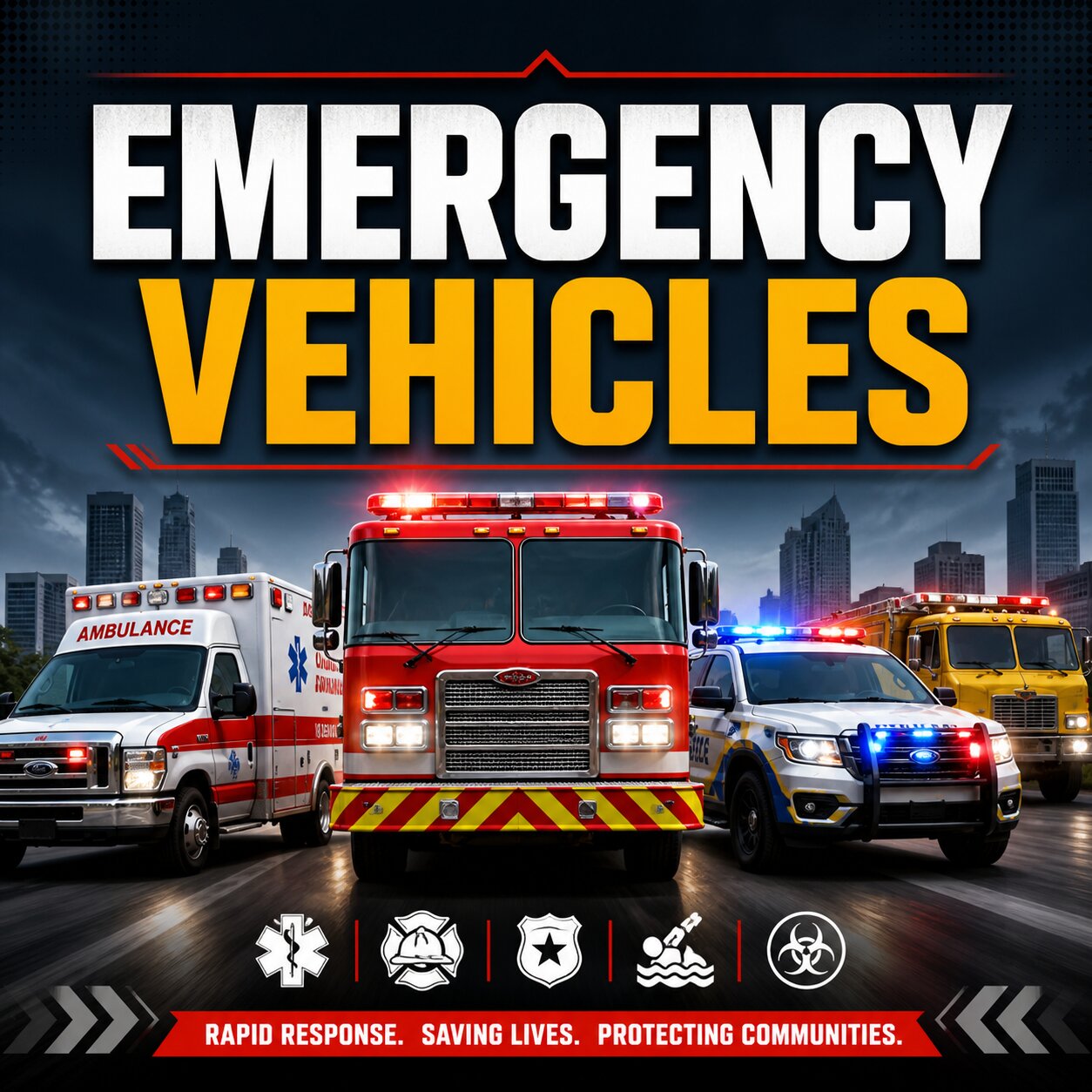
Land-based law enforcement vehicles form the backbone of most police operations. These vehicles patrol cities, highways, rural roads, industrial zones, and residential neighbourhoods daily. The most common examples include patrol sedans, SUVs, motorcycles, armoured tactical vehicles, and specialised pursuit units.
Police sedans and SUVs are typically modified for durability and emergency response performance. They feature reinforced suspensions, upgraded braking systems, emergency lighting arrays, sirens, communication systems, and onboard computers connected to central databases. SUVs have become increasingly popular because they provide better visibility, storage capacity, and flexibility for officers carrying additional equipment.
Highway patrol units often rely on powerful pursuit vehicles capable of maintaining stability at high speeds. These law enforcement vehicles are engineered to respond rapidly during emergencies, traffic incidents, and criminal pursuits. In some countries, high-performance sports sedans are even used for specialised motorway policing.
Motorcycles remain important in urban environments due to their agility. Police motorcycles can navigate heavy traffic faster than larger patrol vehicles, making them highly effective during parades, public events, and congested city operations.
Specialised tactical and riot-control vehicles represent another important category. These heavily armoured law enforcement vehicles protect officers during dangerous operations involving armed suspects, hostage situations, or civil unrest. Some include reinforced plating, ballistic glass, surveillance systems, and non-lethal crowd-control technologies.
Marine Law Enforcement Vehicles And Water Patrol Units
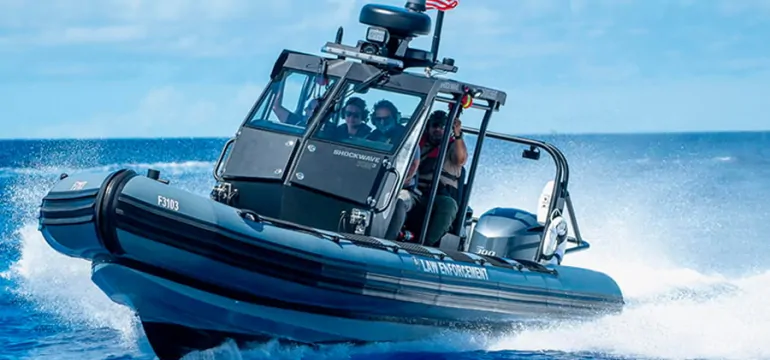
Sea-based law enforcement vehicles protect coastlines, rivers, harbours, and inland waterways. Marine police units often work alongside border security, rescue teams, environmental agencies, and anti-smuggling divisions.
Patrol boats are the most common marine law enforcement vehicles. These vessels range from small high-speed interceptor boats to larger offshore patrol craft capable of extended operations at sea. Speed is often critical, especially when intercepting smugglers, pirates, or fleeing suspects.
Harbour police units use smaller patrol craft to monitor shipping lanes, fishing zones, marinas, and tourist areas. These boats help enforce maritime laws while also responding to accidents and emergencies on the water.
Some law enforcement agencies deploy rigid inflatable boats, commonly known as RIBs. These lightweight vessels are extremely fast and manoeuvrable, making them ideal for rapid-response missions and coastal interception operations.
Larger marine enforcement vessels may include onboard radar systems, drone support, thermal imaging cameras, and advanced navigation technology. In some cases, these law enforcement vehicles also support search-and-rescue missions during storms or maritime disasters.
Water-based policing has become increasingly important due to illegal fishing, trafficking operations, and international maritime security concerns. Modern marine units therefore combine policing with advanced surveillance and rescue capabilities.
Airborne Law Enforcement Vehicles And Aerial Surveillance
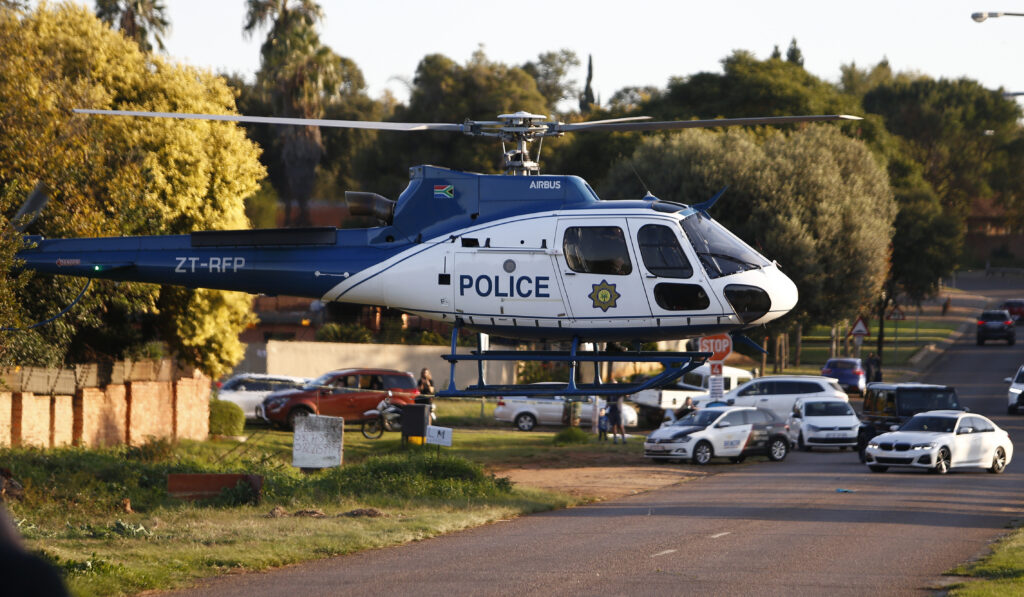
Air units provide law enforcement agencies with surveillance, tracking, rescue support, and rapid deployment capabilities. Helicopters remain the most widely recognised airborne law enforcement vehicles, although drones and specialised aircraft are becoming increasingly common.
Police helicopters assist ground units during vehicle pursuits, missing-person searches, crowd monitoring, and tactical operations. Their aerial perspective provides officers with real-time intelligence that ground units cannot easily obtain. Many helicopters include thermal imaging systems capable of detecting suspects at night or through dense vegetation.
Fixed-wing aircraft are sometimes used for long-range border patrol, coastline surveillance, and anti-smuggling operations. These aircraft can remain airborne for longer periods than helicopters and cover much larger areas.
Drones have dramatically changed the future of airborne law enforcement vehicles. Modern police drones provide affordable aerial surveillance without risking pilot safety. They are increasingly used during crime scene analysis, disaster response, crowd management, and search operations.
Some advanced air units also support medical evacuation, firefighting coordination, and emergency rescue missions. In large-scale incidents, helicopters often serve as airborne command centres coordinating multiple emergency services simultaneously.
The combination of land, sea, and air operations allows modern police forces to respond to a wide variety of threats and emergencies more effectively than ever before.
Why Law Enforcement Vehicles Continue To Evolve
Technology continues to transform law enforcement vehicles across every category. Electric patrol cars, AI-assisted surveillance systems, autonomous drones, advanced communication networks, and hybrid marine vessels are becoming more common as agencies modernise their fleets.
Environmental concerns are also influencing future vehicle development. Some police departments are introducing electric and hybrid patrol vehicles to reduce fuel costs and emissions while maintaining performance capabilities.
Safety improvements remain another major priority. Newer law enforcement vehicles feature collision avoidance systems, enhanced armour protection, advanced telemetry, and integrated digital systems that improve officer coordination during emergencies.
As crime evolves and cities become more connected, emergency response fleets must adapt alongside them. Modern law enforcement vehicles now represent a blend of transportation, technology, surveillance, and rapid-response capability across land, sea, and air environments.
Check out more emergency vehicle features at Driver Digest SA!