Transport Support Vehicles: The Backbone of Efficient Fleet Operations
Transport support vehicles play a crucial role in keeping fleets running smoothly across industries. While the spotlight often falls on primary transport vehicles, it is the support systems behind them that ensure consistent performance, safety, and uptime.
Transport support vehicles are designed to assist, maintain, and sustain operational vehicles in the field. From refuelling units to mobile maintenance bakkies, these vehicles ensure that downtime is minimised and efficiency remains high.
In this article, we explore how transport support vehicles function, the types available, and why they are essential to modern logistics and fleet management.
What Are Transport Support Vehicles?
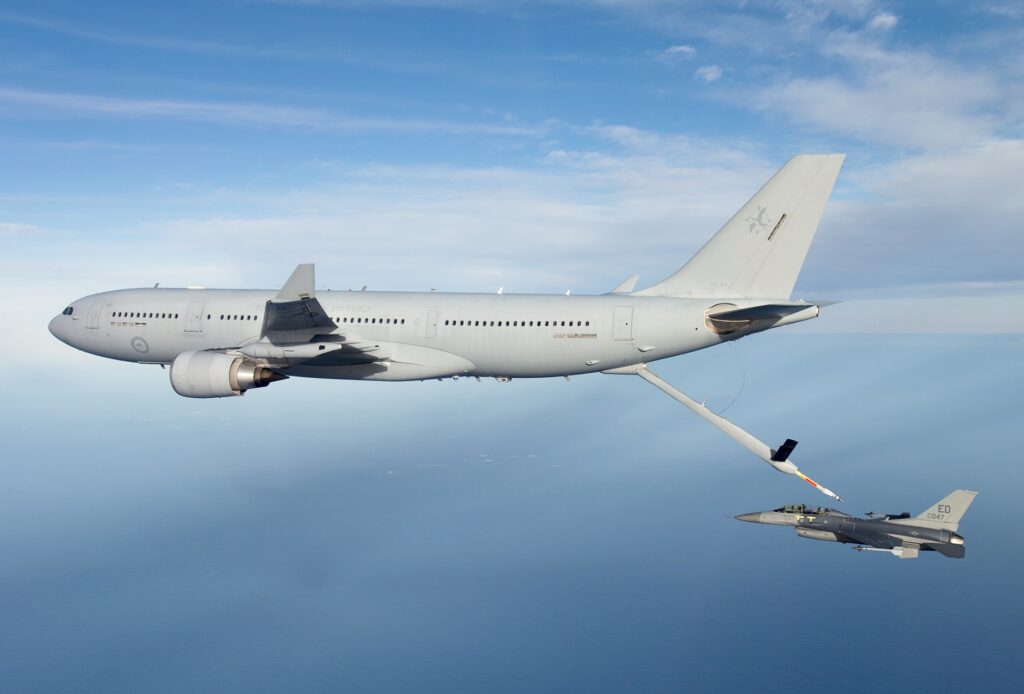
Transport support vehicles are specialised units that assist transport fleets rather than carry primary cargo or passengers. Their role is to keep other vehicles operational, whether through maintenance, repairs, or resource delivery.
These vehicles are commonly seen in industries such as logistics, construction, mining, and long-distance transport. They operate alongside trucks, buses, and heavy-duty vehicles, ensuring everything continues to function without interruption.
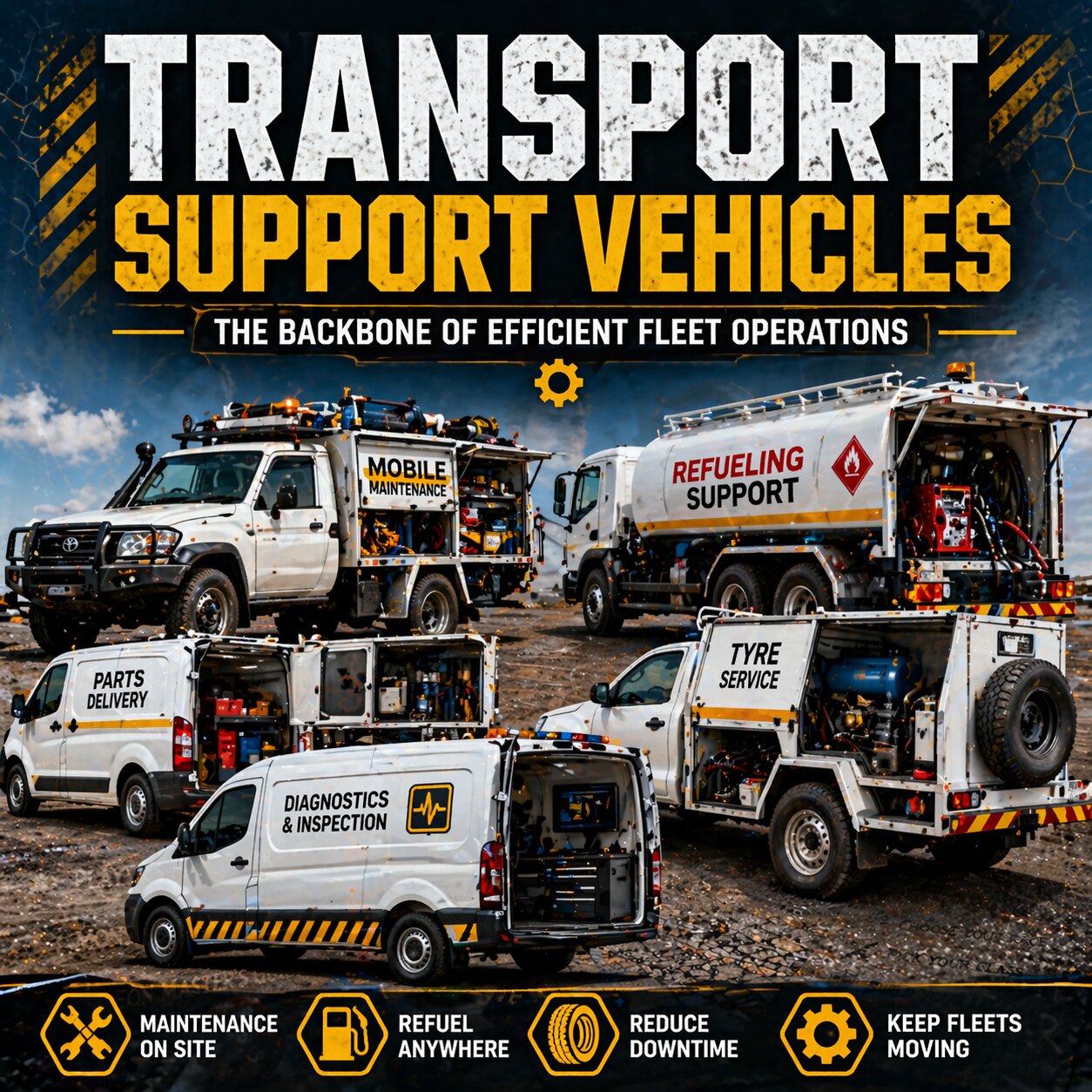
Examples include mobile workshops, fuel tankers, tyre service units, and parts delivery vehicles. Each is equipped with tools, equipment, or resources tailored to specific support functions.
Understanding support transport vehicles highlights how much planning and infrastructure is required behind the scenes of any successful fleet operation.
Types of Transport Support Vehicles
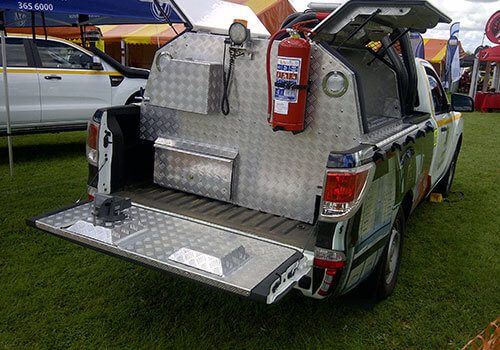
There are several types of transport support vehicles, each designed to address specific operational needs within a fleet:
- Mobile maintenance bakkies equipped with tools for on-site repairs
- Refuelling vehicles that supply fuel directly to fleet units in remote or busy areas
- Tyre service vehicles for quick replacements and pressure management
- Parts delivery vehicles that transport essential components to vehicles in need
- Inspection and diagnostics units for monitoring vehicle health and performance
These transport support vehicles allow fleets to remain flexible and responsive, especially in demanding environments where access to fixed facilities is limited.
Each type plays a vital role in reducing delays and keeping operations on schedule.
The Role of Transport Support Vehicles in Fleet Efficiency
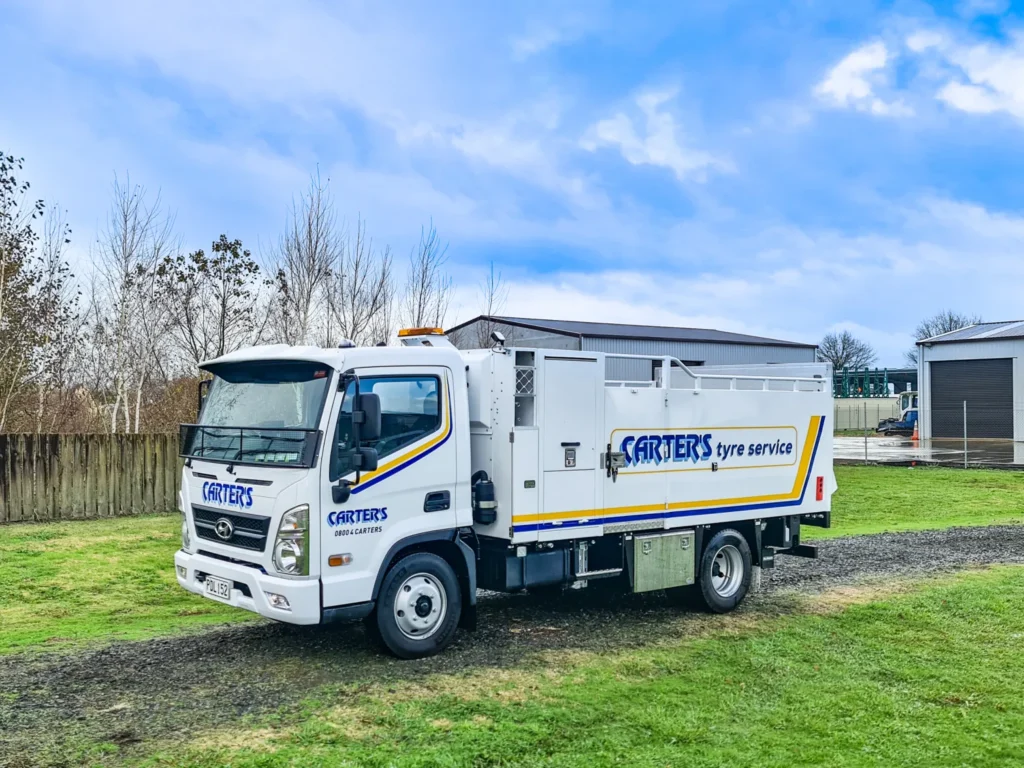
Transport support vehicles significantly improve fleet efficiency by reducing downtime and increasing responsiveness. Instead of sending vehicles back to a central depot for repairs or refuelling, support units bring these services directly to where they are needed.
This approach saves time and reduces operational costs. It also allows fleets to operate in remote locations where infrastructure may be limited or non-existent.
In high-pressure environments such as mining or large-scale logistics, even a short delay can have a ripple effect across operations. Transport support vehicles help prevent these disruptions by providing immediate assistance.
By integrating support vehicles into their systems, companies can maintain higher productivity levels and ensure smoother day-to-day operations.
Technology and Modern Advancements

Modern transport support vehicles are becoming increasingly advanced, incorporating digital tools and smart systems to enhance their effectiveness. Telematics, GPS tracking, and diagnostic software allow support teams to monitor fleet conditions in real time.
With this data, support vehicles can be dispatched proactively rather than reactively. For example, a maintenance unit can be sent out before a minor issue becomes a major breakdown.
Some transport support vehicles are also equipped with advanced communication systems, enabling seamless coordination between drivers, fleet managers, and support teams.
As technology continues to evolve, these vehicles are becoming even more efficient, helping businesses optimise their operations and reduce costs.
Why Every Fleet Needs Transport Support Vehicles
No matter the size of the operation, transport support vehicles are essential for maintaining reliability and performance. They provide the backbone that allows primary vehicles to focus on their core tasks without interruption.
Without these support systems, fleets would face increased downtime, higher repair costs, and reduced efficiency. The ability to respond quickly to issues is what separates successful operations from struggling ones.
Transport support vehicles also improve safety. By addressing issues promptly and ensuring vehicles are properly maintained, they reduce the risk of accidents and mechanical failures.
For any business relying on transport, investing in the right support vehicles is not optional. It is a strategic necessity.
Driving Operational Success
Transport support vehicles may operate behind the scenes, but their impact is felt across every aspect of fleet performance. From keeping vehicles fuelled to ensuring they remain roadworthy, these units are essential to modern transport systems.
As industries continue to grow and demand increases, the importance of efficient support structures becomes even more evident. Businesses that prioritise transport support vehicles position themselves for long-term success.
By understanding and implementing these solutions, fleet operators can achieve greater reliability, efficiency, and overall operational excellence.