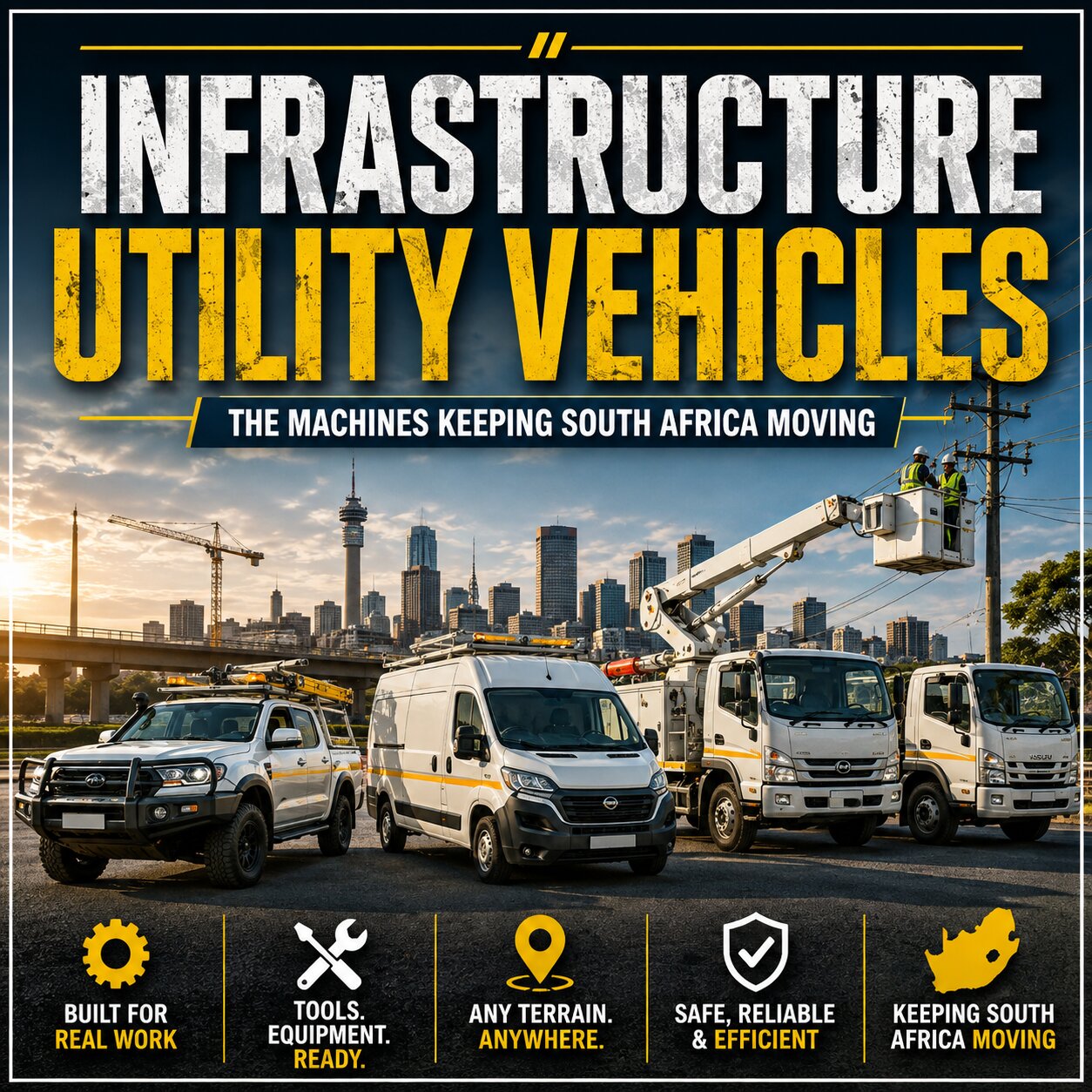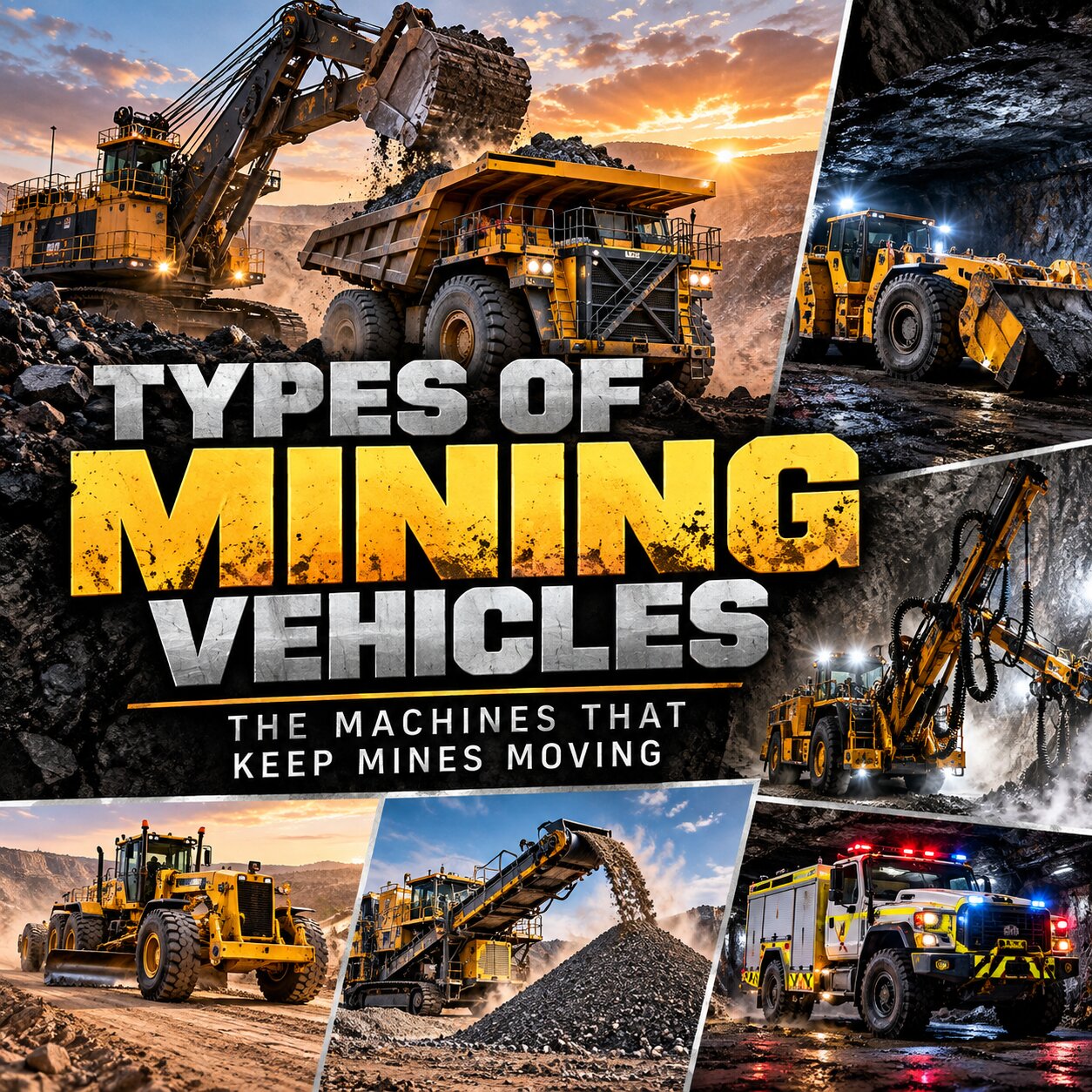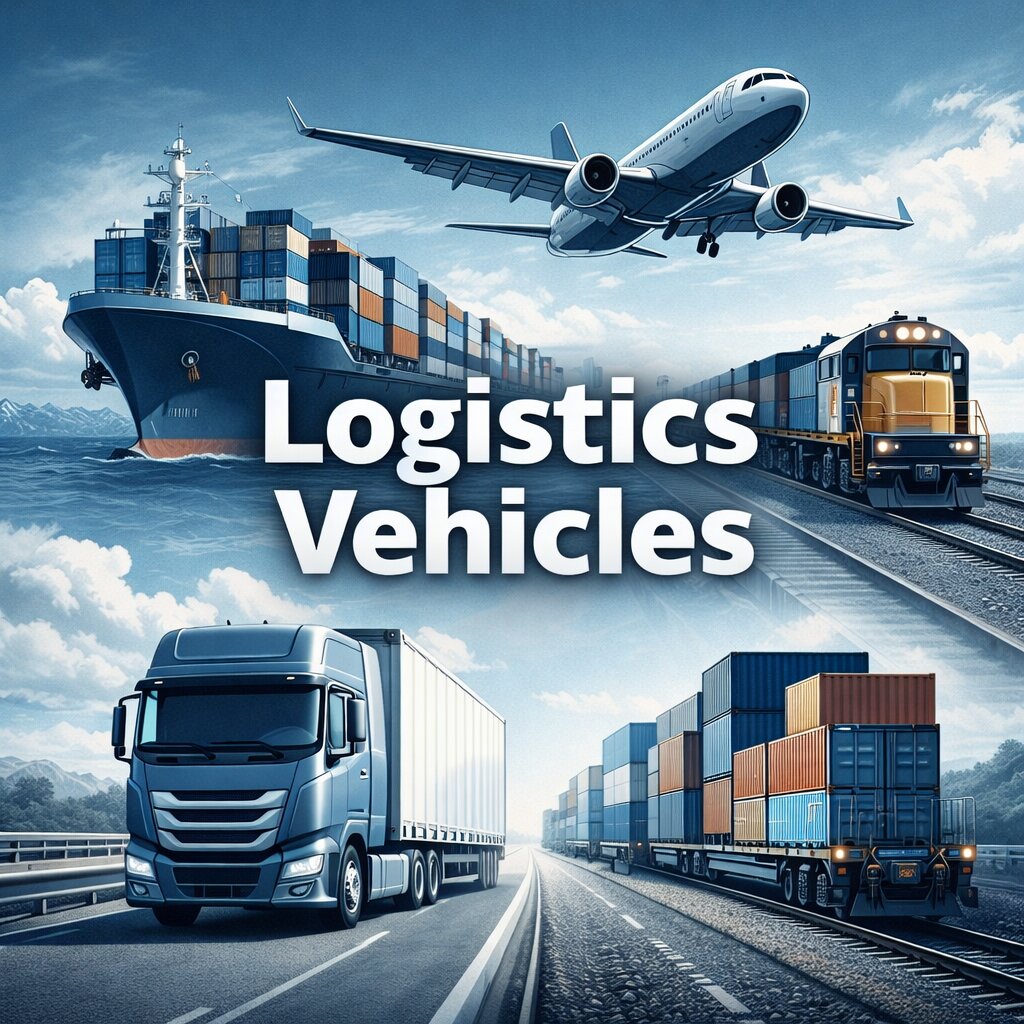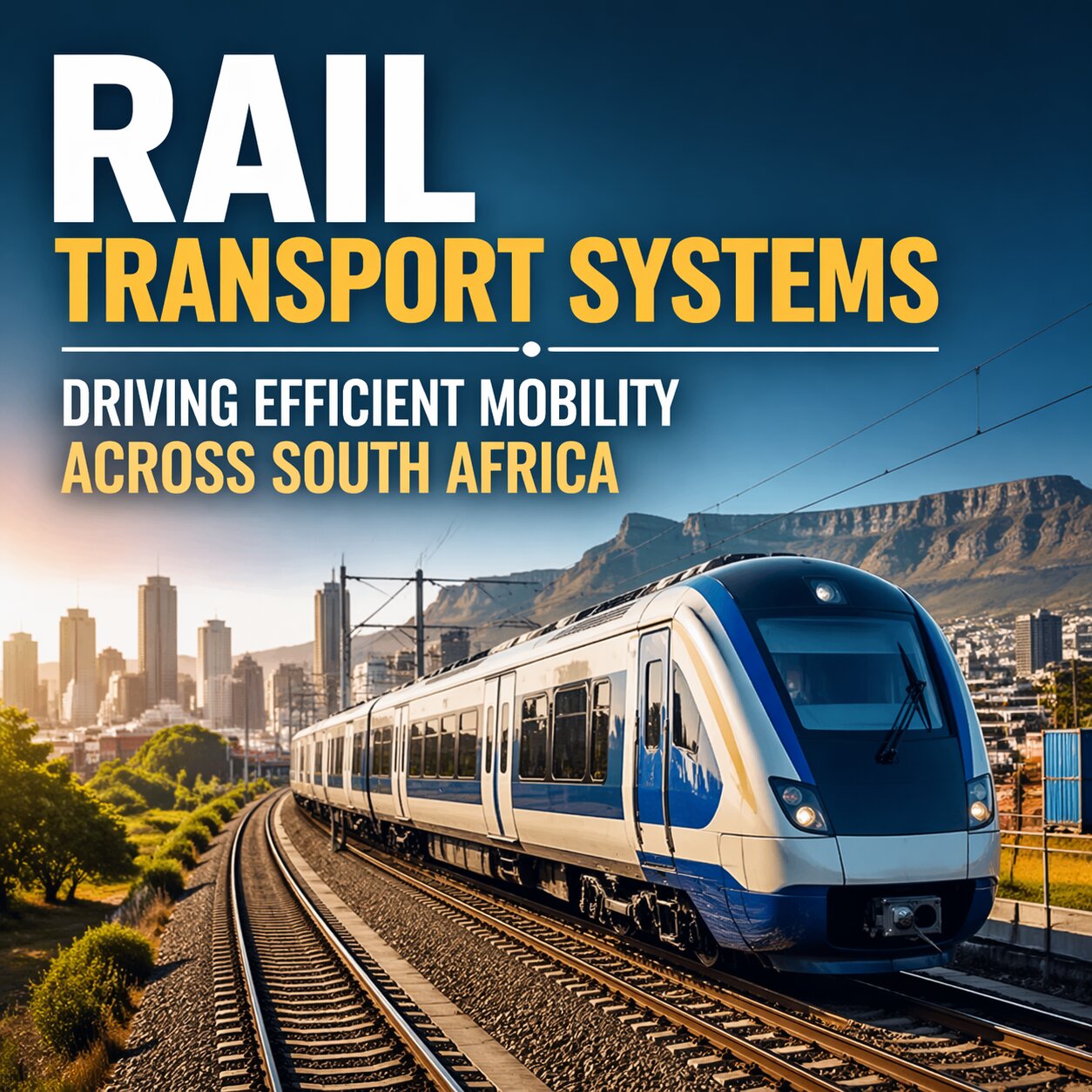
Commercial Transport Vehicles: The Backbone of Business and Logistics in South Africa
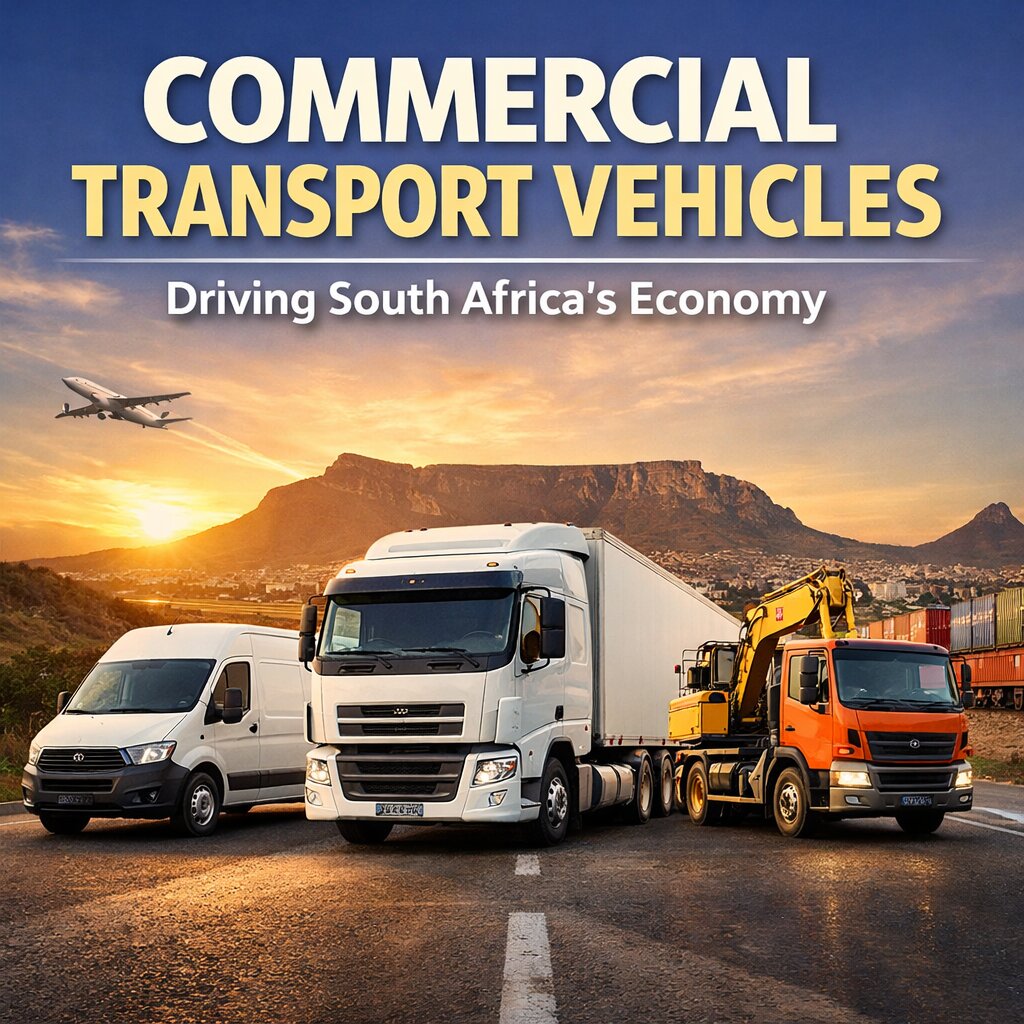
Commercial transport vehicles play a critical role in keeping businesses moving across South Africa. From delivering goods to supporting construction and logistics, these vehicles form the backbone of industries that rely on efficiency, reliability, and scale.
Whether it’s a small business using a single van or a large fleet managing nationwide distribution, commercial transport vehicles are essential for connecting suppliers, businesses, and customers. Their versatility allows them to operate across urban environments, highways, and even rugged terrains.
As industries evolve, so too do the demands placed on these vehicles. Modern businesses now look for improved fuel efficiency, advanced safety features, and smarter fleet management solutions to stay competitive.
The role of commercial transport vehicles in daily operations
Commercial transport vehicles are designed to handle specific tasks that go beyond standard passenger vehicles. They are built for durability, load capacity, and long-distance travel, making them indispensable in sectors like logistics, construction, and retail distribution.
Businesses rely on these vehicles to ensure goods are delivered on time and in good condition. From transporting raw materials to distributing finished products, every step in the supply chain depends on efficient transport solutions.
In South Africa, where distances between cities and regions can be significant, the importance of reliable commercial transport vehicles becomes even more apparent. Delays or breakdowns can impact entire operations, making vehicle performance a key consideration.
The ability to customise vehicles for different industries further enhances their value. Refrigerated trucks, flatbeds, and panel vans all serve unique purposes, allowing businesses to tailor their transport solutions.
Types of commercial transport vehicles available
There is a wide range of commercial transport vehicles available, each suited to different business needs and operational requirements.
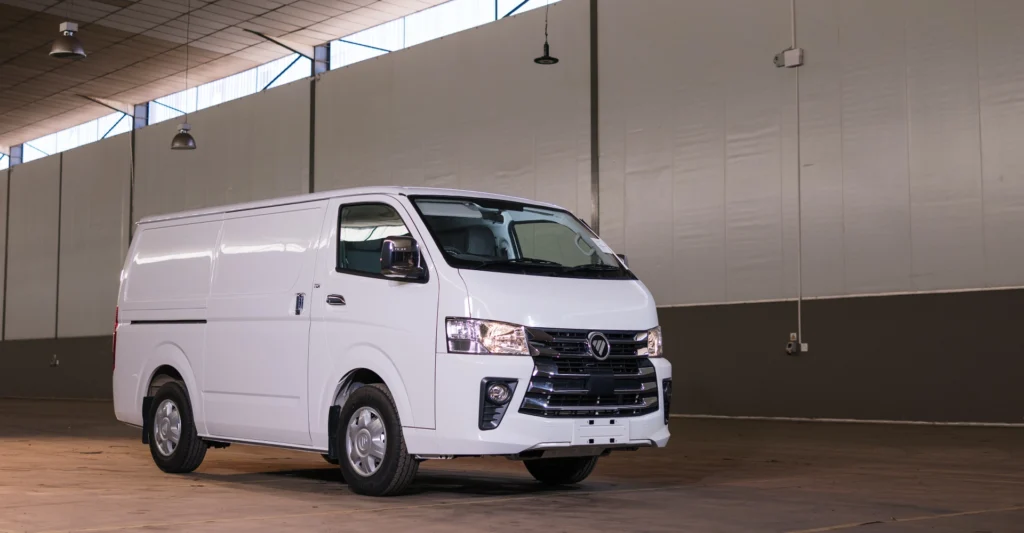
- Panel vans for small deliveries and urban logistics
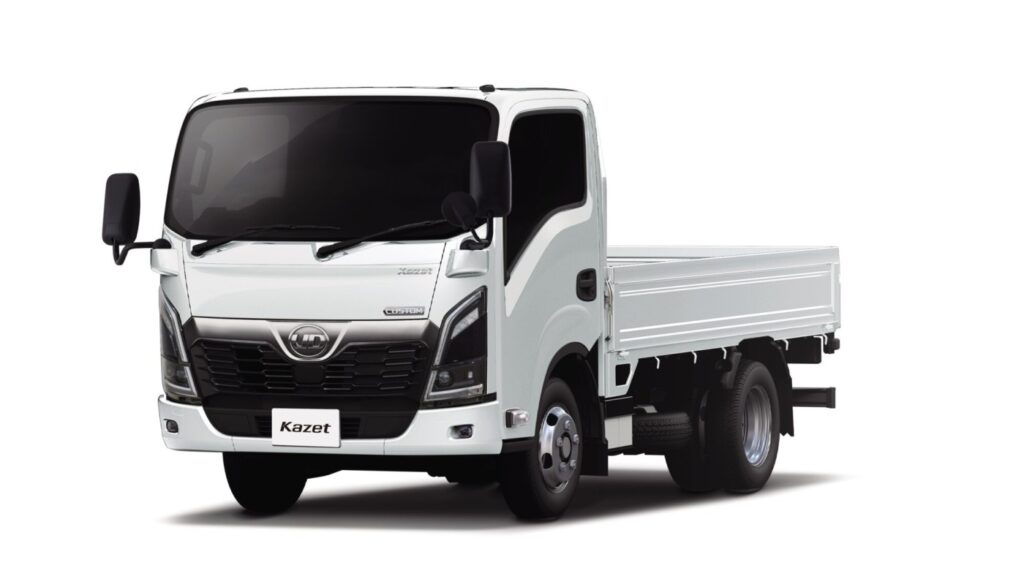
- Light-duty trucks for medium loads and flexible operations
- Heavy-duty trucks for long-haul transport and bulk goods
- Refrigerated vehicles for perishable items like food and medicine
- Flatbed trucks for construction materials and oversized cargo
Each type offers specific advantages depending on the nature of the business. For example, panel vans are ideal for city-based deliveries, while heavy-duty trucks are better suited for cross-country transport.
Choosing the right vehicle depends on factors such as load capacity, fuel efficiency, terrain, and frequency of use. Businesses that align their vehicle choice with their operational needs often see improved efficiency and reduced costs.
Key features driving modern commercial fleets
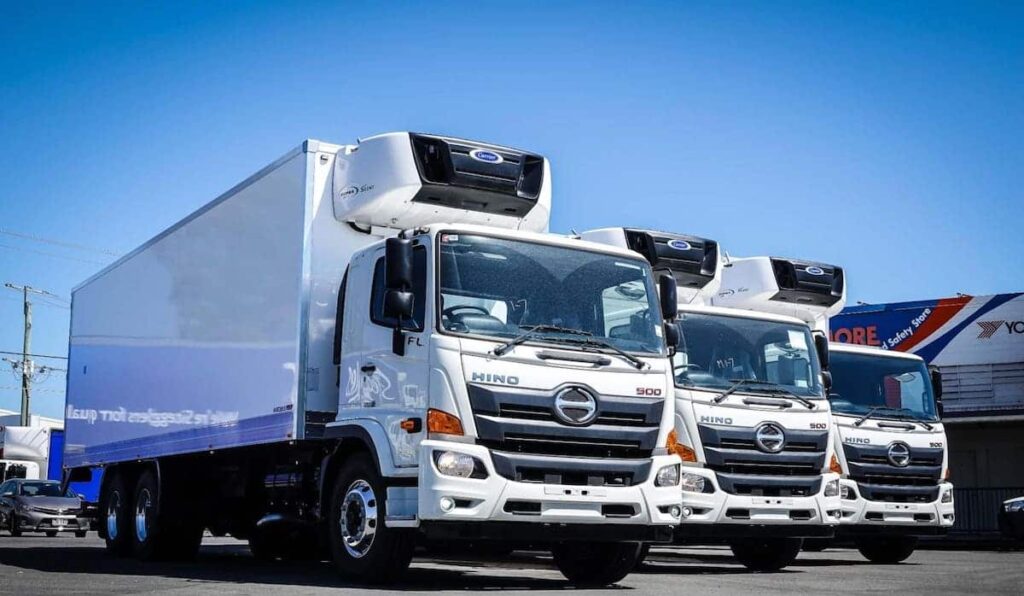
Today’s commercial transport vehicles are equipped with advanced features designed to improve safety, efficiency, and overall performance. Technology is playing an increasingly important role in fleet operations.
Fuel efficiency remains a top priority, especially with rising fuel costs. Manufacturers are focusing on engine optimisation and alternative energy solutions to reduce operating expenses.
Safety features such as collision avoidance systems, lane assist, and driver monitoring are becoming standard in many commercial vehicles. These systems help reduce accidents and protect both drivers and cargo.
Fleet management technology is also transforming how businesses operate. GPS tracking, route optimisation, and real-time data allow companies to monitor performance and make informed decisions.
Challenges facing commercial transport vehicles in South Africa

Despite their importance, commercial transport vehicles face several challenges in the South African market. Infrastructure, fuel prices, and maintenance costs all impact operations.
Road conditions in certain areas can affect vehicle longevity and performance. Businesses must account for these factors when planning routes and maintaining their fleets.
Fuel price fluctuations continue to influence operational costs. Efficient vehicles and smart route planning are essential to managing expenses and maintaining profitability.
Security is another concern, particularly for high-value cargo. Companies often invest in tracking systems and additional security measures to protect their assets.
Driving business forward with the right transport solutions
Commercial transport vehicles are more than just tools for moving goods. They are strategic assets that can influence the success of a business.
Investing in the right vehicles ensures smoother operations, improved delivery times, and better customer satisfaction. As technology continues to evolve, businesses that adapt will gain a competitive edge.
From small enterprises to large logistics companies, commercial transport vehicles remain a vital part of South Africa’s economic engine. Choosing wisely and managing efficiently can make all the difference in long-term success.