
Livestock Vehicles: How Farm Animals Are Transported Safely and Efficiently
Livestock vehicles play a critical role in modern agriculture. From moving cattle between farms to transporting animals to auctions, feedlots, and processing facilities, these specialised vehicles are designed to move live animals safely, humanely, and efficiently.
As farming operations scale and regulations tighten, livestock vehicles have become more advanced, purpose-built, and essential to agricultural logistics.
In this article, we explore what livestock vehicles are, the main types used in agriculture, and why proper animal transport matters for farmers, operators, and the wider supply chain.
What are livestock vehicles?
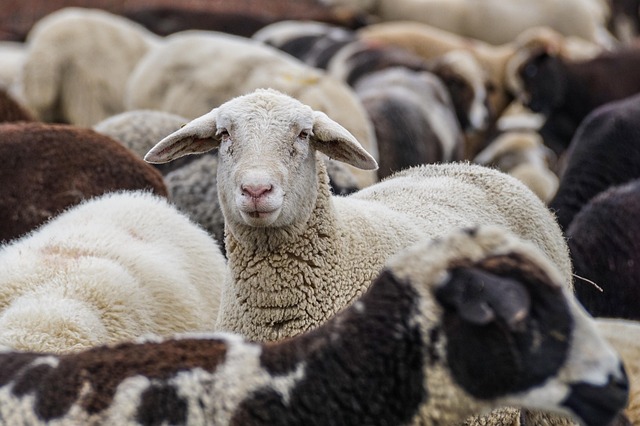
Livestock vehicles are specially designed transport vehicles used to carry live animals such as cattle, sheep, goats, pigs, and poultry. Unlike standard cargo trucks or trailers, these vehicles are built with animal welfare, ventilation, weight distribution, and ease of loading in mind.
Modern livestock vehicles include features such as non-slip flooring, internal partitions, ventilation slats, drainage systems, and ramps. These elements reduce stress and injury during transport, which is essential for both ethical farming and maintaining animal health. Poor transport conditions can lead to injuries, weight loss, or illness, directly impacting farm productivity.
Common types of livestock vehicles
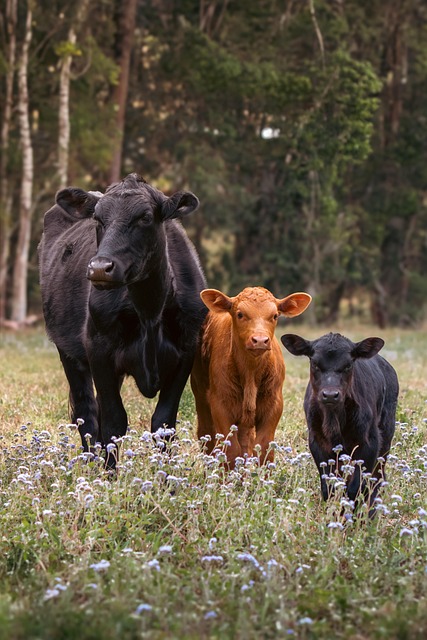
There are several types of livestock vehicles used across the agriculture sector, each suited to different animals and farm sizes. Smaller farms may rely on single-axle or tandem-axle livestock trailers towed by bakkies or light trucks. These are commonly used for short-distance transport and local movement.
Larger operations often use rigid trucks or articulated livestock carriers with multiple decks. These heavy-duty livestock vehicles are designed for long-distance transport and high animal volumes. Multi-deck configurations allow different species or weight groups to be separated safely, improving balance and reducing animal stress during travel.
Animal welfare and safety considerations
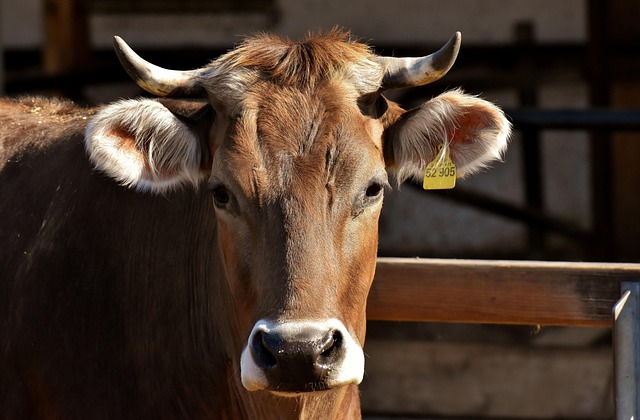
Animal welfare is one of the most important factors influencing the design and use of animal vehicles. Transporting animals requires careful handling, correct stocking density, and appropriate vehicle design. Overcrowding or poor ventilation can quickly lead to distress or injury.
Well-designed animal vehicles help minimise movement during transit, prevent animals from slipping, and protect them from extreme weather. Proper loading and unloading ramps are equally important, as most transport-related injuries occur when animals enter or exit the vehicle rather than during the journey itself.
Regulations and standards for livestock transport
In many regions, livestock transport is regulated by strict animal welfare laws and agricultural guidelines. These rules govern aspects such as maximum travel times, rest periods, vehicle cleanliness, and driver training. Compliance is not optional, and failure to meet standards can result in fines or transport bans.
Because of this, modern livestock vehicles are increasingly built to meet or exceed regulatory requirements. Features such as washable interiors, waste containment systems, and improved airflow help ensure that transport conditions remain hygienic and compliant throughout the journey.
The role of livestock vehicles in agricultural efficiency
Beyond animal welfare, livestock vehicles play a key role in farm efficiency. Reliable transport allows farmers to move animals quickly when market conditions change, manage breeding programmes, and respond to veterinary needs without delay.
Efficient livestock transport also supports the wider agricultural supply chain. From auctions and feed suppliers to abattoirs and export hubs, livestock vehicles keep animal-based agriculture moving. As demand for traceability and ethical farming grows, transport vehicles will continue to evolve alongside industry expectations.
Moving farming forward
Livestock vehicles are far more than simple transport tools. They are a vital link between farms, markets, and consumers, balancing animal welfare with operational efficiency. As agriculture continues to modernise, the importance of well-designed, compliant, and reliable livestock vehicles will only increase.
In our agriculture series, we explore the machines and systems that keep farming productive. Be sure to explore the related categories to learn more about agricultural vehicles and equipment shaping the future of farming.