Medical Response Vehicles: Land, Air, and Water Emergency Systems
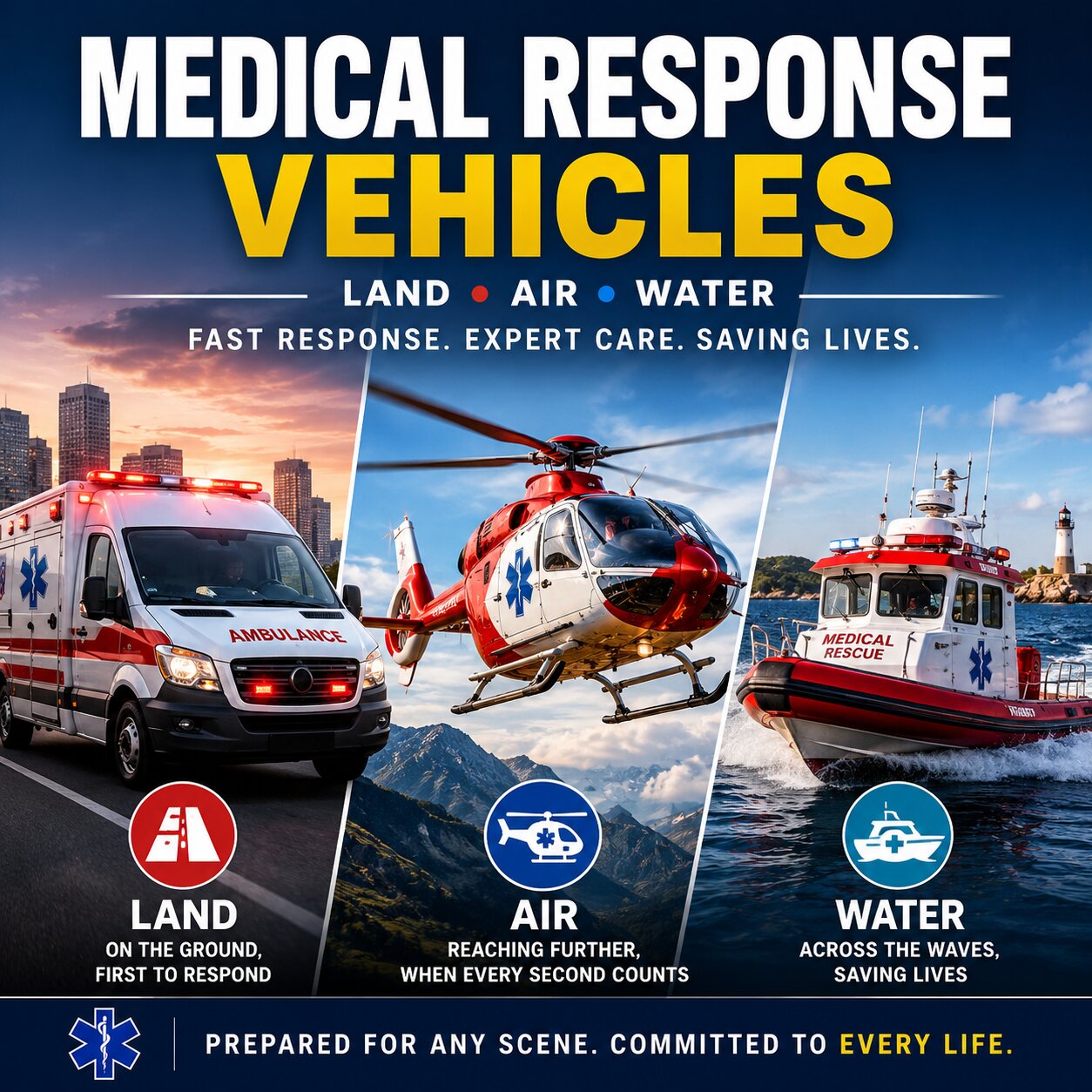
Medical response vehicles are among the most important emergency vehicles in modern society. Designed to transport medical teams, rescue injured people, and provide life-saving care during critical situations, these vehicles operate across land, air, and water environments to ensure help reaches those in need as quickly as possible.
As part of the growing Emergency Vehicles category, medical response vehicles continue to evolve with advanced communication systems, specialised equipment, improved mobility, and faster response capabilities. From ambulances navigating busy city roads to helicopters reaching remote mountain regions and rescue boats assisting during floods, these vehicles form the frontline of emergency medical support around the world.
The role of medical response vehicles in emergencies
Medical response vehicles are specifically designed to support emergency healthcare operations during accidents, disasters, medical emergencies, and rescue missions. Their primary goal is to stabilise patients and transport them safely to medical facilities while providing critical treatment during transit.
Modern medical response vehicles often function as mobile treatment centres. Many are equipped with oxygen systems, heart monitors, defibrillators, trauma equipment, communication technology, and specialised storage for medicine and medical supplies. Some larger units even support advanced life support systems and intensive care functions.
These vehicles also operate in coordination with emergency dispatch centres, hospitals, fire rescue teams, law enforcement, and disaster management units. Fast communication between teams is critical during large-scale incidents where seconds can determine survival outcomes.
In South Africa and many other countries, medical response vehicles play an essential role in both urban and rural healthcare support. Remote communities, difficult terrain, and high-traffic environments often require specialised vehicle solutions to improve emergency response times.
Land medical response vehicles
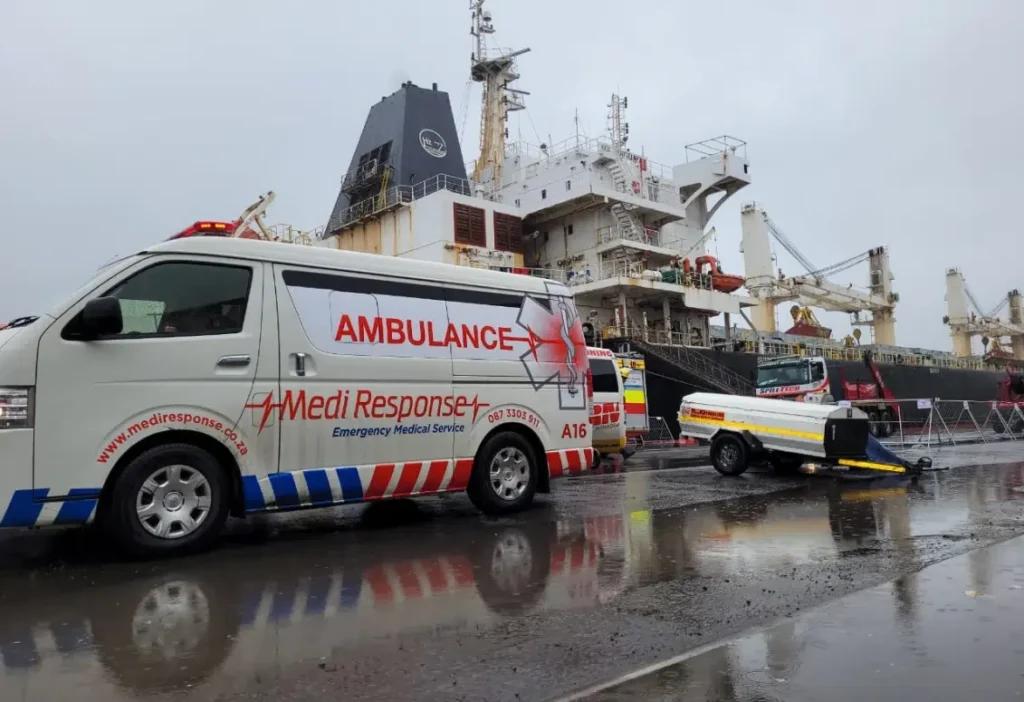
Land-based medical response vehicles are the most commonly recognised emergency medical units. They operate on roads, highways, off-road terrain, and even in industrial environments to provide rapid response during emergencies.
Standard ambulances remain the backbone of land medical services. These vehicles are designed to transport patients safely while paramedics provide treatment during transit. Ambulances range from basic patient transport units to highly advanced emergency response vehicles equipped for critical care situations.
Some common land medical response vehicles include:
- Standard road ambulances
- Advanced life support ambulances
- Rapid response paramedic vehicles
- Off-road rescue vehicles
- Mobile intensive care units
- Mass casualty response trucks
- Motorcycle medical response units
Rapid response cars and motorcycles are especially useful in congested urban areas where larger ambulances may struggle to move quickly through traffic. Off-road rescue vehicles, meanwhile, assist in mountainous, rural, mining, agricultural, and wilderness regions.
Specialised disaster response vehicles are also becoming increasingly important. These large units can transport medical teams, field hospitals, and emergency equipment during major accidents, floods, fires, or public emergencies.
Air medical response vehicles
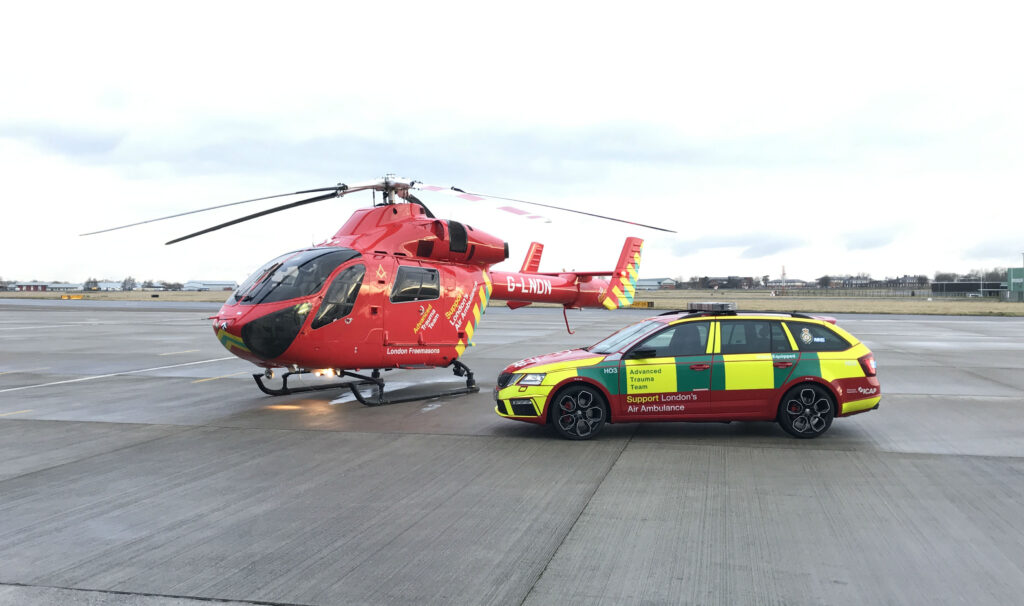
Air medical response vehicles are critical when speed and accessibility become major challenges. Helicopters and specialised medical aircraft allow emergency teams to reach locations that are inaccessible or too far away for land vehicles.
Medical helicopters are commonly used during severe accidents, mountain rescues, offshore emergencies, and critical patient transfers between hospitals. These aircraft are equipped with advanced life support systems and staffed by trained emergency medical personnel capable of treating patients during flight.
Fixed-wing medical aircraft are also used for long-distance patient transfers. These planes are essential for transporting critically ill patients between provinces, countries, or specialised treatment facilities where immediate care is unavailable locally.
Air medical response vehicles offer several advantages:
- Faster access to remote locations
- Reduced transport times during critical emergencies
- Support during natural disasters and large-scale incidents
- Rapid patient transfers between hospitals
- Improved survival chances for severe trauma cases
However, air response systems are expensive to operate and depend heavily on weather conditions, specialised pilots, and coordinated emergency infrastructure.
Water medical response vehicles
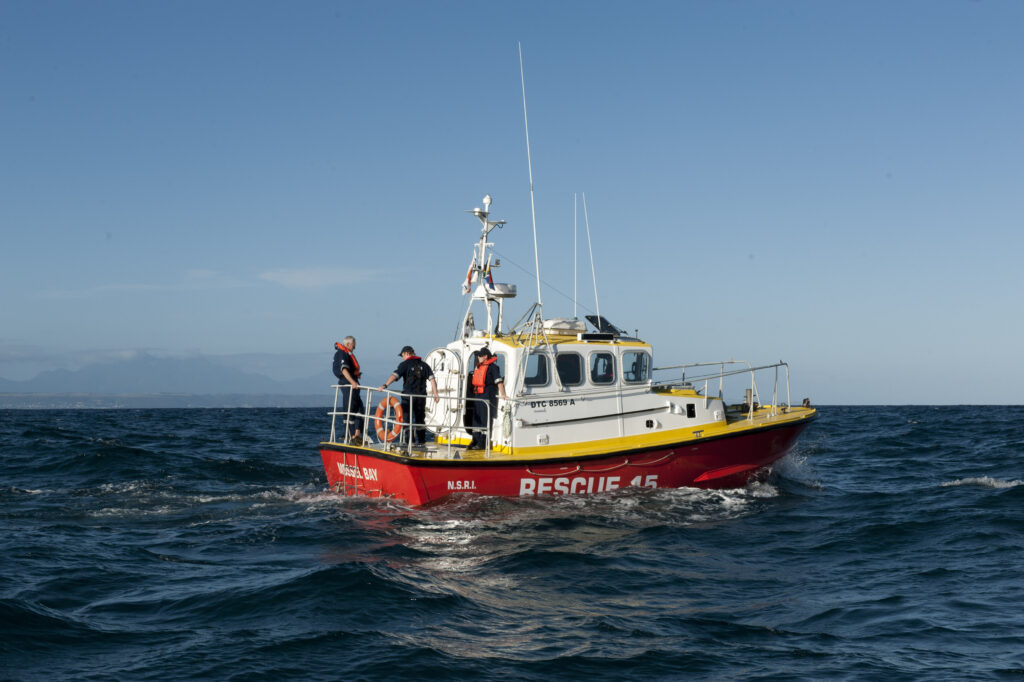
Water-based medical response vehicles play a vital role in coastal regions, harbours, flood zones, rivers, lakes, and offshore environments. These rescue units are specifically designed to reach patients and victims in areas where land access is impossible or dangerous.
Medical rescue boats are commonly used during flooding disasters, maritime accidents, beach emergencies, and water sports incidents. Some are equipped with emergency treatment stations, rescue diving equipment, stretchers, and communication systems to coordinate with land and air emergency teams.
Larger rescue vessels may support search-and-rescue operations far offshore, while smaller rapid-response boats operate in rivers, dams, and urban flood zones. In many coastal countries, medical response boats are essential for supporting fishing industries, tourism, and marine transport networks.
Flood rescue operations have become increasingly important worldwide due to climate-related weather events. During severe flooding, water medical response vehicles can transport injured civilians, deliver medical supplies, and assist evacuation efforts where traditional ambulances cannot operate.
The future of emergency medical vehicles
Medical response vehicles continue to advance alongside developments in technology, sustainability, and healthcare systems. Modern emergency units increasingly rely on GPS tracking, real-time patient monitoring, drone support, digital communications, and integrated dispatch systems.
Electric ambulances and hybrid emergency vehicles are also beginning to appear as organisations look for more sustainable solutions without sacrificing emergency performance. Autonomous systems and AI-assisted dispatch technologies may further improve response times in the future.
Specialised vehicle design is another growing area. Medical response units are now being customised for specific industries, climates, and rescue conditions, including mining operations, extreme weather regions, offshore platforms, and wilderness rescue environments.
As cities expand and climate-related emergencies become more frequent, the need for efficient land, air, and water medical response systems will only continue to grow.
Driving hope when seconds matter
Medical response vehicles are far more than machines with flashing lights and sirens. They represent rapid care, survival, rescue, and hope during some of the most dangerous and emotional moments people can face.
Whether arriving by road ambulance, rescue helicopter, or emergency response boat, these vehicles and their crews form a critical part of modern emergency healthcare systems. Their ability to operate across land, air, and water environments ensures that medical support can reach people almost anywhere when it matters most.