
Farm Transport Vehicles: Essential Machines for Moving Crops, Livestock, and Supplies
Modern farming relies on more than tractors and harvesters. Efficient movement of crops, livestock, tools, and materials is critical to daily operations, making farm transport vehicles an essential part of agricultural productivity. From short-distance hauling within fields to transporting goods between farms and markets, these vehicles keep the agricultural supply chain moving.
This guide explores the main types of farm transport vehicles, how they are used, and why they are vital to both small and large farming operations.
What are farm transport vehicles?
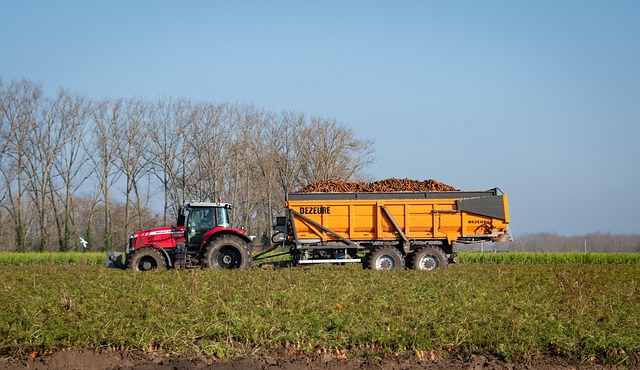
Farm transport vehicles are machines specifically used to move goods, materials, animals, and equipment within and beyond agricultural environments. Unlike road-focused commercial vehicles, these machines are designed to handle uneven terrain, heavy loads, and frequent stop-start work.
They play a key role in:
- Harvest logistics
- Livestock movement
- Feed and supply distribution
- Equipment relocation
Common types of farm transport vehicles
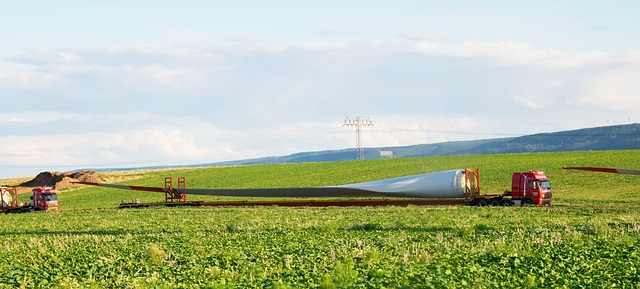
Agricultural trailers
Trailers are among the most widely used farm transport vehicles. They are typically towed by tractors and come in various forms, including flatbed, tipper, and silage trailers. Their flexibility makes them suitable for transporting crops, fertiliser, tools, and harvested produce.
Farm trucks and pickups
Pickups and light-duty trucks are used for longer distances and mixed on-road and off-road travel. They are ideal for moving supplies between farms, transporting produce to markets, and handling daily farm logistics that require speed and reliability.
Livestock transport vehicles
Livestock transport vehicles are designed to safely move animals such as cattle, sheep, pigs, and poultry. These vehicles prioritise ventilation, stability, and ease of loading to reduce stress on animals during transport.
Utility vehicles and UTVs
Utility terrain vehicles (UTVs) and farm bakkies are compact, agile machines used for short-distance transport. They are commonly used to move feed, fencing equipment, tools, and personnel across large farms.
Why farm transport vehicles matter
Efficient transport reduces downtime, limits crop damage, and improves animal welfare. Without reliable farm transport vehicles, harvesting schedules slip, supply chains slow, and labour costs increase.
Key benefits include:
- Faster movement of goods and materials
- Reduced physical strain on farm workers
- Improved coordination between farming tasks
- Better time management during peak seasons
Choosing the right farm transport vehicle
Selecting the right transport vehicle depends on several factors, including farm size, terrain, load requirements, and budget. Smaller farms may rely on trailers and UTVs, while larger operations often require a combination of trucks, specialised trailers, and livestock carriers.
Considerations include:
- Load capacity and frequency of use
- Terrain and road access
- Maintenance and fuel efficiency
- Compatibility with existing farm equipment
Top farm transport brands in South Africa
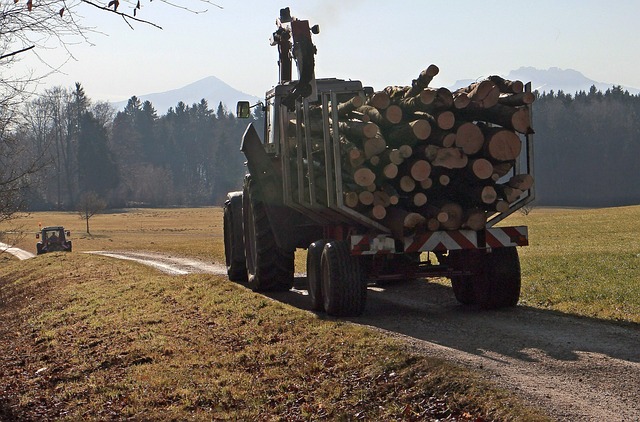
South Africa’s agricultural sector relies on a mix of global manufacturers and locally trusted brands to meet the demanding conditions of farming environments. When it comes to farm transport vehicles, reliability, service availability, and adaptability to rough terrain are key factors influencing brand choice.
Toyota
Toyota is one of the most dominant brands in South African agriculture. Vehicles such as the Hilux are widely used on farms for their durability, ease of maintenance, and strong dealer network. Toyota’s reputation for long-term reliability makes it a popular choice for daily transport and light hauling tasks.
Isuzu
Isuzu has built a strong presence in rural and agricultural regions. Known for robust engines and dependable load-handling, Isuzu pickups and trucks are commonly used for transporting produce, equipment, and supplies between farms and markets.
Ford
Ford’s Ranger range has become a staple on South African farms. With strong towing capabilities and modern safety features, Ford vehicles are often used for mixed farm and road use, offering versatility for both transport and management tasks.
John Deere
While best known for tractors, John Deere also plays a role in farm transport through agricultural trailers and utility solutions. Its equipment is valued for compatibility with existing machinery and long-term support.
New Holland
New Holland provides transport-related solutions such as trailers and farm logistics equipment, often paired with tractors already used on South African farms. The brand is recognised for efficiency and adaptability.
Case IH
Case IH supports farm transport needs through durable trailers and integrated farming solutions, particularly in large-scale commercial operations.
The backbone of agricultural logistics
Farm transport vehicles are the backbone of agricultural logistics, ensuring that crops, animals, and supplies move efficiently from one point to another. As farming operations continue to modernise, these vehicles remain just as important as tractors and harvesters in keeping farms productive and profitable.
Understanding the role and variety of farm transport vehicles helps farmers and agricultural businesses make smarter investment decisions that support long-term success.