Types of Cargo Vehicles
Cargo vehicles are the backbone of modern logistics, moving goods between factories, warehouses, ports, and consumers. From massive long-haul trucks to specialised bulk transport machinery, these vehicles ensure that supply chains operate smoothly across industries and regions.
Understanding the different types of cargo vehicles helps businesses choose the right transport solutions for their operational needs. Each vehicle category serves a specific purpose within the logistics ecosystem, whether it involves moving containerised freight across continents, delivering packages to homes, or transporting raw materials in bulk.
In South Africa and globally, the range of cargo vehicles continues to expand as industries adopt new technologies, automation, and intermodal transport systems. As logistics networks become more complex, knowing the various types of cargo vehicles used across freight and supply chains becomes increasingly important.
Overview of major cargo vehicle categories
Before exploring each category in detail, it helps to understand the main groups that define modern cargo transport.
The primary types of cargo vehicles include:
- Freight vehicles
- Logistics vehicles
- Delivery vehicles
- Heavy transport vehicles
- Intermodal transport vehicles
- Bulk handling vehicles
- Postal transport vehicles
- Cargo support vehicles
- Autonomous cargo vehicles
Each category represents a specialised function within the broader cargo transport ecosystem. Together, these vehicles form an integrated network that supports global trade, manufacturing, retail, and industrial operations.
Freight vehicles

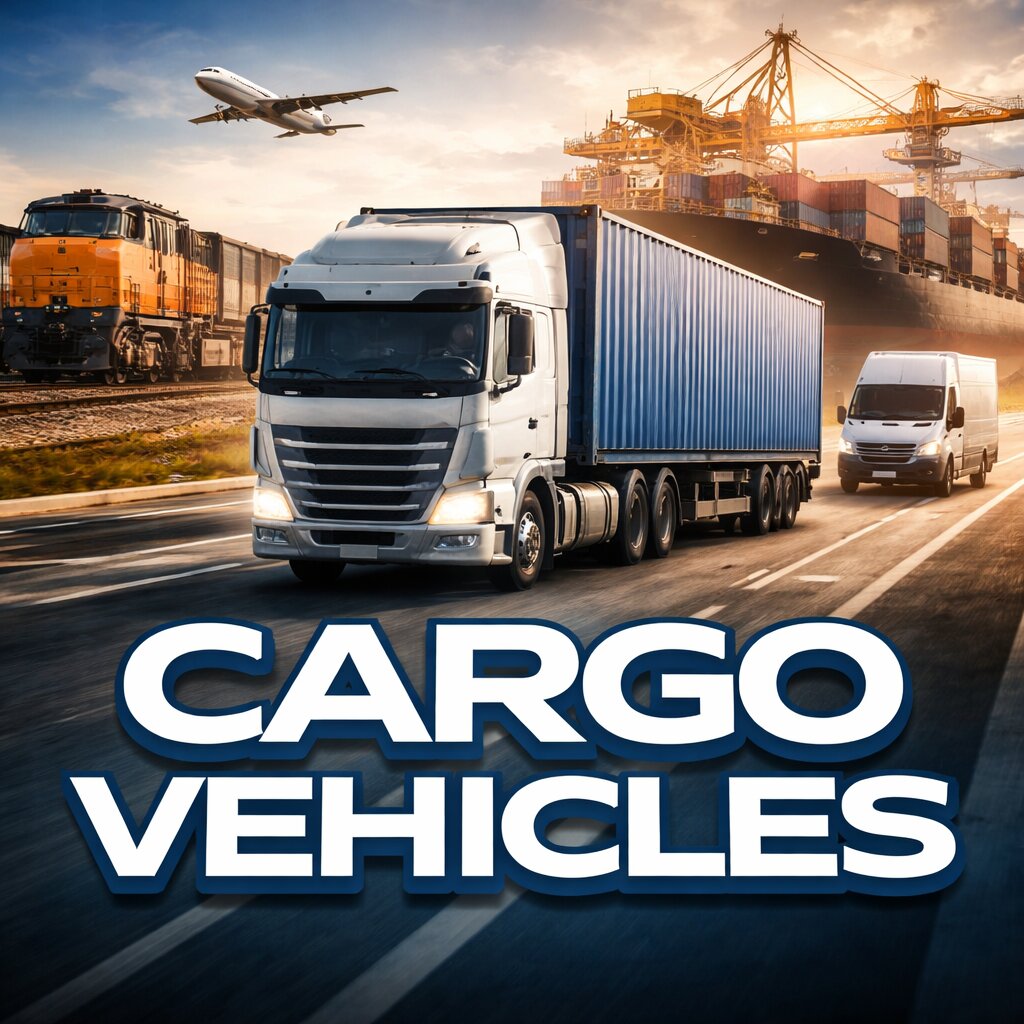
Freight vehicles are among the most recognisable types of cargo vehicles, responsible for transporting large quantities of goods over long distances. These vehicles include long-haul trucks, rail freight systems, and container transport vehicles designed for regional or international shipping routes.
Heavy-duty tractor units pulling container trailers are a common sight on highways across South Africa. These vehicles move containerised cargo between ports, warehouses, and distribution centres, often covering thousands of kilometres on major freight corridors.
Rail freight vehicles also play a major role in this category. Freight locomotives pulling long lines of cargo wagons can move massive volumes of goods such as minerals, fuel, and industrial products far more efficiently than road transport alone.
Freight vehicles are therefore essential to global trade, forming one of the most important types of cargo vehicles used in modern logistics networks.
Logistics vehicles
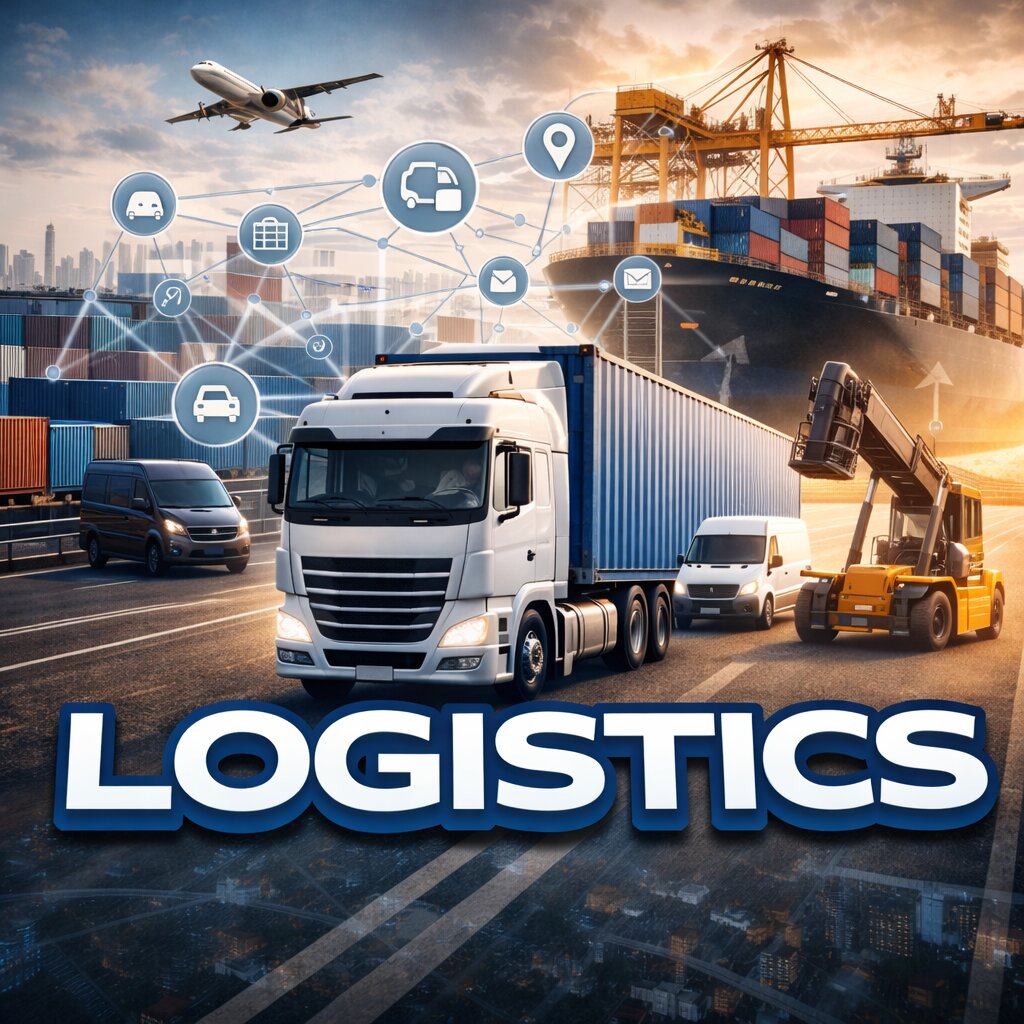
Logistics vehicles focus on the coordination and movement of goods within supply chains rather than long-distance freight transport alone. These types of cargo vehicles are commonly found operating between warehouses, distribution hubs, and regional transport nodes.
Logistics fleets often include medium-duty trucks and container carriers designed for flexible cargo movement. These vehicles may shuttle goods between ports and warehouses or redistribute shipments between regional logistics facilities.
Another key role of logistics vehicles is supporting warehouse operations. Many companies use specialised transport vehicles designed to integrate with loading docks, container systems, and automated storage environments.
By connecting different stages of the supply chain, logistics vehicles represent a critical category among the many types of cargo vehicles supporting modern commerce.
Delivery vehicles

Delivery vehicles represent one of the fastest-growing types of cargo vehicles, largely due to the rise of e-commerce and on-demand retail services. These vehicles are designed for the final stage of the supply chain known as last-mile delivery.
Delivery vans and light commercial vehicles dominate this category. Their compact size allows them to navigate busy city streets, residential areas, and business districts where larger trucks would struggle to operate.
Many logistics companies now operate large fleets of delivery vehicles to manage daily shipments. These vehicles transport parcels, retail goods, food deliveries, and other consumer products directly to homes and businesses.
Because of their critical role in modern retail logistics, delivery fleets have become one of the most visible types of cargo vehicles operating in urban environments.
Heavy transport vehicles

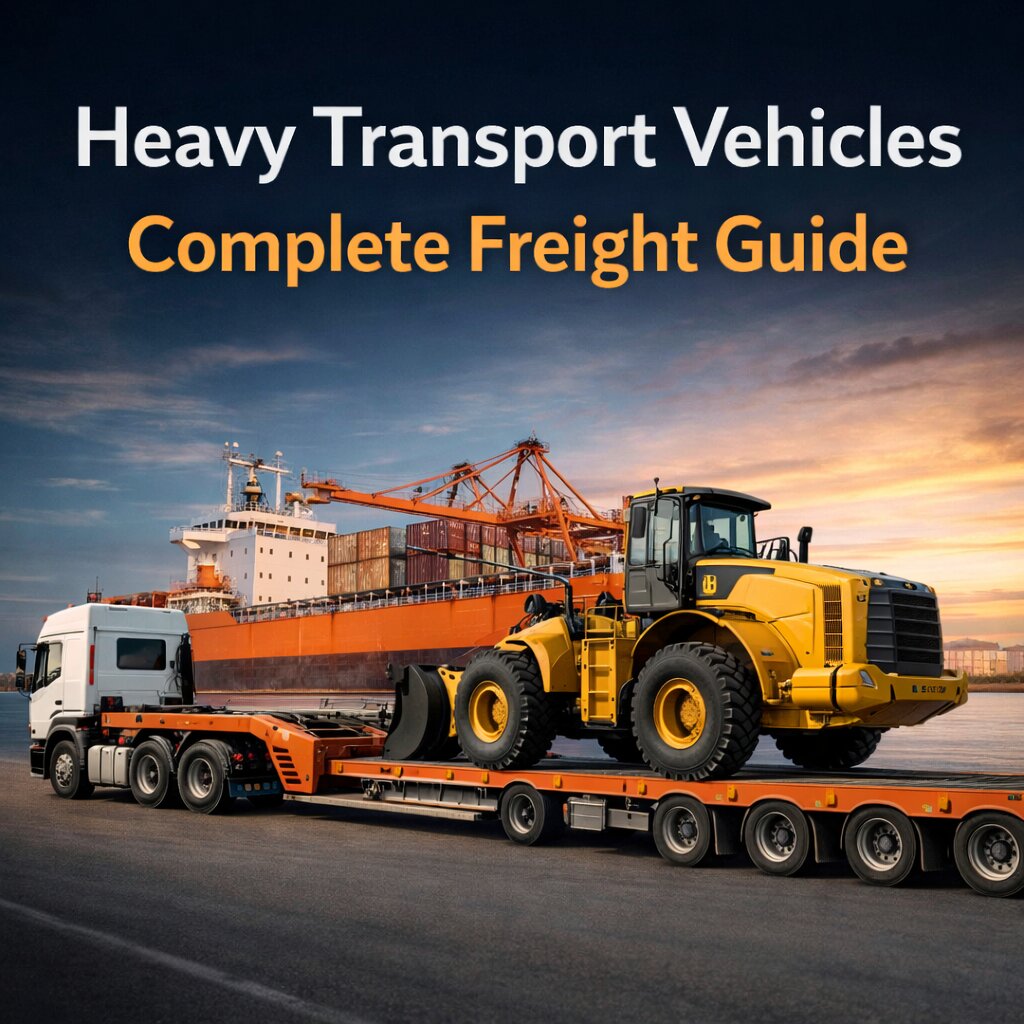
Heavy transport vehicles handle the movement of oversized, extremely heavy, or specialised cargo loads. These types of cargo vehicles are commonly used in industries such as construction, mining, energy, and infrastructure development.
Multi-axle heavy haul trucks are a defining feature of this category. These vehicles are designed to carry massive equipment such as turbines, construction machinery, industrial tanks, and structural components.
Heavy transport also includes maritime cargo vessels capable of moving thousands of containers or large industrial loads across oceans. Ships play a crucial role in global logistics, moving goods between continents before road and rail vehicles distribute them inland.
Due to their scale and engineering complexity, heavy transport vehicles represent some of the most powerful types of cargo vehicles operating in the global supply chain.
Intermodal transport vehicles
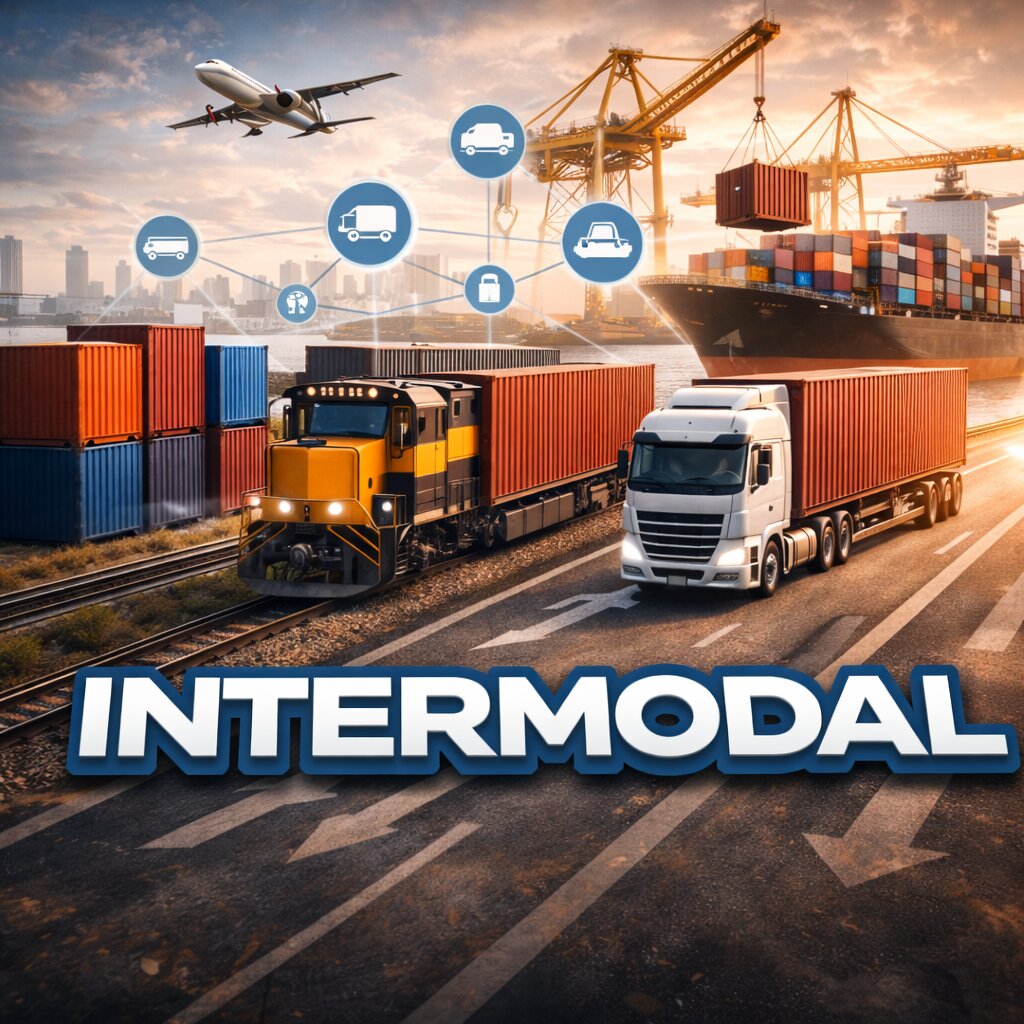
Intermodal transport vehicles are designed to move standardised cargo containers between different transport systems. These types of cargo vehicles enable seamless transitions between ships, trains, and trucks without unloading the cargo itself.
Container trucks and rail wagons are the most common intermodal vehicles. Both are designed to carry standard shipping containers that can be transferred quickly between transport modes at ports or logistics hubs.
This system significantly improves efficiency by reducing handling time and minimising the risk of cargo damage during transfers. Intermodal transport also allows goods to travel longer distances using the most efficient combination of transport methods.
As global trade continues to expand, intermodal systems have become one of the most efficient types of cargo vehicles networks used in international logistics.
Bulk handling vehicles

Bulk handling vehicles are specialised machines designed to transport loose materials such as grain, coal, minerals, and construction aggregates. These types of cargo vehicles are essential in industries that move raw materials in large quantities.
Dump trucks are a common example of bulk transport vehicles, often used in mining and construction sites. These trucks carry large volumes of materials from excavation areas to processing plants or storage facilities.
Other bulk handling vehicles include grain transport trucks, conveyor loading systems, and port-based bulk cargo machinery that transfers materials directly into ships or rail wagons.
Because many industrial sectors rely on raw material movement, bulk transport equipment forms another critical group of types of cargo vehicles used in global industry.
Postal transport vehicles

Postal transport vehicles specialise in moving letters, parcels, and courier shipments across national and international postal networks. These types of cargo vehicles support both government postal services and private courier companies.
Postal fleets typically include light vans and medium delivery trucks designed to move large volumes of small packages efficiently. These vehicles operate between sorting facilities, regional depots, and local delivery routes.
Air cargo aircraft are also used in postal transport systems, enabling fast international mail delivery. These aircraft move packages between countries before ground transport fleets complete the final distribution.
By supporting global communication and commerce, postal vehicles remain one of the most essential types of cargo vehicles operating in everyday logistics.
Cargo support vehicles

Cargo support vehicles assist the broader logistics network by providing operational, maintenance, and handling support. These types of cargo vehicles are commonly found at ports, warehouses, airports, and industrial logistics centres.
Examples include container handling machines, mobile maintenance vans, and inspection vehicles used to monitor cargo equipment and infrastructure. Without these support vehicles, large cargo operations would struggle to function efficiently.
Support fleets also include towing vehicles, mobile workshops, and specialised transport used to move equipment within logistics facilities.
Although they do not always transport cargo directly, these vehicles are still important types of cargo vehicles that help maintain smooth logistics operations.
Autonomous cargo vehicles

Autonomous cargo vehicles represent one of the most exciting technological developments in logistics. These types of cargo vehicles use advanced sensors, artificial intelligence, and navigation systems to operate with limited or no human input.
Self-driving trucks are already being tested for long-distance freight transport, with the goal of improving safety and reducing operational costs. These vehicles use radar, cameras, and AI systems to navigate highways and manage traffic conditions.
Autonomous delivery robots and small electric cargo vehicles are also being developed for urban logistics environments. These machines may soon handle local deliveries in dense city areas.
While still evolving, autonomous systems could soon become one of the most transformative types of cargo vehicles shaping the future of transportation and logistics.
Explore more cargo vehicle categories
Cargo transport continues to evolve as industries demand faster, safer, and more efficient logistics solutions. From freight trucks and delivery vans to autonomous systems and bulk transport equipment, the wide range of types of cargo vehicles reflects the complexity of modern supply chains.
To explore these categories in greater detail, browse our Cargo Vehicles section on Driver Digest South Africa, where we break down each vehicle type and the technologies shaping the future of cargo transport.