Freight Vehicles: The Backbone of Modern Cargo Transport
Freight vehicles play a critical role in the global supply chain, transporting goods across cities, countries, and continents. From food and construction materials to retail products and industrial equipment, these vehicles ensure that businesses receive the supplies they need and customers receive the products they order.
In South Africa, freight transport relies heavily on road logistics due to the country’s large distances between major economic centres. Freight vehicles move cargo between ports, distribution hubs, warehouses, factories, construction sites, and retail stores every single day.
Understanding the different types of freight vehicles and their functions helps businesses choose the right transport solutions for their logistics operations. Whether hauling heavy machinery or delivering retail goods, each freight vehicle is designed to meet specific cargo transport needs.
The role of freight vehicles in modern logistics
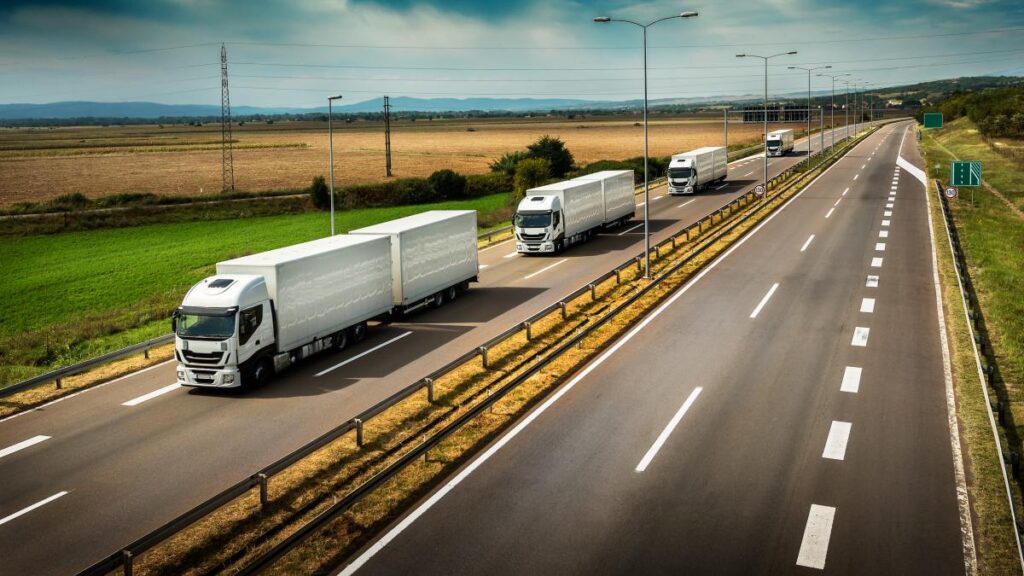
Freight vehicles are essential to the movement of goods within supply chains. Without them, industries such as manufacturing, construction, agriculture, and retail would struggle to maintain consistent operations.
In South Africa, road freight accounts for the majority of domestic cargo transport. While rail and sea freight handle large bulk shipments and international trade, freight vehicles provide the flexibility needed for last-mile delivery and regional distribution.
Freight vehicles also allow companies to transport goods directly between locations without relying on fixed infrastructure like railway lines or ports. This flexibility is especially important for industries that require rapid or time-sensitive deliveries.
Advances in logistics technology, route planning systems, and vehicle tracking have further improved the efficiency of freight vehicles, allowing businesses to optimise delivery schedules and reduce transport costs.
Types of freight vehicles used in cargo transport
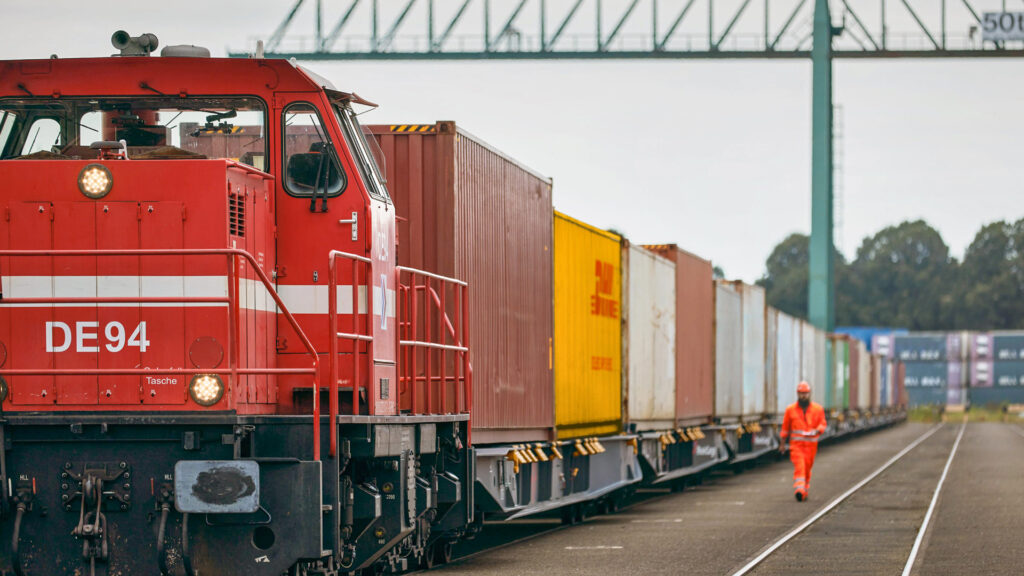
Freight vehicles come in many forms, each designed for specific cargo types and transport distances. Choosing the right vehicle ensures that goods are transported safely and efficiently.
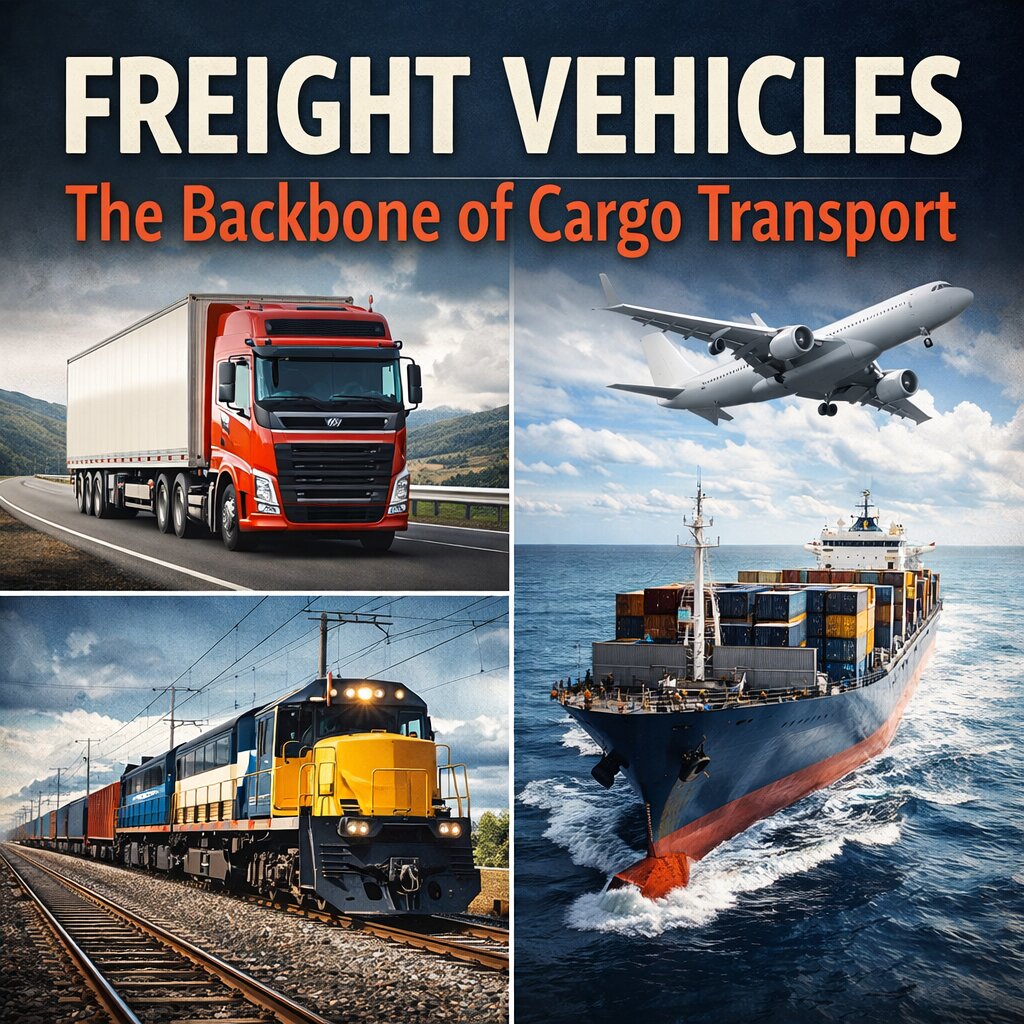
Common types of freight vehicles include:
- Road freight – Trucks, articulated lorries, refrigerated trucks, and cargo vans used for regional and last-mile deliveries.
- Rail freight – Freight locomotives and cargo wagons designed to transport bulk materials such as coal, minerals, and containers.
- Cargo ships and freight – Container ships, bulk carriers, and tanker ships used for transporting goods across oceans and major trade routes.
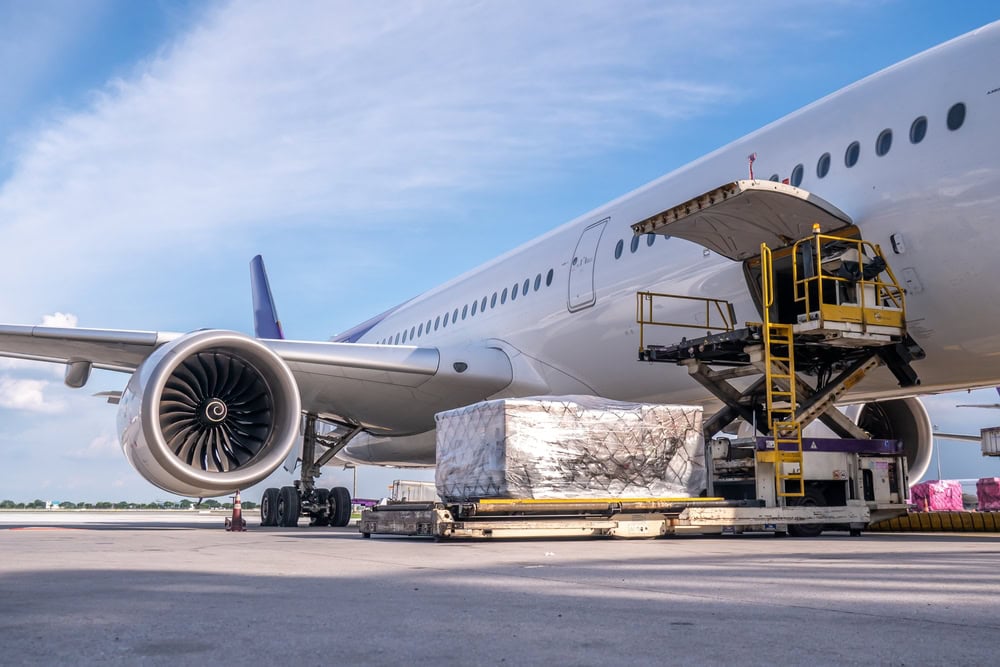
- Air cargo aircraft – Specialised cargo planes used for high-value, urgent, or long-distance freight shipments.
- Intermodal freight – Transport systems that combine multiple transport modes, such as containers moved by ship, rail, and truck.
Each type of freight transport or cargo vehicle plays a specific role within the logistics ecosystem, helping businesses move cargo efficiently between production facilities, warehouses, and retail locations.
Key industries that rely on freight vehicles
Many sectors depend on freight vehicles to keep operations running smoothly. Without reliable cargo transport, supply chains would quickly slow down or stop entirely.
The construction industry uses freight vehicles to transport heavy equipment, building materials, and specialised machinery to project sites. Flatbed trucks and articulated vehicles are particularly common in this sector.
Retail and distribution businesses depend on freight vehicles to move goods from warehouses to stores. Box trucks and medium-duty freight vehicles are commonly used for regional and last-mile deliveries.
Agriculture and food distribution also rely heavily on freight vehicles, particularly refrigerated trucks that maintain strict temperature control during transport. These vehicles ensure that fresh produce, dairy products, and frozen goods reach markets safely.
Industrial manufacturing operations depend on freight vehicles to transport raw materials, machinery parts, and finished products between factories and distribution centres.
Top freight vehicle brands in South Africa
South Africa’s freight transport sector uses a variety of truck brands known for durability, reliability, and cargo capacity. Many of these manufacturers produce vehicles specifically designed for heavy-duty logistics operations.
Volvo Trucks, Scania, and Mercedes-Benz Trucks dominate the road freight sector, providing powerful vehicles for long-haul cargo transport across the country.
Transnet Freight Rail operates the largest rail freight network in South Africa, transporting minerals, bulk goods, and container cargo across thousands of kilometres of rail infrastructure.
In maritime freight, major global shipping companies such as Maersk, MSC (Mediterranean Shipping Company), and CMA CGM move large volumes of cargo through ports like Durban, Cape Town, and Port Elizabeth.
Air freight transport in South Africa is supported by cargo operators such as DHL Aviation, FedEx Express, and Qatar Airways Cargo, which connect the country to international logistics networks.
Freight transport and the future of cargo transport

The freight industry continues to evolve as new technologies improve logistics efficiency and vehicle performance. Modern freight vehicles now include advanced telematics systems that allow companies to monitor routes, fuel consumption, and driver behaviour in real time.
Electric and hybrid freight vehicles are also beginning to enter the market as companies explore ways to reduce emissions and fuel costs. While adoption is still growing, these vehicles may play a larger role in the future of cargo transport.
Automation and autonomous driving technologies are also being explored in the logistics sector. Although fully autonomous freight vehicles are not yet widespread, these innovations could eventually transform how cargo is transported.
As supply chains continue to expand and e-commerce demand grows, freight vehicles will remain a vital part of global and regional logistics networks.
The machines that keep goods moving
Freight transport and cargo vehicles are the backbone of modern cargo transport, ensuring that goods move efficiently between manufacturers, warehouses, retailers, and customers.
With a wide range of specialised vehicle types designed for different cargo needs, freight transport remains one of the most important components of the global logistics system.
As technology continues to improve vehicle performance, safety, and efficiency, freight vehicles will continue to evolve while maintaining their essential role in keeping supply chains moving.