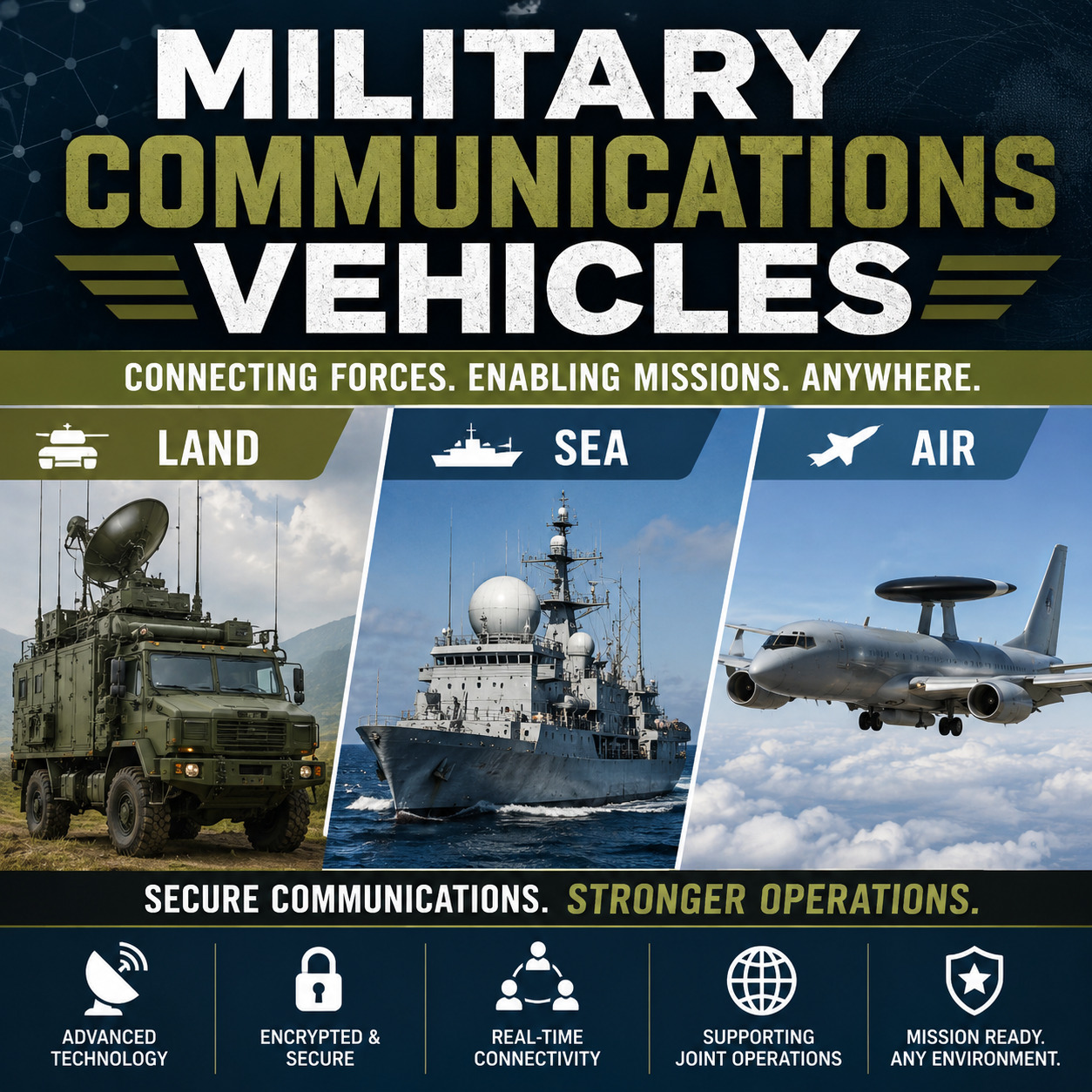
Military Communications Vehicles Across Land, Sea and Air
Modern military operations rely heavily on effective communication. From coordinating troop movements to directing air support and naval operations, military communications vehicles play a critical role in ensuring that information reaches the right people at the right time.
These specialised vehicles act as mobile command centres, communication relays, and network hubs. They enable armed forces to maintain connectivity even in remote environments, disaster zones, combat situations, and areas where traditional infrastructure is unavailable or compromised.
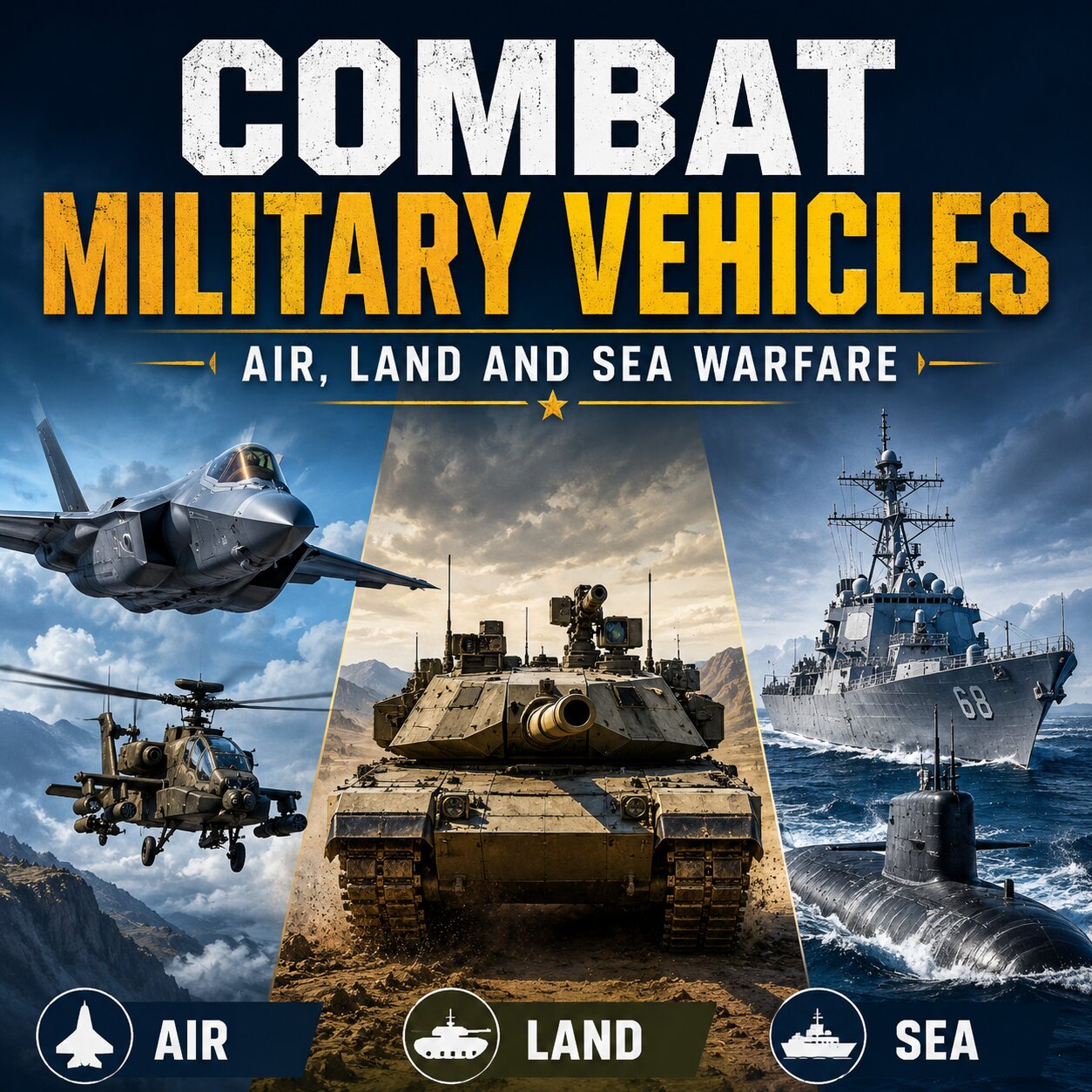
Military communications vehicles are used by armies, navies, air forces, and joint task forces around the world.
Why military communications vehicles are important
Communication has always been one of the most important elements of military success. Modern warfare requires commanders to share intelligence, coordinate units, and react quickly to changing situations.
Military communications vehicles provide secure and reliable channels for voice, data, video, and satellite communications. Many are equipped with advanced encryption systems to protect sensitive information from interception.
These vehicles also support disaster relief operations, peacekeeping missions, border security, and humanitarian assistance programmes where communication infrastructure may be limited or damaged.
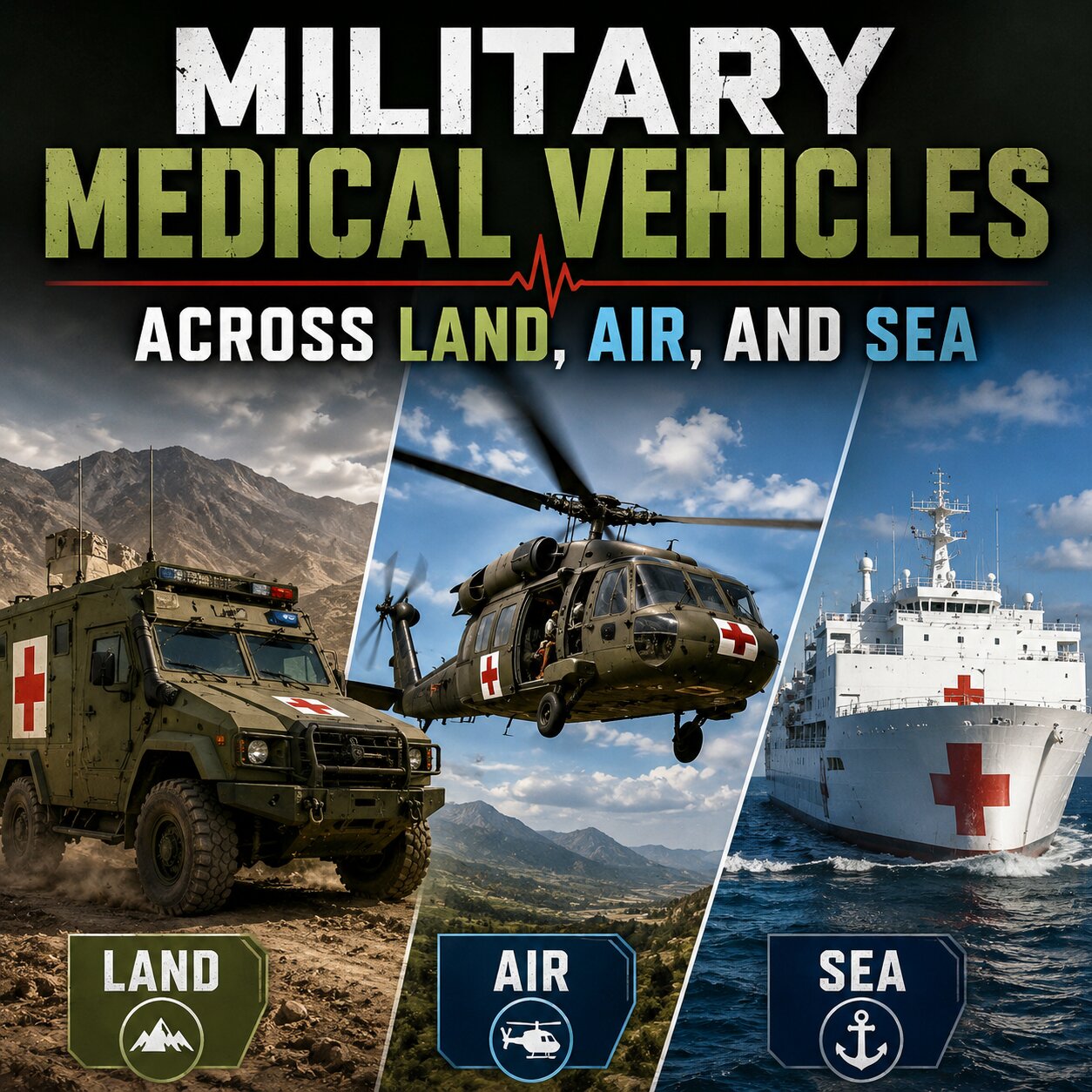
Military communications vehicles on land
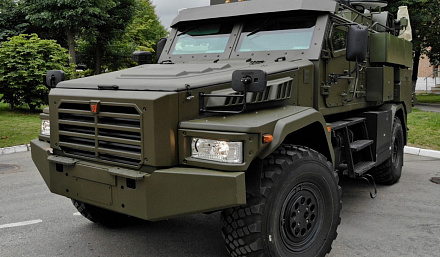
Land-based military communications vehicles are among the most common types used by armed forces. They are often built on trucks, armoured personnel carriers, or specialised military platforms.
Examples include mobile command vehicles, tactical communication trucks, battlefield network centres, and mobile satellite communication units. These vehicles allow commanders to maintain contact with frontline troops while remaining mobile.
Many modern systems can establish secure communication networks within minutes of arriving at a location. They often include radio systems, satellite links, computer networks, and drone communication capabilities.
Military communications vehicles at sea
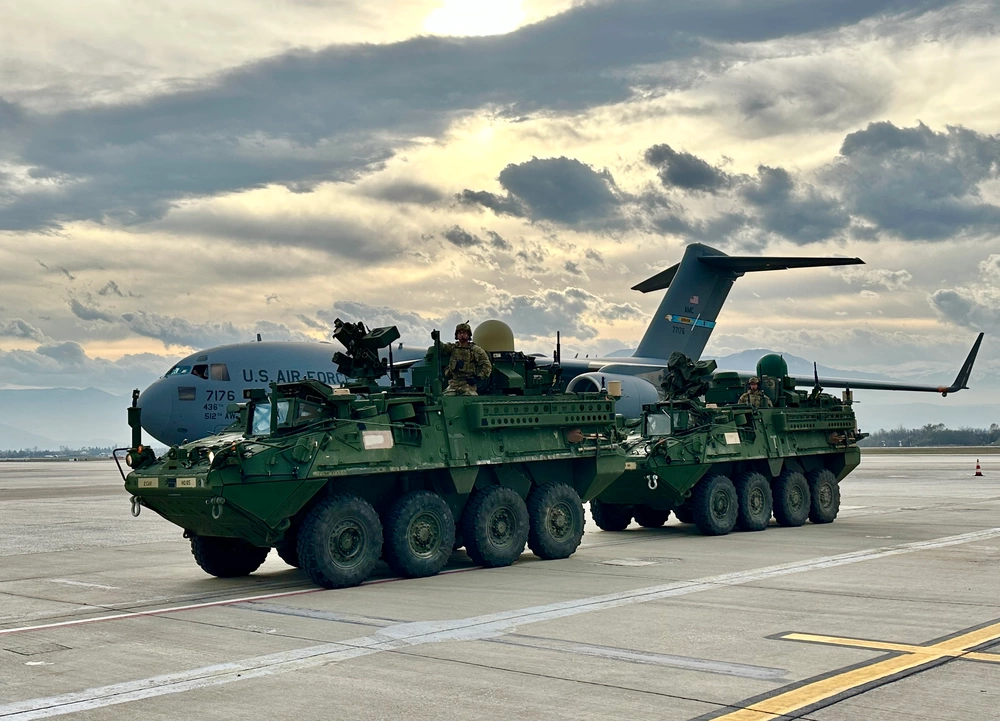
Naval communication platforms play a vital role in coordinating fleets, submarines, maritime patrol aircraft, and coastal defence systems.
Common examples include command ships, communications support vessels, intelligence collection ships, and fleet coordination vessels. These platforms act as floating communication hubs capable of connecting ships operating across vast distances.
Key capabilities often include:
- Long-range radio communications
- Satellite communication systems
- Fleet command and control networks
- Intelligence sharing capabilities
- Air and maritime traffic coordination
- Secure encrypted communications
- Joint operations support
These systems allow naval forces to maintain situational awareness while operating far from traditional communication infrastructure.
Military communications vehicles in the air
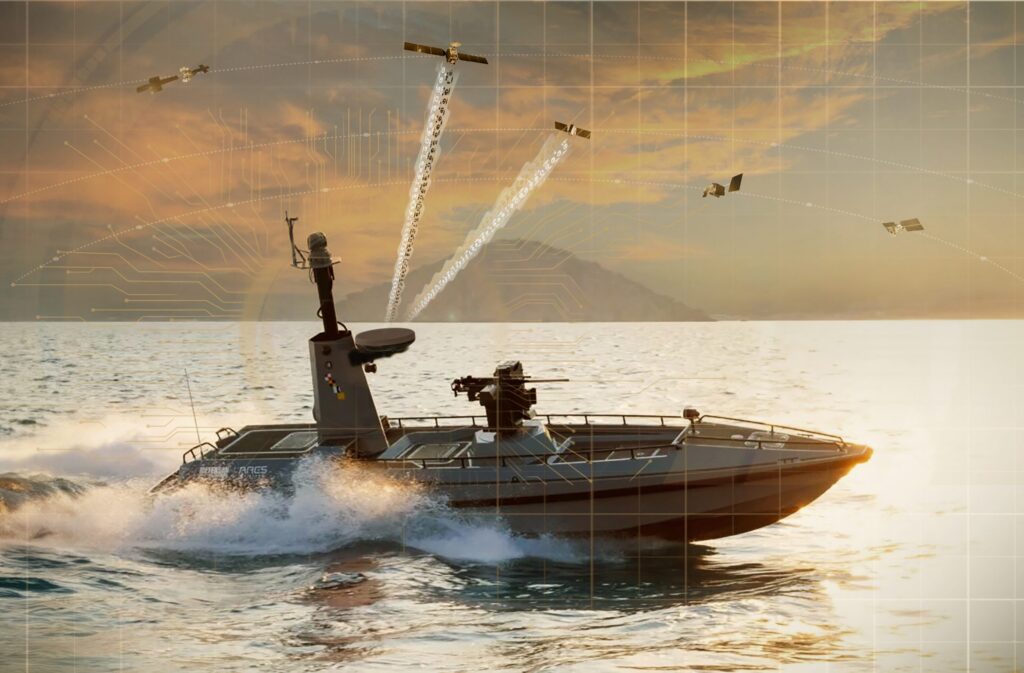
Airborne communication platforms extend communication coverage over large areas and can support both military and civilian operations.
Examples include airborne command posts, communications relay aircraft, electronic warfare aircraft, and specialised surveillance platforms. Some aircraft are designed specifically to act as communication bridges between ground, sea, and air assets.
These platforms are particularly valuable in mountainous terrain, remote regions, and large-scale military operations where line-of-sight communications may be restricted.
Airborne communication systems can also provide redundancy during emergencies, ensuring critical information continues flowing even if ground-based infrastructure is disrupted.
The Future of Military Communications Vehicles
As military technology continues to evolve, communications vehicles are becoming more sophisticated and interconnected. Artificial intelligence, satellite constellations, unmanned systems, and advanced cybersecurity measures are transforming how military networks operate.
Whether on land, at sea, or in the air, military communications vehicles remain essential tools for modern defence forces. Their ability to connect personnel, equipment, and command structures helps ensure that military operations can be coordinated effectively across multiple domains and challenging environments.