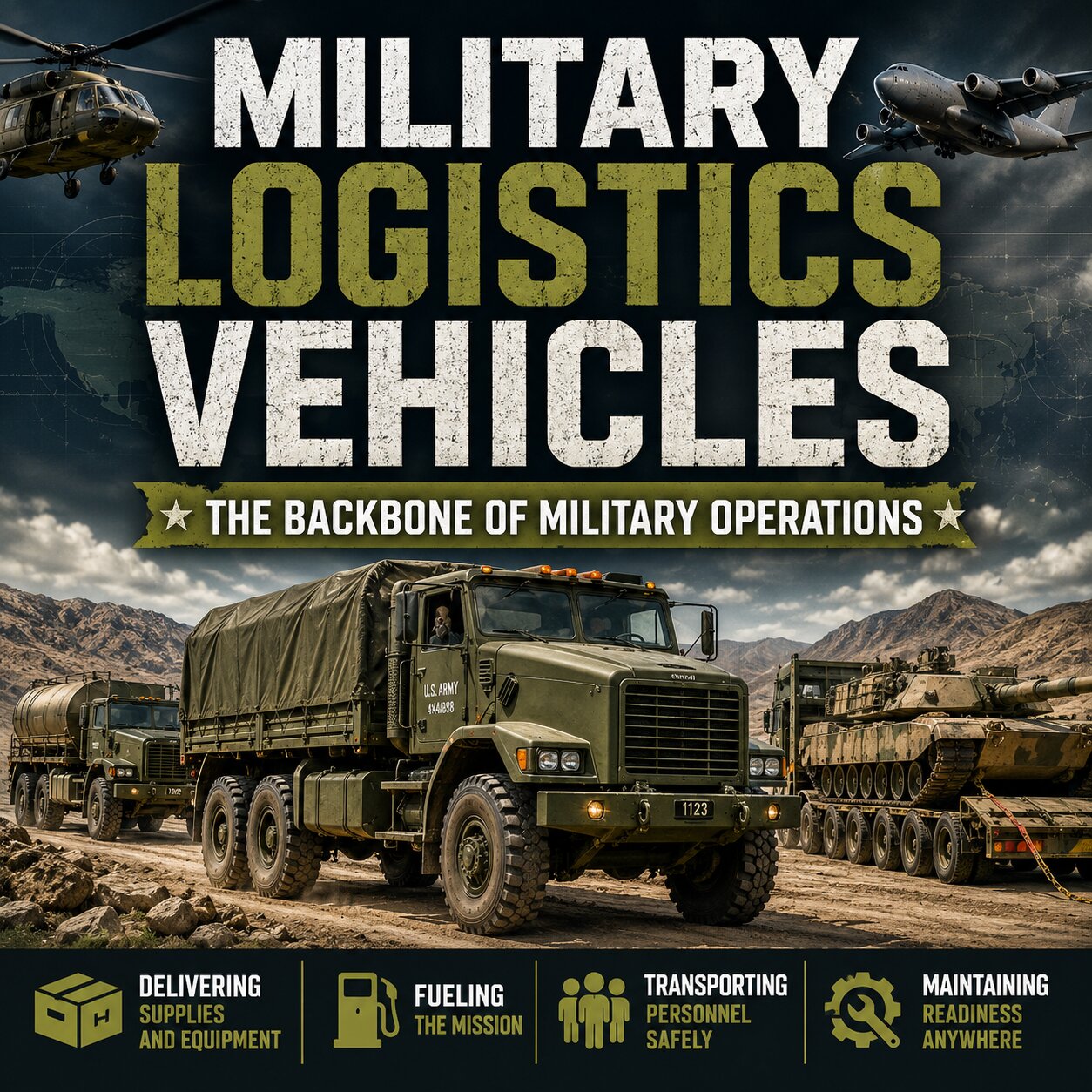
Military Logistics Vehicles: The Backbone of Military Operations
Military logistics vehicles play a vital role in every military operation, whether during peacetime, disaster relief missions, training exercises, or active combat deployments. While tanks and fighter aircraft often receive the most attention, military logistics vehicles are responsible for keeping armed forces supplied, mobile, and operational.
Without military logistics vehicles, troops would quickly run out of fuel, food, ammunition, medical supplies, and essential equipment. These support vehicles form the foundation of military logistics networks across the world.
Understanding military logistics vehicles provides valuable insight into how modern militaries sustain operations across vast distances and challenging environments.
What Are Military Logistics Vehicles?
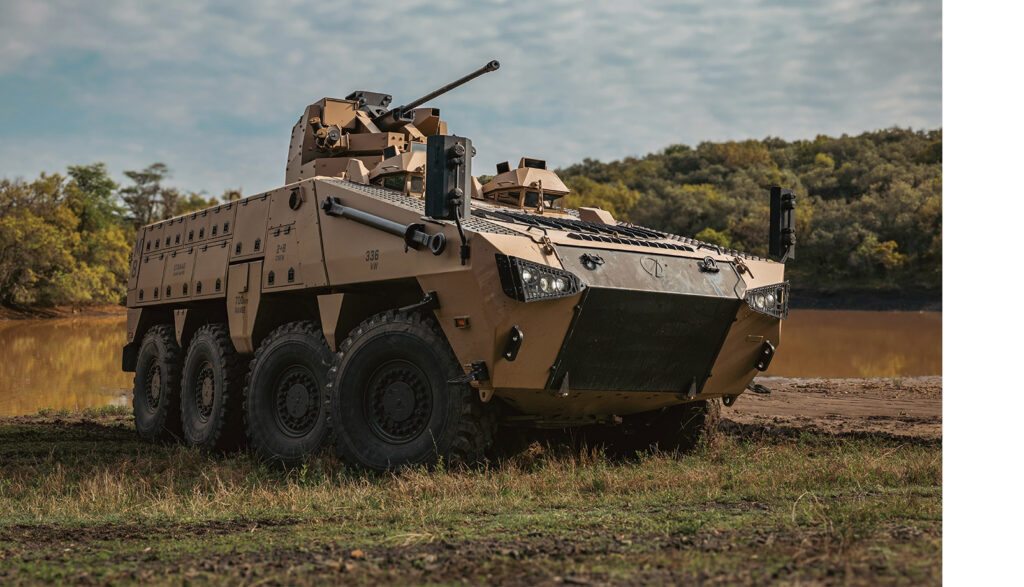
Military logistics vehicles are specialised transport and support vehicles designed to move personnel, equipment, supplies, and resources throughout military operations. Their primary purpose is sustainment rather than direct combat.
These vehicles come in various sizes and configurations. Some are designed to carry cargo and supplies, while others transport fuel, engineering equipment, or military personnel. Certain military logistics vehicles are even capable of recovering damaged vehicles from the battlefield.
Although many are lightly armed or unarmed, modern logistics military vehicles often include protective features to improve crew safety when operating in high-risk environments.
Their contribution ensures frontline units can remain focused on their mission objectives.
The Essential Roles of Military Logistics Vehicles
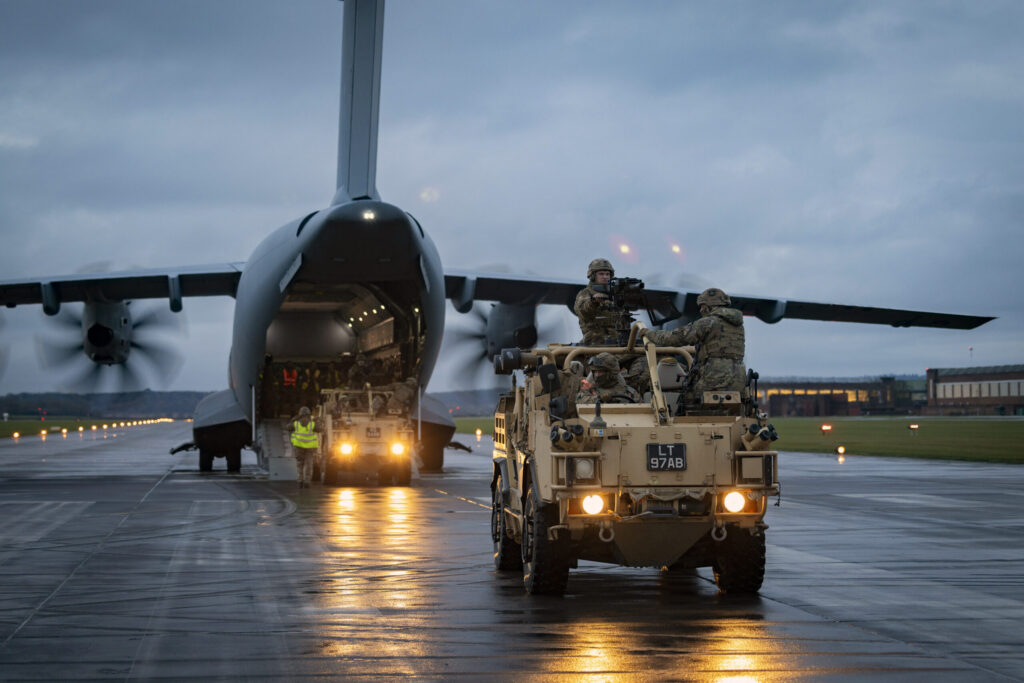
Military logistics vehicles support nearly every aspect of military operations. Their responsibilities extend far beyond simply transporting cargo.
Fuel delivery vehicles keep tanks, aircraft, and support equipment operational. Cargo transport vehicles deliver ammunition, food, water, and spare parts. Personnel carriers move troops efficiently between bases and deployment zones.
Military logistics vehicles also support engineering projects by transporting construction materials, bridge components, and specialised machinery. In humanitarian missions, they help distribute aid and emergency supplies to affected communities.
The success of military operations often depends on how effectively these vehicles perform their tasks.
Common Types of Military Logistics Vehicles
Military organisations operate a wide range of logistics military vehicles to fulfil different support functions:
- Cargo trucks for transporting equipment and supplies.
- Fuel tankers for delivering fuel to operational units.
- Heavy equipment transporters for moving tanks and armoured vehicles.
- Troop transport vehicles for safely relocating personnel.
- Recovery vehicles for towing damaged military assets.
- Engineering support vehicles carrying specialised equipment.
- Mobile maintenance vehicles for field repairs.
- Medical support vehicles transporting equipment and supplies.
Each category contributes to the broader logistics network that supports military readiness.
Why Military Logistics Vehicles Matter
History has repeatedly shown that logistics often determines the success or failure of military campaigns. Even the most advanced combat units cannot operate without a steady supply of resources.
Logistics military vehicles provide the connection between supply depots, command centres, maintenance facilities, and frontline forces. They ensure critical resources arrive where they are needed and when they are needed.
Advances in technology continue to improve the capability of military logistics vehicles. Modern designs offer enhanced mobility, improved reliability, greater payload capacity, and increased protection for crews operating in hostile conditions.
As military operations become more complex, logistics remains one of the most important aspects of military planning.
The Unsung Heroes of Military Operations
Military logistics vehicles may not receive the same recognition as tanks or combat aircraft, but they are among the most important assets within any armed force. They keep troops supplied, equipment functioning, and operations moving forward.
From delivering fuel and ammunition to transporting personnel and recovering damaged equipment, logistics military vehicles form the backbone of military support systems. Their reliability and versatility ensure that military forces can operate effectively across diverse environments and challenging situations around the globe.