Military Medical Vehicles Across Land, Air, And Sea
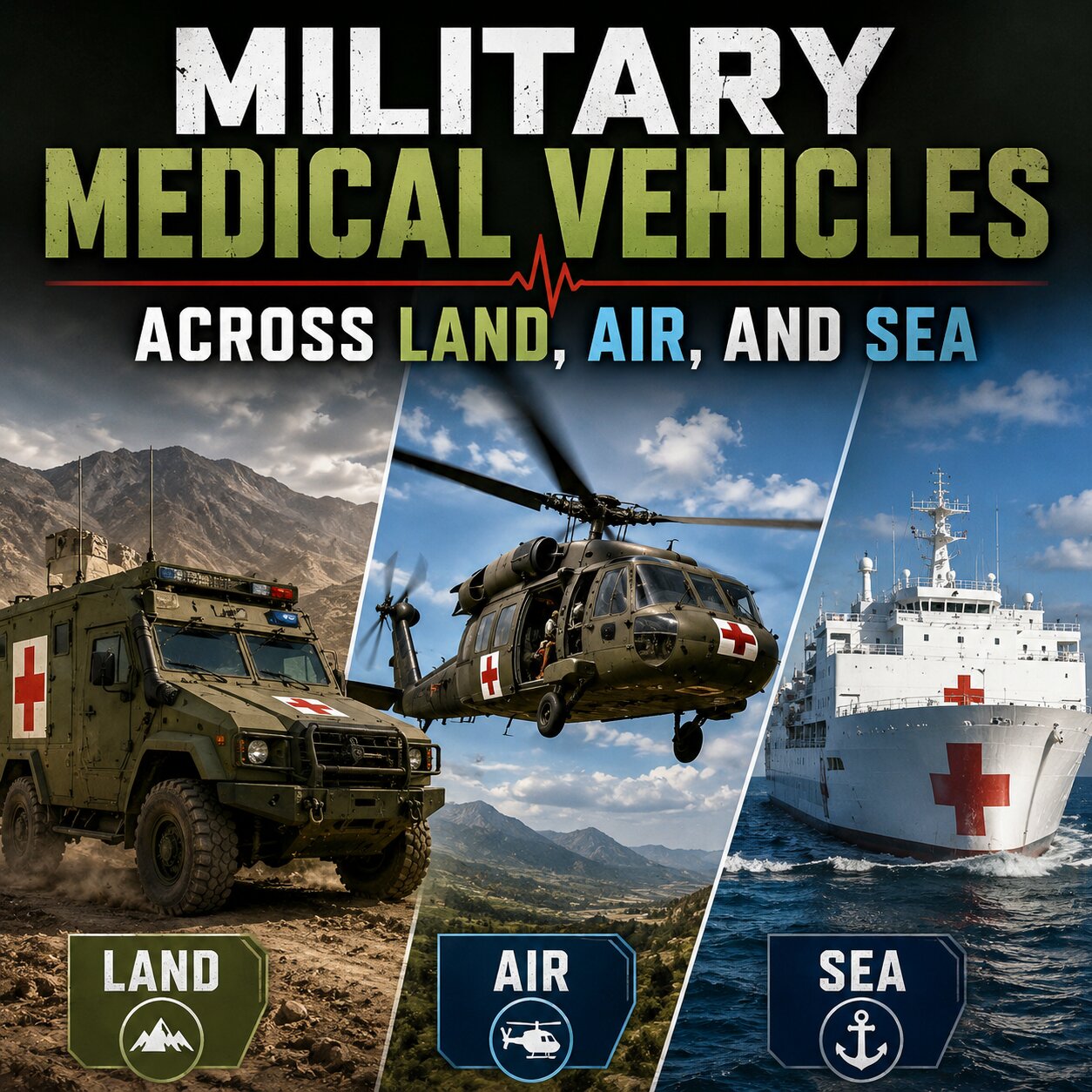
Military medical vehicles play a critical role in modern armed forces by ensuring injured personnel receive rapid treatment and evacuation from dangerous environments. These specialised vehicles are designed to transport casualties, provide emergency medical care, and support military operations across a variety of terrains and combat situations. From armoured ambulances on the battlefield to medical helicopters and hospital ships, military medical vehicles form an essential part of military healthcare logistics.
As military technology advances, military medical vehicles continue to evolve with improved protection, communications systems, and onboard medical equipment. Their primary objective remains the same: preserving lives and improving survival rates during military operations and humanitarian missions.
Land-Based Military Medical Vehicles
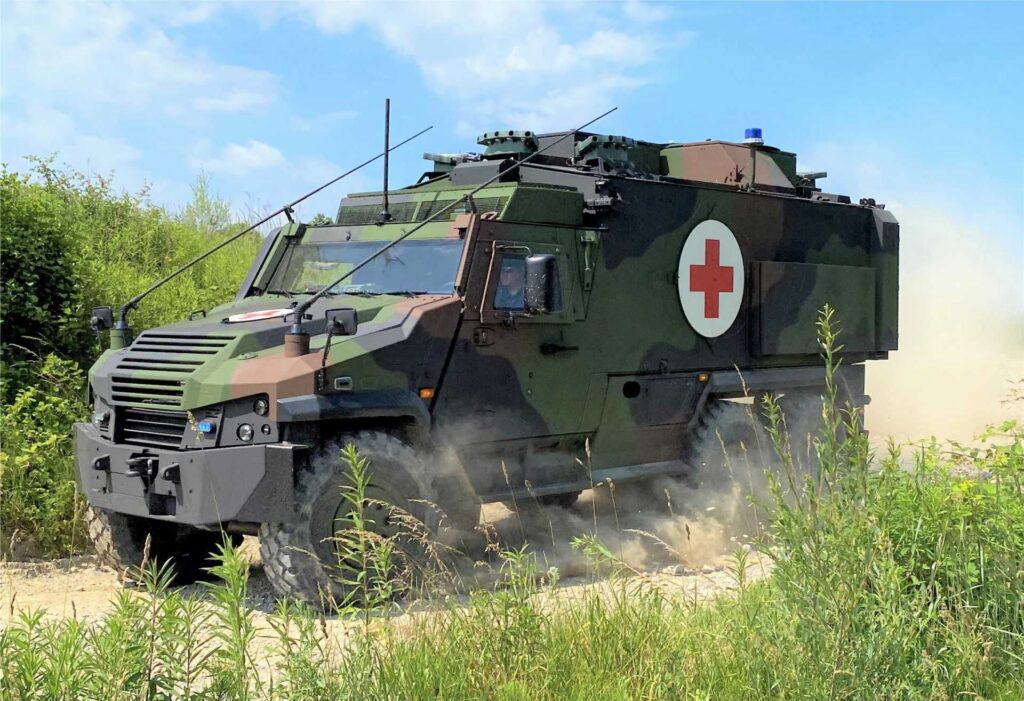
Land-based military medical vehicles are often the first link in the casualty evacuation chain. These vehicles are designed to safely transport wounded personnel from frontline positions to field hospitals or more advanced medical facilities.
Many medical military vehicles operating on land are based on armoured personnel carriers or tactical trucks. Their armour protection allows medics to reach casualties in hostile environments while reducing risks to both patients and medical teams.
Modern land-based military medical vehicles frequently include advanced life-support equipment, patient monitoring systems, oxygen supplies, and space for multiple casualties. Some are configured as mobile treatment centres capable of stabilising patients before transport.
Examples include armoured ambulances, field surgical units, and protected casualty evacuation vehicles used by military forces worldwide.
Airborne Medical Evacuation Vehicles
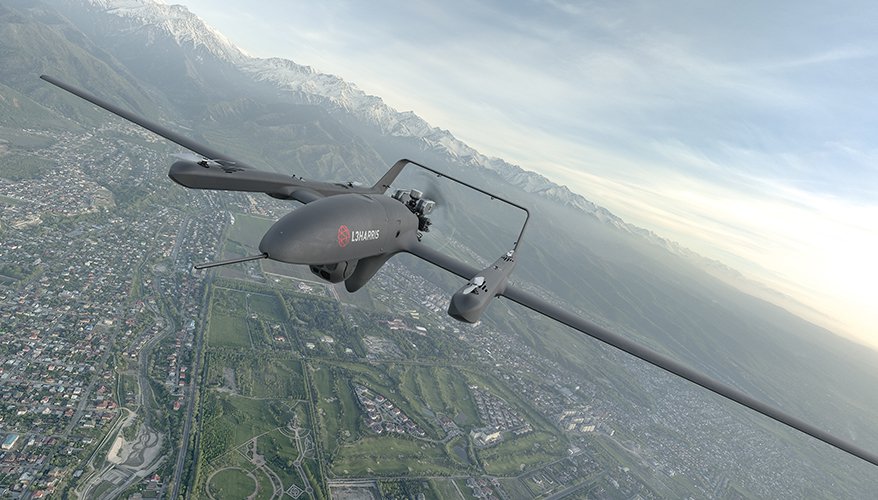
Air-based military medical vehicles provide rapid transport for critically injured personnel when time is a crucial factor. Helicopters and specialised medical aircraft significantly reduce evacuation times and improve access to advanced treatment facilities.
Medical helicopters are among the most recognisable military medical vehicles. They can reach remote locations, combat zones, and disaster areas that may be inaccessible to ground vehicles. Their speed often makes the difference between life and death during severe injuries.
Fixed-wing aircraft also serve as medical military vehicles during large-scale operations. These aircraft can transport multiple patients over long distances while providing intensive medical care throughout the flight.
Modern airborne medical vehicles often feature advanced communications systems that allow medical teams to coordinate with receiving hospitals and military command centres in real time.
Sea-Based Military Medical Vehicles
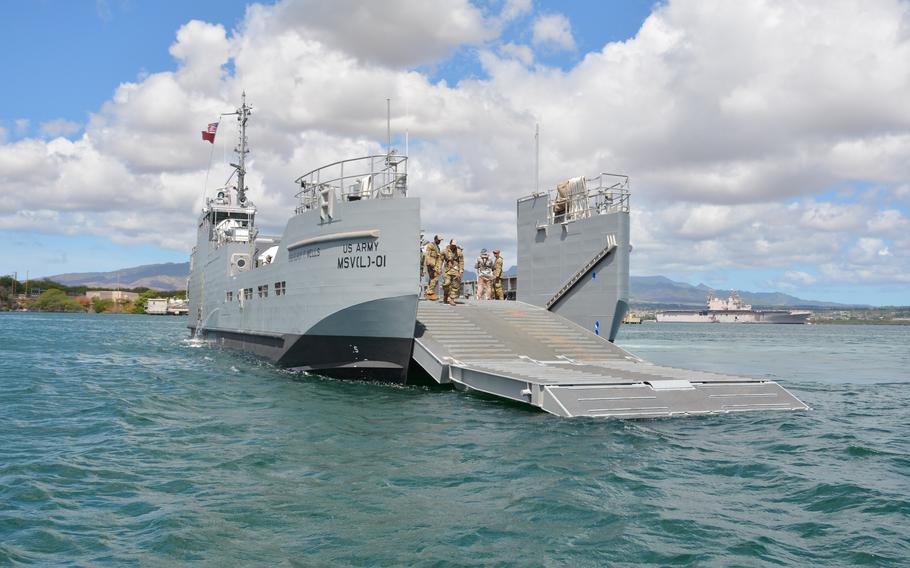
Naval forces rely on specialised military medical vehicles to support personnel deployed at sea. Hospital ships and medical support vessels provide comprehensive healthcare capabilities during military operations, humanitarian missions, and disaster relief efforts.
Large hospital ships function as floating medical centres equipped with operating theatres, intensive care units, diagnostic equipment, and recovery wards. These military medical vehicles can support thousands of patients when required.
Amphibious assault ships and support vessels may also contain advanced medical facilities. While not dedicated hospital ships, they can serve as temporary treatment centres during military operations.
Sea-based medical vehicles in the military are particularly valuable during natural disasters, where damaged infrastructure limits access to traditional healthcare facilities.
Key Features Of Military Medical Vehicles
Military medical vehicles vary depending on their operating environment, but many share common characteristics designed to improve casualty care and evacuation efficiency.
Key features often include:
- Advanced life-support and monitoring equipment
- Protected transport for patients and medical personnel
- Secure communications systems
- Rapid casualty loading and unloading capabilities
- Climate-controlled treatment environments
- Integration with broader military logistics networks
- Capability to operate in hostile or remote environments
These features allow military medical vehicles to provide critical care while maintaining operational effectiveness.
Supporting Military Operations And Humanitarian Missions
Military medical vehicles are far more than transportation platforms. They are mobile healthcare systems that help save lives in combat zones, disaster areas, and humanitarian emergencies around the world.
Whether operating on land, in the air, or at sea, military medical vehicles provide the essential link between injury and treatment. Their ability to deliver rapid medical care, evacuate casualties safely, and support military readiness ensures they remain among the most important assets within modern defence forces.