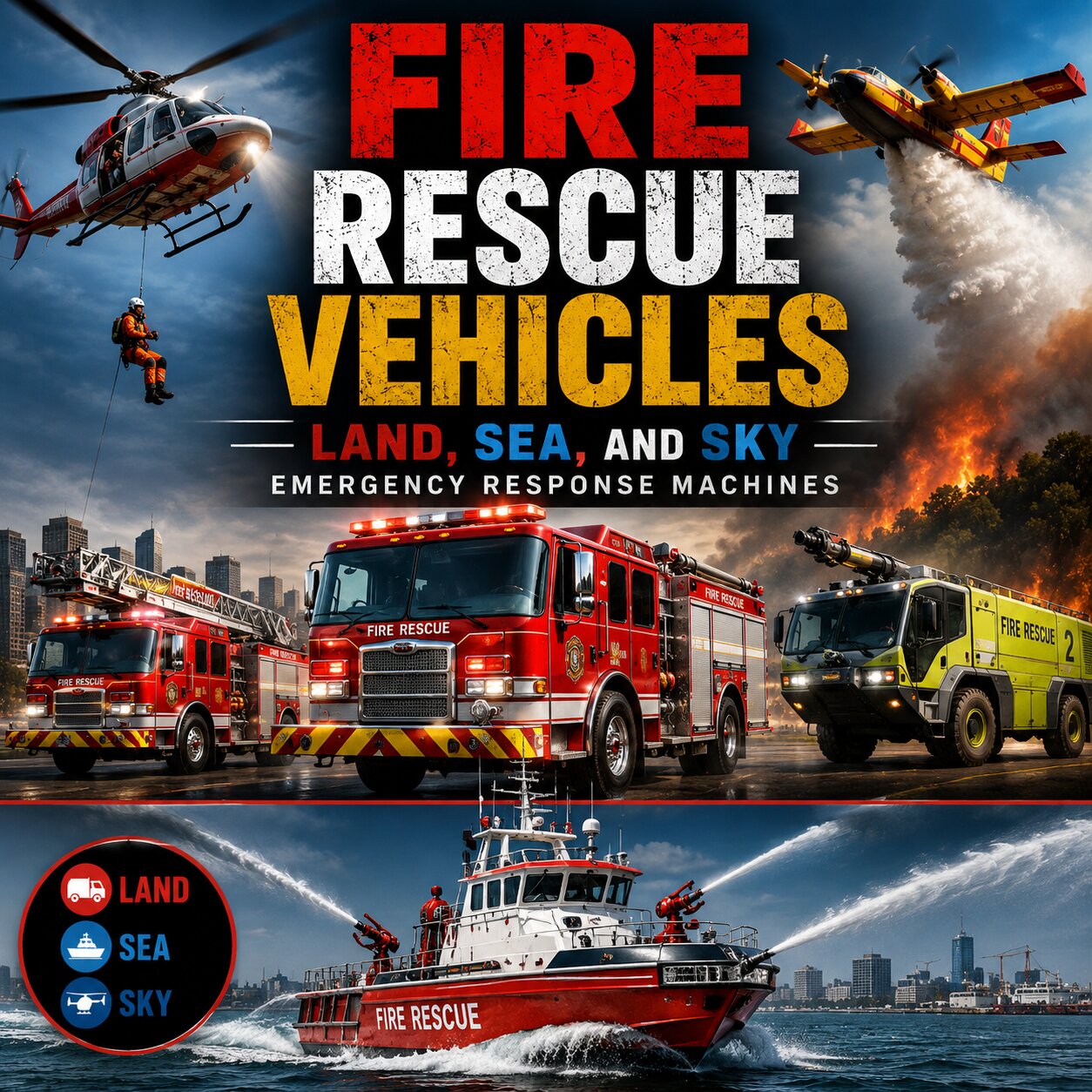
Fire Rescue Vehicles: Land, Sea, and Sky Emergency Response Machines
Fire rescue vehicles play a critical role in emergency response operations around the world. These specialised machines are designed to help firefighters and rescue teams reach dangerous situations quickly, protect lives, and limit damage caused by fires, accidents, and disasters. While many people immediately think of traditional fire engines on city streets, the world of fire rescue vehicles extends far beyond road-based units.
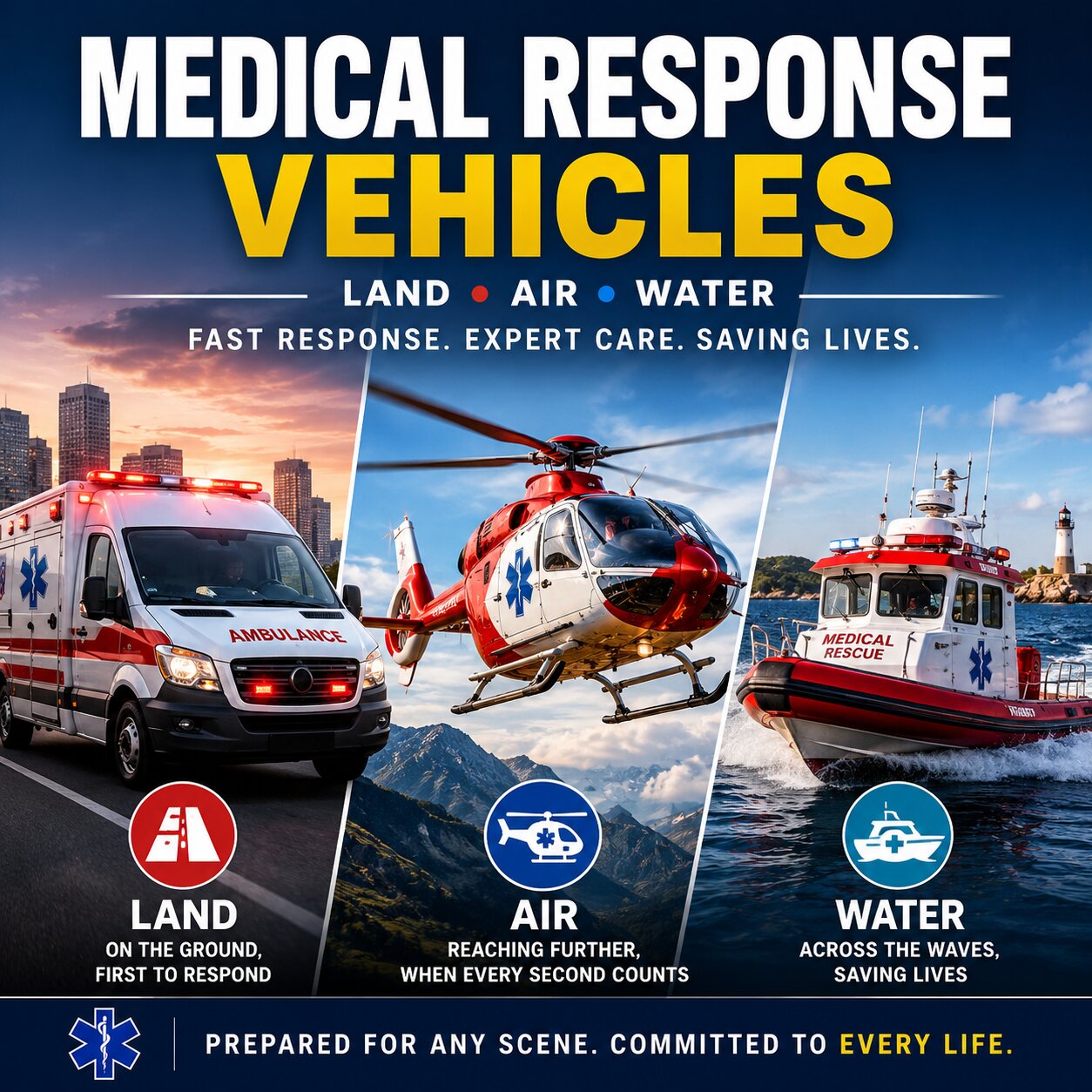
Modern fire rescue operations now rely on a wide range of vehicles operating across land, sea, and sky. From urban ladder trucks and airport crash tenders to rescue boats and firefighting helicopters, each vehicle is built for specific environments and emergency situations. In South Africa and internationally, these machines form the backbone of professional fire and rescue services.
Understanding the different types of fire rescue vehicles highlights just how advanced emergency response systems have become in recent years.
Land-based fire rescue vehicles
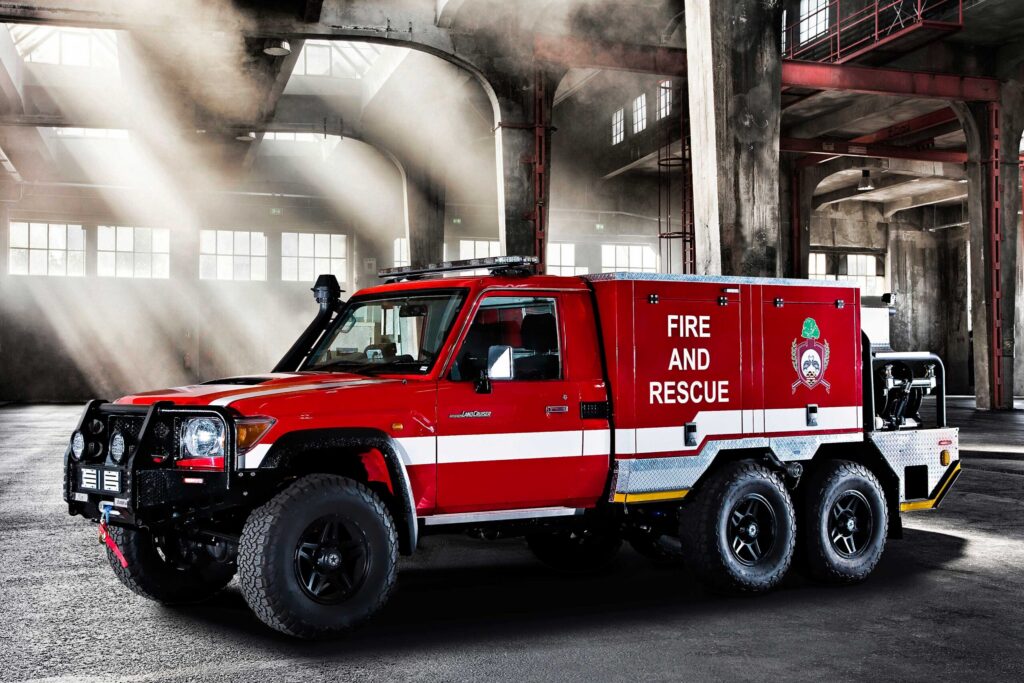
Land vehicles remain the most recognisable and widely used fire rescue vehicles in the world. These machines are often the first responders to fires, road accidents, hazardous material incidents, and rescue operations in urban and rural environments.
Traditional fire engines are equipped with water tanks, pumps, hoses, ladders, and rescue equipment. Many also carry hydraulic rescue tools used for freeing people trapped inside vehicles after collisions. Ladder trucks add elevated access systems that allow firefighters to reach upper floors of buildings or conduct rooftop rescues.
Airport fire rescue vehicles are among the most powerful emergency machines on wheels. Designed for rapid response on runways, these units carry massive water and foam tanks capable of suppressing aircraft fires within moments. Their high-speed capabilities help them reach incidents quickly across large airport grounds.
Wildfire and bushfire response vehicles are also important in regions prone to veld fires and forest fires. These off-road capable fire rescue vehicles are designed to operate in rough terrain where conventional fire engines may struggle to reach affected areas.
Sea-based fire rescue vehicles
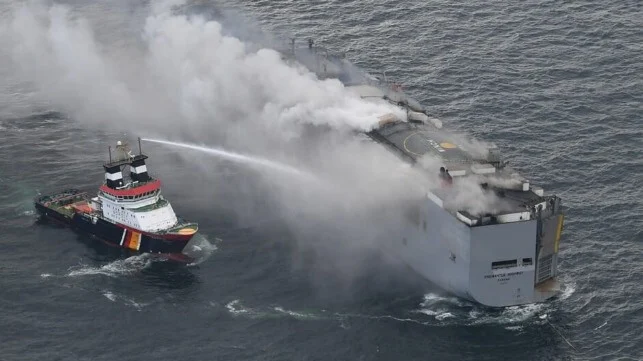
Marine emergencies require specialised fire rescue vehicles capable of operating in oceans, rivers, harbours, and lakes. Fire rescue boats are used by harbour authorities, coast guards, naval rescue teams, and emergency services to fight fires on ships and waterfront structures.
Fireboats are equipped with powerful water cannons capable of pumping thousands of litres of water per minute. Some can even assist land-based firefighting operations by supplying water to coastal fire crews during major incidents.
Rescue boats are also used for flood emergencies, water rescues, and maritime accidents. These vehicles help emergency teams reach stranded civilians during severe storms, flooding, or ship disasters. In coastal cities and port environments, they are an essential part of modern rescue infrastructure.
Some marine fire rescue vehicles are designed specifically for oil platform emergencies and hazardous material incidents at sea. These advanced units often include foam suppression systems and specialised containment equipment to reduce environmental risks during marine fires.
South Africa’s coastal regions and busy ports make marine fire rescue capabilities particularly important for emergency preparedness and disaster response.
Aerial fire rescue vehicles and aircraft
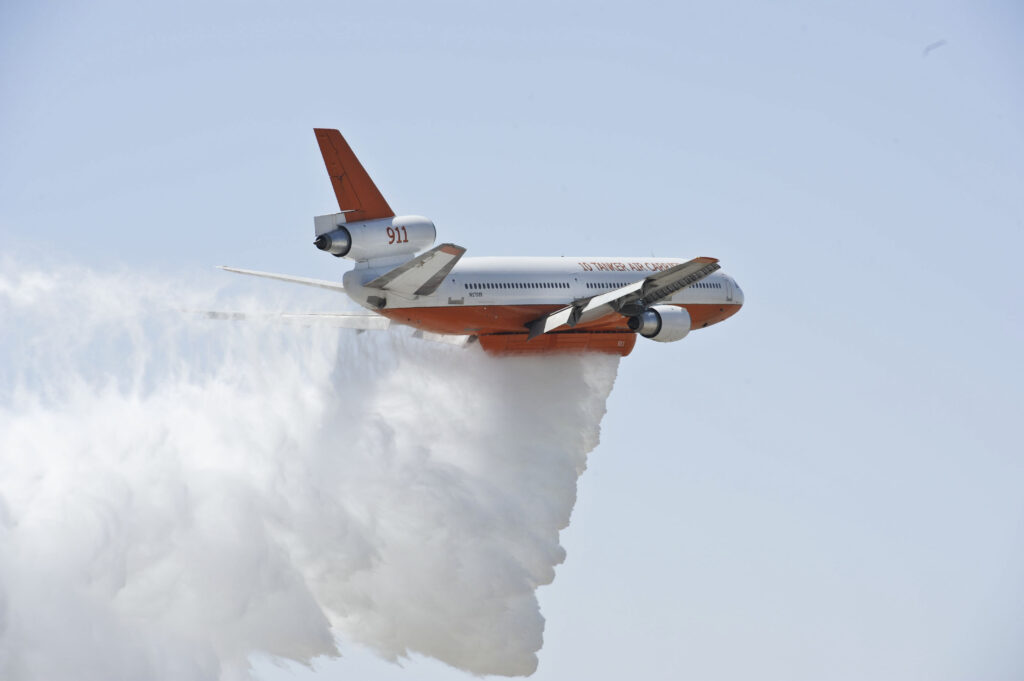
Air-based fire rescue vehicles have transformed how emergency teams respond to large-scale disasters and difficult terrain. Helicopters and aircraft allow responders to reach remote locations rapidly while providing support from above.
Firefighting helicopters are commonly used during wildfires and mountain rescue operations. Many are equipped with large water buckets or tanks capable of dropping water directly onto active fires. These aircraft help slow the spread of fires in areas inaccessible to ground vehicles.
Rescue helicopters also play an important role in medical evacuations and search-and-rescue missions. They can transport injured people from dangerous environments such as mountains, oceans, highways, or disaster zones where ambulances cannot easily reach.
Fixed-wing firefighting aircraft are another important category of aerial fire rescue vehicles. These large planes can carry massive amounts of water or fire retardant and are often deployed during severe wildfire outbreaks across large regions.
Modern aerial rescue operations increasingly use drones as support vehicles. Drones provide thermal imaging, aerial surveillance, and hazard assessments that help emergency teams make faster and safer decisions during rescue missions.
The specialised equipment carried by fire rescue vehicles
Different fire rescue vehicles carry specialised equipment depending on their role and operational environment. This equipment helps emergency teams handle a wide range of dangerous situations efficiently.
- Water pumps and high-pressure hose systems
- Foam suppression systems for fuel and chemical fires
- Hydraulic rescue tools for vehicle extraction
- Thermal imaging cameras for locating victims
- Rescue stretchers and medical support equipment
- Breathing apparatus for smoke-filled environments
- Communication and navigation systems
- Flood rescue and flotation equipment
- Hazardous material containment tools
Technology continues to improve the effectiveness of modern fire rescue vehicles. Many now include advanced onboard computers, GPS systems, remote-controlled equipment, and improved safety systems for emergency crews.
Responding to Emergencies Across Every Environment
Fire rescue vehicles are far more diverse and advanced than many people realise. From massive airport crash tenders and powerful fireboats to aerial firefighting helicopters, these specialised machines allow emergency services to respond quickly across land, sea, and sky.
As cities expand and climate-related disasters increase, the importance of modern fire rescue vehicles continues to grow. Emergency response teams depend on reliable equipment capable of handling everything from urban fires and vehicle accidents to marine disasters and large-scale wildfires.
The next time a siren echoes through the streets or a rescue helicopter passes overhead, it serves as a reminder of the dedicated crews and highly specialised fire rescue vehicles working together to protect lives in some of the most dangerous situations imaginable.