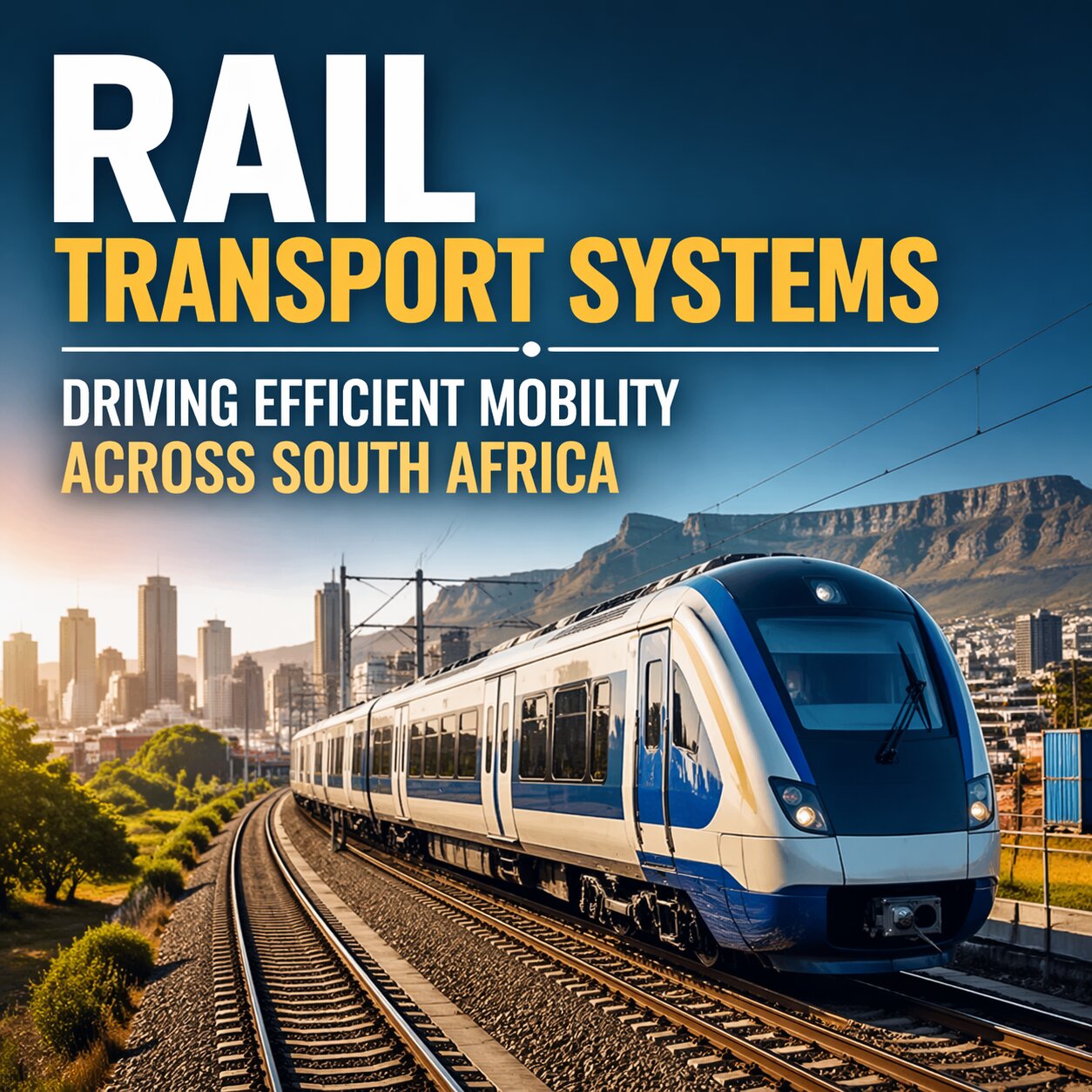
Rail Transport Systems: Driving Efficient Mobility Across South Africa
Rail transport systems remain one of the most reliable and efficient ways to move both people and goods across vast distances. In South Africa, these systems play a vital role in connecting cities, supporting industries, and reducing pressure on road infrastructure.
From commuter trains serving daily passengers to heavy freight lines transporting minerals and goods, rail continues to shape the country’s transport landscape. As urban populations grow and logistics demands increase, the importance of rail transport systems becomes even more pronounced.
Unlike road transport, rail offers a structured, high-capacity solution that can operate consistently with lower environmental impact. This makes it a critical component in building a sustainable and future-ready transport network.
With ongoing investments and technological advancements, rail is evolving into a smarter and more efficient system that meets modern demands.
Types of rail transport systems in operation
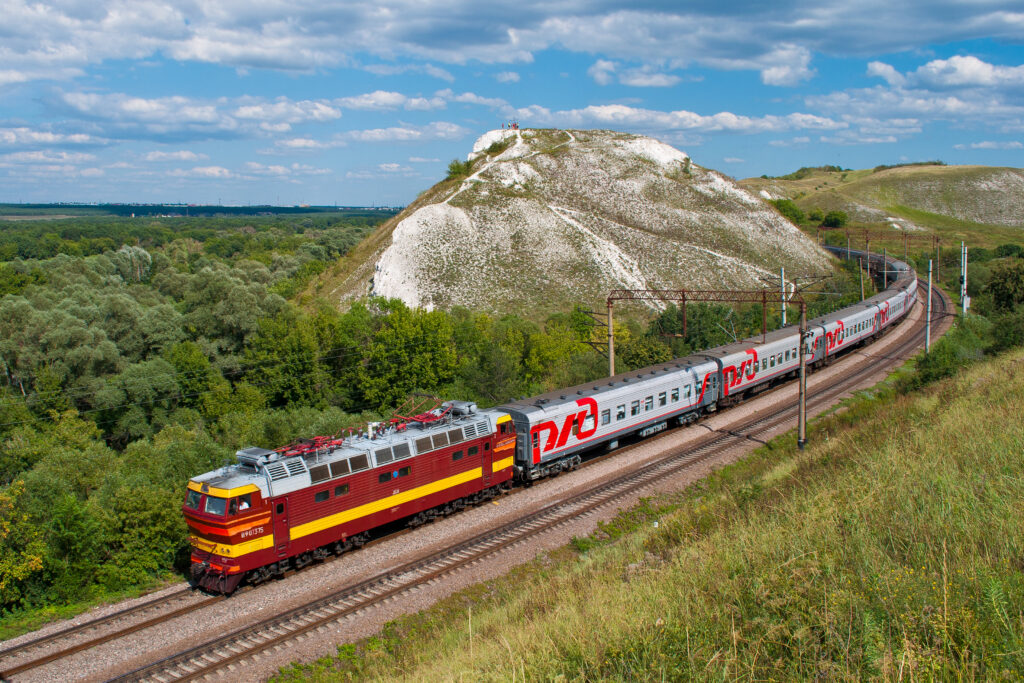
Rail transport systems are not limited to a single function. They operate across multiple sectors, each designed to meet specific transport needs in South Africa and beyond.
Passenger rail systems are the most visible, providing daily commuting solutions in major cities. Services like metro rail networks connect urban and suburban areas, helping reduce traffic congestion and offering an affordable alternative to road travel.
Freight rail systems form the backbone of industrial logistics. These lines transport bulk commodities such as coal, iron ore, and agricultural products, ensuring that supply chains remain efficient and cost-effective.
High-speed and intercity rail systems, while still developing in some regions, represent the future of long-distance travel. These systems aim to provide faster, more comfortable journeys between major cities, reducing reliance on air and road transport.
Together, these different types of rail transport systems create a comprehensive network that supports both economic growth and everyday mobility.
Key components that power rail transport systems
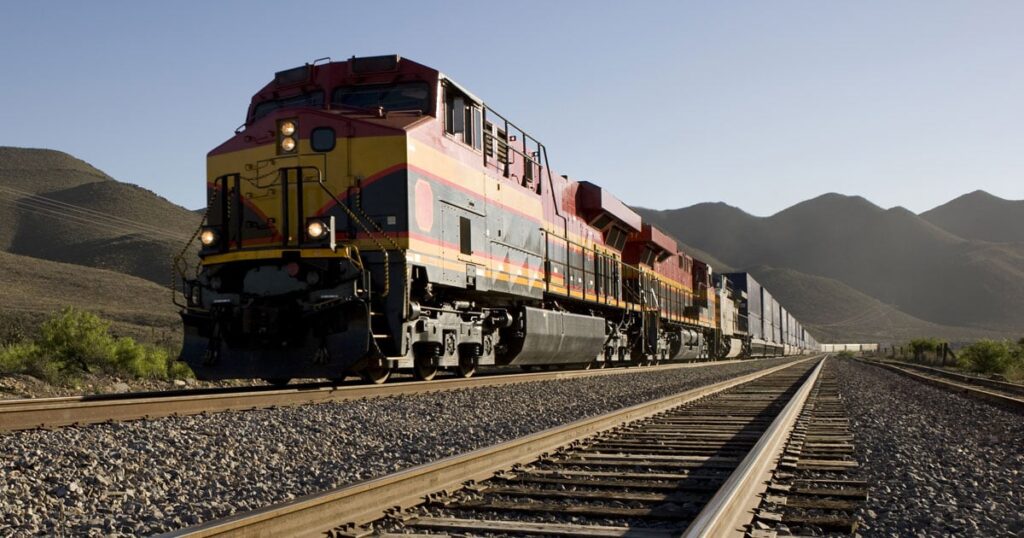
Behind every successful rail transport system lies a combination of infrastructure, technology, and operational management. These components work together to ensure safety, efficiency, and reliability.
- Rail tracks and supporting infrastructure such as bridges and tunnels
- Locomotives and rolling stock designed for passenger or freight use
- Signalling systems that manage train movements and prevent collisions
- Electrification systems that power modern trains efficiently
- Control centres that monitor and coordinate operations in real time
Each of these elements plays a crucial role in maintaining the flow of rail operations. Advances in signalling and automation, in particular, are helping improve safety standards and reduce delays.
As technology continues to evolve, rail systems are becoming more integrated, with digital monitoring and predictive maintenance enhancing overall performance.
Benefits of rail transport systems for modern mobility
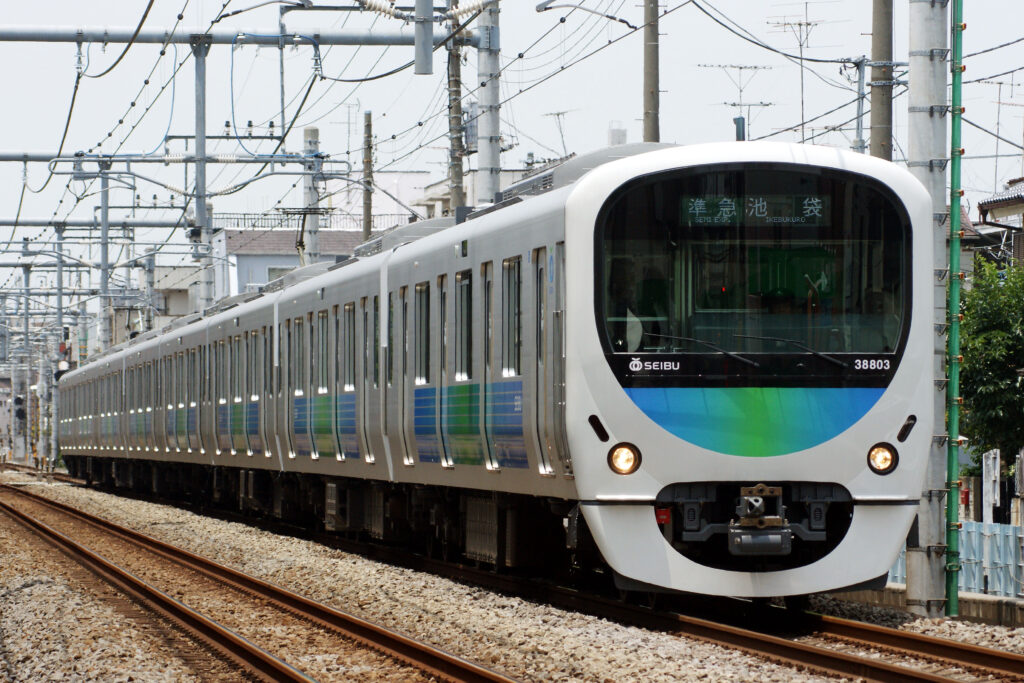
Rail transport systems offer several advantages that make them essential in today’s transport ecosystem. One of the most significant benefits is their ability to move large volumes of passengers and goods efficiently.
Compared to road transport, rail produces fewer emissions per tonne or passenger-kilometre. This makes it an environmentally friendly option, especially as sustainability becomes a priority worldwide.
Rail systems also reduce congestion on highways, leading to safer roads and lower maintenance costs for road infrastructure. By shifting freight and passenger traffic to rail, cities can better manage their transport networks.
In addition, rail transport systems provide cost-effective solutions for long-distance travel and bulk logistics. Businesses benefit from reduced transport costs, while passengers enjoy reliable and often more comfortable journeys.
These advantages highlight why rail continues to be a key focus for transport development strategies.
The future of rail transport systems in South Africa
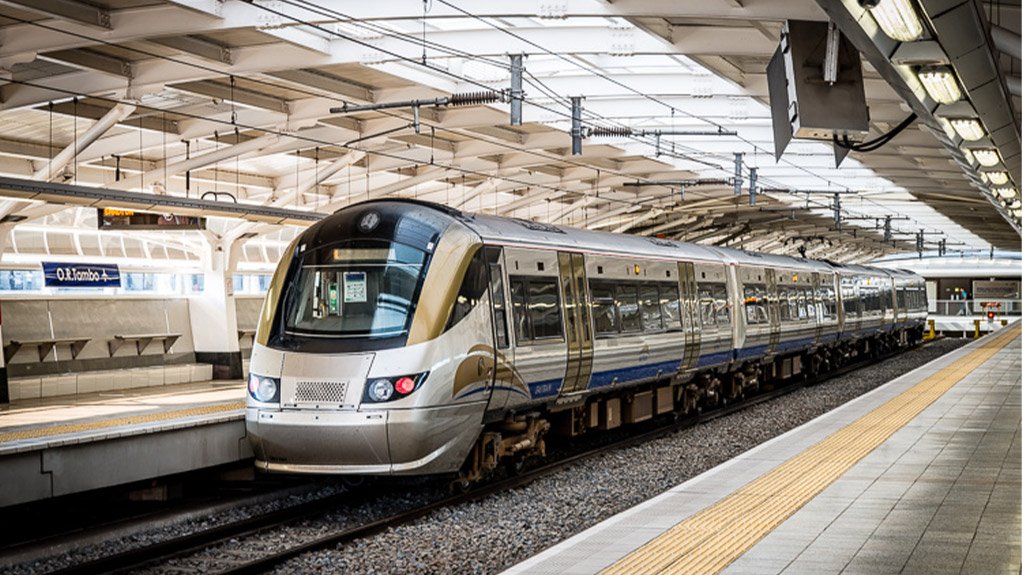
The future of rail transport systems in South Africa is closely tied to investment, innovation, and policy development. Modernisation projects are already underway to improve infrastructure, upgrade rolling stock, and enhance service reliability.
Smart technologies, including automated signalling and data-driven maintenance systems, are expected to play a major role in transforming rail operations. These advancements will help reduce downtime and improve efficiency across the network.
There is also growing interest in expanding rail networks to better serve both urban and rural areas. Improved connectivity can support economic development, create jobs, and provide more accessible transport options for communities.
As global trends shift towards sustainable transport, rail is positioned to lead the way. With the right investments and strategic planning, rail transport systems can become a cornerstone of South Africa’s future mobility.
Keeping the country on track
Rail transport systems are more than just a mode of transport. They are a foundation for economic growth, environmental sustainability, and efficient mobility.
As South Africa continues to develop its transport infrastructure, rail will remain a critical part of the journey. By embracing innovation and investing in modern systems, the country can unlock the full potential of its rail network.
For passengers, businesses, and the economy as a whole, the future of rail transport systems looks promising and essential for long-term success.