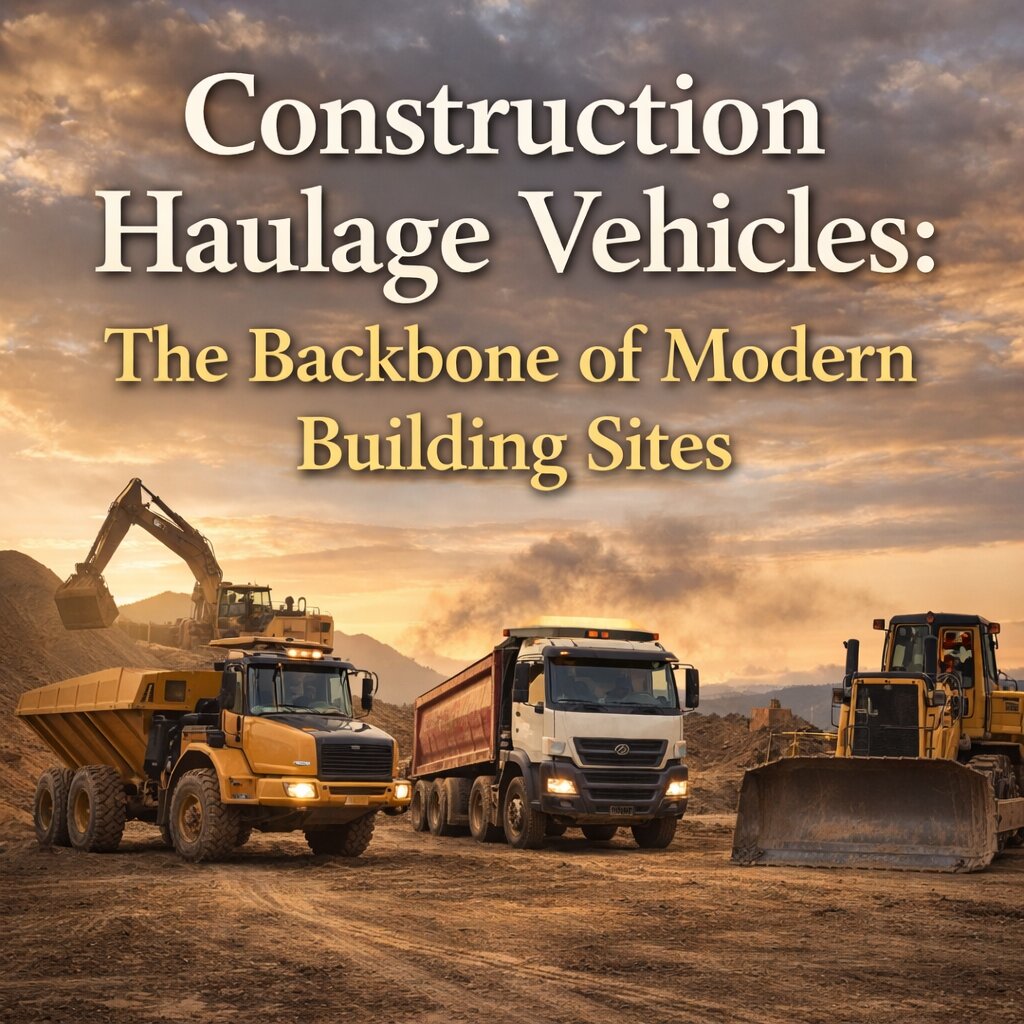
Construction Haulage Vehicles: The Backbone of Modern Building Sites
Construction haulage vehicles play a critical role in infrastructure development across South Africa and the world. From major highway upgrades to residential developments and mining operations, these machines move the materials that make construction possible. Without construction haulage vehicles, large-scale building projects would simply grind to a halt.
When people think about construction equipment, they often picture excavators and cranes. However, construction haulage vehicles are just as important. They are responsible for transporting sand, gravel, rock, soil, asphalt, and heavy machinery across active sites and between supply points. In many cases, the efficiency of a project depends directly on the reliability of its haulage fleet.
As South Africa continues to invest in roads, housing, logistics hubs, and energy infrastructure, the demand for construction haulage vehicles continues to grow. Understanding what these vehicles are, how they operate, and where they are used provides valuable insight into the construction and transport industries.
What are construction haulage vehicles?
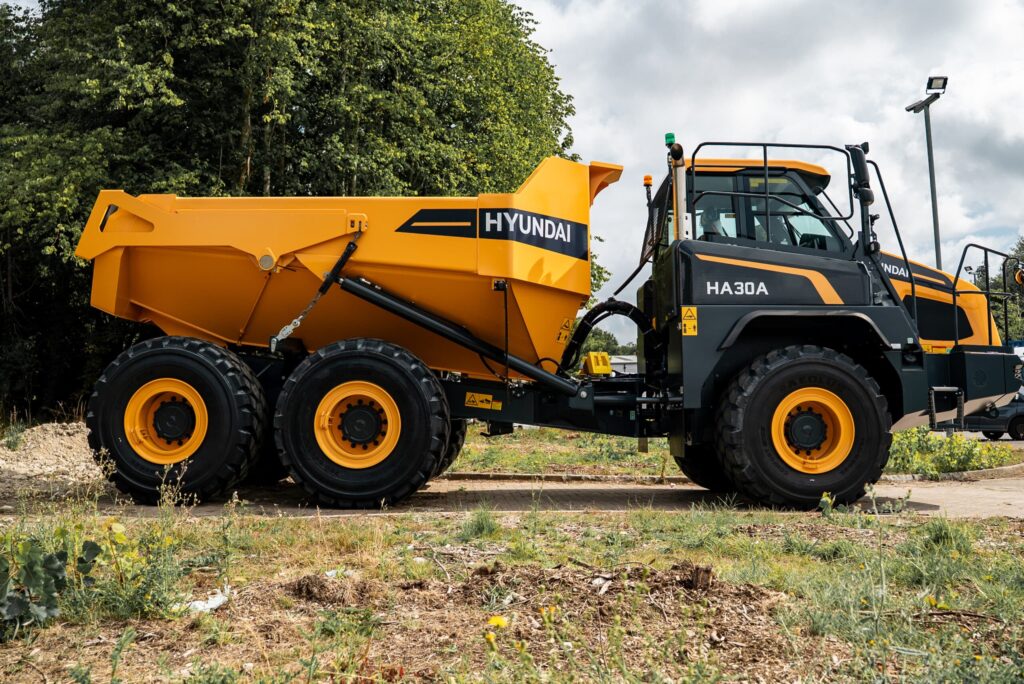
Construction haulage vehicles are heavy-duty machines specifically designed to transport bulk materials in and around construction environments. Unlike standard road trucks, many construction haulage vehicles are built to operate in rough terrain, unstable ground conditions, and high-load environments.
These vehicles are engineered with reinforced frames, powerful engines, high-capacity suspension systems, and advanced braking technology. Their design allows them to carry massive payloads safely and efficiently, even under demanding site conditions. Some construction haulage vehicles are designed for on-road use, while others are strictly off-road machines used within mining and construction zones.
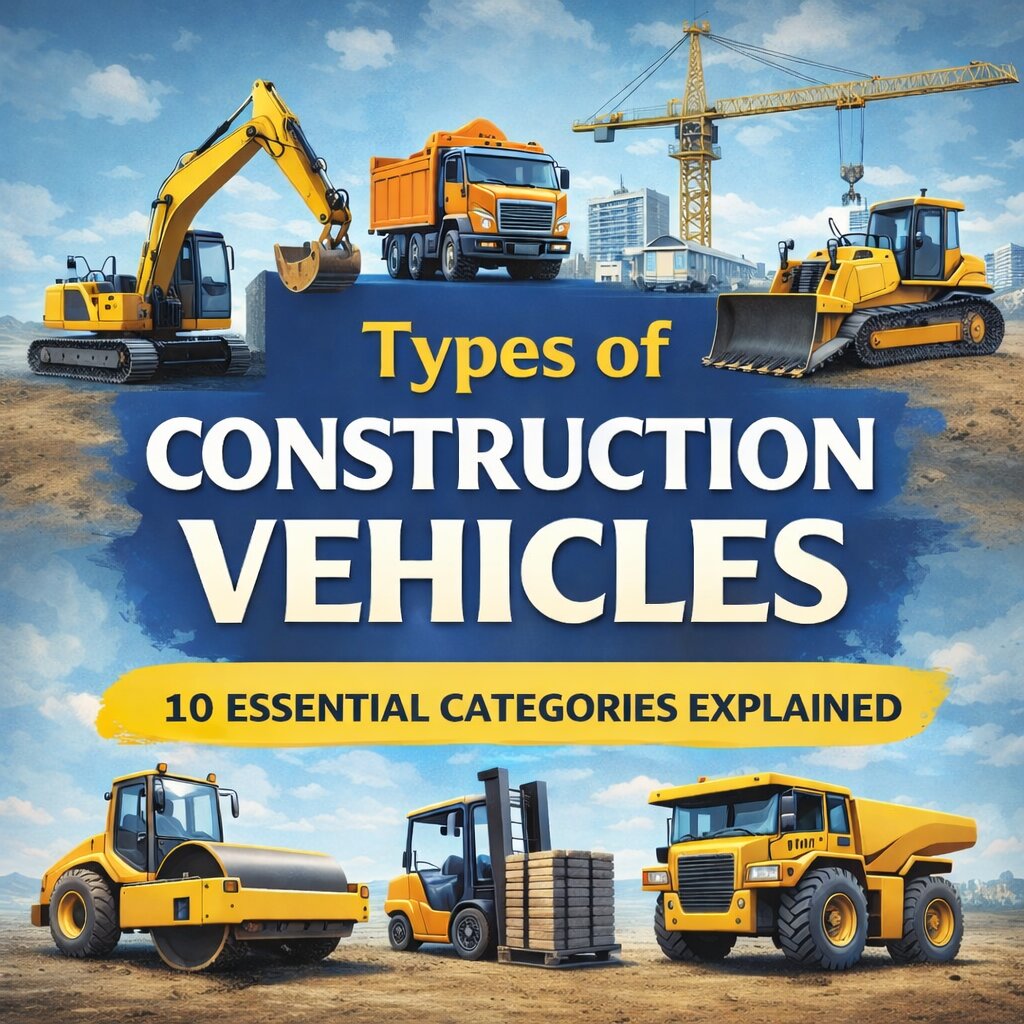
Common types of construction haulage vehicles include:
- Articulated dump trucks
- Rigid dump trucks
- Tipper trucks
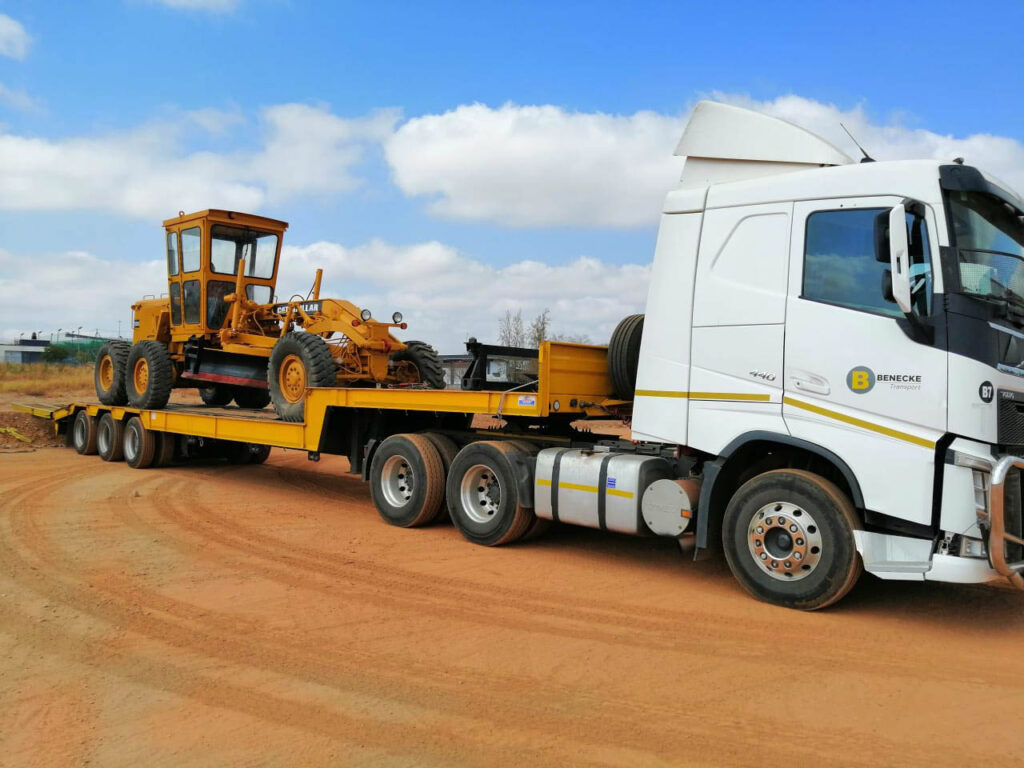
- Lowbed transporters
- Site dumpers
- Heavy-duty flatbed trucks
Each type of haulage construction vehicle serves a specific purpose. Selecting the right vehicle depends on terrain, material type, haul distance, and load capacity requirements.
Key types used on South African construction sites
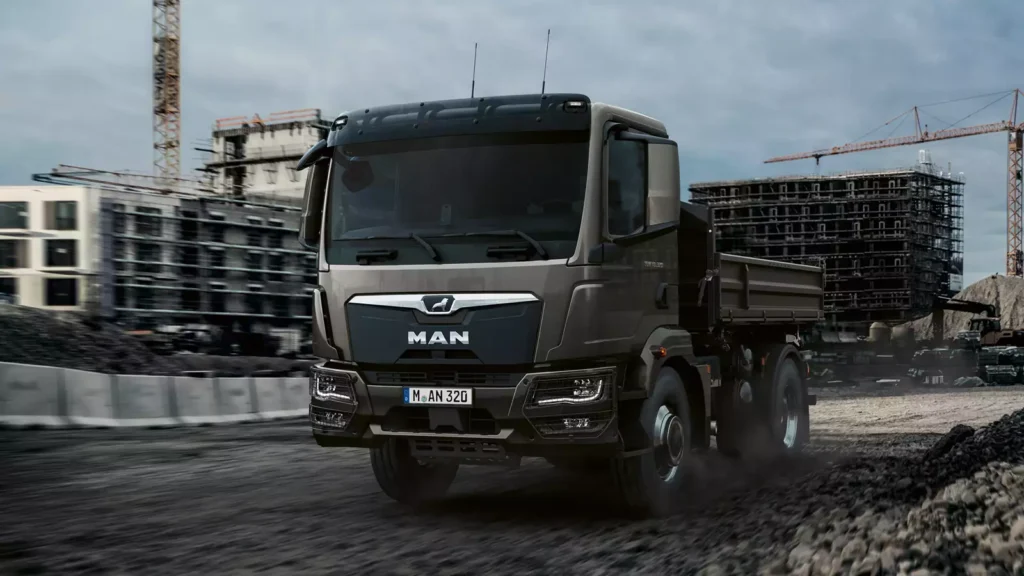
In South Africa, haulage construction vehicles are widely used in road building, quarry operations, urban development, and large-scale infrastructure projects. Articulated dump trucks are particularly popular in areas with uneven or muddy terrain, as their pivot joint allows greater flexibility and stability.
Rigid dump trucks are commonly found in mining and large quarry operations. These construction haulage vehicles are built for extreme payloads and are ideal for short-distance heavy material movement within controlled sites. Their size and strength make them essential in large infrastructure and extraction projects.
Tipper trucks are among the most recognisable haulage construction vehicles on public roads. They transport sand, aggregate, and asphalt between suppliers and construction zones. Lowbed transporters, on the other hand, are used to move heavy equipment such as excavators and bulldozers from one site to another.
Together, these haulage construction vehicles form an integrated logistics chain that keeps projects moving from excavation to final surfacing.
Why construction haulage vehicles are critical to infrastructure growth
Construction haulage vehicles are not simply support machines. They directly influence project timelines, budgets, and safety outcomes. Delays in material transport can halt operations entirely, creating costly downtime. Reliable construction haulage vehicles ensure steady material flow and operational continuity.
With government infrastructure spending and private sector development projects increasing, the importance of modern haulage construction vehicles becomes even more apparent. Fuel efficiency, load monitoring systems, telematics, and fleet management technology now play a major role in improving performance and reducing operating costs.
Safety is another critical factor. Modern haulage construction vehicles are equipped with advanced braking systems, rollover protection, stability control, and improved visibility features. These innovations help reduce accidents on both construction sites and public roads.
As the industry evolves, electrification and hybrid systems may begin to influence the next generation of construction haulage vehicles, especially in urban projects where emissions and noise regulations are tightening.
The future of construction haulage vehicles in South Africa
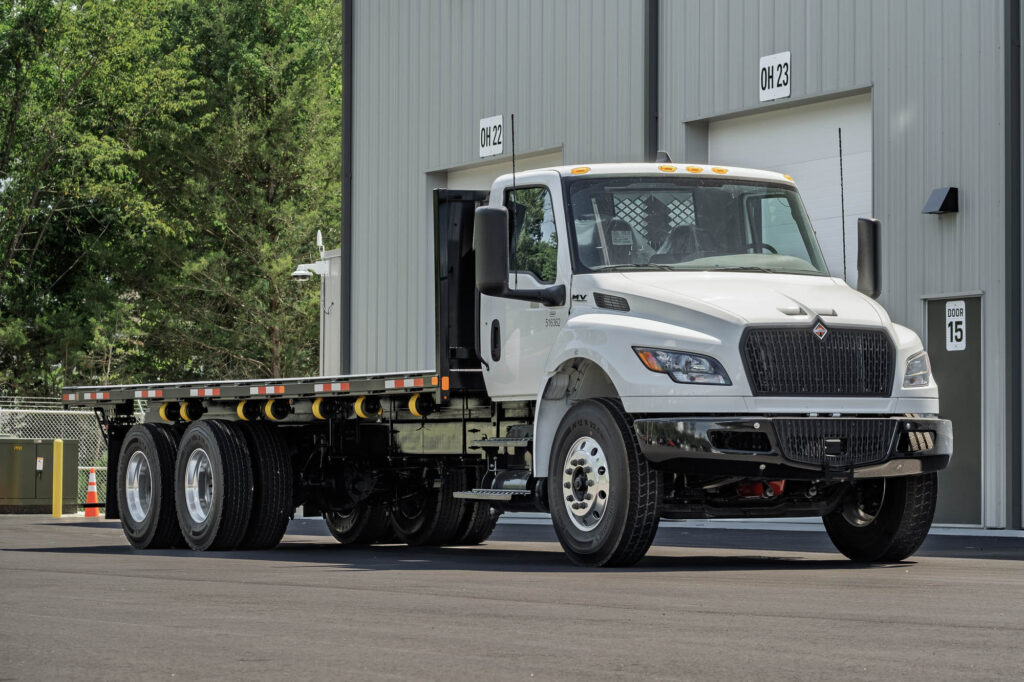
The future of haulage construction vehicles lies in technology integration and sustainability. Telematics systems now allow fleet managers to monitor fuel consumption, driver behaviour, load weights, and maintenance schedules in real time. This data-driven approach improves efficiency and reduces downtime.
There is also growing interest in alternative fuels and low-emission solutions. While fully electric heavy-duty construction haulage vehicles are still emerging, global manufacturers are investing heavily in cleaner technology. Over time, this will likely influence the South African market.
Ultimately, construction haulage vehicles remain the backbone of development. Whether transporting materials for new highways, housing estates, industrial parks, or mining operations, these machines ensure that infrastructure projects move forward safely and efficiently.
For anyone following the construction, transport, or heavy vehicle sectors, understanding construction haulage vehicles provides essential insight into how modern infrastructure is built and sustained.