Types of Mining Vehicles: The Machines That Keep Mines Moving
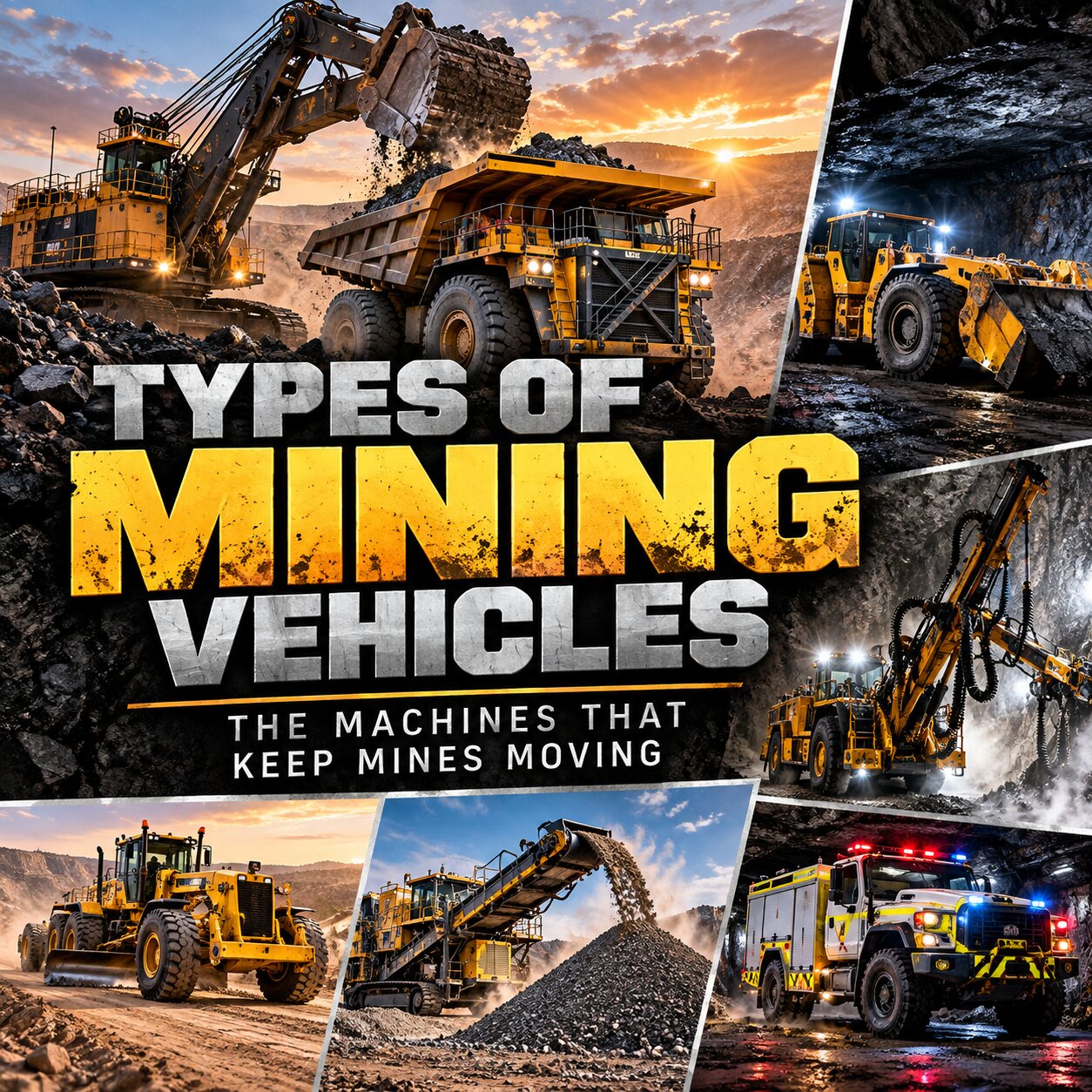
Mining operations rely on an extraordinary variety of specialised machinery. While the enormous haul trucks operating in open-pit mines might be the most recognisable, they represent only one part of a much larger vehicle fleet.
From extracting material and drilling blast holes to transporting workers and responding to emergencies, different types of mining vehicles are designed for highly specific jobs. Many must operate under extreme loads, on rough terrain or within underground spaces where conventional vehicles would be completely unsuitable.
As Driver Digest South Africa begins our new Mining Vehicles series, we’ll explore these machines according to eight key areas: Extraction, Haulage, Drilling & Blasting, Support, Material Handling, Processing, Surveying and Safety.
Extraction Vehicles
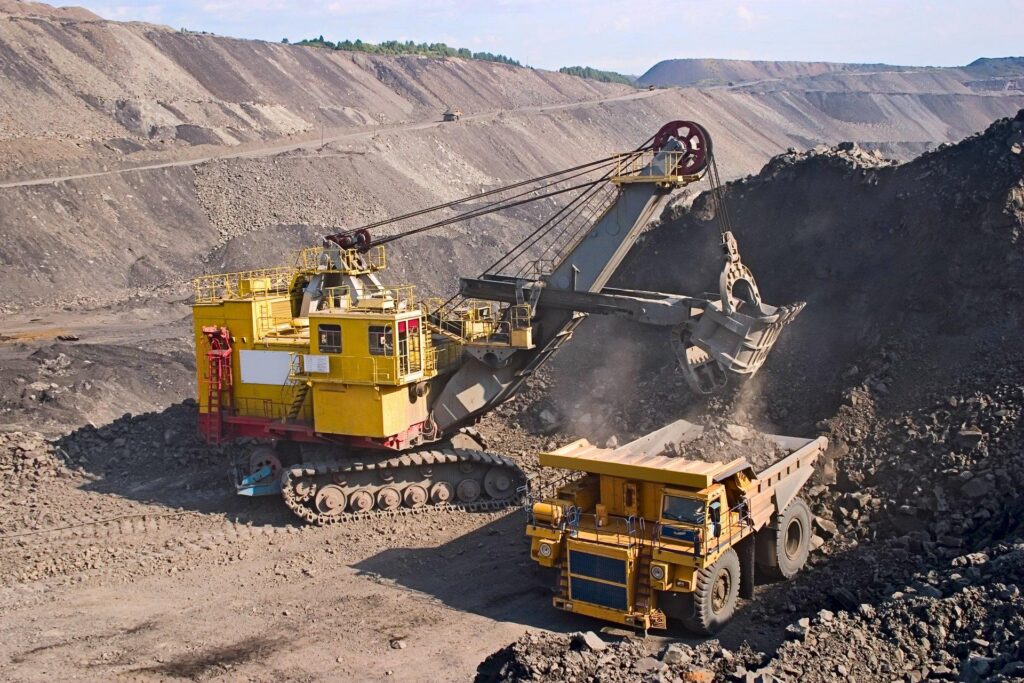
Extraction vehicles operate close to the source of the material being mined. Depending on the operation, these machines may remove rock, coal, ore or overburden before the material moves to the next stage.
Large hydraulic excavators and mining shovels dominate many surface operations. Their immense buckets can move huge quantities of material and load it directly into waiting haul trucks. Underground mining requires very different machinery, including continuous miners and other equipment designed around restricted tunnel dimensions.
These types of mining vehicles demonstrate how dramatically machinery changes according to the environment in which it operates.
Haulage Vehicles
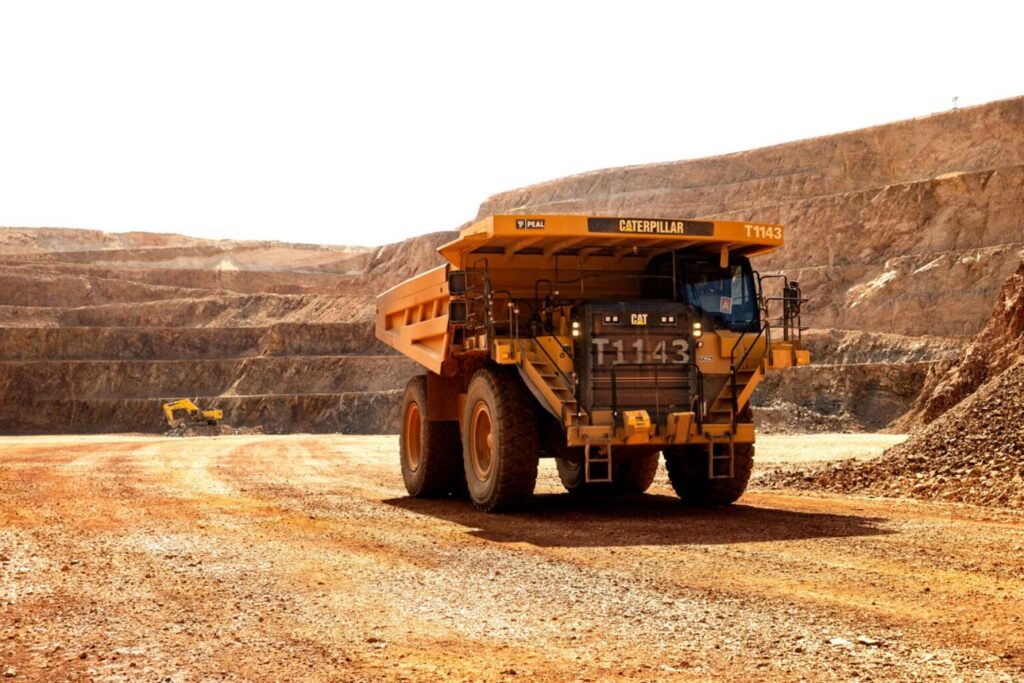
Haulage vehicles are responsible for moving extracted material around the mine. This category includes some of the largest land vehicles ever constructed.
Rigid haul trucks are a familiar sight at large open-pit operations, where their enormous payload capacities allow vast quantities of material to be transported between excavation and processing areas. Articulated dump trucks provide greater manoeuvrability over difficult terrain, while underground haul trucks use lower profiles to accommodate tunnels.
Future articles will explore the engineering behind these giants in considerably greater detail.
Drilling & Blasting Vehicles
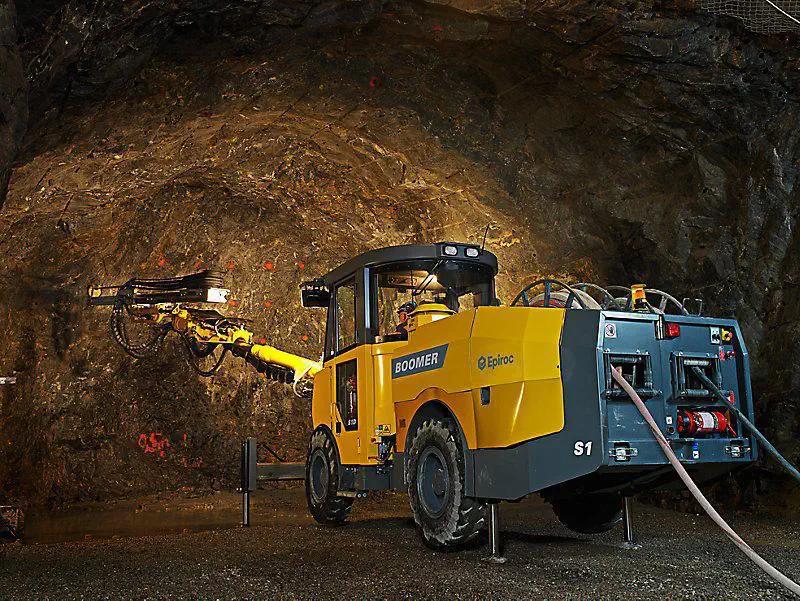
Mining often requires rock to be drilled and blasted before excavation can begin.
Surface drill rigs create precisely positioned blast holes across open-pit operations, while underground drill jumbos perform similar work inside tunnels. Specialised charging vehicles may then assist with preparing holes for blasting.
Because these machines operate during one of the most carefully controlled stages of mining, precision and safety are critical considerations. Modern drilling equipment increasingly incorporates sophisticated positioning and automation technologies.
Support Vehicles
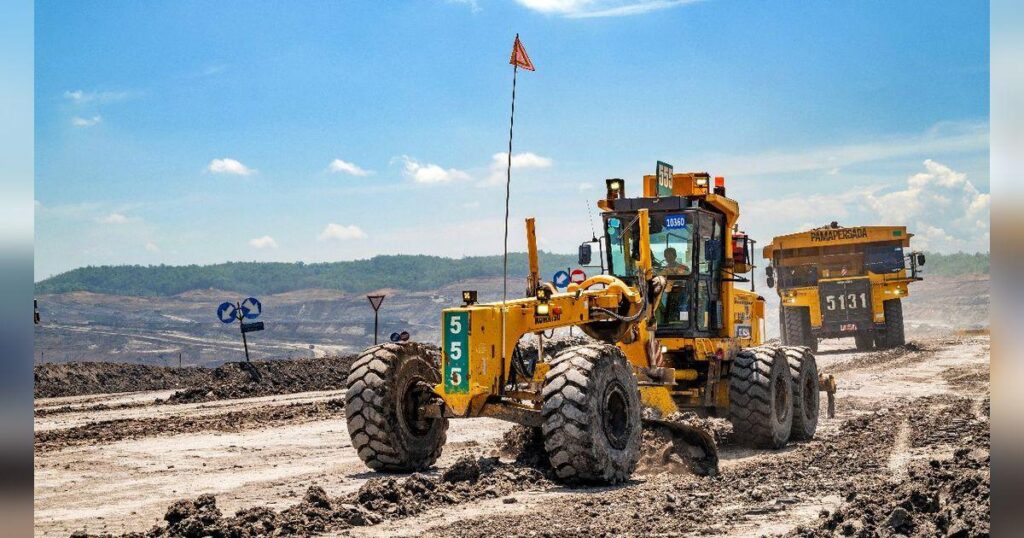
Some of the most important types of mining vehicles never carry ore at all.
Support fleets can include water trucks for dust suppression, graders for maintaining haul roads, fuel and lubrication vehicles, maintenance trucks and personnel carriers. Without them, the larger extraction and haulage machinery couldn’t continue operating efficiently.
These vehicles may look more familiar than specialised mining machinery, but mine environments frequently require substantial modifications to conventional designs.
Material Handling Vehicles
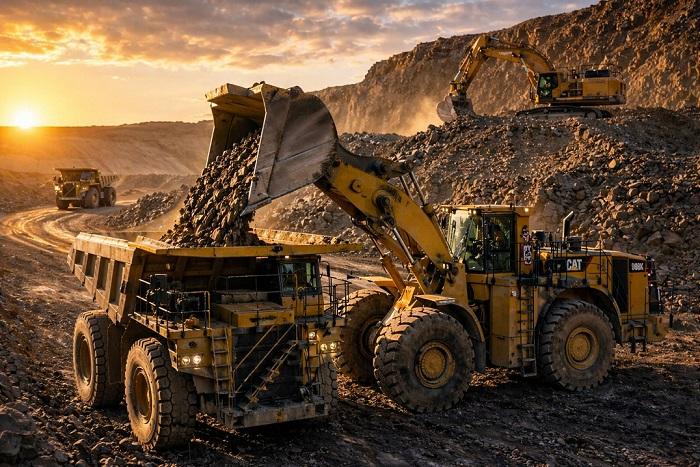
Once material has been extracted, it frequently needs to be loaded, transferred or stockpiled.
Wheel loaders are widely used for moving bulk material, while underground operations commonly employ load-haul-dump machines, usually known as LHDs. Their low-profile construction allows them to load and transport material through confined underground workings.
Forklifts, telehandlers and other specialised handlers can also form part of a mine’s broader vehicle fleet, particularly around workshops, storage areas and processing facilities.
Processing Vehicles and Mobile Equipment
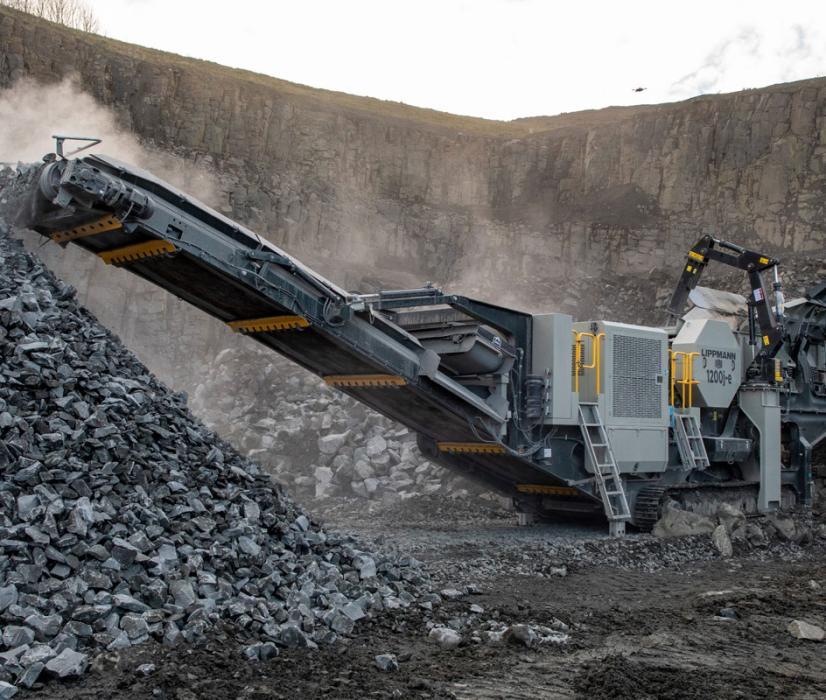
Extracting material is only the beginning. Rock and ore often require crushing, screening or other processing before moving further through the production chain.
Mobile crushers and screening plants allow some of these processes to take place close to where material is being mined. Their mobility can reduce the need to transport unprocessed material over greater distances.
While these machines don’t necessarily resemble conventional vehicles, mobility is an important part of their design and allows processing infrastructure to move as mining operations develop.
Surveying Vehicles
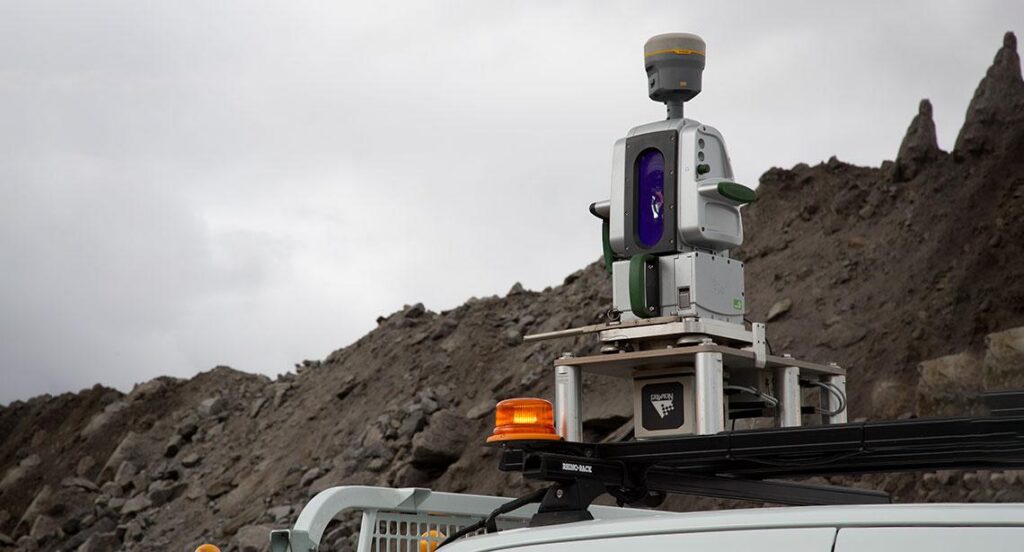
Modern mines need accurate information about constantly changing landscapes and underground workings.
Surveying teams may use specially equipped vehicles carrying GPS, LiDAR, laser scanning and other measurement technologies. These systems help map mine sites, monitor excavation progress and provide information used for planning future operations.
Drones and autonomous surveying technologies are also becoming increasingly important, creating an interesting intersection between traditional mine vehicles and modern remote-sensing systems.
Safety and Emergency Vehicles
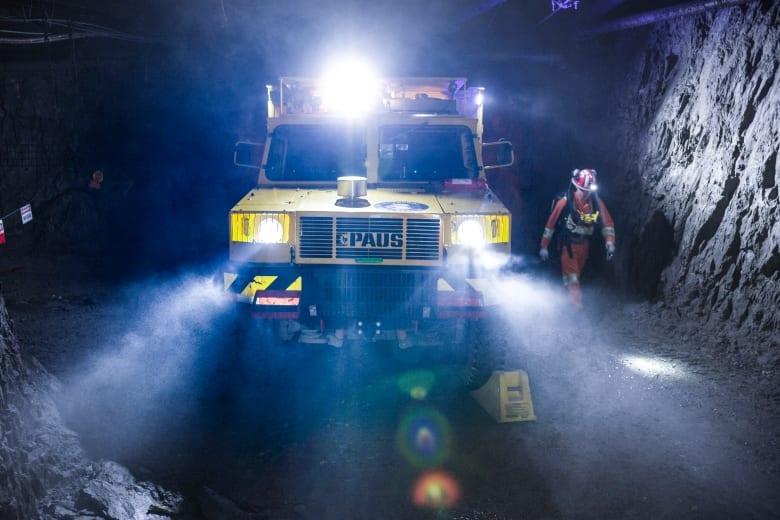
Mining environments require emergency vehicles capable of responding under conditions very different from those faced by ordinary municipal services.
Mine rescue vehicles, specialised fire engines, ambulances and other emergency-response machines may need to navigate rough haul roads or confined underground workings. Some are specifically equipped to deal with hazards associated with mining environments.
They might not move ore or contribute directly to production, but safety vehicles are among the most important types of mining vehicles operating on any mine.
The Future of Mining Vehicles
The next generation of mining vehicles is already beginning to look considerably different.
Automation can allow enormous haul trucks to navigate mine sites with reduced direct human intervention, while remote operation can move workers away from particularly hazardous areas. Electrification is also attracting attention, especially underground where reducing diesel exhaust can offer additional operational benefits.
Throughout our new Mining Vehicles series, Driver Digest South Africa will explore the machinery operating across Extraction, Haulage, Drilling & Blasting, Support, Material Handling, Processing, Surveying and Safety.
From gigantic surface haul trucks to specialised underground rescue machines, we’ll discover just how diverse the world of types of mining vehicles really is.