
Harvesting Vehicles: Essential Machines Powering Modern Agriculture
Harvesting is one of the most critical stages in agriculture, where months of planning and cultivation are finally put to the test. Modern harvesting vehicles play a vital role in ensuring crops are collected efficiently, safely, and at scale, especially in large commercial farming operations.
From grain fields and orchards to vineyards and forage production, harvesting vehicles are designed to reduce labour demands while maximising yield and speed. In South Africa’s diverse agricultural landscape, these machines are essential tools that support food security and farm profitability.
What Are Harvesting Vehicles?
Harvesting vehicles are specialised agricultural machines designed to cut, collect, separate, or process crops during harvest. Unlike general-purpose farming vehicles, these machines are purpose-built for specific crop types and harvesting methods.
Most vehicles integrate cutting mechanisms, conveyors, processing systems, and storage capacity into a single machine. This allows farmers to harvest large areas quickly while minimising crop loss. Advances in automation, GPS guidance, and precision agriculture have further improved the efficiency of modern harvesting vehicles.
Combine Harvesters
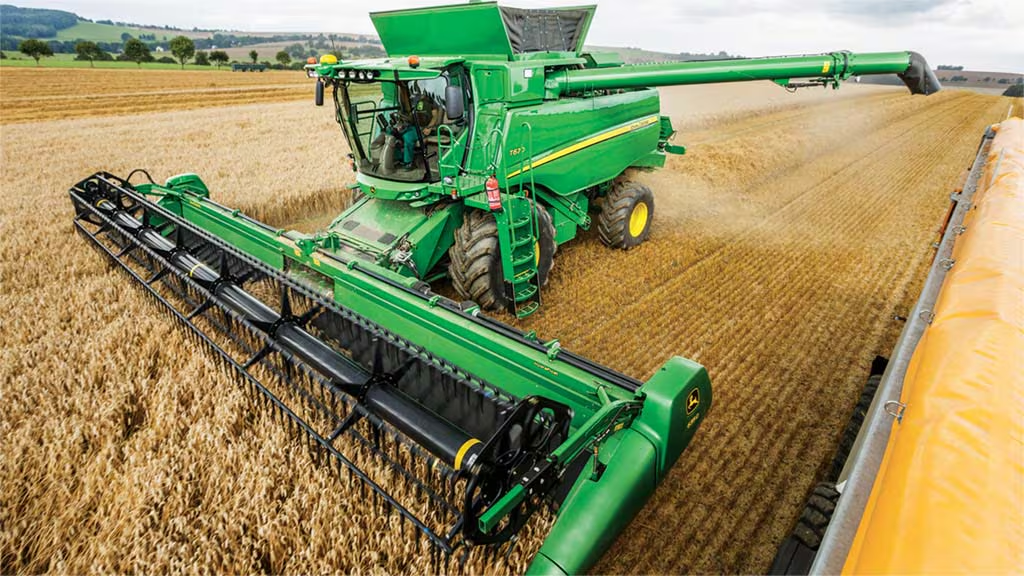
Combine harvesters are among the most recognisable and widely used harvesting vehicles in the world. They are primarily used for cereal crops such as wheat, maize, barley, and oats.
These farming machines combine multiple harvesting steps into one operation, including cutting, threshing, separating, and cleaning grain. In South Africa’s grain-producing regions, combine harvesters are essential for large-scale farming, where speed and efficiency are critical during narrow harvest windows.
Forage Harvesters
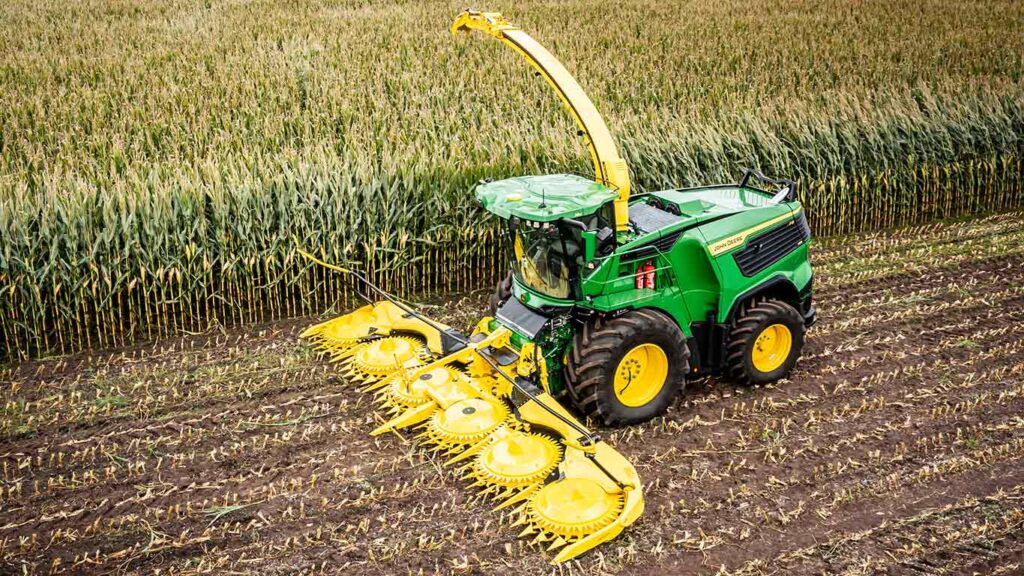
Forage harvesters are specialised vehicles used to cut and process crops intended for animal feed, such as silage maize, grass, and lucerne. These machines chop crops into smaller pieces, making them easier to store and digest for livestock.
Often used alongside transport trucks or trailers, forage harvesters are common on dairy and livestock farms. Their ability to harvest and process large volumes of forage quickly makes them indispensable in modern animal agriculture.
Sugarcane Harvesters
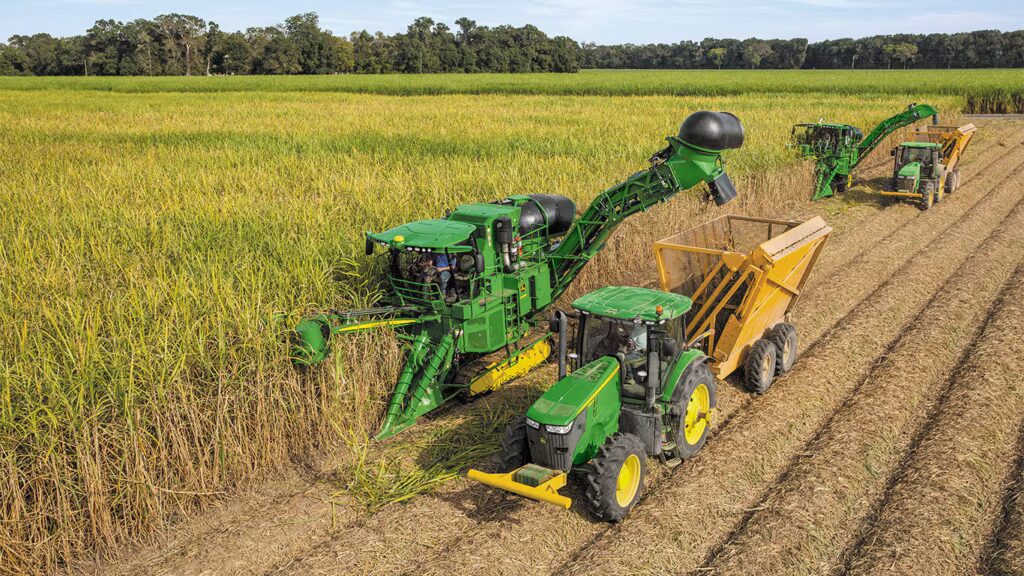
Sugarcane harvesting vehicles are designed specifically for the demanding conditions of sugarcane fields. These machines cut tall cane stalks, strip leaves, and chop the cane into uniform lengths for transport.
In regions where sugarcane farming is prominent, harvesting vehicles of this type help reduce reliance on manual labour while improving consistency and safety. Their rugged construction allows them to operate in tough terrain and dense crop conditions.
Fruit and Orchard Harvesting Vehicles
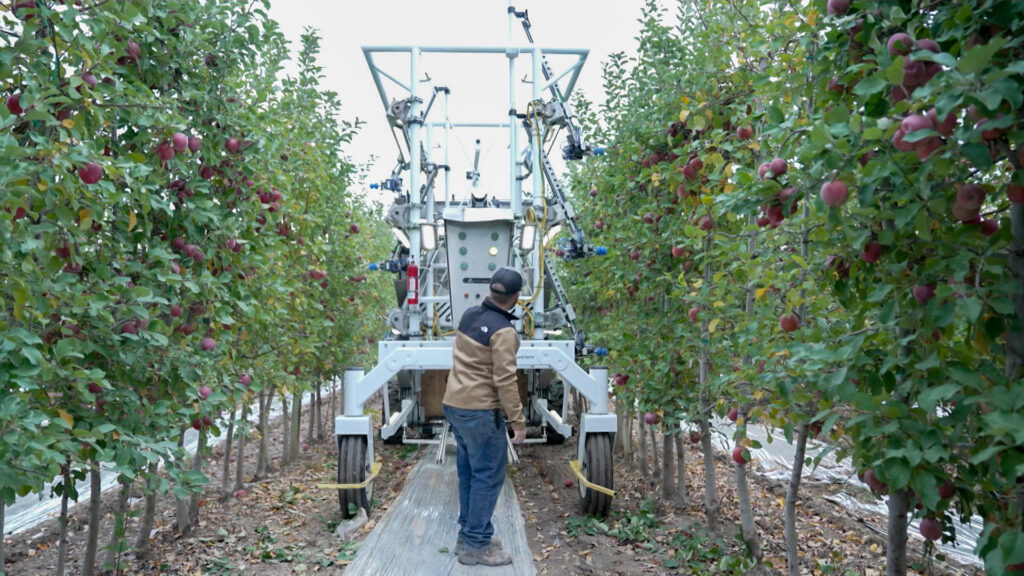
Fruit and orchard vehicles are designed to work in tighter spaces and more delicate environments. These include machines used for apples, citrus, grapes, and other orchard crops.
Some vehicles assist with shaking trees to release fruit, while others provide platforms for manual picking at height. These machines improve efficiency while reducing physical strain on workers, making them an important part of modern orchard management.
Root Crop Harvesters
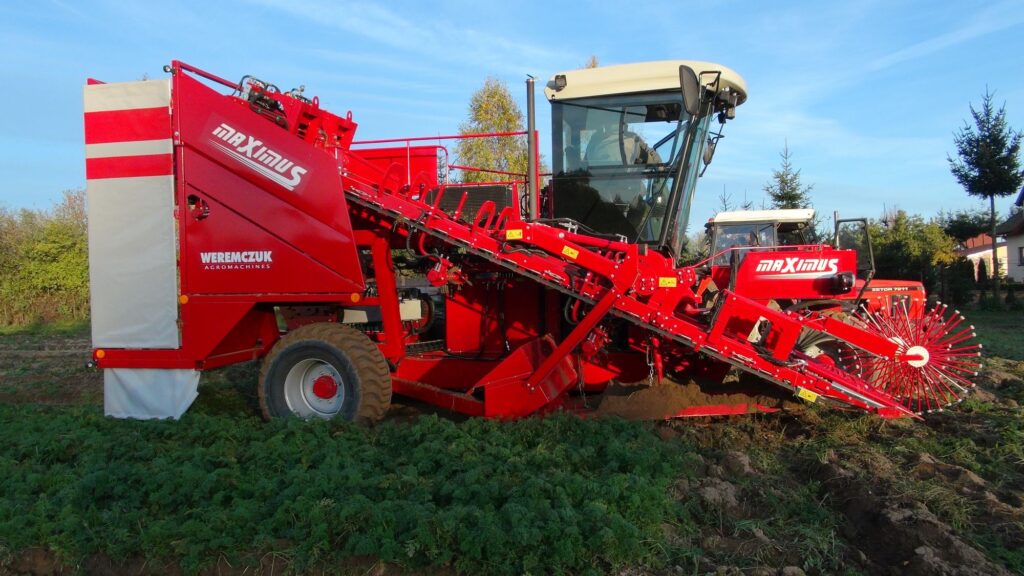
Root crop harvesting vehicles are used for crops such as potatoes, carrots, onions, and sugar beet. These machines lift crops from the soil, separate them from dirt and debris, and prepare them for collection or storage.
Designed to minimise crop damage, root crop harvesters are especially valuable in commercial vegetable farming. Their precision and consistency help improve product quality while reducing waste.
Why Harvesting Vehicles Matter in Agriculture
The importance of harvesting vehicles goes beyond speed and convenience. These machines help farmers manage tight harvest schedules, reduce crop losses, and cope with labour shortages.
In South Africa, where farming conditions vary widely, harvesting vehicles must be reliable, adaptable, and capable of handling different terrains and crop types. Investment in the right harvesting equipment often determines the success of an entire growing season.
The Role of Harvesting Vehicles in Modern Farming
As agriculture continues to evolve, harvesting vehicles are becoming smarter and more efficient. Features such as yield monitoring, GPS steering, and automated adjustments allow farmers to make data-driven decisions during harvest.
These advancements ensure that harvesting vehicles remain a cornerstone of modern agriculture, supporting productivity, sustainability, and long-term food supply.