Delivery Vehicles: Types, Uses and Top Brands for Cargo Transport
Delivery vehicles play a vital role in modern logistics and commerce. From courier companies transporting parcels across cities to retailers supplying goods to stores and customers, these vehicles form the backbone of last-mile transport. In a world where fast shipping and reliable deliveries are expected, delivery vehicles ensure that goods move efficiently from warehouses to their final destinations.
As part of the broader cargo transport ecosystem, delivery vehicles serve a different purpose than large freight trucks or long-distance haulage vehicles. While heavy trucks move large shipments between cities and distribution centres, delivery vehicles specialise in shorter routes and frequent stops. Their design prioritises flexibility, cargo accessibility, and efficiency in urban environments.
Across South Africa and the world, businesses rely heavily on delivery vehicles to maintain supply chains. The growth of e-commerce, courier services, and rapid delivery expectations has increased demand for reliable fleets that can operate in both busy city centres and suburban areas.
In this guide, we explore the role of delivery vehicles, the types commonly used in logistics operations, and the top brands that dominate the commercial vehicle market.
What are delivery vehicles?
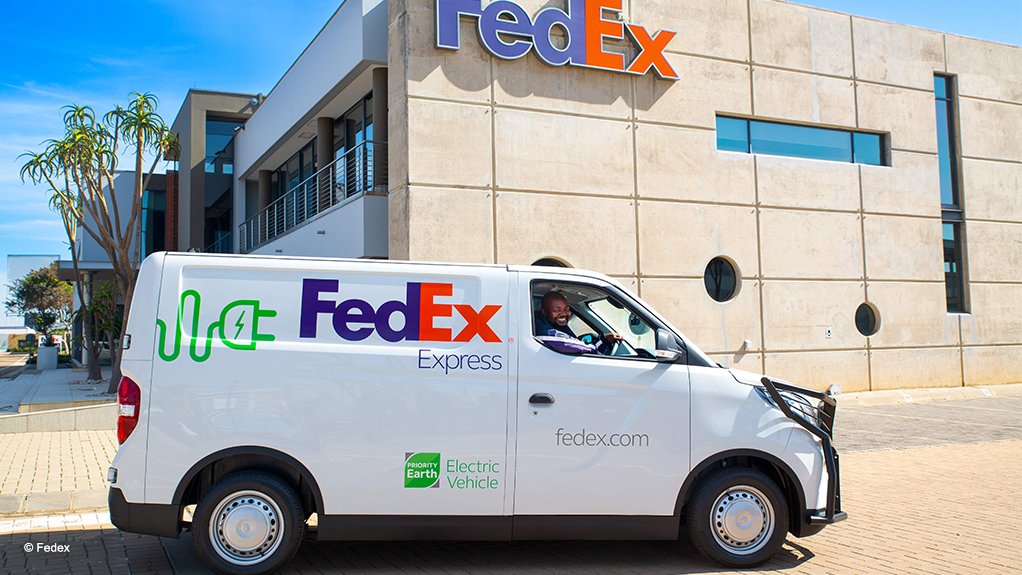
Delivery vehicles are commercial transport vehicles designed to carry goods over relatively short distances, typically between warehouses, retail stores, businesses, and customers. Their primary function is to move cargo quickly and efficiently through urban and regional transport networks.
Unlike long-haul freight trucks, delivery vehicles are built for frequent stops and tight urban routes. They are often smaller, more manoeuvrable, and easier to operate in congested areas. These characteristics make them ideal for courier services, retail supply chains, and service industries that require regular product deliveries.
Many businesses operate dedicated delivery fleets to ensure consistent service. Courier companies transport parcels and documents, food distributors supply restaurants and supermarkets, and retail chains use delivery vehicles to replenish store inventory.
Because delivery vehicles operate in highly competitive industries where time and reliability matter, fleet operators often prioritise vehicles that offer strong fuel efficiency, dependable performance, and sufficient cargo capacity for daily operations.
Types of delivery vehicles used in logistics
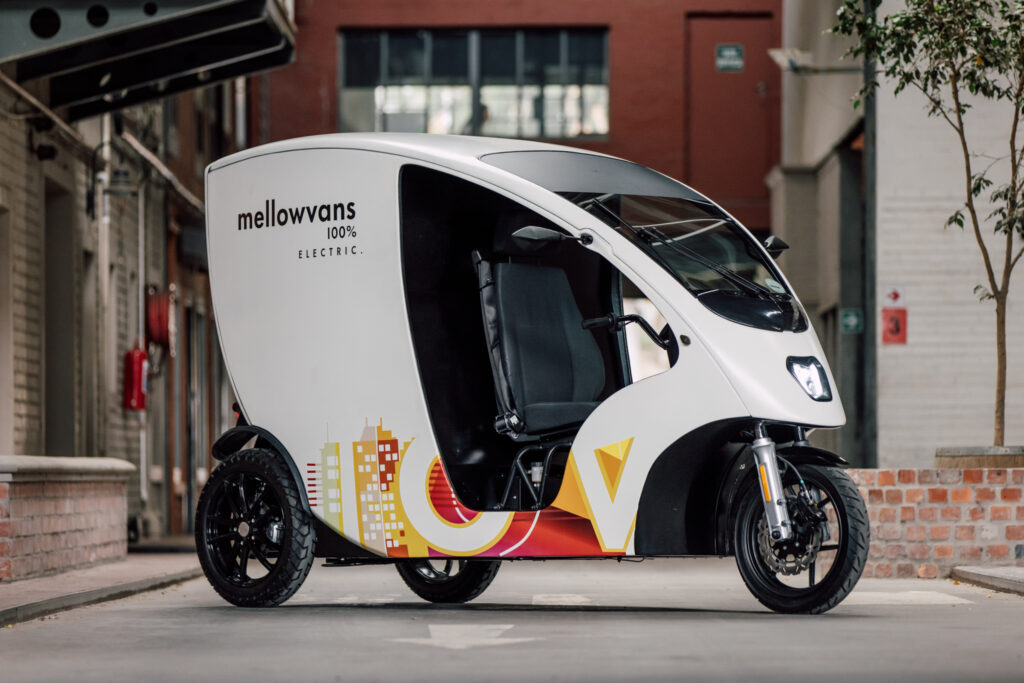
The logistics industry uses a wide range of delivery vehicles depending on cargo size, route distance, and delivery frequency. While some vehicles focus on small parcel deliveries, others are designed to carry larger loads for commercial distribution.
Common types of delivery vehicles include:
- Panel vans
- Small cargo vans
- Medium commercial vans
- Refrigerated delivery vehicles
- Electric delivery vans
- Motorcycle and scooter delivery vehicles
- Light pickup delivery vehicles
Panel vans and small cargo vans are among the most widely used delivery modes, particularly for courier companies and small businesses. These vehicles provide enclosed cargo space that protects goods while remaining compact enough for city driving.
Medium commercial vans are often used by larger courier fleets and logistics companies. They offer greater cargo capacity and can transport larger shipments without requiring heavy truck licences.
Refrigerated delivery vehicles are essential for transporting temperature-sensitive goods such as food, pharmaceuticals, and medical supplies. These vehicles maintain controlled environments to preserve product quality during transport.
Motorcycles and scooters are sometimes used for rapid deliveries in densely populated urban areas, particularly for food delivery services. Their ability to navigate traffic quickly allows companies to complete more deliveries within shorter timeframes.
Delivery vehicles beyond the road network

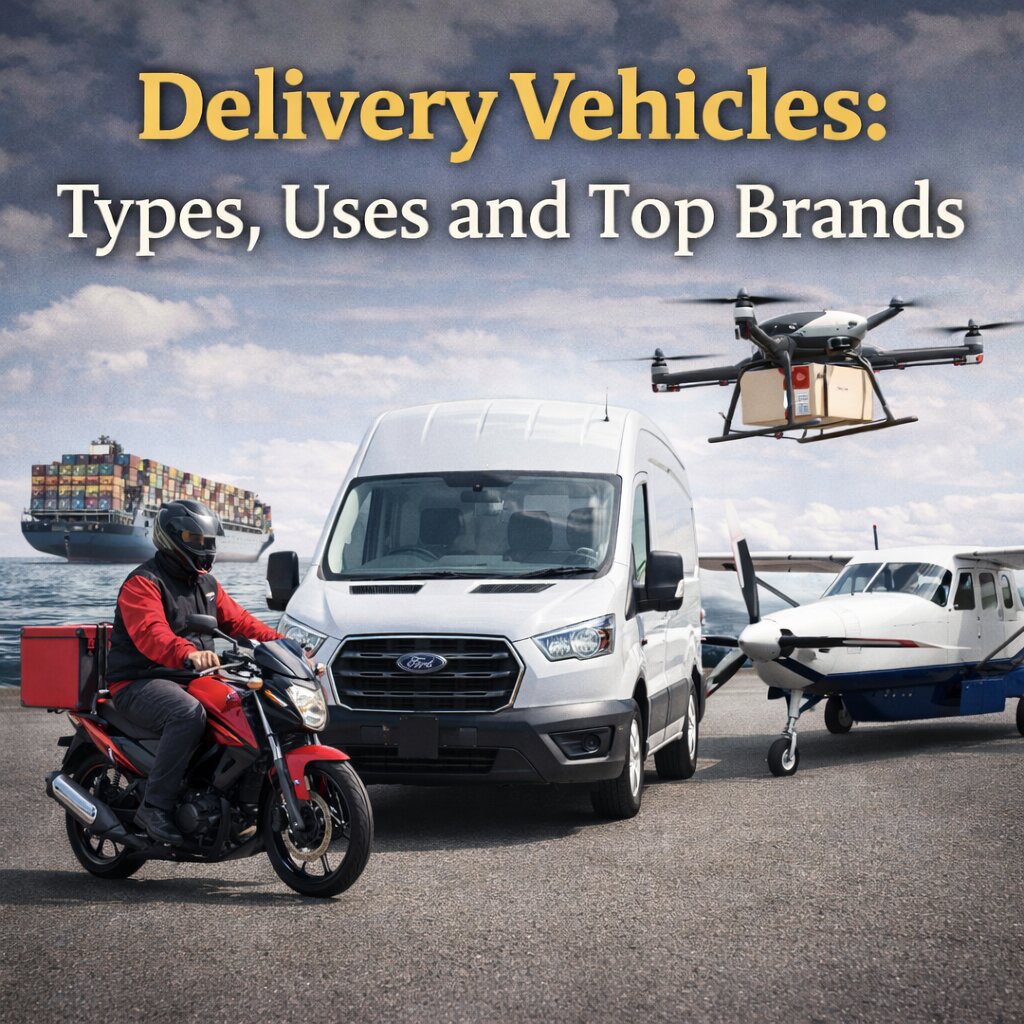
While delivery modes are often associated with vans and commercial cars, modern logistics networks rely on a much broader range of transport solutions. In many industries, goods must travel across different environments before reaching their final destination. This means delivery operations can include vehicles operating on land, water, and in the air.
In coastal regions and island communities, boats also serve as delivery modes. Small cargo vessels and service boats transport supplies, equipment, and commercial goods between ports, marinas, and offshore locations where road access is not possible.
Air transport also plays an important role in modern delivery systems. Cargo aircraft move goods between cities and countries, while smaller aircraft and drones are increasingly used for specialised deliveries such as medical supplies and urgent logistics.
Off-road and specialised vehicles can also act as delivery modes in remote environments. Quad bikes, utility terrain vehicles, and rugged pickup trucks are often used in agriculture, mining, and rural logistics where standard delivery vans cannot operate effectively.
When viewed in this broader context, modes of delivery represent an entire category of transport solutions that support the final stages of cargo movement across multiple industries.
Top delivery vehicle brands in South Africa

Several global manufacturers dominate the delivery vehicle market in South Africa. These brands produce reliable commercial vehicles designed to meet the demands of logistics operators and fleet managers.
Toyota remains one of the most trusted brands for delivery vehicles, with models such as the HiAce and Quantum widely used across courier services and small businesses. Their reputation for reliability and durability makes them popular choices for companies that depend on consistent vehicle performance.
Ford also plays a major role in the commercial van segment. The Ford Transit range is commonly used by delivery fleets worldwide and offers multiple configurations to suit different cargo requirements.
Mercedes-Benz has built a strong reputation in the premium commercial vehicle market. Models like the Sprinter and Vito are widely used by logistics companies that require large cargo space combined with advanced driver assistance technologies.
Volkswagen contributes significantly to the delivery vehicle sector with its Crafter and Transporter models. These vans are known for their versatility, strong performance, and adaptable cargo configurations.
Other manufacturers such as Nissan and Isuzu also supply light commercial vehicles that serve delivery operations, particularly in industries where durability and payload capacity are essential.
How delivery vehicles support last-mile logistics
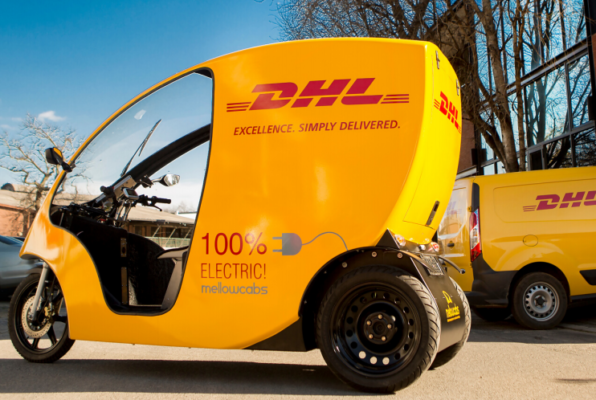
One of the most important roles of delivery vehicles is supporting last-mile logistics. The last mile refers to the final stage of the delivery process, when goods travel from a distribution centre to the customer.
This stage is often the most complex and expensive part of the supply chain. Urban congestion, unpredictable traffic conditions, and high delivery expectations require vehicles that can operate efficiently in challenging environments.
Delivery vehicles help logistics companies manage these challenges by providing flexibility and speed. Their smaller size allows drivers to access residential neighbourhoods, narrow streets, and busy commercial areas where larger trucks would struggle to operate.
The rapid growth of e-commerce has further increased the importance of delivery vehicles. Online retailers depend on efficient delivery networks to ensure that customer orders arrive quickly and reliably.
As consumers continue to expect faster shipping times, delivery vehicles will remain central to modern logistics strategies.
The future of delivery vehicles in cargo transport
The future of delivery vehicles is evolving as new technologies and sustainability initiatives reshape the logistics industry. Electric delivery vehicles are becoming increasingly popular as companies seek to reduce emissions and operating costs.
Several major manufacturers are already developing electric commercial vans designed specifically for urban delivery routes. These vehicles offer quieter operation, lower fuel expenses, and reduced environmental impact.
Another emerging trend is the use of advanced route optimisation software. Fleet operators now rely on digital systems that analyse traffic patterns, delivery schedules, and driver performance to improve efficiency.
Some companies are also experimenting with autonomous delivery technologies. While fully autonomous fleets are still in development, self-driving systems may eventually support logistics networks by improving safety and reducing driver fatigue.
As these innovations continue to develop, delivery vehicles will become smarter, more efficient, and better suited to the demands of modern commerce.
Delivery vehicles driving modern logistics
Delivery vehicles remain one of the most important components of modern cargo transport. They bridge the gap between large distribution networks and the final destination where goods reach businesses and customers.
Their ability to navigate urban environments, carry diverse cargo types, and support fast delivery schedules makes them essential for industries ranging from retail and food distribution to courier services and e-commerce.
As logistics networks continue to expand, delivery vehicles will play an even greater role in keeping supply chains moving. For businesses that rely on dependable transport, choosing the right delivery vehicles can make a significant difference in efficiency, customer satisfaction, and overall operational success.