What Are Construction Material Handling Vehicles?
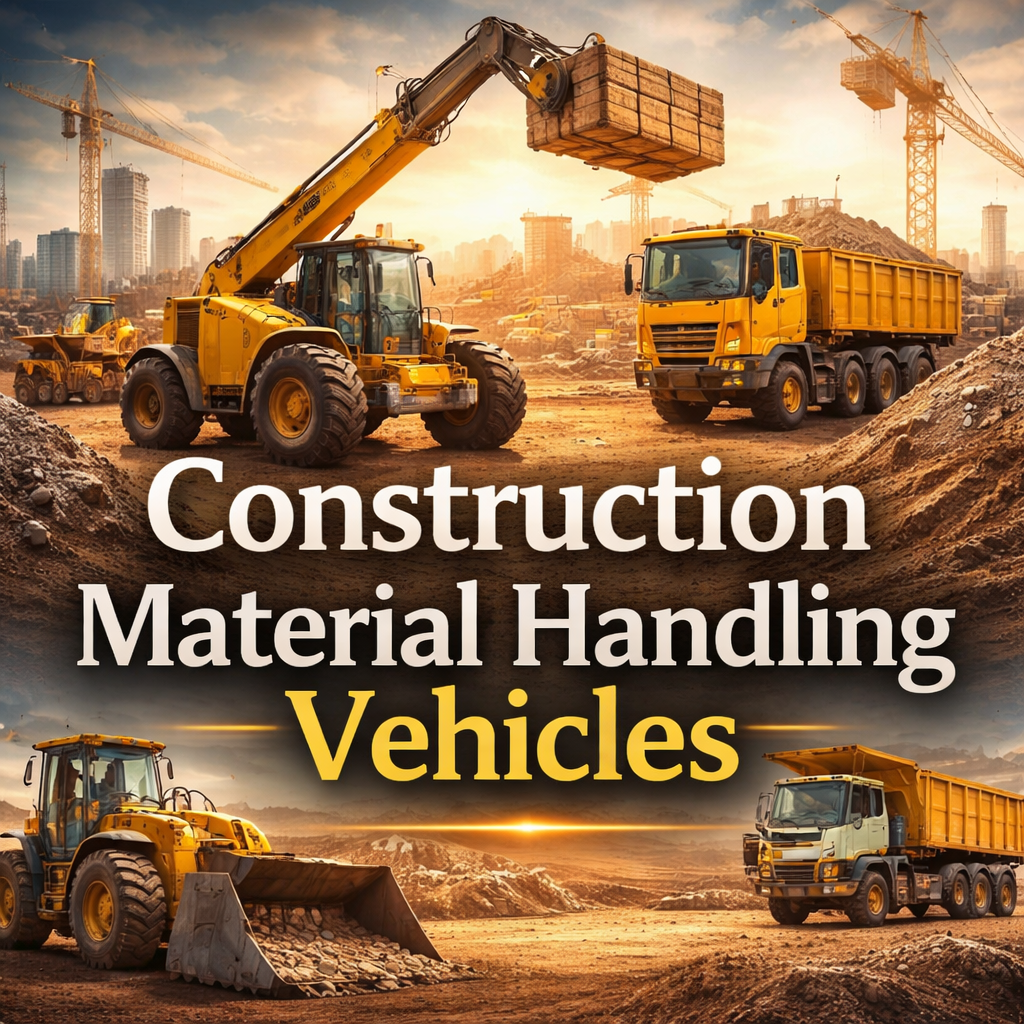
Construction material handling vehicles are specialised machines designed to transport, lift, load, stack, and distribute materials on construction sites. These materials can include concrete, steel, timber, bricks, pipes, heavy equipment, and bulk earth.
Unlike general road vehicles, these machines are engineered for rugged terrain, heavy loads, and continuous operation. They are built with reinforced frames, powerful hydraulics, and advanced stability systems to handle demanding site conditions safely.
The primary purpose of construction material handling vehicles is to reduce manual labour, increase efficiency, and improve safety standards across construction operations.
Main Types of Construction Material Handling Vehicles
Construction sites require different machines for different tasks. From lifting heavy structural components to transporting loose materials across rough terrain, each type of vehicle is designed with a specific function in mind. Understanding the main types of construction material handling vehicles helps contractors choose the right equipment for efficiency, safety, and productivity on site.
Forklifts
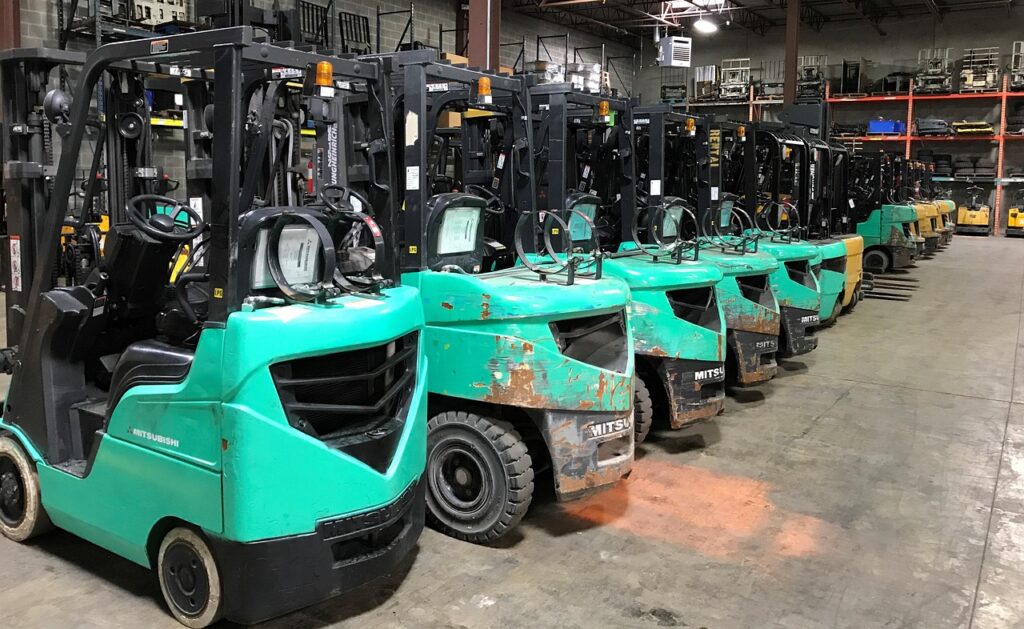
Forklifts are construction material handling vehicles commonly used on construction sites for lifting palletised materials and transporting them short distances. Rough terrain forklifts are particularly popular in construction due to their large tyres and enhanced stability on uneven surfaces.
They are ideal for moving bricks, cement bags, timber packs, and other bundled materials.
Telehandlers (Telescopic Handlers)
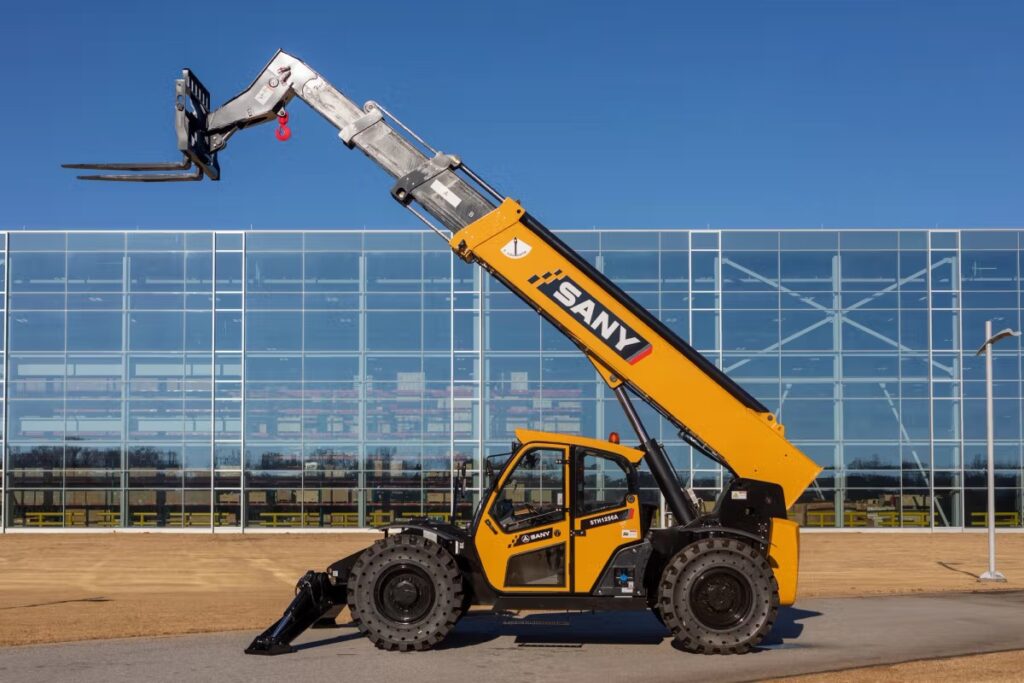
Telehandlers combine the functionality of a forklift with the reach of a crane. Their telescopic boom allows operators to lift materials to elevated areas, making them essential for multi-storey construction projects.
They are versatile machines capable of using various attachments such as buckets, pallet forks, and lifting hooks.
Wheel Loaders
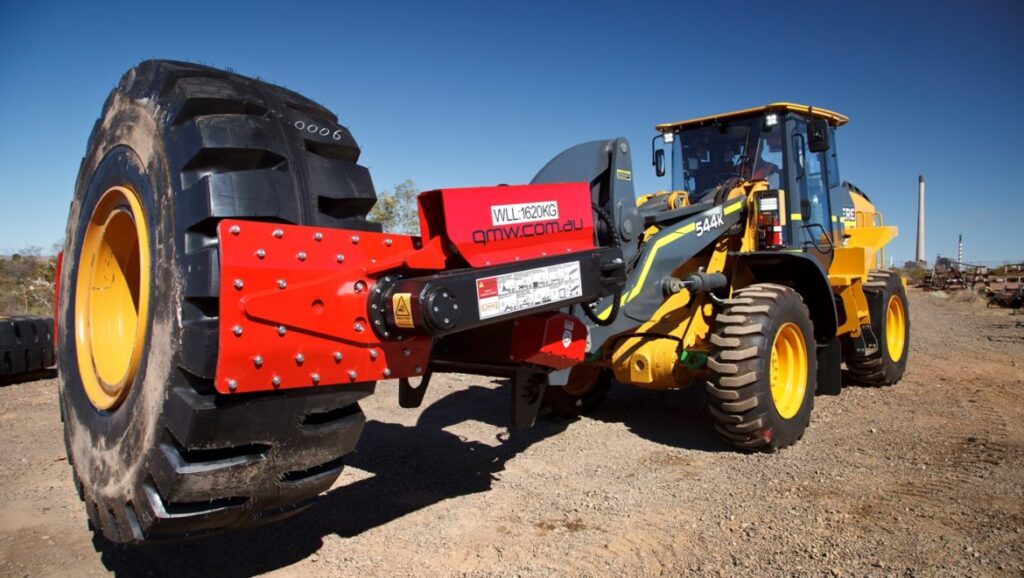
Wheel loaders are primarily used to move bulk materials such as sand, gravel, soil, and demolition waste. Their front-mounted bucket allows for efficient loading into trucks or relocating materials across a site.
These machines are indispensable in large infrastructure and earthmoving projects.
Dumpers and Site Dump Trucks
Site dumpers are compact vehicles designed to transport loose materials around a construction site. They are particularly useful in confined areas where larger trucks cannot operate.
Their design prioritises manoeuvrability and load stability.
Cranes
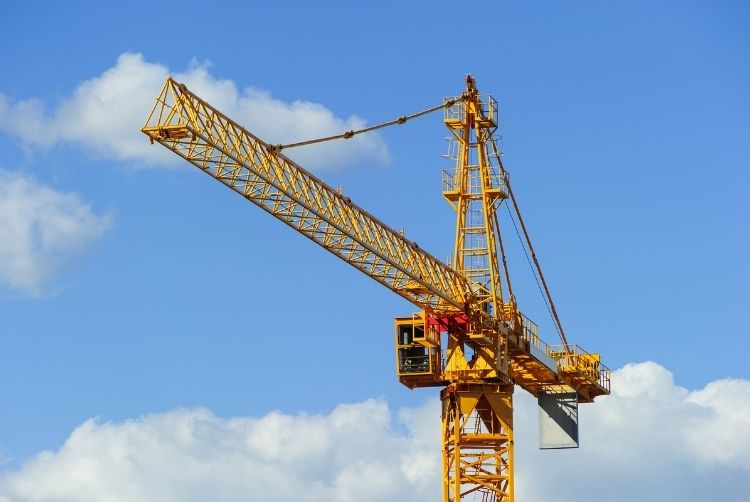
Although often categorised separately, cranes are a major part of material handling on construction sites. Mobile cranes and tower cranes are responsible for lifting heavy structural components into position.
They play a crucial role in high-rise developments and major infrastructure builds.
Top Brands in Construction Material Handling Vehicles
Several global manufacturers dominate the construction material handling vehicle market due to their reliability, innovation, and performance standards.
- Caterpillar – Known for durability and heavy-duty performance across loaders and material handlers.
- JCB – A leader in telehandlers and backhoe loaders, widely used across UK and global markets.
- Volvo Construction Equipment – Recognised for safety systems and fuel-efficient machinery.
- Komatsu – Offers advanced technology integration and strong performance in earthmoving equipment.
- Manitou – Specialises in telehandlers and rough-terrain handling solutions.
These brands continue to invest in automation, telematics, and electric powertrains to meet modern sustainability and efficiency standards.
Why These Vehicles Are Critical to Construction Efficiency
Construction timelines are often tight and highly coordinated. Delays in material movement can disrupt multiple teams and increase project costs. Material handling vehicles reduce bottlenecks by ensuring materials are delivered precisely where and when needed.
They also significantly improve workplace safety. Heavy materials handled manually increase the risk of injury. By mechanising lifting and transport, construction companies reduce physical strain and site accidents.
Additionally, modern machines integrate telematics and fleet management systems, allowing project managers to monitor usage, fuel efficiency, and maintenance schedules in real time.
Technology and Sustainability Trends
The construction industry is rapidly evolving, and material handling vehicles are part of this transformation. Manufacturers are introducing electric and hybrid models to reduce emissions, particularly in urban environments.
Advanced safety systems such as load monitoring, stability control, and camera-assisted visibility are becoming standard. Automation and semi-autonomous capabilities are also beginning to reshape how material handling is managed on larger projects.
As environmental regulations tighten and efficiency demands increase, innovation in construction material handling vehicles will continue to accelerate.
Driving Modern Construction Forward
Construction material handling vehicles are more than just site equipment. They are productivity engines that keep projects moving safely and efficiently. From forklifts and telehandlers to loaders and cranes, these machines form the operational backbone of every successful build.
As the industry moves toward smarter, safer, and more sustainable practices, investment in the right material handling vehicles will remain a critical factor in long-term success.