Types of Utility Vehicles Explained
Utility vehicles are the backbone of countless industries, providing specialised transport and equipment for essential services that keep communities, businesses and infrastructure operating efficiently. Understanding the types of utility vehicles available helps fleet managers, businesses and organisations select the right vehicles for specific operational needs.
From maintaining power networks to supporting environmental conservation, utility vehicles are designed for demanding conditions while delivering reliability, safety and versatility. As technology continues to evolve, these vehicles are also becoming smarter, cleaner and more autonomous.
This guide explores the main types of utility vehicles and the vital roles they play across multiple industries.
Main Utility Vehicles
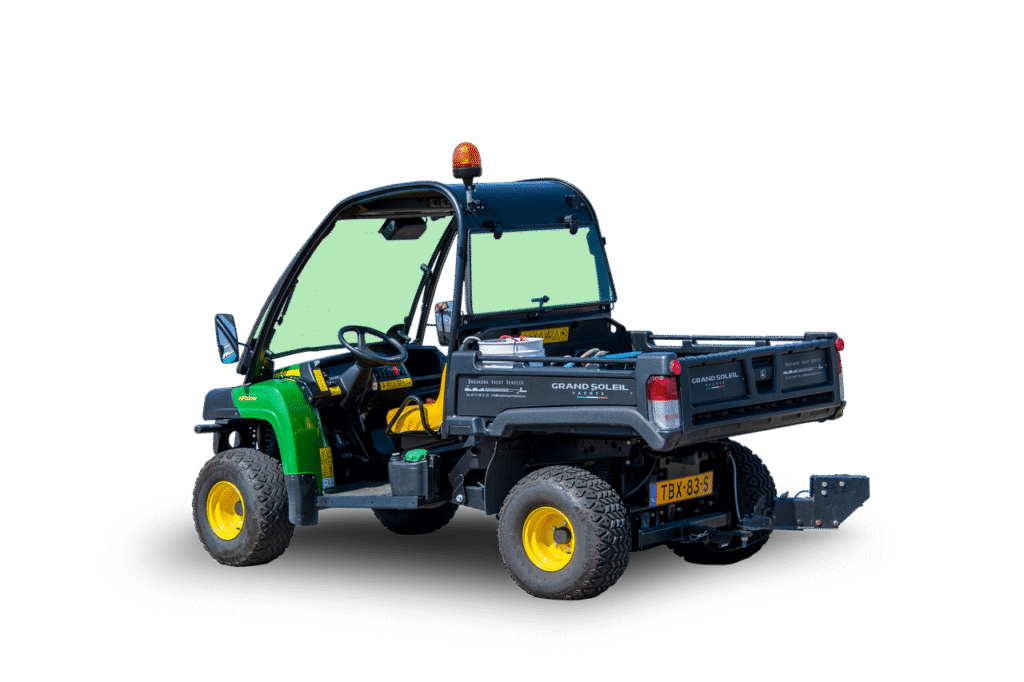
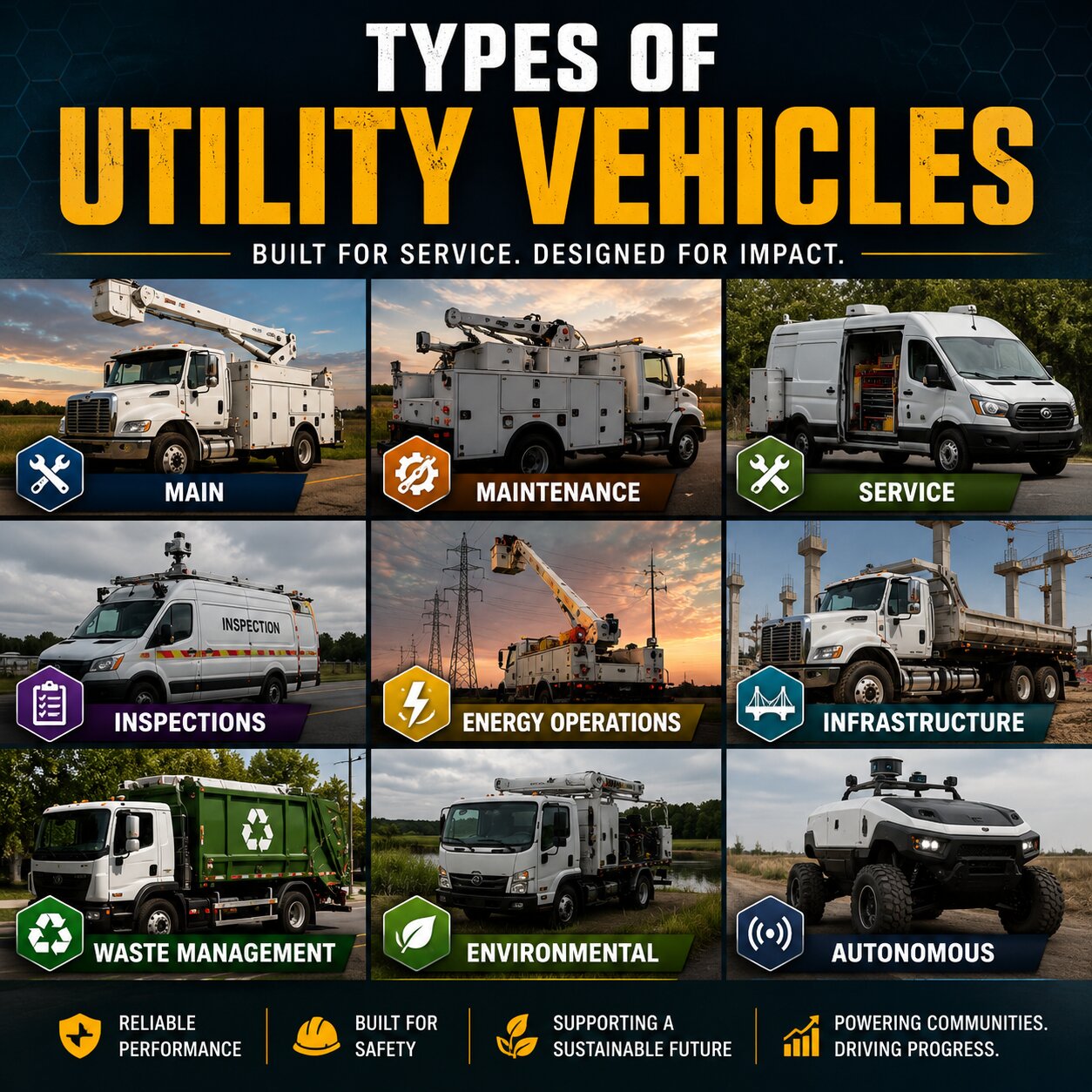
Main utility vehicles are the general-purpose workhorses of many fleets. They are commonly used by municipalities, contractors and utility companies to transport personnel, equipment and materials between work sites.
These vehicles often include utility pickups, service trucks and light commercial vehicles equipped with storage compartments, towing capabilities and off-road features. Their flexibility allows them to perform a wide variety of daily operational tasks.
Because they serve numerous industries, main utility vehicles are frequently customised with specialised bodies, tool storage and communication equipment to meet individual business requirements.
Their versatility makes them one of the most common types of utility vehicles found across public and private sectors.
Maintenance, Service and Inspection Vehicles
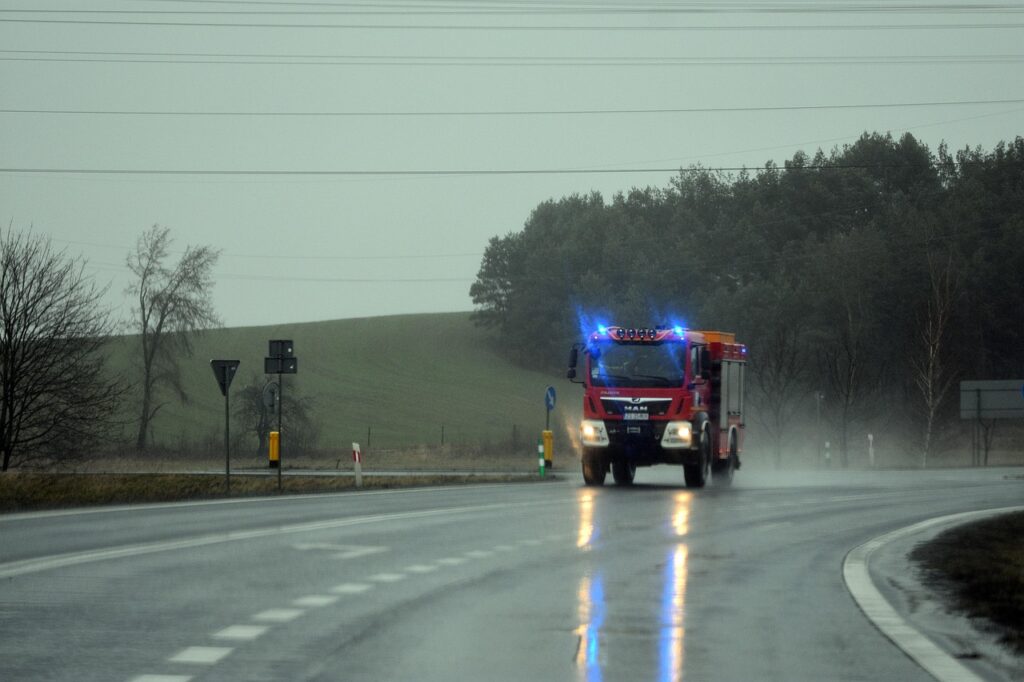
Maintenance vehicles are specifically designed to repair, maintain and inspect infrastructure. They are commonly used for electrical networks, telecommunications, water systems and public facilities.
Service vehicles typically feature extensive onboard storage, mobile workshops, power generation equipment and specialised tools that allow technicians to complete repairs without returning to a central depot.
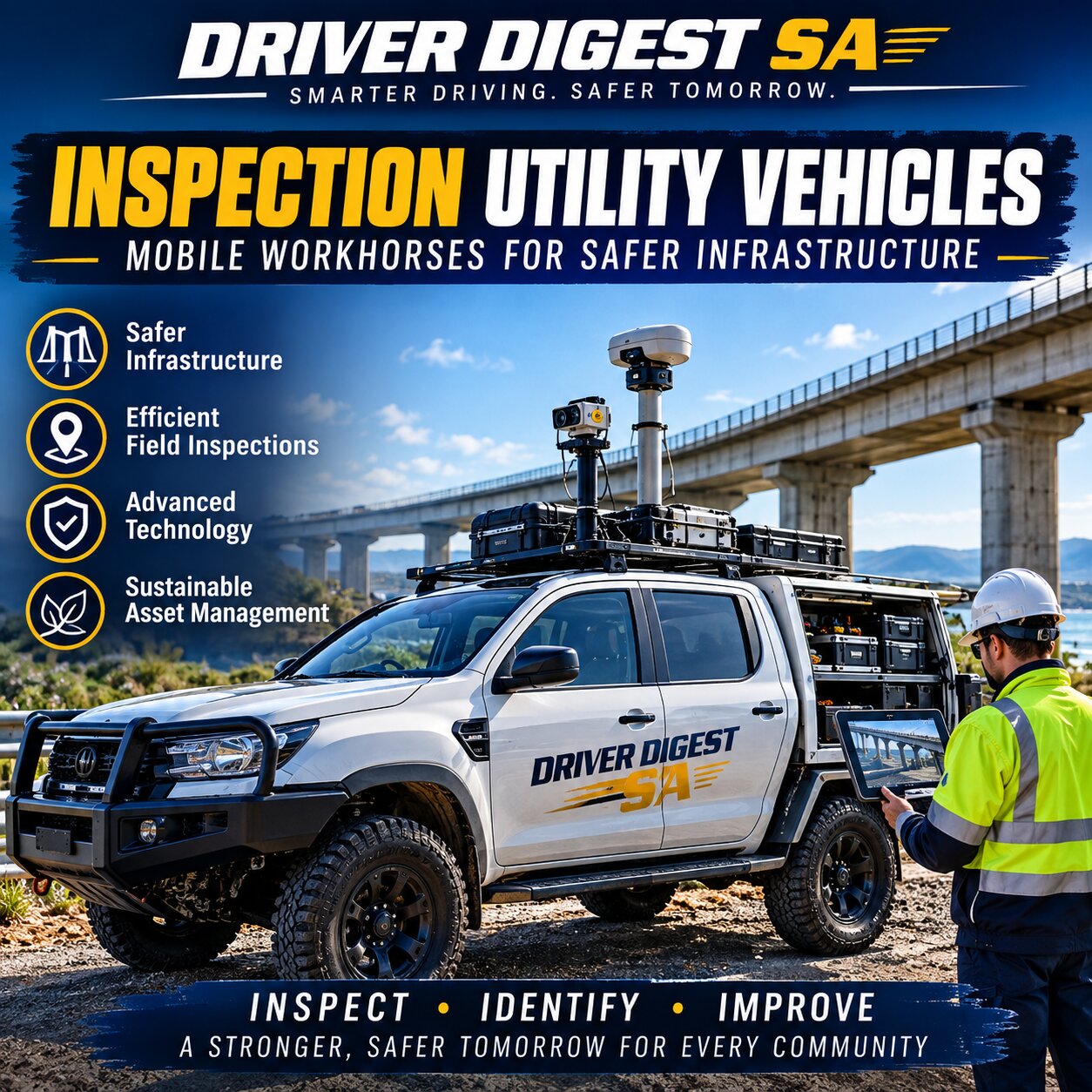
Inspection vehicles are often fitted with cameras, sensors, drones or elevated work platforms that help crews assess infrastructure safely and efficiently. Modern inspection technology also improves preventative maintenance programmes by identifying faults before they become major failures.
Common maintenance and inspection vehicle applications include:
- Electrical utility maintenance
- Water and sewer infrastructure inspections
- Telecommunications servicing
- Road and bridge inspections
- Pipeline monitoring
Energy, Infrastructure and Environmental Utility Vehicles
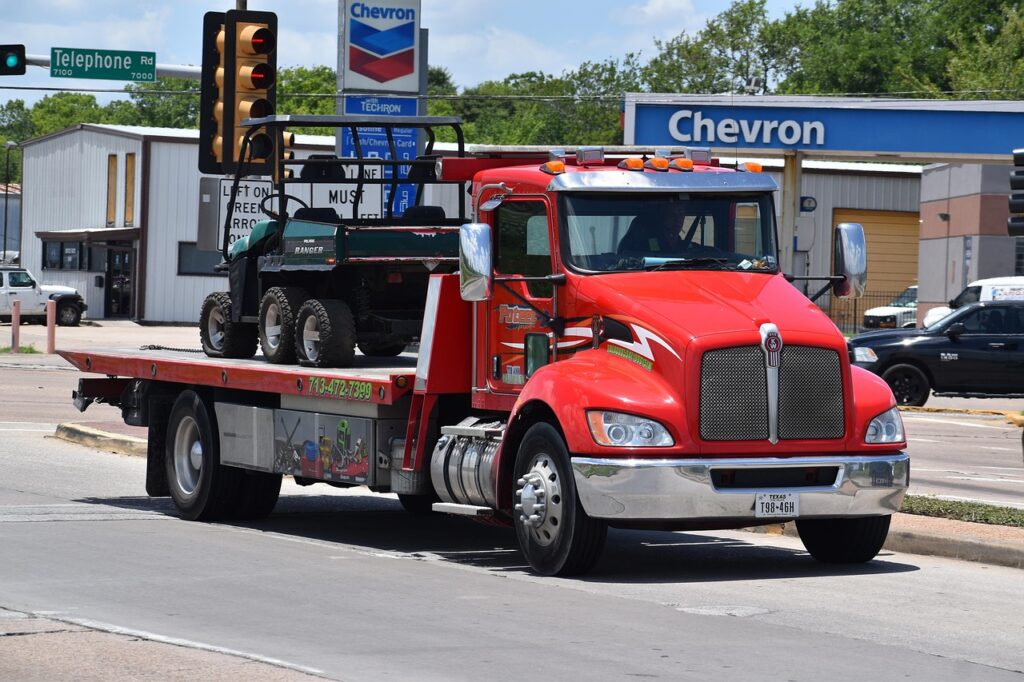
Many of today’s types of utility vehicles support critical infrastructure and environmental management. Energy utility vehicles help maintain power generation facilities, substations, transmission lines and renewable energy installations.
Infrastructure vehicles support road construction, public works, drainage systems and civil engineering projects. These vehicles often operate in demanding environments where durability and specialised equipment are essential.
Waste management vehicles form another important category, ranging from refuse collection trucks to recycling transport vehicles and hazardous waste units. Their role extends beyond collection to improving sustainability and environmental compliance.
Environmental utility vehicles are increasingly used for conservation projects, park management, pollution monitoring, wildfire response and habitat restoration. Many organisations are also transitioning towards electric and hybrid utility vehicles to reduce emissions while maintaining operational capability.
Autonomous Utility Vehicles and the Road Ahead
Automation is beginning to transform the future of the types of utility vehicles used around the world. Autonomous technology is already being tested in mining, agriculture, logistics and industrial facilities where repetitive tasks can be completed with greater efficiency.
These vehicles utilise advanced sensors, cameras, radar, artificial intelligence and GPS navigation to improve productivity while reducing operational risks. Remote monitoring also enables operators to supervise multiple vehicles simultaneously.
Although fully autonomous utility fleets are still developing, semi-autonomous systems are already assisting drivers with safety features, precision navigation and workload management.
As industries continue embracing digital transformation, autonomous utility vehicles are expected to become increasingly common across energy, infrastructure, environmental services and municipal operations, helping organisations improve safety, efficiency and long-term sustainability.