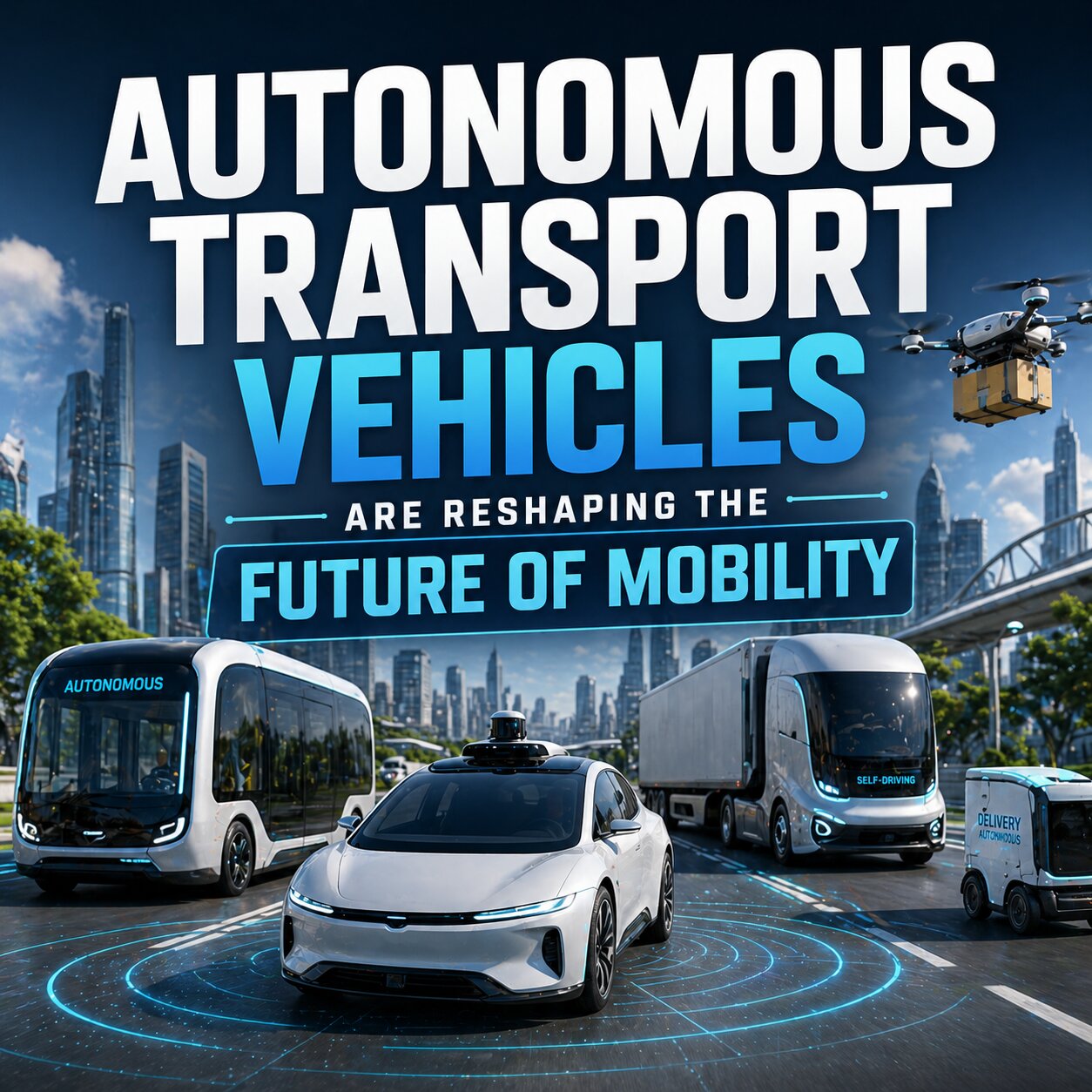
Autonomous Transport Vehicles Are Reshaping the Future of Mobility
Autonomous transport vehicles are rapidly becoming one of the most important developments in the modern transport industry. What once felt like science fiction is now becoming reality as companies around the world invest heavily in self-driving technology, intelligent navigation systems, and AI-powered mobility solutions. From passenger cars and delivery vans to buses and heavy-duty trucks, autonomous transport vehicles are transforming how people and goods move across cities and countries.
The rise of autonomous transport vehicles is not only about convenience. It is also connected to safety, fuel efficiency, logistics optimisation, and reducing human error on the road. As technology continues to evolve, many experts believe autonomous mobility could completely change the future of transportation over the next decade.
Why autonomous transport vehicles are growing so quickly
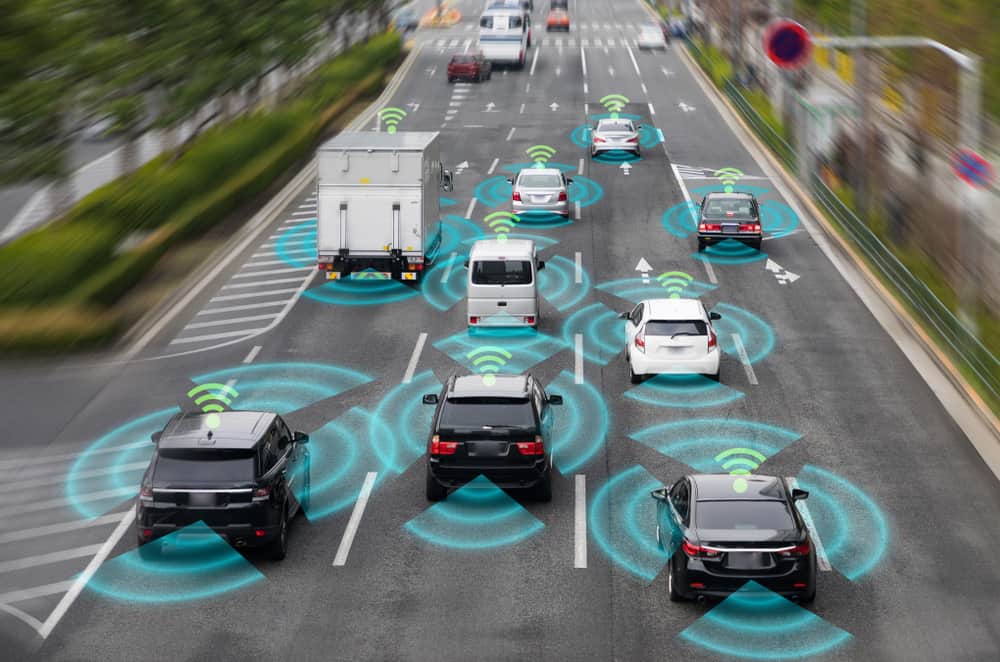
One of the biggest reasons autonomous transport vehicles are receiving so much attention is their potential to improve road safety. Human error remains one of the leading causes of vehicle accidents worldwide. Fatigue, distractions, speeding, and poor decision-making often contribute to collisions that could potentially be avoided with advanced autonomous systems.
Modern autonomous transport vehicles use a combination of cameras, sensors, radar, LiDAR technology, and artificial intelligence to constantly analyse their surroundings. These systems can detect obstacles, monitor traffic patterns, identify road signs, and react far faster than most human drivers.
Logistics companies are also investing heavily in autonomous transport vehicles because of their efficiency potential. Self-driving freight vehicles could operate for longer periods with fewer delays, helping businesses improve delivery times and reduce operational costs. This is especially important as global demand for fast shipping and e-commerce deliveries continues to grow.
Passenger transport is evolving as well. Autonomous taxis and shuttle systems are already being tested in several countries, giving people a glimpse into how future cities may operate with less reliance on traditional driving.
Technologies powering autonomous mobility
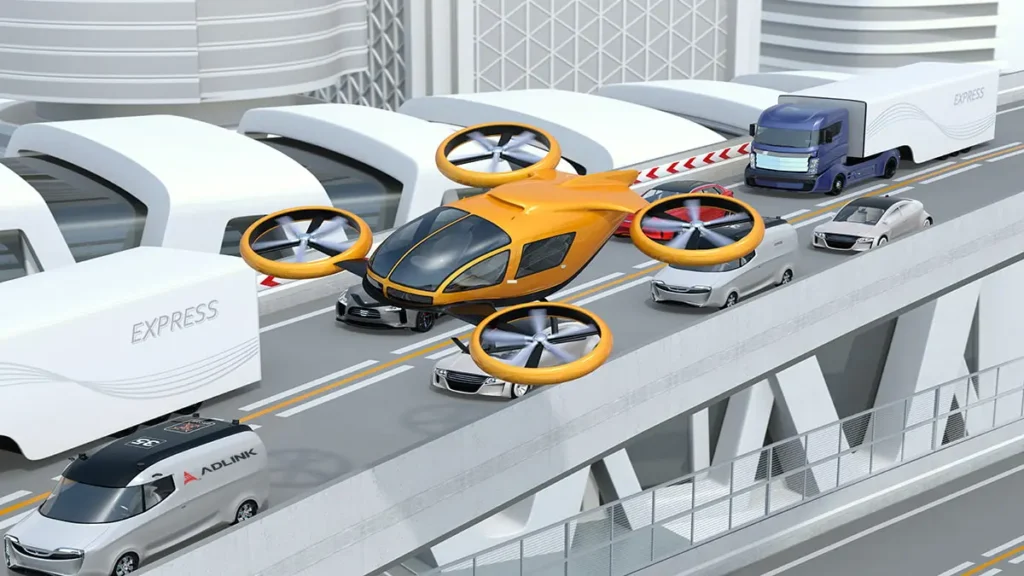
The development of autonomous transport vehicles depends on several advanced technologies working together seamlessly. Artificial intelligence plays a major role in helping vehicles make decisions in real time while adapting to constantly changing environments.
High-precision GPS systems help vehicles navigate routes accurately, while machine learning allows the software to improve through experience and data collection. Many autonomous transport vehicles also rely on cloud connectivity to exchange traffic and road information with other systems.
Key technologies behind autonomous transport vehicles include:
- Artificial intelligence and machine learning
- LiDAR and radar detection systems
- Advanced camera and sensor networks
- GPS and real-time navigation systems
- Vehicle-to-vehicle communication technology
- Smart traffic integration systems
- Automated emergency braking and collision avoidance
- Predictive traffic analysis software
Together, these technologies create transport systems capable of reacting quickly to road conditions while improving overall efficiency and safety.
Challenges facing autonomous transport vehicles
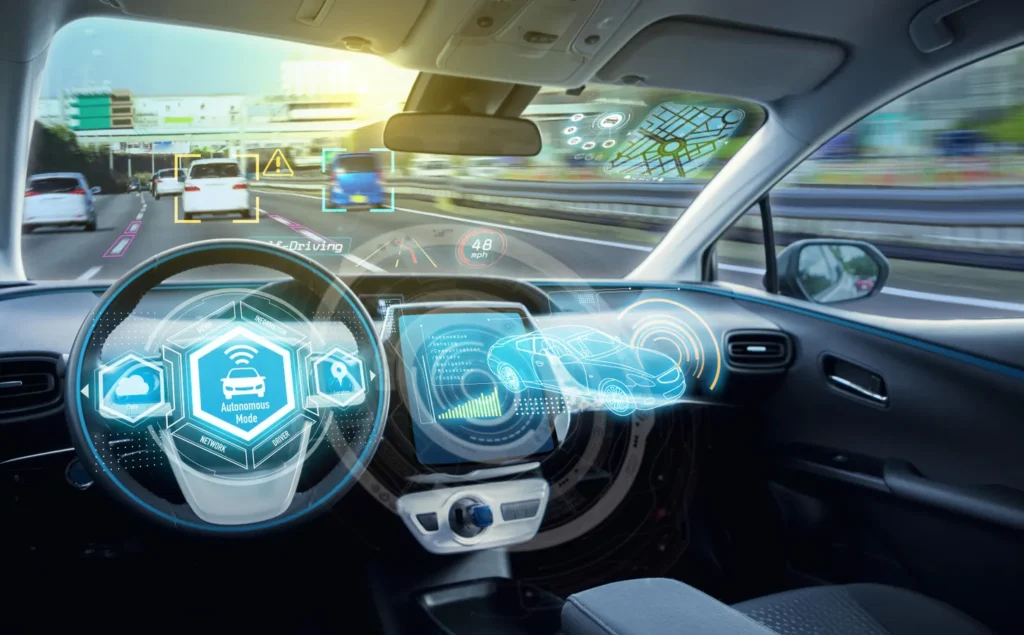
Despite the excitement surrounding autonomous transport vehicles, the industry still faces several major challenges. Regulations differ from country to country, and many governments are still developing laws for self-driving systems.
Public trust also remains a significant hurdle. Some people are still uncomfortable with the idea of fully autonomous vehicles operating without human control. High-profile testing accidents in previous years created concerns about how safe the technology truly is under difficult driving conditions.
Infrastructure is another important factor. Roads, traffic systems, and communication networks may need upgrades before autonomous transport vehicles can operate at large scale in many regions.
Cybersecurity is also becoming increasingly important. Since many autonomous transport vehicles rely on digital systems and connectivity, protecting them from hacking and software vulnerabilities will remain a critical priority.
Driving Towards A Smarter Future
Autonomous transport vehicles are no longer just futuristic concepts appearing in movies and technology expos. They are actively shaping the future of mobility, logistics, and urban development around the world.
While there are still obstacles to overcome, the progress made in recent years has been remarkable. As artificial intelligence, connectivity, and transport infrastructure continue evolving, autonomous transport vehicles could eventually become a common sight on roads across the globe.
For transport enthusiasts and technology fans alike, the future of driving is becoming increasingly intelligent, connected, and automated.