What Is Torque?
If you’ve spent any time reading about cars or watching motorsport, you’ve probably heard the term torque. It is one of the most important measurements of an engine’s performance, yet many drivers confuse it with horsepower. Understanding torque can help you better appreciate how different vehicles accelerate, tow heavy loads and deliver power to the road.
How Torque Affects Vehicle Performance
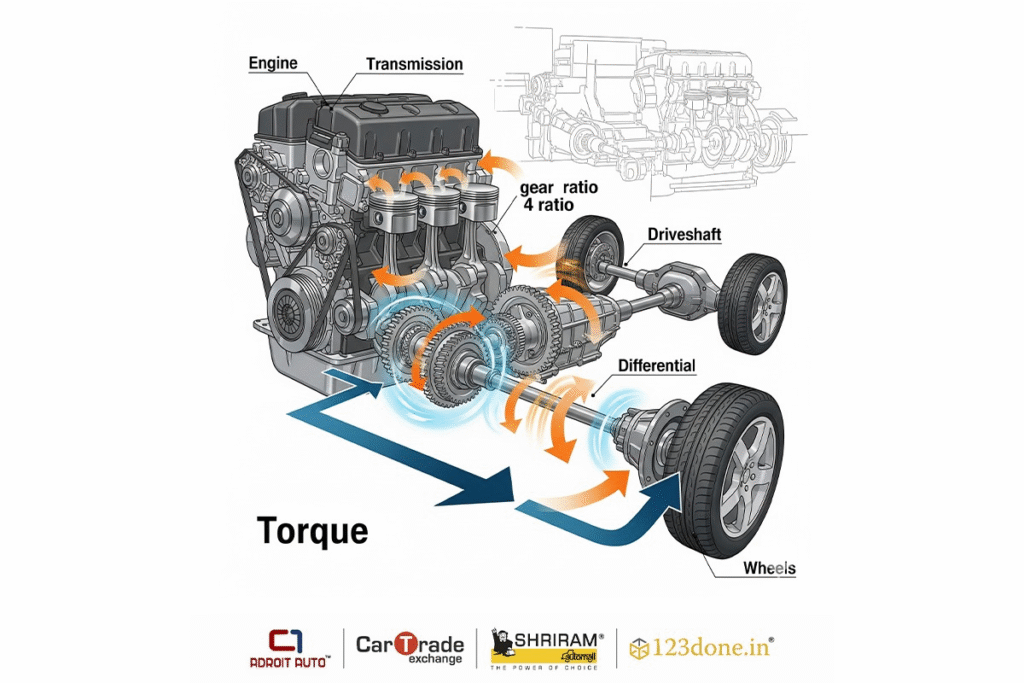
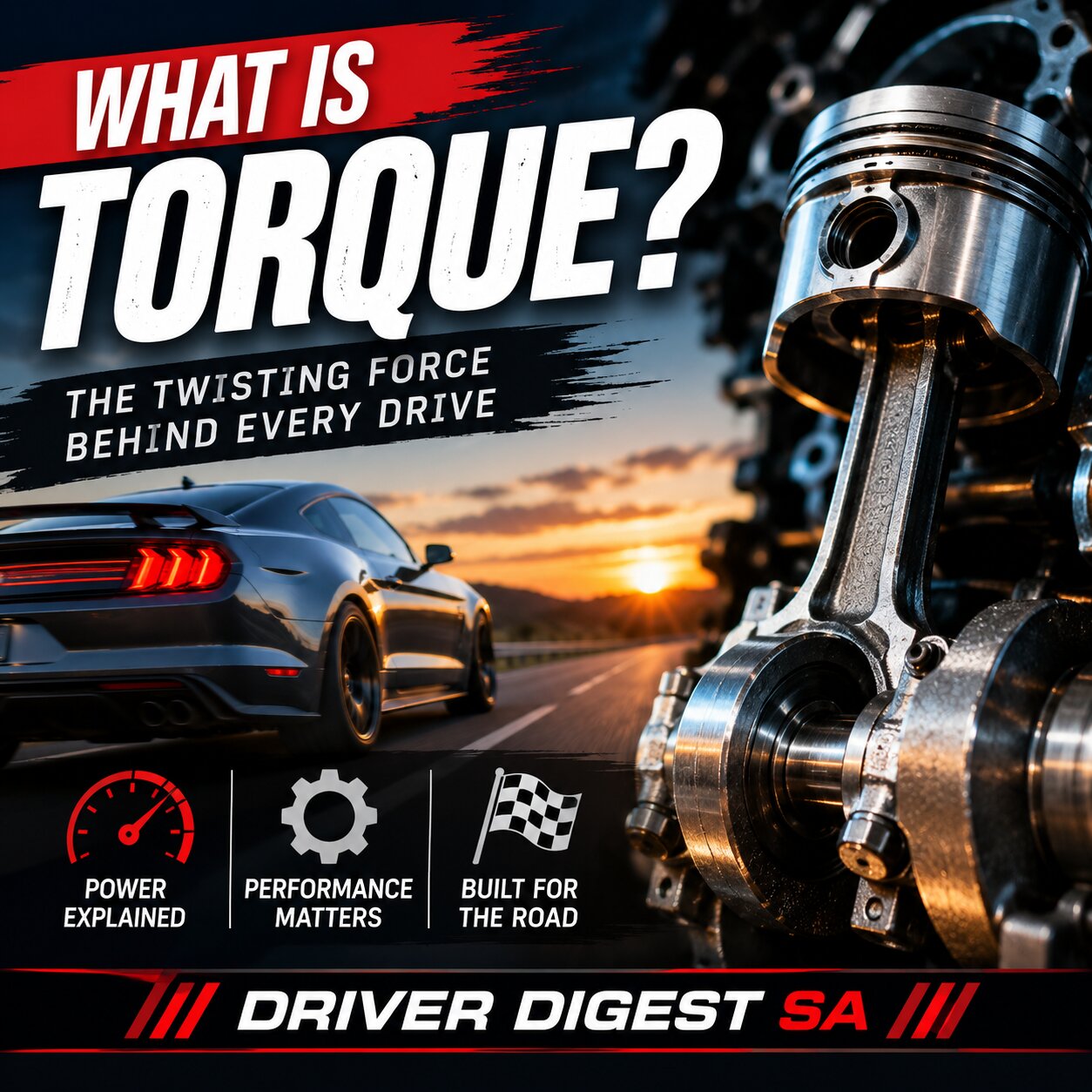
Torque is a measure of the rotational force produced by an engine. Simply put, it describes how much twisting force the engine can generate to turn the wheels. It is usually measured in Newton metres (Nm) or pound-feet (lb-ft), depending on the region.
The more torque an engine produces, the easier it can move heavy vehicles or accelerate from lower speeds. This is why trucks, SUVs and many diesel-powered vehicles are designed to produce high levels of torque. They may not always have the highest top speeds, but they deliver strong pulling power where it matters most.
Sports cars also benefit from high torque, particularly when exiting corners or accelerating onto long straights. Electric vehicles are especially well known for producing instant torque, giving them rapid acceleration as soon as the driver presses the accelerator.
Torque works alongside horsepower rather than replacing it. While torque focuses on the force available, horsepower measures how quickly that force can be delivered over time. Together, these figures provide a more complete picture of an engine’s capabilities.
Understanding torque can also help buyers compare vehicles based on their intended use, whether that means towing, daily commuting or spirited driving.
Final Thoughts
Torque plays a vital role in how every vehicle feels on the road. By understanding what it is and how it works with horsepower, drivers can make more informed decisions and gain a greater appreciation for automotive engineering.