
Farming Vehicles: The Essential Machines Powering Modern Agriculture
Modern agriculture relies on a wide range of farming vehicles designed to handle everything from soil preparation to field management. These vehicles form the backbone of crop production and day-to-day farm operations, allowing farmers to cultivate land efficiently, maintain soil quality and manage resources across large areas.
As the agriculture sector continues to evolve, so too do the vehicles that support it, with new models becoming more advanced, more precise and more productive each year.
This guide explores the core farming vehicles used specifically for field preparation, land cultivation and on-farm movement. It excludes any vehicles that belong under Harvesting, Irrigation, Livestock, Transport, Forestry or Processing categories, which we will cover separately.
Tractors
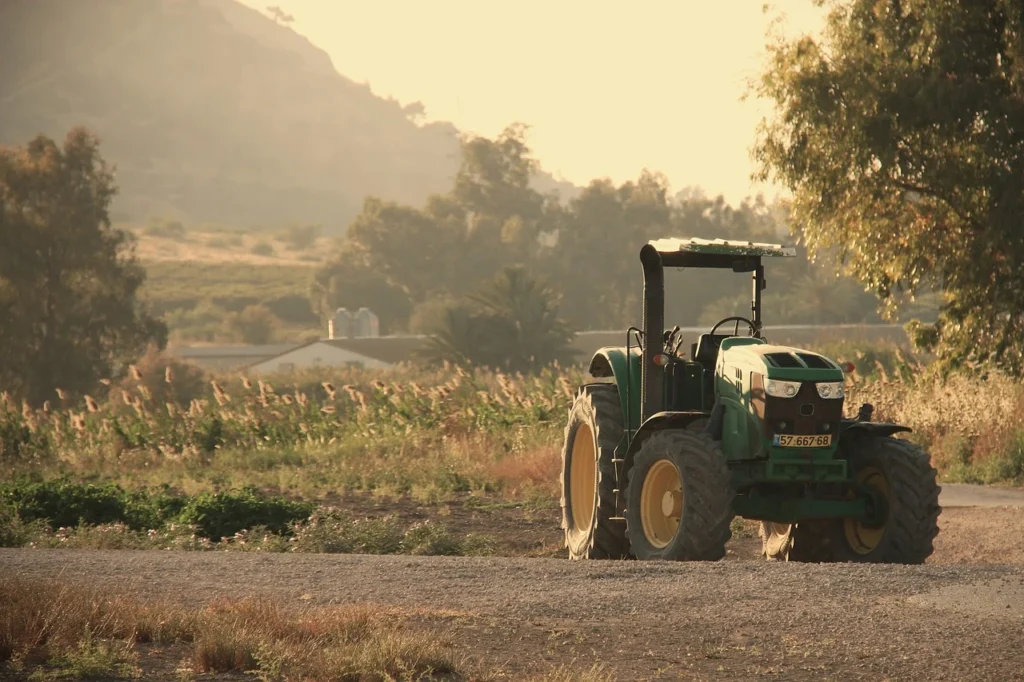
Tractors remain the most iconic and versatile farming vehicles, used primarily for pulling, hauling and powering other farm machinery. While attachments themselves belong under separate categories, the tractor as a standalone vehicle is central to modern farming operations. Tractors come in multiple configurations, from compact utility models for small farms to high-horsepower units designed for broadacre farming.
Their strength lies in mobility, torque and the ability to operate across different terrains. With modern refinements such as GPS steering, comfort cabins and fuel-efficient engines, tractors have become precision tools as much as workhorses. As agriculture expands technologically, tractors continue to serve as the foundational vehicle of the industry.
Field Cultivators
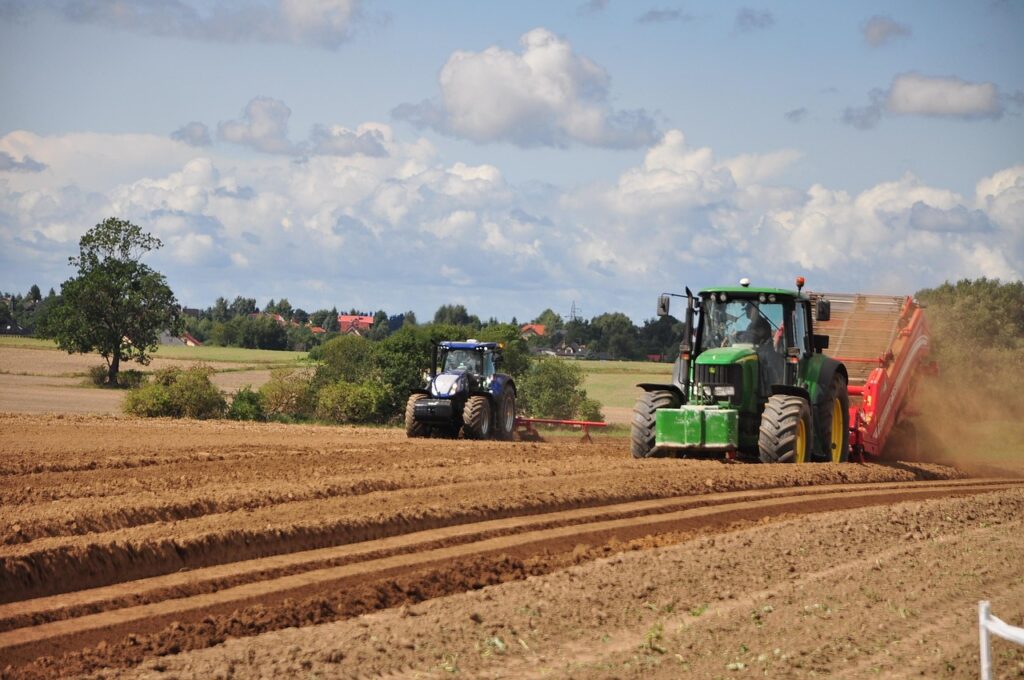
Self-propelled cultivators are specialised farming vehicles designed for breaking up soil, removing weeds and preparing land for planting. Unlike tow-behind cultivators, these vehicles operate independently and are engineered for high precision in soil management. Their ability to work consistently across large fields without requiring a tractor makes them invaluable for farms looking to maximise efficiency.
Advanced models offer adjustable depth controls, onboard monitoring systems and ergonomic cabins for long field sessions. They help farmers improve soil aeration and moisture retention while reducing compaction, ensuring crops have an optimal environment to grow.
Seeders
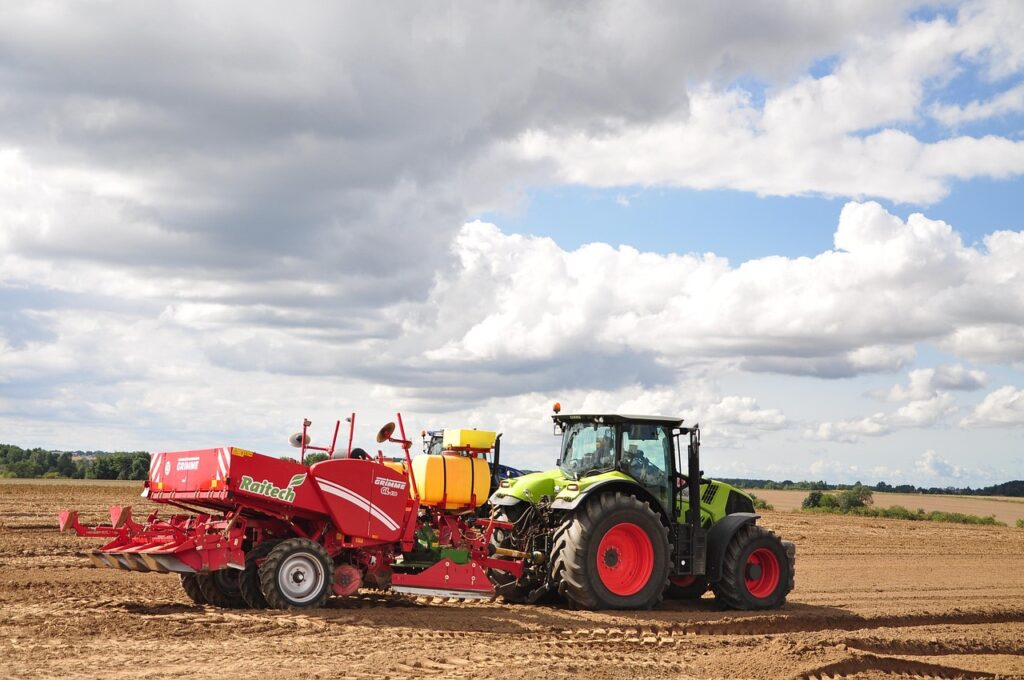
Seeders typically appear as attachments, but fully self-propelled seeders function as independent farming vehicles. These machines combine mobility and seeding precision in one unit, allowing farmers to plant large areas quickly without relying on multiple vehicles. Their design focuses on consistent seed placement, spacing and depth to promote even crop emergence.
With increasing use of digital calibration and mapping technology, self-propelled seeders offer significant advantages for farms that require accurate planting schedules across varying field conditions. Their purpose-built design ensures high productivity and reduced downtime during seasonal planting windows.
Fertiliser Spreaders
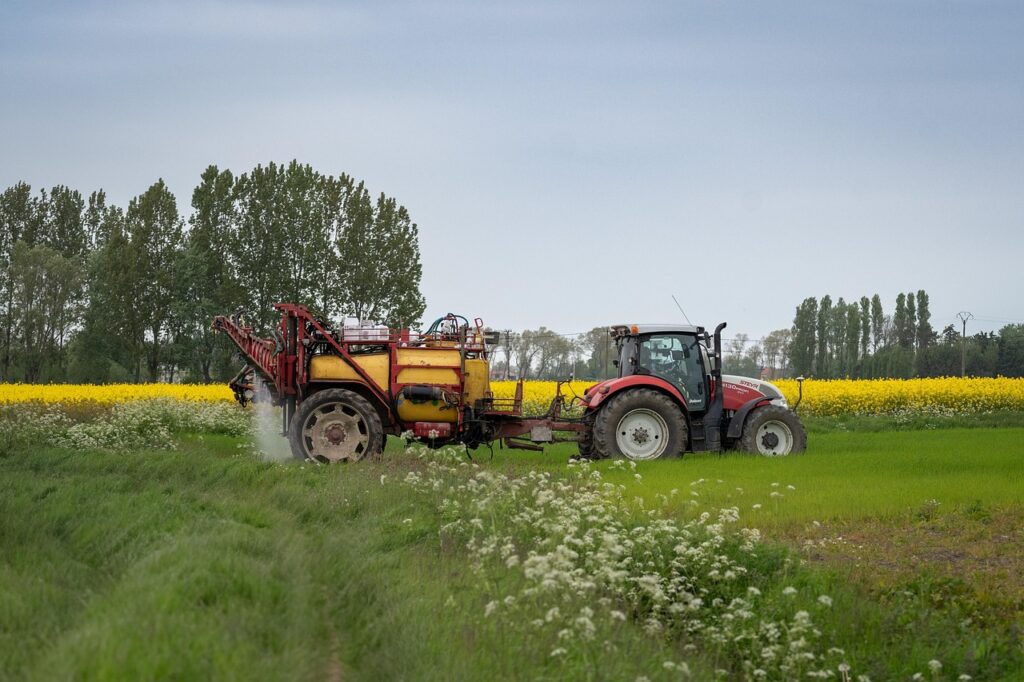
Self-propelled spreaders are dedicated farming vehicles used to distribute fertilisers, soil conditioners or nutrients evenly across fields. Unlike trailed spreaders, these vehicles provide greater control over application rates and can cover large areas faster, improving farm productivity.
They often include precision spread patterns, weather-adapted application modes and adjustable booms or discs for different field sizes. Their height, clearance and mobility enable farmers to operate in fields where crop growth or soil conditions may limit the use of traditional equipment.
Land-Based Sprayers
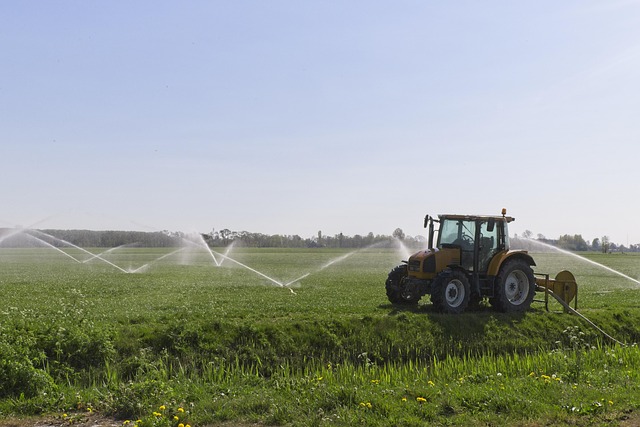
Self-propelled sprayers remain some of the most advanced farming vehicles on the market, designed to apply herbicides, fungicides and crop treatments accurately. Unlike sprayers that will appear under Irrigation Vehicles, these units are strictly land-based field sprayers and crucial for protecting crops from pests and disease.
Features such as wide booms, suspended cabins, GPS-guided coverage and real-time flow control make them indispensable during key growth stages. Their tall frames and adjustable clearance allow them to navigate fields without damaging crops, ensuring targeted coverage throughout the growing season.
Aerial Crop Sprayers (Agricultural Planes)
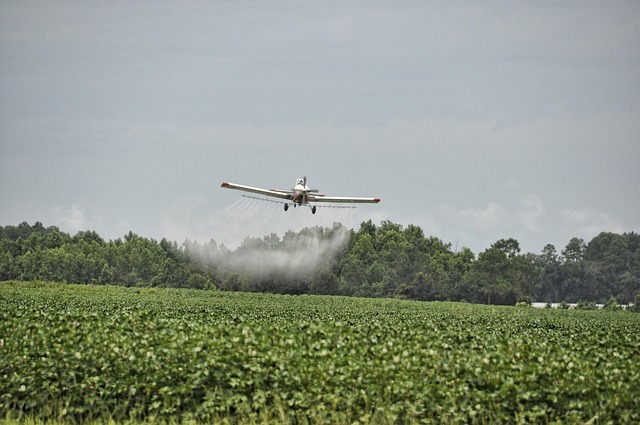
Aerial sprayers are the primary air-based farming vehicles, used for rapid spraying across large or difficult-to-access fields. Agricultural planes deliver chemicals evenly and efficiently, covering areas in minutes that would take land vehicles hours. This makes them particularly useful for large commercial farms or regions where terrain limits ground access.
Their precision has improved significantly through GPS flight paths, automated spray systems and lightweight airframes. Although they operate above farms rather than on them, these aircraft remain essential vehicles within the farming category and play a critical role in crop protection.
Aerial Crop Dusters (Helicopters)
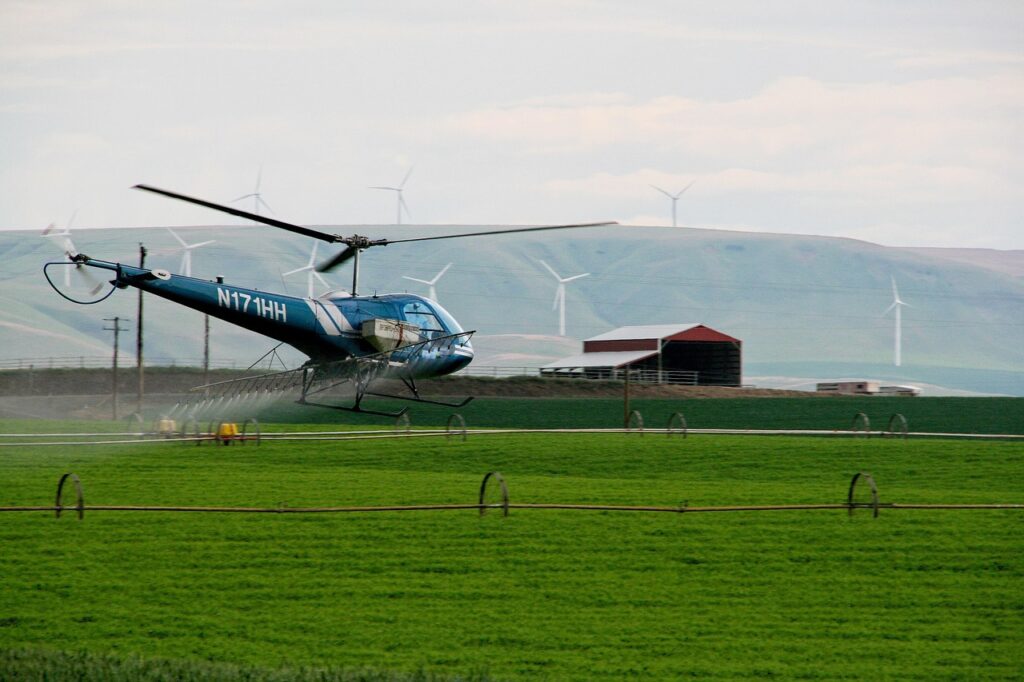
Helicopters used as crop dusters provide another type of farming vehicle for aerial application, particularly in uneven or tightly patterned fields where planes cannot operate safely. Their ability to hover and manoeuvre precisely allows for targeted spraying and reduced chemical drift.
They are commonly used in vineyards, orchards and mountainous agricultural regions where ground vehicles cannot effectively access the crops. These agile machines fill a specialised niche within modern farming and remain a vital tool for producers who require high-accuracy aerial treatment.
Aquatic Farm Utility Boats
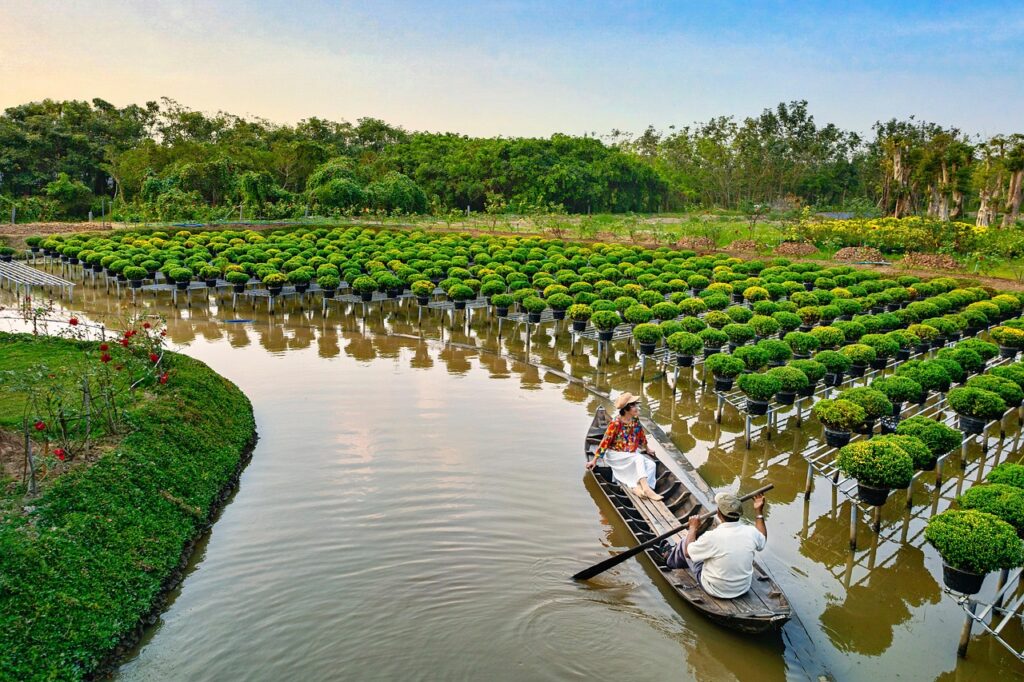
Water-based farming operations, such as rice paddies or farms intersected by canals, use utility boats as dedicated farming vehicles for movement, inspection and manual field management. These vessels are not harvesting machines but rather transport and operational units designed to navigate shallow or flooded fields.
They support the distribution of workers, tools and supplies across aquatic farms while also assisting with manual planting, water level checks and boundary maintenance. Their simple construction and ability to operate in challenging wet environments make them indispensable for certain regions and crop systems.
The Backbone of Agricultural Productivity
Farming would not be possible at scale without reliable, purpose-built farming vehicles. From tractors and self-propelled machines to aerial sprayers and aquatic utility boats, each vehicle type contributes to efficient land cultivation, crop care and everyday operation across farms of all sizes. As technology continues to evolve, these machines will only become more precise, more efficient and more essential to global food production.