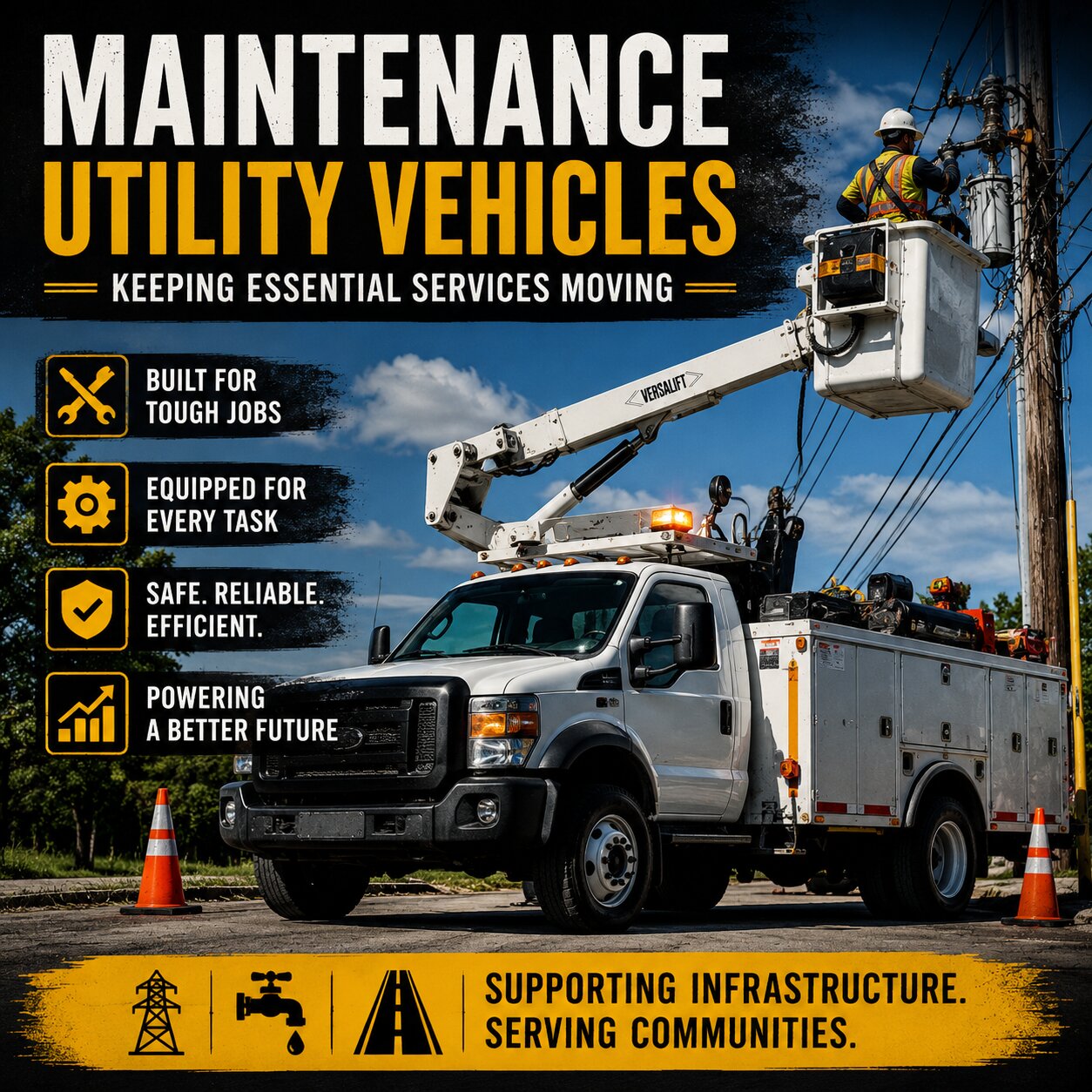
Maintenance Utility Vehicles: Keeping Essential Services Moving
Maintenance utility vehicles play a vital role in keeping communities, businesses, and industries operating efficiently. From repairing electrical networks to maintaining roads, water systems, and communication infrastructure, these specialised vehicles allow technicians to perform their work safely and effectively. Designed for durability and versatility, maintenance utility vehicles are equipped to handle demanding environments while carrying the tools and equipment needed for a wide variety of tasks.
As infrastructure continues to expand and technology advances, maintenance utility vehicles are evolving to become more capable, efficient, and environmentally friendly. Whether serving municipalities, utility companies, or private contractors, these vehicles remain an essential part of everyday operations.
Built for Challenging Jobs
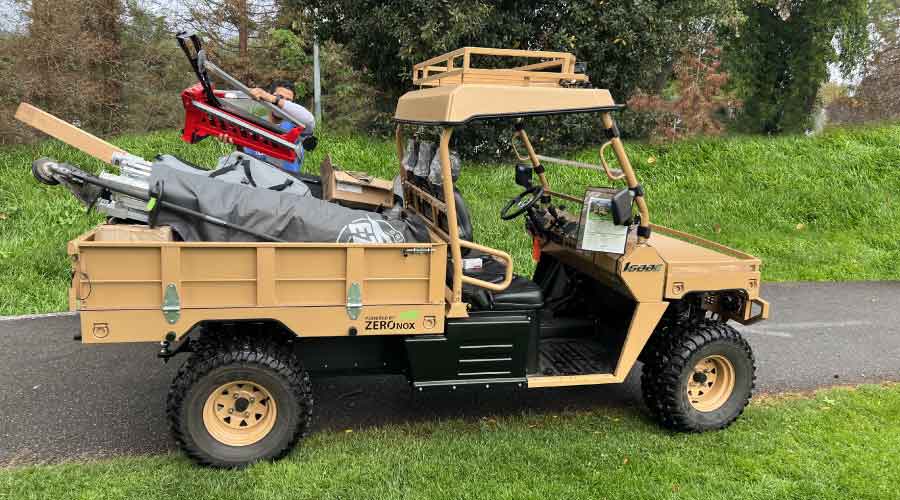
Maintenance utility vehicles are engineered to perform in conditions where standard passenger vehicles would struggle. They often feature reinforced suspension systems, larger payload capacities, four-wheel drive, and specialised storage compartments for tools and replacement parts.
Many are fitted with hydraulic systems, cranes, compressors, generators, or lifting equipment that enable technicians to complete repairs directly on-site. This reduces downtime and allows essential services to be restored more quickly.
Their adaptability also makes them valuable across multiple industries, from telecommunications and electrical maintenance to plumbing, construction, and public works.
Supporting Reliable Infrastructure
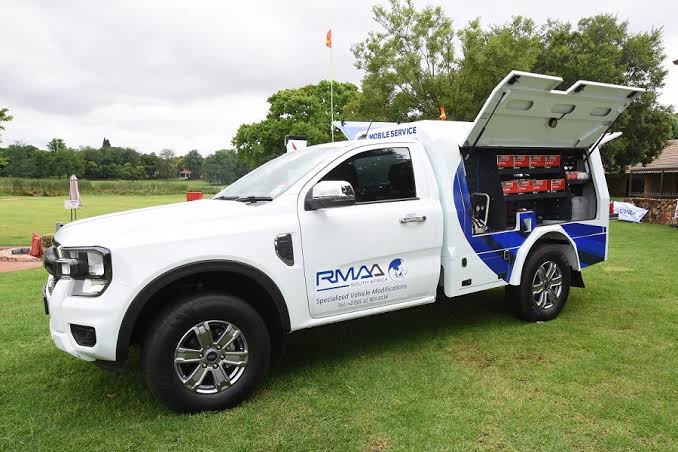
Infrastructure requires continuous care to remain safe and dependable. Maintenance utility vehicles allow crews to inspect assets, respond to faults, and carry out preventative maintenance before small issues become costly failures.
Fast response times are especially important during emergencies, where power outages, burst water pipes, damaged roads, or communication failures can affect thousands of people.
By providing mobile workshops and carrying everything technicians need, these vehicles help minimise delays and improve service efficiency.
Common Features of Maintenance Utility Vehicles
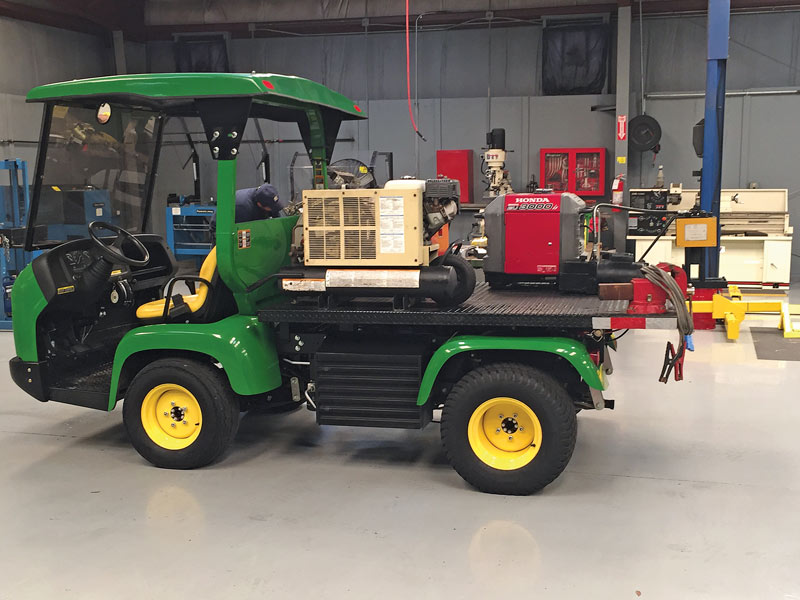
Most maintenance utility vehicles are equipped with features designed to support field operations, including:
- Secure tool storage and equipment compartments.
- Heavy-duty suspension and increased payload capacity.
- Hydraulic lifts, cranes, or elevated work platforms.
- On-board power supplies or generators.
- High-visibility lighting and safety equipment.
- Four-wheel drive capability for difficult terrain.
These features allow technicians to work productively while maintaining high safety standards in challenging environments.
Driving the Future of Field Maintenance
Modern maintenance utility vehicles continue to benefit from advances in vehicle technology. Fleet management systems, GPS tracking, telematics, improved fuel efficiency, and electrification are helping organisations reduce operating costs while increasing productivity.
As governments and businesses invest in smarter infrastructure, maintenance utility vehicles will remain indispensable for keeping essential services running smoothly. Their ability to transport skilled workers, specialised equipment, and mobile workspaces ensures they will continue supporting critical infrastructure for many years to come.