Why Motorcycle Engines Have Different Cylinder Configurations
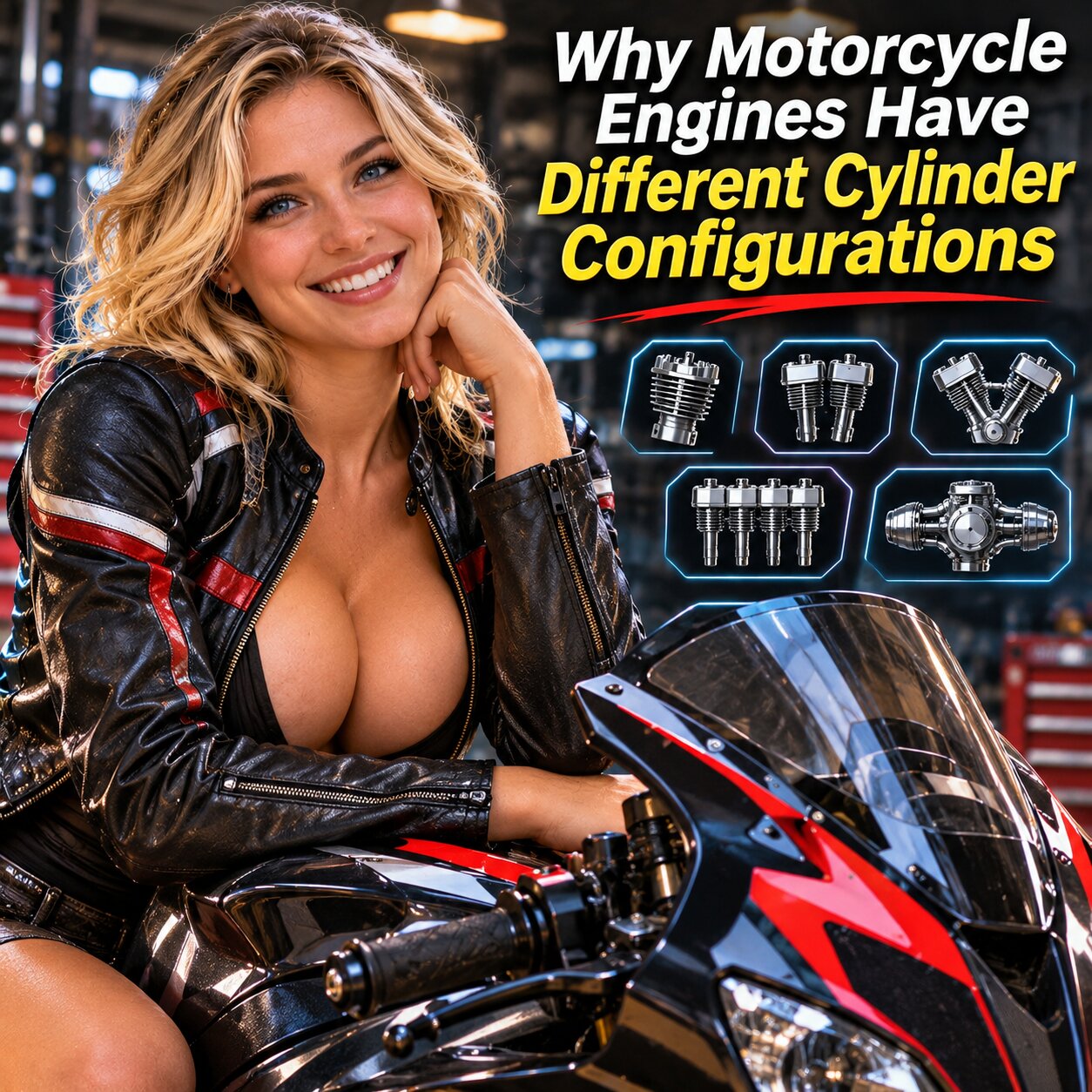
Motorcycle engines come in numerous shapes and configurations, from compact single-cylinder designs to powerful inline-four and V4 arrangements. Although these engines all convert fuel into mechanical energy, their internal layouts influence how motorcycles accelerate, vibrate, sound and handle.
Manufacturers choose different cylinder configurations to achieve specific performance characteristics. Understanding these differences helps riders appreciate why a lightweight commuter, an adventure motorcycle and a high-performance superbike can deliver dramatically different riding experiences.
What Is a Motorcycle Engine Cylinder Configuration?
A motorcycle engine’s cylinder configuration describes the number of cylinders and how they are arranged. Each cylinder contains a piston that moves within the engine, contributing to the combustion process that produces power.
Engineers can arrange cylinders in a single row, position them in a V-shaped layout or place them horizontally opposite one another. These arrangements affect engine dimensions, weight distribution, mechanical complexity and operating characteristics.
Cylinder count alone does not determine an engine’s performance. Displacement, compression ratio, valve timing, firing intervals and numerous other engineering decisions also influence the final result.
Single-Cylinder Motorcycle Engines
Single-cylinder engines use one piston and cylinder to produce power. Their relatively simple construction makes them popular in smaller commuter motorcycles, off-road machines and certain lightweight adventure bikes.
These engines are generally compact, mechanically straightforward and comparatively inexpensive to manufacture. They can also deliver useful low-speed torque, making them suitable for navigating traffic or tackling difficult terrain.
However, larger single-cylinder engines can produce noticeable vibration. Their limited number of combustion events per crankshaft revolution also influences how smoothly they deliver power compared with many multi-cylinder designs.
Parallel-Twin Motorcycle Engines
Parallel-twin engines position two cylinders alongside each other, usually sharing a common crankshaft. This configuration offers manufacturers a practical compromise between compact dimensions, manufacturing costs and performance.
Modern parallel twins appear in everything from beginner-friendly road motorcycles to middleweight adventure bikes. Their relatively narrow construction can simplify motorcycle packaging while providing greater performance potential than many smaller single-cylinder engines.
Crankshaft design plays an important role in their character. A 180-degree, 270-degree or 360-degree crankshaft arrangement can produce different firing intervals, vibration characteristics and exhaust sounds.
V-Twin Motorcycle Engines
V-twin engines arrange two cylinders at an angle to one another, forming a V-shaped configuration. They are strongly associated with cruiser motorcycles, although manufacturers have also used them in sporting and adventure applications.
The angle between the cylinders, crankshaft arrangement and firing intervals influence the engine’s distinctive sound and power delivery. Many V-twins are designed to provide strong, accessible torque across a useful range of engine speeds.
Their packaging characteristics vary considerably. Some arrangements allow relatively narrow engine construction, while others introduce challenges involving cooling, cylinder placement and overall motorcycle dimensions.
Inline-Three Motorcycle Engines
Inline-three engines, often called triples, position three cylinders in a straight row. They offer an alternative to twin-cylinder and four-cylinder designs, combining characteristics that can appeal to riders seeking versatility.
Many triples provide strong midrange performance while retaining the ability to operate smoothly at higher engine speeds. Their exhaust note is also distinctive, contributing to their popularity among certain performance-oriented riders.
Manufacturers such as Triumph and Yamaha have demonstrated how this configuration can suit roadsters, sport-touring motorcycles and other performance-focused designs.
Inline-Four Motorcycle Engines
Inline-four engines use four cylinders arranged side by side. This configuration has become particularly familiar in high-performance sport motorcycles, where smooth operation and strong high-revving performance are important.
Using four smaller cylinders for a given displacement can help engineers design an engine capable of operating at high rotational speeds. The configuration also allows frequent combustion events and potentially smooth power delivery.
However, inline-four engines can be wider than some alternative layouts. They also contain more components than simpler engines, potentially increasing manufacturing and maintenance complexity.
V4 and Boxer Motorcycle Engines
V4 engines arrange four cylinders in two banks. Manufacturers use this configuration in certain premium sport motorcycles and other specialised applications because it offers distinctive packaging and performance possibilities.
A V4 can provide a narrower engine layout than some inline-four designs, although it may require additional space from front to back. Its mechanical complexity and manufacturing costs can also be higher.
Boxer engines, meanwhile, position opposing cylinders horizontally on either side of the crankshaft. BMW is particularly well known for using this arrangement. The layout can provide a low centre of mass and distinctive engine character, although the projecting cylinders increase the motorcycle’s width.
How Cylinder Configuration Affects Riding
Engine layout contributes to several aspects of a motorcycle’s behaviour, but it must always be considered alongside the complete vehicle design.
| Configuration | Typical Characteristics | Common Applications |
|---|---|---|
| Single-cylinder | Compact, simple, useful low-speed response | Commuters, trail bikes |
| Parallel-twin | Versatile, relatively compact | Roadsters, adventure bikes |
| V-twin | Distinctive character, flexible torque delivery | Cruisers, sport motorcycles |
| Inline-three | Broad performance potential, distinctive sound | Roadsters, sport-tourers |
| Inline-four | Smooth operation, high-revving potential | Superbikes, sport motorcycles |
| V4 | Performance-focused, specialised packaging | Premium sport motorcycles |
| Boxer | Low-mounted cylinders, distinctive balance | Touring, adventure motorcycles |
These characteristics are general tendencies rather than guarantees. Two motorcycles with the same cylinder configuration can behave very differently because of their tuning, gearing and chassis design.
Choosing the Right Engine Configuration
Riders should consider their intended use rather than assuming that more cylinders automatically produce a better motorcycle. A lightweight single-cylinder machine may be ideal for challenging off-road conditions, while a parallel twin could offer an excellent balance for everyday commuting and touring.
Those seeking high-speed performance might appreciate the characteristics of an inline-four or V4, whereas a cruiser enthusiast may prefer the feel of a V-twin. Personal preferences concerning vibration, sound, weight and maintenance also matter.
Ultimately, motorcycle engine configurations represent different engineering solutions to different riding requirements. Understanding their advantages and compromises makes it easier to choose a motorcycle that matches the experience you want on the road.