Why Driving at Night Feels Scarier Than It Should
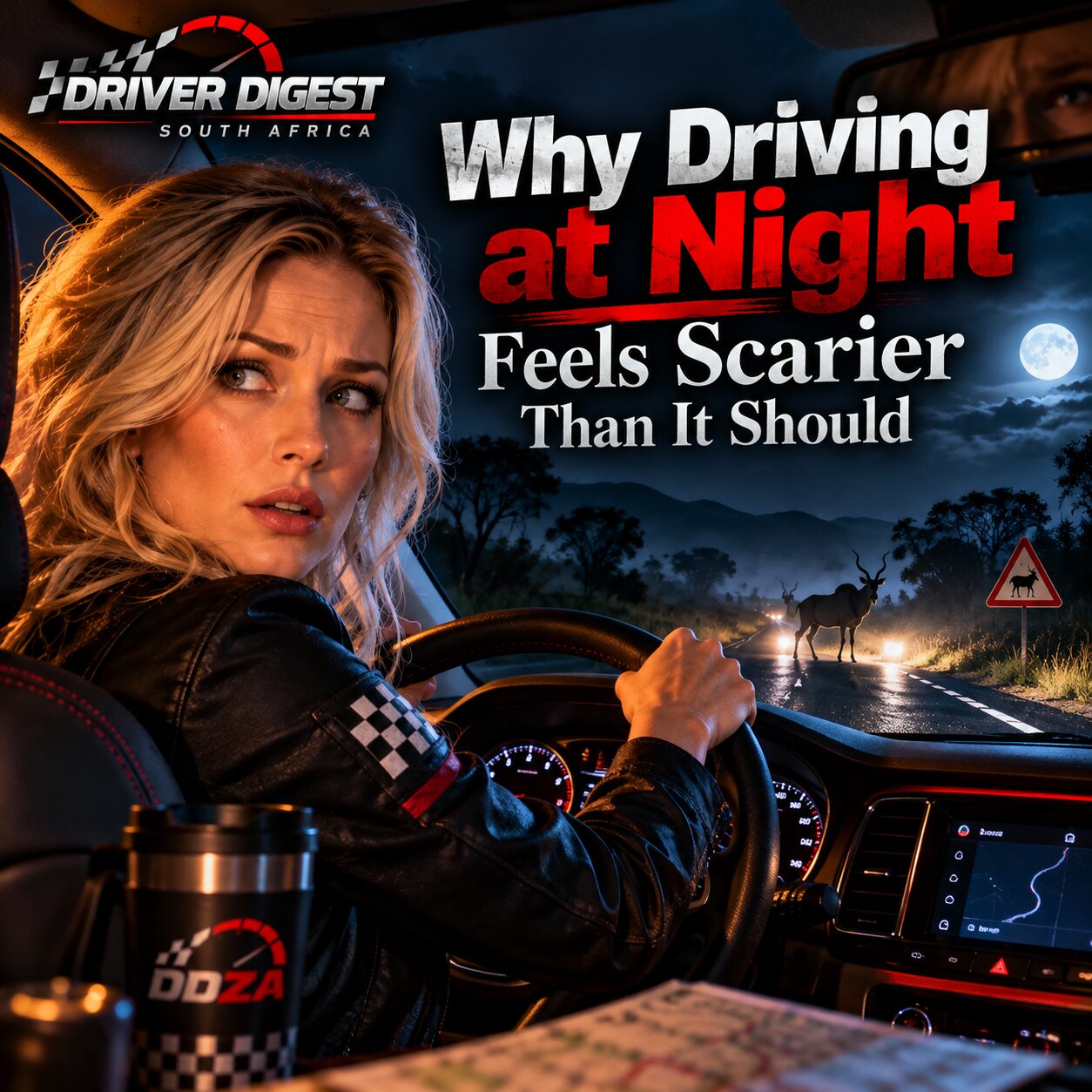
Driving along a deserted road at night can feel strangely unsettling. Even experienced motorists occasionally find themselves imagining movement beyond their headlights or wondering what might appear around the next bend.
The Darkness Changes Everything
Human vision becomes less effective in low-light conditions, reducing our ability to recognise hazards and judge distances. Headlights illuminate only part of the road ahead, leaving the surrounding landscape concealed.
Our brains attempt to interpret incomplete visual information, sometimes turning harmless shadows into imagined threats.

Real Dangers Behind the Fear
While roadside monsters belong to horror fiction, nighttime driving presents genuine safety challenges.
- Reduced visibility makes pedestrians, animals, and obstacles harder to detect.
- Driver fatigue can slow reactions and impair judgement.
- Glare from approaching headlights can temporarily affect vision.
- Poorly illuminated rural roads may conceal unexpected hazards.
Keeping the Nightmares Fictional
Motorists can reduce these risks by maintaining their headlights, keeping windscreens clean, adjusting speed to visibility, and avoiding driving when tired.
South African drivers should exercise particular caution on unfamiliar rural routes where wildlife, livestock, and poorly marked hazards may appear unexpectedly.
A mysterious shadow beside the road probably isn’t a monster. Nevertheless, slowing down and staying alert is always sensible.