
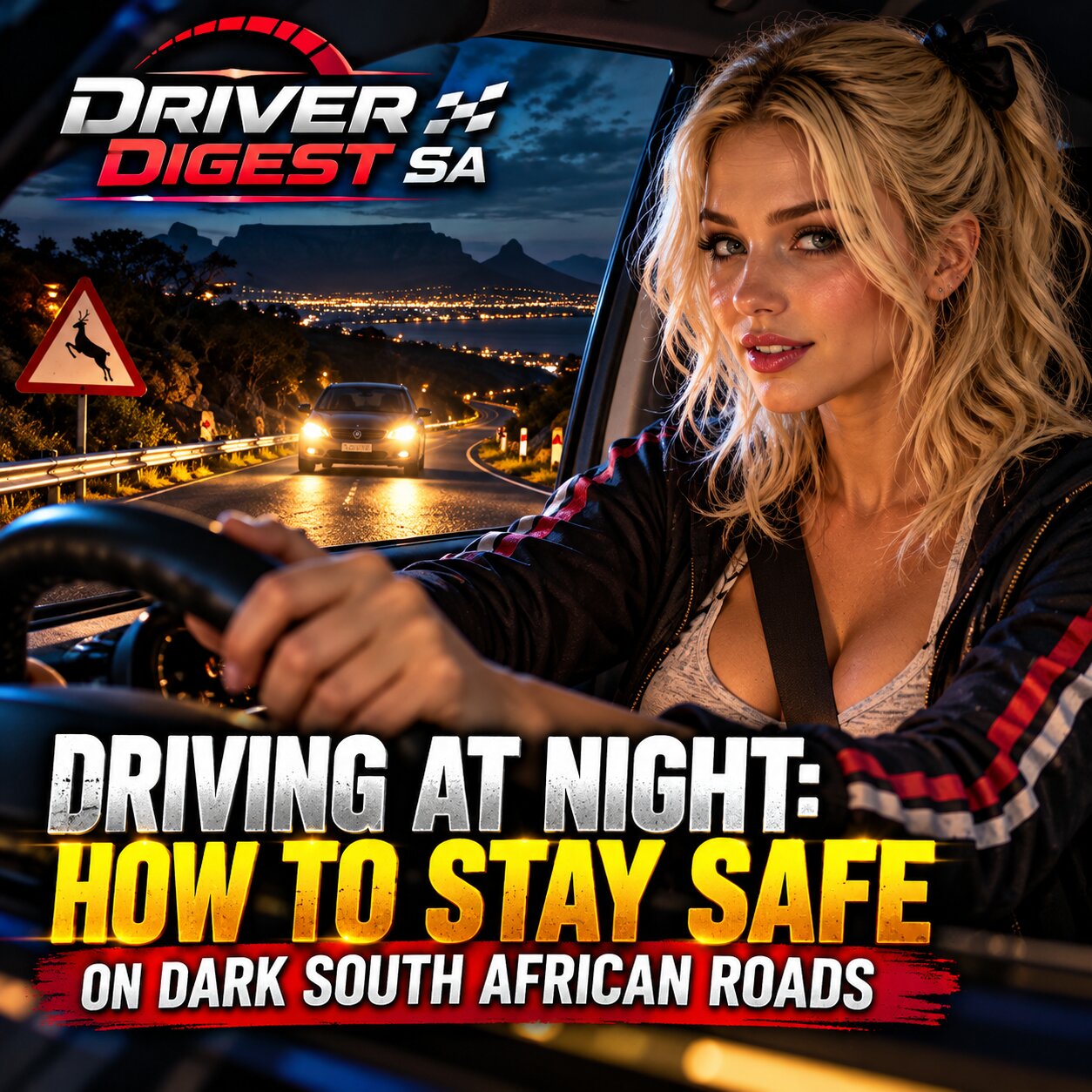
Driving at Night: How to Stay Safe on Dark South African Roads
Driving at night in South Africa presents challenges that motorists might not encounter during daylight hours. Reduced visibility, poorly illuminated roads, unexpected pedestrians and driver fatigue can all increase the likelihood of an accident. While night-time journeys are sometimes unavoidable, preparation and sensible driving habits can make them considerably safer.
Whether travelling through Cape Town, Johannesburg or rural areas, motorists should approach night driving with additional caution. Understanding the most common risks is an important first step towards protecting passengers and other road users.
Why Night Driving Requires Extra Attention
Human vision performs differently in darkness. Drivers generally have less time to identify hazards, judge distances and respond to unexpected movements. Headlights illuminate only a limited section of the road, making it more difficult to anticipate conditions further ahead.
Glare from approaching vehicles creates another challenge, particularly when motorists use incorrectly adjusted headlights or leave their high beams activated. Dirty windscreens can worsen the problem by scattering light and reducing clarity.
Driving at night in South Africa can also involve roads with limited street lighting, damaged surfaces or insufficient reflective markings. These conditions make maintaining an appropriate speed and following distance particularly important.
Common Hazards on South African Roads
Urban and rural environments present different challenges after sunset. In residential areas, pedestrians may cross roads unexpectedly, while cyclists and motorcyclists can be difficult to identify without adequate lighting or reflective equipment.
Rural journeys introduce additional risks, including livestock, wildlife and vehicles travelling without functioning lights. Potholes and road debris may also become visible only when drivers are relatively close to them.
Motorists should pay particular attention to the following precautions:
- Check that headlights, brake lights and indicators function correctly.
- Clean windscreens, mirrors and headlight lenses before travelling.
- Reduce speed when visibility or road conditions deteriorate.
- Increase following distances to allow additional reaction time.
- Avoid staring directly into approaching headlights.
- Watch for pedestrians, animals and stationary vehicles.
- Stop somewhere safe when fatigue begins affecting concentration.
These precautions are relatively simple, but they can substantially improve a driver’s ability to recognise and respond to potential hazards.
Fatigue and the Danger of Reduced Concentration
Driver fatigue is particularly concerning during late-night journeys. The body’s natural sleep cycle encourages rest during darkness, making sustained concentration more difficult for motorists who have already experienced a demanding day.
Warning signs include repeated yawning, difficulty remembering the previous few kilometres, drifting between lanes and struggling to keep one’s eyes open. These symptoms should never be ignored.
Coffee or fresh air might temporarily improve alertness, but neither replaces adequate sleep. Drivers experiencing significant fatigue should stop at a safe location and rest rather than attempting to push through exhaustion.
Planning longer journeys around normal waking hours can help reduce fatigue-related risks.
Vehicle Preparation and Personal Security
Before travelling after dark, motorists should inspect essential vehicle components. Tyres must be correctly inflated, lights should function properly and the vehicle should have sufficient fuel for the intended journey.
Route planning is equally important. Where practical, drivers can favour familiar, well-maintained roads and avoid unnecessary stops in isolated locations. Keeping doors locked and remaining aware of surroundings can contribute to personal security, particularly when stopping at intersections or unfamiliar destinations.
However, safety decisions should remain practical rather than driven by fear. If a vehicle develops a mechanical problem, motorists should prioritise reaching a safe location and contacting appropriate roadside assistance.
Making Every Night Journey Safer
Driving at night in South Africa does not have to be intimidating, but it requires a different approach from daytime motoring. Reduced visibility and unexpected hazards mean that motorists should allow additional time, maintain concentration and adjust their driving to suit the conditions.
A properly maintained vehicle, sensible route planning and awareness of fatigue can make a meaningful difference. Above all, arriving safely should always take priority over arriving quickly.