How Racing Motorcycles Differ from Road Bikes
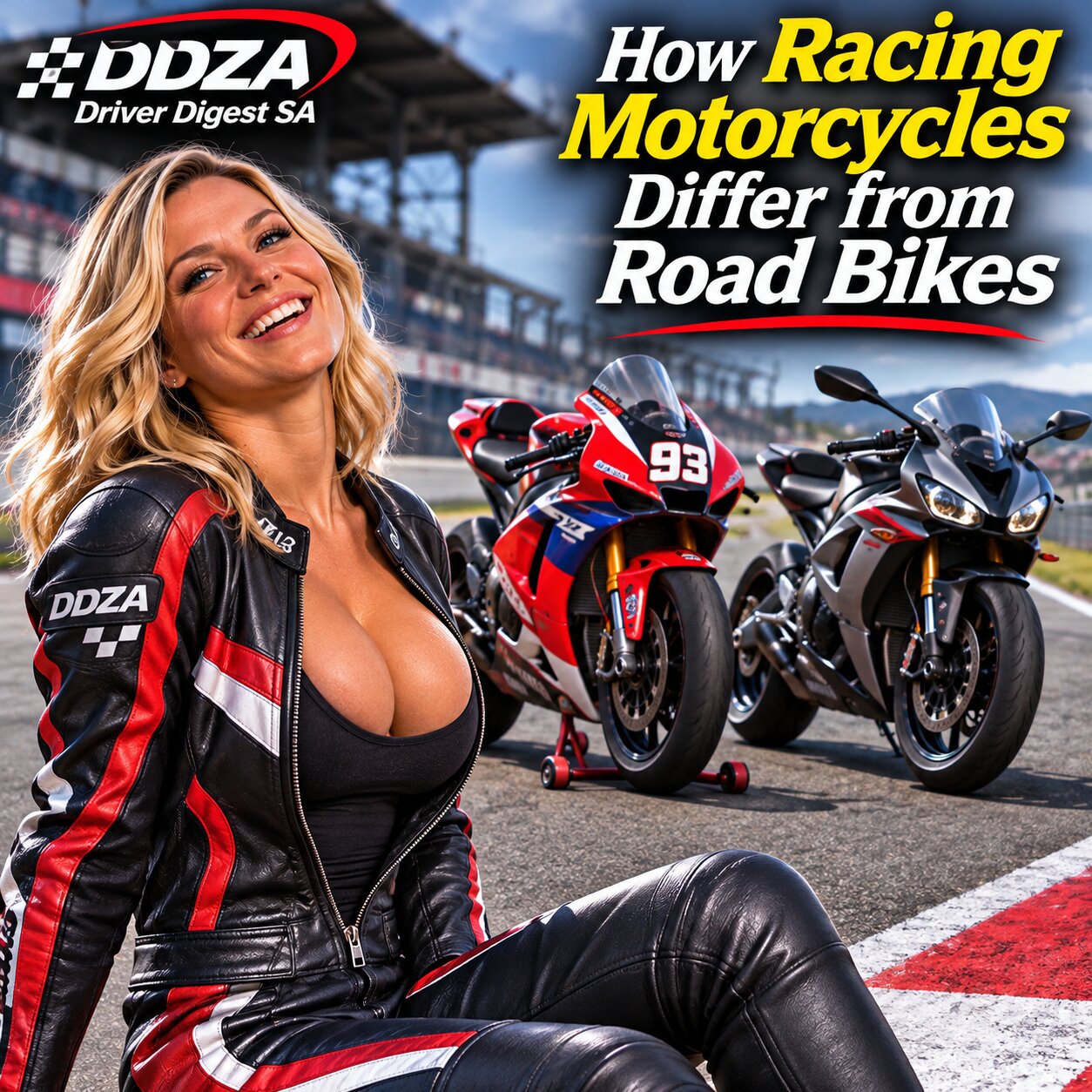
Motorcycles designed for racing and those built for everyday roads might share similar silhouettes, but their engineering priorities can be remarkably different. Racing motorcycles pursue maximum performance under controlled competition conditions, while road bikes must balance performance with safety, comfort, reliability and legal requirements.
Engines Designed for Different Demands
Racing motorcycle engines are developed to deliver exceptional acceleration and sustained performance at high engine speeds. Engineers optimise components, cooling systems, electronics and power delivery according to racing regulations and the demands of specific circuits.
Road motorcycles operate under different constraints. Their engines must satisfy emissions and noise regulations while remaining manageable in traffic, during commuting and over extended journeys. Smooth low-speed operation and practical maintenance requirements often matter more than extracting the highest possible power output.
Aerodynamics and Riding Position
Aerodynamic efficiency is essential in high-level motorcycle racing. Fairings, winglets and carefully designed bodywork can reduce drag or influence downforce, depending on the motorcycle and racing category. Riders also adopt aggressive positions to minimise wind resistance and maintain control during demanding manoeuvres.
Road-going sports bikes may borrow these designs, but everyday usability requires compromises. Mirrors, lights, registration plates and passenger considerations can influence the final shape. A riding position that works during a short race may also become uncomfortable during lengthy road journeys.
Tyres and Suspension Built for the Circuit
Racing tyres are designed for particular track surfaces, temperatures and competition conditions. Slick tyres provide extensive dry-weather contact with the circuit, but they are unsuitable for ordinary public-road use. Racing teams carefully manage tyre temperatures, pressures and wear to maintain competitive performance.
Road tyres need to perform across a much broader range of conditions, including rain, uneven surfaces and changing temperatures. Suspension systems also reflect these differences. Racing suspension prioritises precise handling on relatively predictable circuits, while road suspension must accommodate potholes, bumps and everyday riding comfort.
Braking Systems and Electronic Technology
Elite racing motorcycles may use specialised braking components, including carbon brake discs in certain competitions. These systems are engineered for the intense heat generated during repeated high-speed braking. Road motorcycles generally use systems better suited to varying temperatures and routine operation.
Electronic rider aids also differ. Road bikes frequently feature traction control, riding modes and anti-lock braking systems designed to support safe everyday riding. Racing motorcycles employ sophisticated electronic strategies, although the technologies permitted depend on the competition’s technical regulations.
Why Racing Technology Influences Road Bikes
Motorcycle manufacturers use racing programmes to explore engineering solutions under extreme conditions. Developments in aerodynamics, electronics, materials and chassis design can eventually influence production motorcycles, although not every racing innovation transfers directly to public roads.
For South African riders, understanding these differences helps explain why a superbike inspired by MotoGP is not identical to a professional racing machine. Racing motorcycles are specialised tools, while road bikes must remain practical across environments that competitors never encounter on a closed circuit.