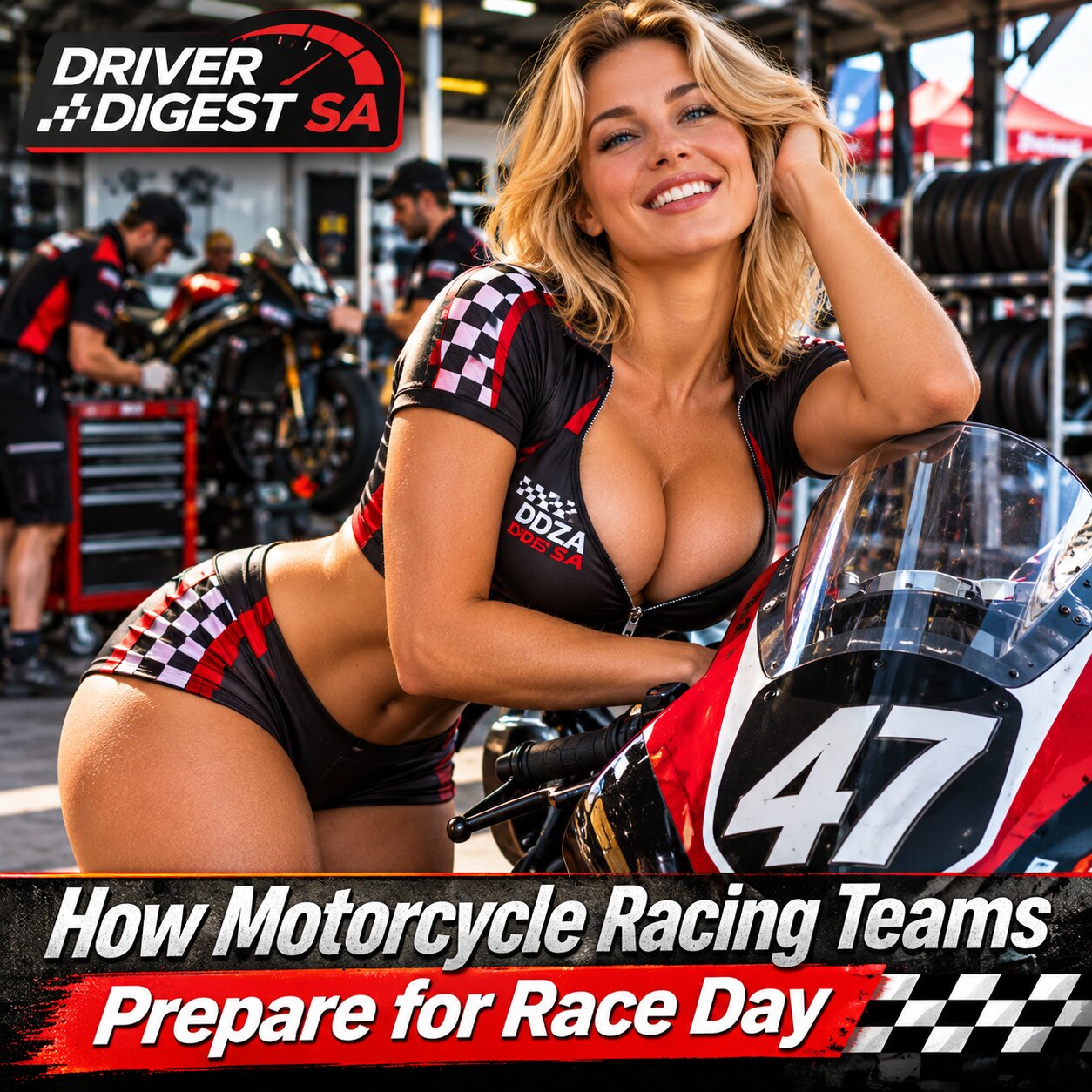
How Motorcycle Racing Teams Prepare for Race Day
Motorcycle racing demands far more than a talented rider and a powerful machine. Behind every successful performance stands a team of mechanics, engineers, strategists and support personnel working together to prepare for the challenges ahead. Their responsibilities begin long before the starting lights go out, with careful planning influencing almost every aspect of race-day performance.
From analysing circuit conditions to adjusting suspension settings, racing teams must account for numerous variables. Even relatively small changes can affect handling, tyre performance and rider confidence. Understanding these preparations offers motorcycle enthusiasts a fascinating glimpse into the technical and strategic side of professional racing.
Analysing the Circuit and Racing Conditions
Preparation begins with understanding the circuit where the race will take place. Teams examine track layouts, corner characteristics, braking zones and elevation changes to determine how their motorcycles should perform. Previous racing data can reveal useful information about tyre wear, fuel consumption and areas where riders may gain or lose time.
Weather forecasts are another essential consideration. Temperature, rainfall and wind conditions can influence tyre selection, engine performance and motorcycle stability. A setup that works effectively on a hot, dry circuit might prove unsuitable when temperatures fall or rain begins.
Teams also study how the track surface changes throughout a race weekend. Increasing rubber deposits, changing grip levels and varying temperatures can require adjustments to the motorcycle’s configuration.
Preparing the Motorcycle
Race motorcycles undergo extensive mechanical inspections before competitive sessions. Mechanics examine braking systems, suspension components, tyres, controls and critical fasteners to ensure everything operates correctly. Any signs of unusual wear or damage must be investigated before the motorcycle returns to the circuit.
Suspension setup is particularly important because it affects how the motorcycle behaves under braking, acceleration and cornering. Engineers adjust parameters such as preload, damping and geometry according to rider feedback and available performance data. These changes must balance stability with the agility required for rapid direction changes.
Electronic systems receive similar attention. Depending on championship regulations, teams may configure traction control, engine braking and power delivery to suit particular corners and track conditions.
Selecting the Right Tyres
Tyre selection can significantly influence race results. Teams must consider available compounds, track temperature, expected degradation and the number of laps competitors must complete. Softer compounds may offer greater initial grip but can wear more rapidly, while harder options may provide better durability.
During practice sessions, riders test different tyre combinations to understand their behaviour. Engineers analyse lap times, temperature readings and wear patterns before recommending a suitable race strategy. The fastest tyre over a single lap is not necessarily the strongest choice for an entire race.
Tyre pressures also require careful management. Teams must follow championship rules while accounting for how pressures change as the tyres heat up during riding.
Working With the Rider
Communication between the rider and technical team is essential throughout a race weekend. Riders describe how the motorcycle behaves when entering corners, changing direction and accelerating out of bends. Engineers compare these observations with telemetry to identify potential improvements.
Physical preparation is equally important. Professional riders follow demanding fitness programmes designed to develop strength, endurance and concentration. Racing motorcycles place considerable stress on the body, especially during heavy braking and rapid directional changes.
Mental preparation helps riders remain focused under pressure. Reviewing previous sessions, discussing potential overtaking opportunities and establishing realistic objectives can improve confidence before the race begins.
Planning Race Strategy
Race strategy involves balancing outright speed with consistency and risk management. Teams consider tyre longevity, expected fuel consumption, competitor performance and opportunities for overtaking. Different championships introduce additional strategic requirements through their specific technical and sporting regulations.
Starting position can influence the approach significantly. A rider beginning near the front may prioritise maintaining a strong pace, while someone starting further back might need to consider aggressive early overtakes. However, unnecessary risks can compromise the entire race.
Teams also prepare contingency plans for changing weather, technical difficulties or unexpected race interruptions. Although not every situation can be predicted, careful preparation improves the team’s ability to respond.
Final Checks Before the Start
As race time approaches, mechanics complete final inspections and confirm that the motorcycle complies with the relevant regulations. Tyres, controls, electronics and other essential systems receive particular attention. Teams also verify that the correct equipment and personnel are available for permitted pre-race procedures.
Riders receive final briefings covering track conditions, strategic priorities and any significant developments since the previous session. Once preparations are complete, attention shifts towards executing the plan under competitive conditions.
The atmosphere can become intense, but successful teams rely on established procedures rather than rushing through critical tasks.
Why Preparation Wins Races
Motorcycle racing rewards precision, teamwork and adaptability. Although riders receive most of the attention, their performances depend heavily on the people responsible for preparing and maintaining their machines. Every adjustment, inspection and strategic decision contributes to the final result.
For enthusiasts watching professional motorcycle racing, recognising these behind-the-scenes efforts adds another dimension to the spectacle. The race may last less than an hour, but the preparation behind it represents countless hours of technical expertise and dedication.