
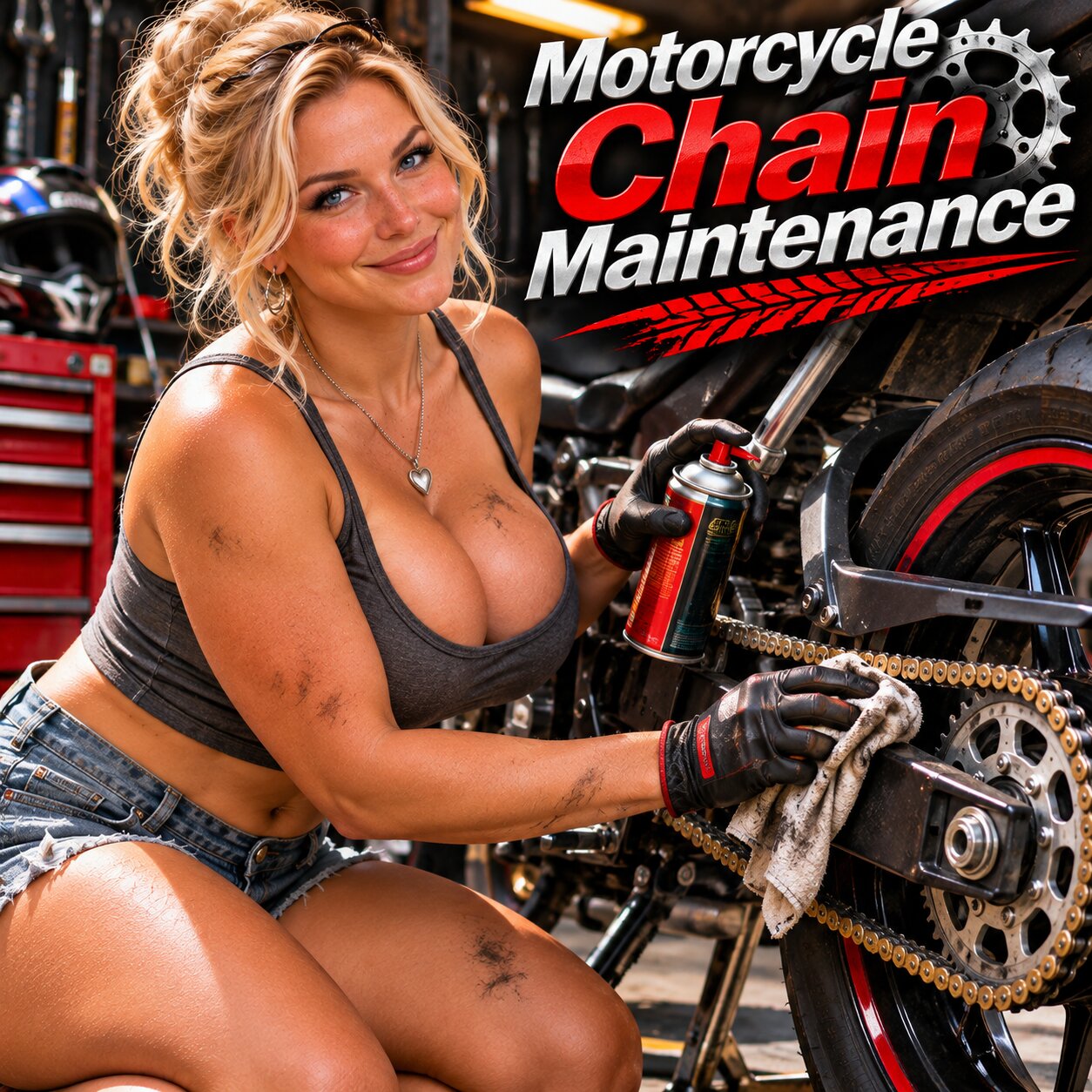
Motorcycle Chain Maintenance
Your motorcycle’s drive chain plays an essential role in transferring power from the engine to the rear wheel. Despite its importance, chain maintenance is sometimes overlooked until riders notice unusual noises, inconsistent acceleration, or visible wear. Neglecting the chain can affect performance, increase maintenance costs, and create serious safety risks.
Regular cleaning, lubrication, and inspection help keep the chain and sprockets working correctly. For South African riders dealing with dusty roads, changing weather, and everyday commuting, understanding basic motorcycle chain maintenance is an important part of responsible ownership.
Why Motorcycle Chain Maintenance Matters
A motorcycle chain operates under considerable mechanical stress. Every time you accelerate, power passes through the chain and sprockets to rotate the rear wheel. Dirt, inadequate lubrication, and incorrect tension can accelerate wear on these components.
Poor maintenance may cause the chain to develop stiff links, excessive movement, or uneven wear. In severe cases, a chain can derail or fail, potentially damaging the motorcycle or causing the rider to lose control.
Maintaining the chain also protects the sprockets from premature deterioration. Because these components work together, replacing a badly worn chain often means replacing both sprockets as well.
How Often Should You Clean Your Motorcycle Chain?
The ideal cleaning interval depends on your motorcycle, riding conditions, and the manufacturer’s recommendations. Many riders inspect and lubricate their chains every few hundred kilometres, but dusty roads, heavy rain, and off-road riding may require more frequent attention.
South African conditions can be particularly demanding. Coastal moisture, inland dust, and gravel roads can all contribute to chain contamination. Riders should inspect their chains regularly rather than relying exclusively on a fixed maintenance schedule.
Look for accumulated dirt, dry surfaces, corrosion, and links that do not move freely. These signs suggest that cleaning or further inspection may be necessary.
How to Clean a Motorcycle Chain
Begin by positioning the motorcycle securely according to the manufacturer’s instructions. Ensure the engine is switched off, the transmission is in neutral where appropriate, and the motorcycle cannot move unexpectedly. Never run the engine to rotate the rear wheel while cleaning the chain.
Use a cleaner approved for your motorcycle’s chain type, particularly if it contains O-rings or X-rings. A soft chain-cleaning brush can help remove accumulated grime without damaging the seals. Avoid aggressive chemicals or cleaning techniques that could compromise the chain’s protective components.
After cleaning, wipe away excess residue and allow the chain to dry as directed by the product manufacturer. Inspect the chain and sprockets before applying fresh lubricant.
Choosing the Right Chain Lubricant
Motorcycle chain lubricants are designed to reduce friction and protect components against corrosion. Different products suit different riding conditions, including road use, wet environments, and dusty off-road conditions.
Choose a lubricant compatible with your chain and follow the manufacturer’s application instructions. Apply it to the appropriate surfaces while turning the rear wheel by hand, provided the motorcycle is safely supported.
Avoid excessive application, as surplus lubricant can attract dirt and create unnecessary mess. Allow the product to settle or cure for the recommended period before riding.
Checking Motorcycle Chain Tension
Correct chain tension is essential for smooth power delivery and safe operation. A chain that is too loose may slap against surrounding components or derail, while excessive tension can place unnecessary strain on bearings, sprockets, and suspension components.
Consult your motorcycle’s owner’s manual for the correct chain slack measurement and inspection procedure. The required measurement varies between models and may depend on the motorcycle’s loading and suspension position.
Measure the chain at the specified location and inspect several positions along its length. If adjustment is necessary, follow the manufacturer’s procedure or ask a qualified motorcycle technician to perform the work.
Signs Your Motorcycle Chain Needs Replacing
Even a well-maintained chain eventually reaches the end of its service life. Recognising the warning signs can help prevent unexpected failures.
Common indicators include:
- Excessive chain elongation or adjustment beyond the manufacturer’s limits.
- Stiff, seized, damaged, or heavily corroded links.
- Uneven chain tension as the rear wheel rotates.
- Hooked, broken, or visibly worn sprocket teeth.
- Unusual drivetrain noises or inconsistent power delivery.
If these symptoms appear, arrange a professional inspection. Chains and sprockets are generally replaced together when significant drivetrain wear is present.
Keep Your Motorcycle Ready for the Road
Motorcycle chain maintenance does not need to be complicated, but consistency matters. Regular inspections, appropriate cleaning products, correct lubrication, and manufacturer-specified tension help extend drivetrain life and support safer riding.
Whether you commute through Cape Town, explore Gauteng’s highways, or enjoy weekend rides along South Africa’s scenic routes, looking after your chain is a small investment in your motorcycle’s reliability.
Make chain inspection part of your regular motorcycle maintenance routine, and consult a qualified technician whenever you discover damage or uncertain adjustment requirements.