Beginner Motorcycle Mistakes
Learning to ride a motorcycle opens the door to an exciting form of personal transport. Motorcycles offer freedom, agility, and a direct connection with the road that many motorists find appealing. However, new riders must develop skills that go considerably beyond balancing on two wheels.
South African roads introduce additional challenges, including unpredictable traffic, potholes, changing weather, and motorists who might overlook smaller vehicles. Understanding common beginner mistakes can help riders build confidence without developing dangerous habits.
Choosing the Wrong First Motorcycle
Many beginners select motorcycles based primarily on appearance, engine capacity, or performance figures. Although powerful machines can be appealing, they may prove difficult to manage while developing fundamental riding skills. Weight, seat height, throttle response, and riding position deserve equal consideration.
A suitable beginner motorcycle should allow its rider to operate the controls comfortably and maintain stability at low speeds. Being able to place at least one foot securely on the ground can also improve confidence when stopping. Riders should consider their physical abilities, intended journeys, and available training before making a purchase.
Looking at Hazards Instead of Escape Routes
Target fixation occurs when riders concentrate so intensely on an obstacle that they unintentionally steer towards it. This can happen when approaching potholes, roadside barriers, or unexpected hazards. The problem becomes particularly dangerous when a rider panics during a corner.
Developing effective visual habits is essential. Riders should look towards their intended path while remaining aware of hazards in their surroundings. Professional instruction and controlled practice can help develop the ability to identify safer routes without becoming fixated on individual obstacles.
Braking Too Suddenly
New riders sometimes rely excessively on one brake or apply braking pressure abruptly. This can upset the motorcycle’s stability, particularly on wet roads, loose gravel, or uneven surfaces. Modern anti-lock braking systems can help prevent wheel lock, but they cannot overcome every limitation of traction.
Learning progressive braking techniques allows riders to reduce speed more smoothly. The appropriate balance between front and rear braking depends on the motorcycle and road conditions. Practising emergency stops in a controlled environment is considerably safer than discovering these limitations during an actual emergency.
Entering Corners Too Quickly
Cornering requires judgement, appropriate speed, and an understanding of available grip. Beginners sometimes approach bends too quickly and then become frightened when the motorcycle needs to lean. Abrupt braking or steering corrections can make the situation worse.
A safer approach involves selecting a suitable entry speed before reaching the bend, looking through the corner, and maintaining smooth control inputs. Riders must also anticipate hazards that might appear beyond their immediate field of vision. South African mountain passes are beautiful riding destinations, but unfamiliar bends deserve particular caution.
Ignoring Protective Equipment
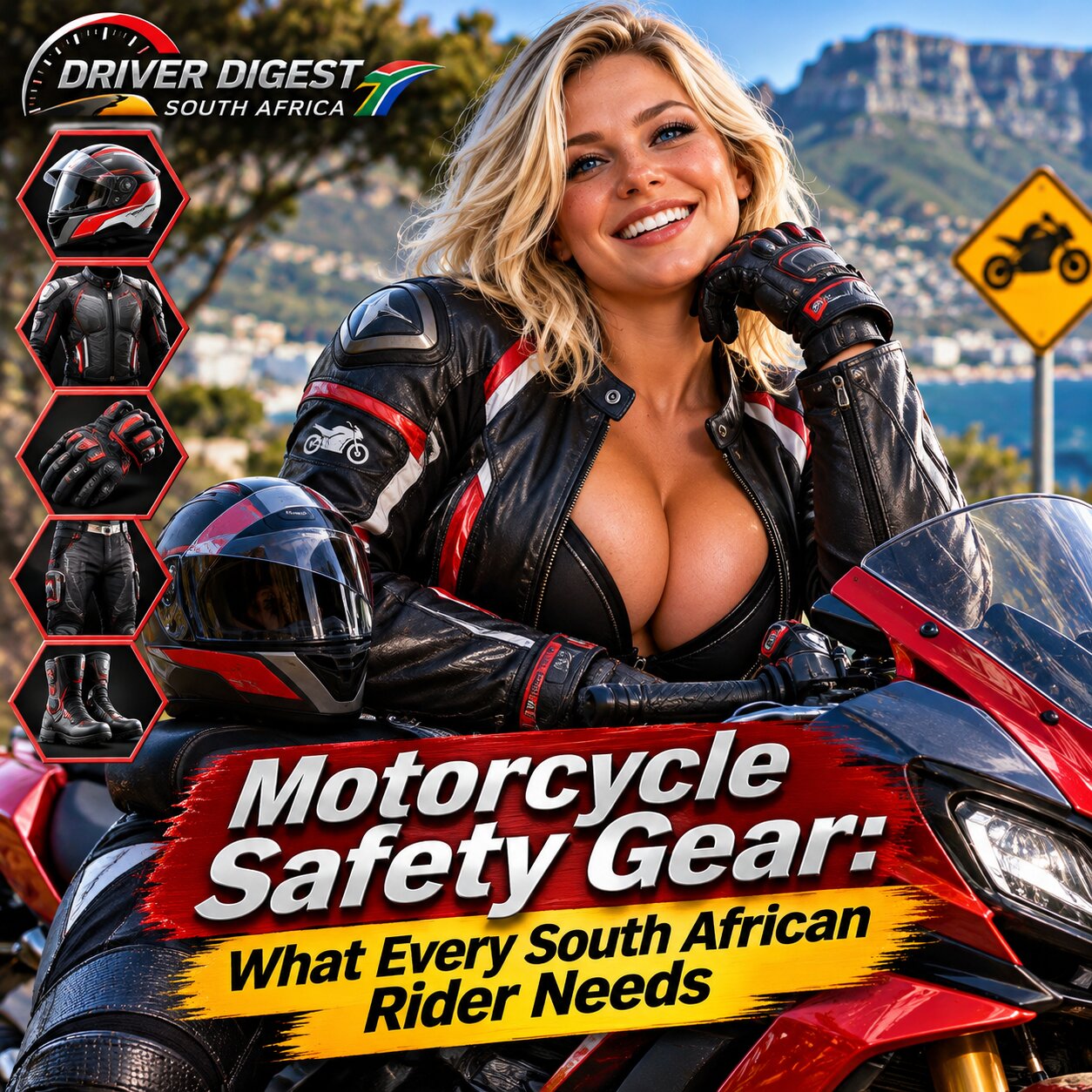
Protective clothing should never be treated as an optional accessory. Even a relatively low-speed fall can result in serious injuries when exposed skin contacts the road. Helmets, motorcycle jackets, gloves, trousers, and boots all contribute to reducing injury risks.
South African riders should choose helmets that meet applicable safety standards and fit correctly. Protective clothing should also suit the climate without sacrificing essential coverage. Hot summer conditions can make lightweight, ventilated motorcycle gear especially valuable.
Riding Too Close to Other Vehicles
Motorcycles can stop and manoeuvre differently from cars, but this does not justify following other vehicles closely. A rider travelling behind a large vehicle may have limited visibility of potholes, debris, and sudden changes in traffic. Tailgating also reduces the time available to respond when another motorist brakes unexpectedly.
Maintaining an appropriate following distance creates space for observation and decision-making. Riders should increase that distance in poor weather, heavy traffic, or when road surfaces become unpredictable. Positioning within a lane can improve visibility, provided it remains appropriate for surrounding hazards.
Building Confidence Without Taking Risks
Confidence is an important part of becoming a capable motorcyclist, but it should develop alongside practical experience. New riders sometimes attempt difficult journeys or aggressive manoeuvres before mastering basic control. Group riding can introduce additional pressure when beginners feel compelled to keep up with more experienced companions.
The best approach involves gradual progression, regular practice, and professional training where possible. Riders should learn to recognise their limitations rather than treating every journey as an opportunity to test them.
Motorcycling should be enjoyable, but reaching your destination safely will always matter more than arriving first.