
How Does a Sports Car Engine Differ From a Regular Car Engine?
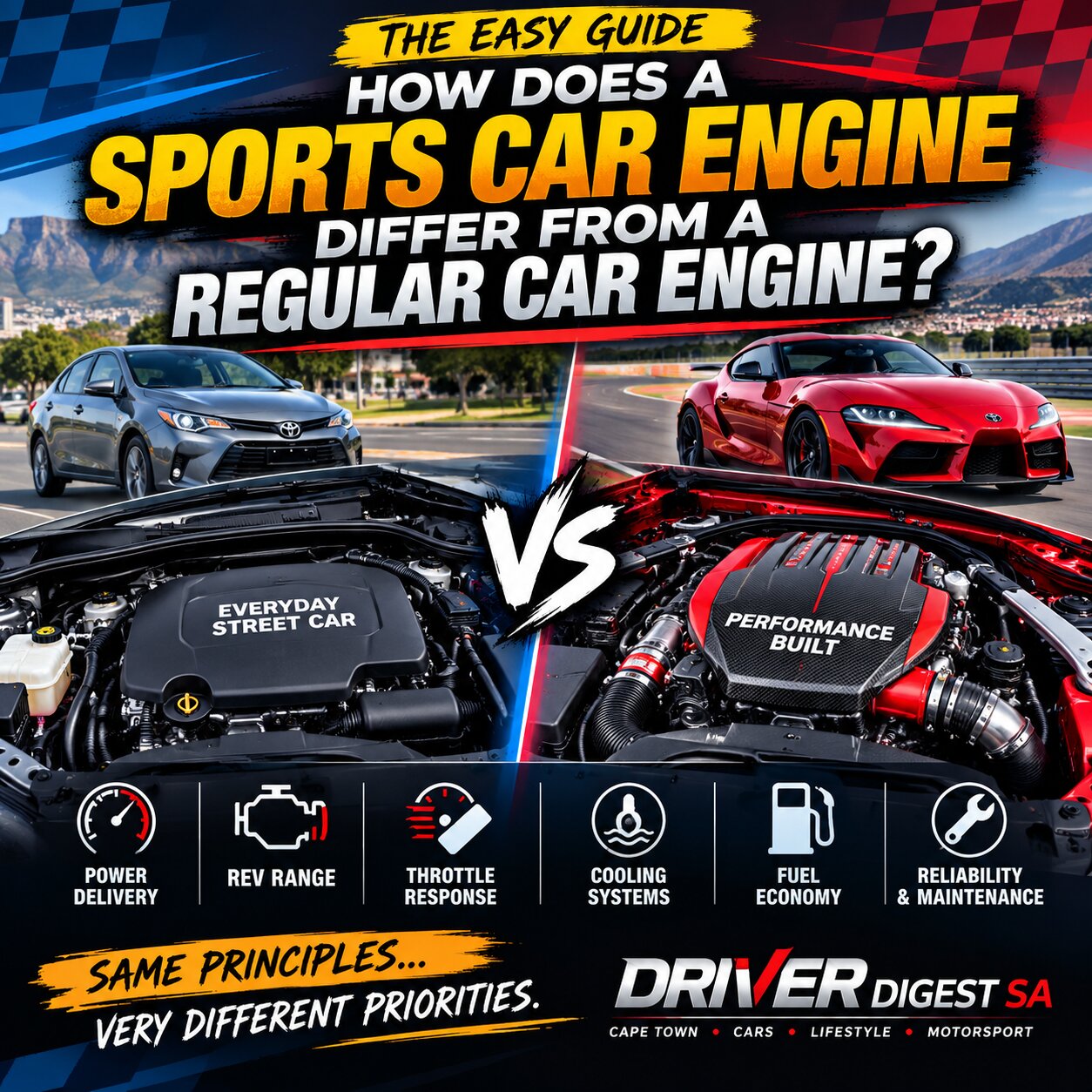
A sports car engine and the engine in your everyday street car ultimately have the same job: burn fuel to produce power that turns the wheels. However, the way they are designed to deliver that power can be remarkably different.
Regular road cars generally prioritise fuel economy, reliability, comfort and smooth performance. Sports cars place considerably more emphasis on acceleration, responsiveness and delivering strong performance when the driver pushes the engine harder.
Here’s an easy look at what changes beneath the bonnet.
Sports Car Engines Are Built for Performance
One of the biggest differences is how the engine produces its power.
An everyday car is normally designed to provide useful torque at relatively low engine speeds. This makes pulling away from traffic lights, climbing hills and driving around town comfortable without constantly revving the engine.
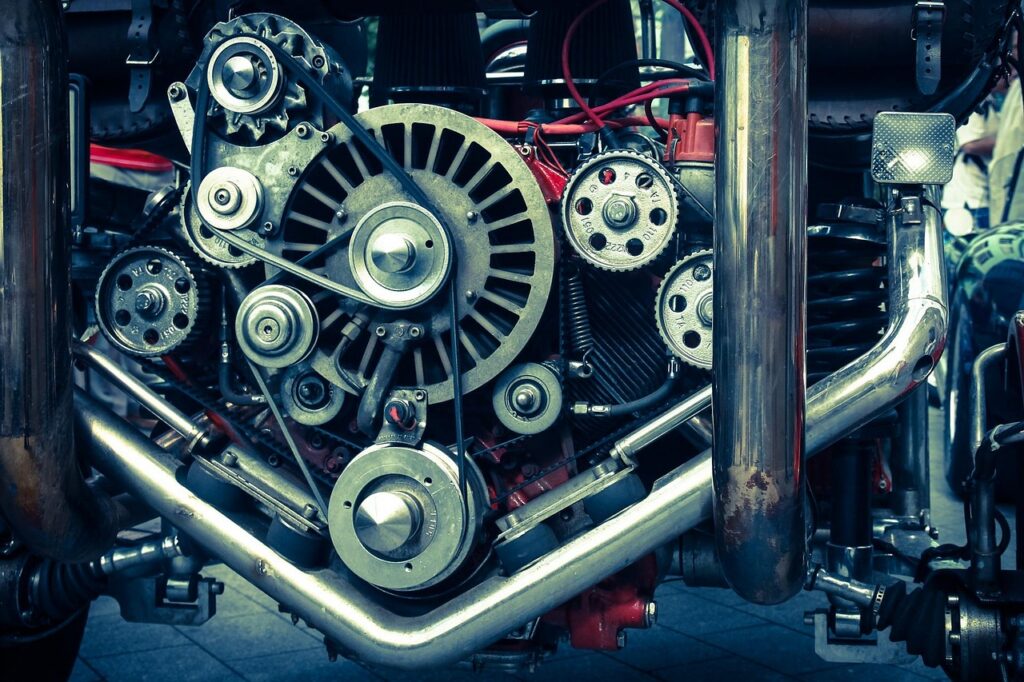
Sports car engines are often designed to continue producing strong power much higher through the rev range. Some naturally aspirated performance engines particularly come alive as the revs increase.
Modern turbocharged sports cars can combine strong low-end torque with impressive high-rpm performance, giving drivers acceleration across a much wider operating range.
Why Do Sports Cars Rev Higher?
Higher engine speeds for race events mean the engine completes more combustion cycles within a given amount of time, potentially allowing it to produce more power.
Achieving this safely requires components capable of coping with the additional stresses.
Depending on the engine, manufacturers may use:
- Lightweight pistons and connecting rods
- Stronger internal engine components
- More sophisticated valve systems
- Improved lubrication
- Larger or more efficient cooling systems
- Performance-focused engine management
This doesn’t mean every sports car needs an extremely high redline. Turbocharging has allowed many modern performance engines to produce enormous power without relying entirely on very high engine speeds.
Throttle Response Feels Different
Press the accelerator in a normal commuter car and the response is generally designed to be smooth and predictable.
A sports car typically responds more aggressively.
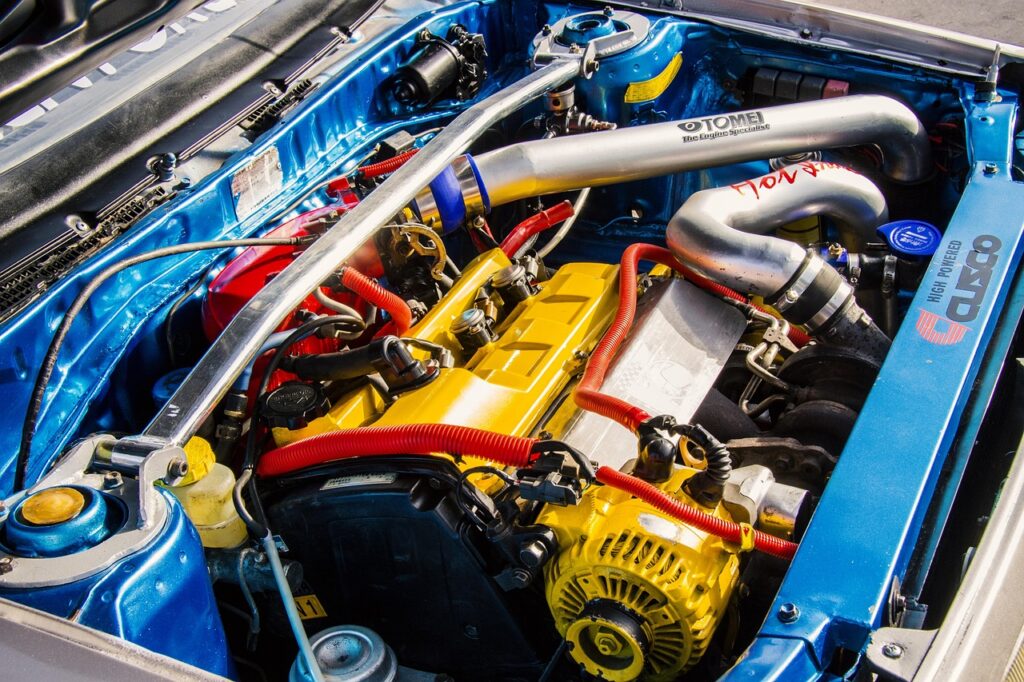
Manufacturers can change throttle mapping so that smaller accelerator movements produce a more immediate response. Turbocharger design, transmission programming and engine management also affect how quickly the car reacts.
Switching a modern sports car from Comfort to Sport mode may even change these characteristics electronically without making any physical alteration to the engine.
Cooling Becomes Much More Important
Performance creates heat.
An engine being driven hard around a racing circuit generates considerably more heat than one cruising along the motorway. Sports cars therefore often have more substantial cooling systems to manage engine oil, coolant, transmission temperatures and charged intake air.
Look closely at the front of many performance cars and you’ll notice large vents and air intakes.
Some aren’t simply there to make the car look aggressive. They’re helping feed air to radiators, intercoolers and other cooling systems.
What About Fuel Economy?
This is where the ordinary street car fights back.
A commuter engine is usually calibrated around efficiency during normal driving. Smaller engines, conservative power delivery, automatic stop/start systems and increasingly hybrid assistance can all help reduce fuel consumption.
Sports car manufacturers also use these technologies, but performance remains an important part of the equation.
If you frequently access all that additional power, you’ll inevitably use more fuel.
Does a Sports Car Engine Wear Out Faster?
Not necessarily.
A properly engineered sports car engine is designed to handle its advertised performance. However, regularly driving any engine hard increases heat, mechanical stress and the importance of correct maintenance.
Performance cars may consequently require particular grades of oil, higher-quality fuel, shorter service intervals or more expensive replacement components.
The biggest factor remains how the vehicle is driven and maintained.
Same Principle, Very Different Priorities
A sports car engine isn’t based on some completely different technology from an everyday road-car engine. Both operate according to the same fundamental principles.
The difference lies in what engineers want from them.
Your everyday car needs to start every morning, sit comfortably in traffic, use reasonable amounts of fuel and deliver its power smoothly.
A sports car is expected to do all of that while also being ready to accelerate hard, respond quickly and continue performing when the driver starts exploring what the machine can really do.
That’s why two engines can appear quite similar on paper yet feel completely different once you get behind the wheel.