
Formula 1’s New Era in 2026: New Rules, New Teams, and a Transformed Grid
Formula 1 will enter a bold new era in 2026, introducing one of the most comprehensive rule changes in the sport’s history. The upcoming regulations will reshape everything from power units and aerodynamics to team participation, signalling a long-term vision focused on sustainability, closer racing, and manufacturer relevance.
With new teams joining the grid and long-standing technical concepts being phased out, the 2026 season represents a decisive reset for Formula 1’s future.
New power unit regulations redefine performance
At the heart of the 2026 transformation are all-new power unit regulations. Formula 1 will continue using 1.6-litre V6 turbo engines, but with a far greater emphasis on electrical power. Around 50 percent of total power output will come from the electric component, significantly increasing the importance of energy recovery systems.
One of the most notable changes is the removal of the MGU-H, a complex and costly part of the current hybrid era. Its removal simplifies engine design, reduces costs, and lowers the barrier to entry for new manufacturers. All power units will also run on 100 percent sustainable fuels, aligning Formula 1 with global emissions targets while maintaining high performance.
Smaller cars, active aerodynamics, and the end of DRS

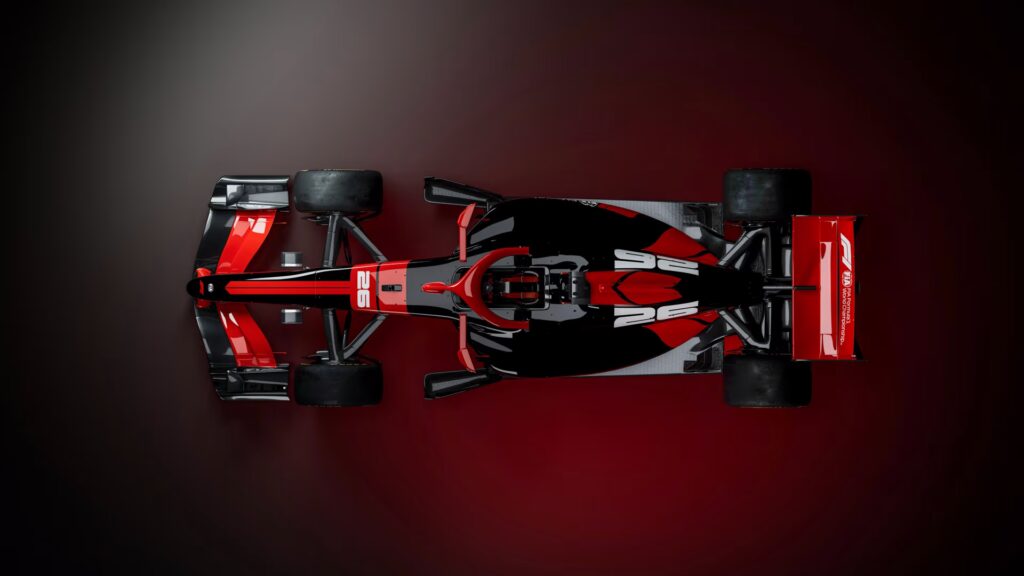
Formula 1 cars will be smaller, lighter, and more agile from 2026. The FIA aims to reduce overall weight and dimensions to improve racing quality, particularly on circuits where modern cars have become too large to follow closely.
Crucially, DRS will no longer exist from the 2026 season. Instead, the sport will introduce active aerodynamics, allowing cars to switch between low-drag and high-downforce configurations. This system is designed to improve overtaking in a more natural way, reducing reliance on artificial aids and encouraging closer, more dynamic racing throughout a grand prix.
Expanded grid with new teams and manufacturers
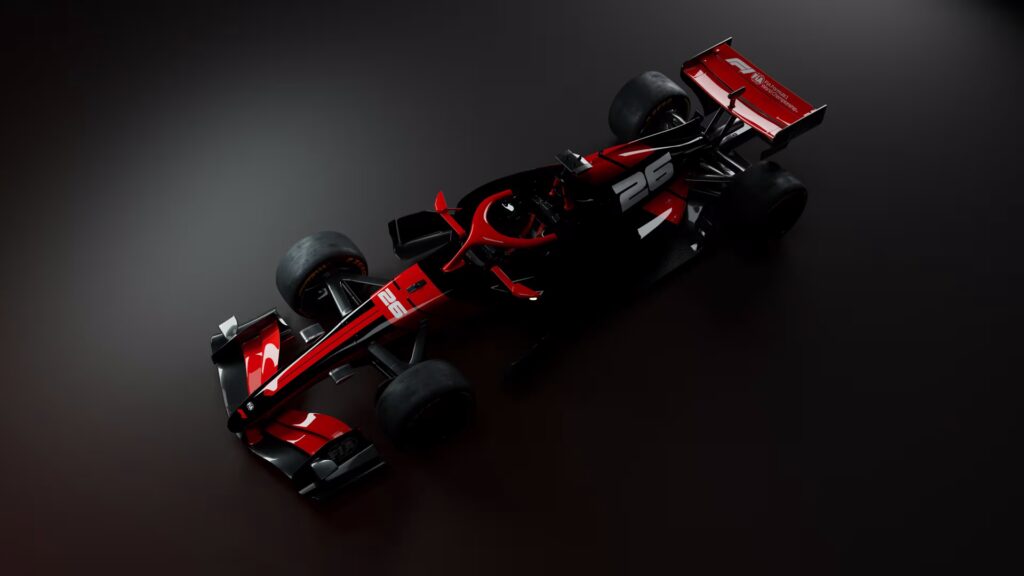
The 2026 Formula 1 season will feature an expanded grid of 11 teams and 22 cars, following the addition of the new Cadillac-backed General Motors entry. This marks the first grid expansion in years and highlights Formula 1’s growing appeal under the new regulations.
Audi will also join the grid as a full works team after taking over Sauber, while Ford returns to the sport through its partnership with Red Bull Powertrains. The arrival of major global manufacturers strengthens Formula 1’s competitive depth and reinforces its position as the pinnacle of motorsport engineering.
Formula 1 prepares for a defining new chapter
The 2026 regulations represent more than a technical overhaul. They are a strategic shift designed to secure Formula 1’s future for decades to come. With new power units, sustainable fuels, smaller cars, active aerodynamics replacing DRS, and an expanded grid featuring fresh manufacturers, the sport is entering a defining new chapter.
For fans, the changes promise closer racing, increased competition, and a championship that continues to evolve while staying true to its core identity.