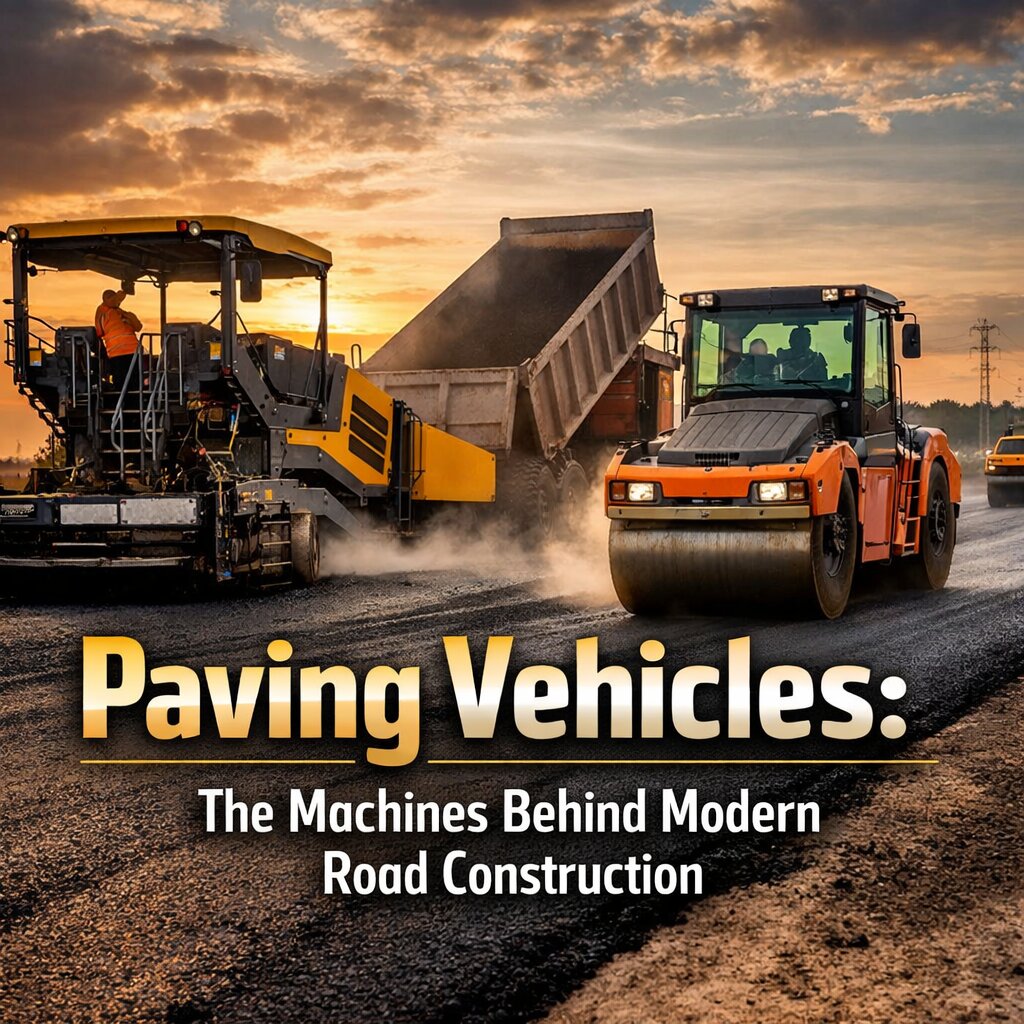
Paving Vehicles: The Machines Behind Modern Road Construction
When it comes to building durable, high-quality roads, paving vehicles play a central role. These powerful machines are responsible for laying, spreading, and compacting asphalt or concrete surfaces that millions of drivers rely on every day.
As part of our Construction Vehicles Series, we explore how paving vehicles operate, the different types available, and why they are essential to infrastructure development. From urban highways to rural access roads, these machines transform loose materials into smooth, traffic-ready surfaces.
What Are Paving Vehicles?
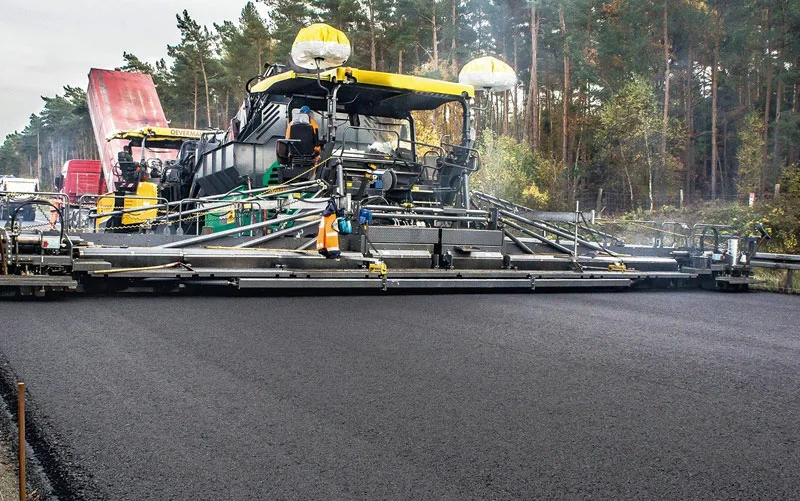
Paving vehicles are specialised construction machines designed to lay down road-building materials such as asphalt or concrete in a controlled, even layer. They are commonly used in road construction, airport runways, parking areas, and large industrial yards.
The most recognised type is the asphalt paver, which receives hot mix asphalt from a dump truck and spreads it evenly across a prepared surface. The machine then partially compacts the material before rollers complete the final compression process.
Modern paving vehicles are highly advanced. They feature automated levelling systems, temperature monitoring, and precision controls that ensure consistent thickness and smooth finishes. These systems reduce human error and improve overall road longevity.
Types of Paving Vehicles Used in Construction
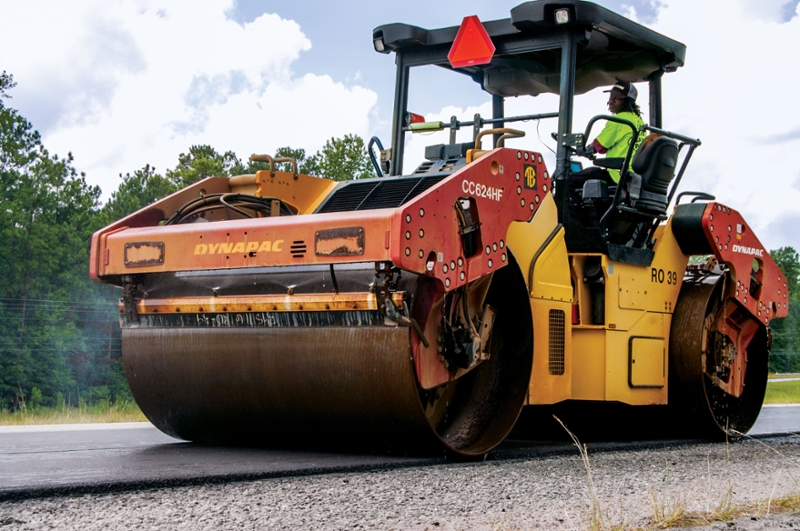
Road construction projects typically involve several types of paving vehicles working together in a coordinated process.
1. Asphalt Pavers
Asphalt pavers are the backbone of most road projects. They distribute hot asphalt evenly and use a screed to level and pre-compact the material. These machines are ideal for highways, municipal roads, and resurfacing projects.
2. Concrete Pavers
Concrete paving vehicles are commonly used for heavy-duty surfaces such as airport runways and industrial roads. They pour and shape concrete slabs with high structural integrity, often using slipform technology for continuous paving.
3. Compacting Rollers
While technically a separate category, rollers work closely with paving vehicles. They compress the laid material to achieve the required density and durability standards.
Each type of paving vehicle serves a specific purpose in the construction chain. Together, they ensure that roads are built to withstand heavy traffic and environmental stress.
How Paving Vehicles Improve Road Quality
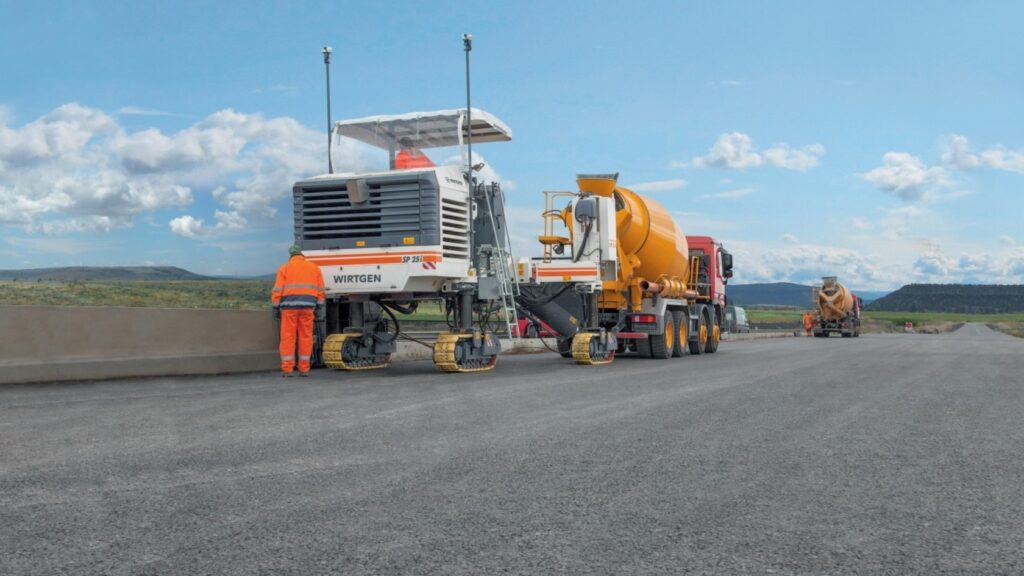
The quality of a road surface depends heavily on precision. Paving vehicles are designed to deliver consistent thickness, accurate levelling, and proper material distribution.
Advanced control systems allow operators to monitor surface alignment in real time. This reduces uneven patches and prevents premature cracking or rutting. The result is a smoother driving experience and longer-lasting infrastructure.
In addition, modern paving vehicles improve efficiency. Faster project completion means reduced traffic disruptions and lower overall construction costs. This is especially important in urban areas where downtime can impact thousands of commuters.
Key Features of Modern Paving Vehicles
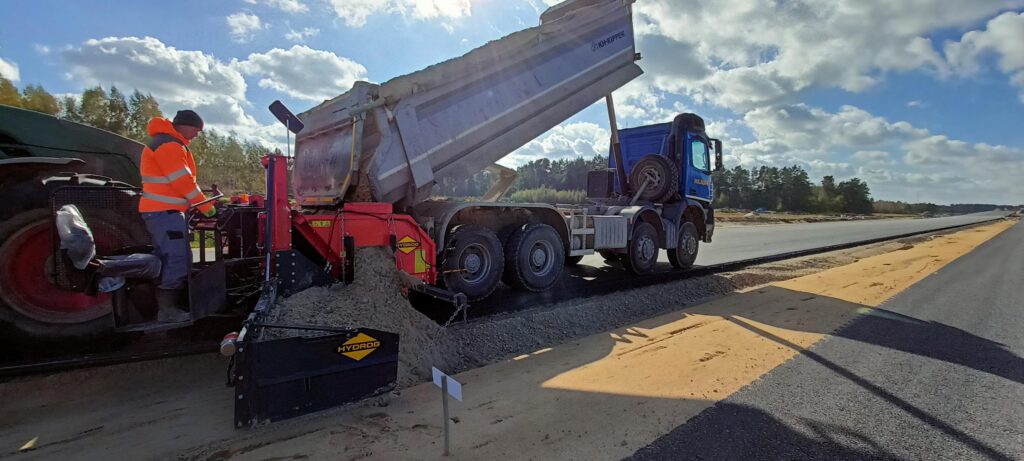
Today’s paving vehicles incorporate a range of technologies designed to enhance safety, efficiency, and performance:
- Automated grade and slope control systems
- Heated screeds for optimal asphalt handling
- Telematics and GPS tracking
- Fuel-efficient engines with lower emissions
- Operator comfort cabins with enhanced visibility
These features not only increase productivity but also align with environmental and safety standards in modern construction.
The Role of Paving Vehicles in Infrastructure Development
Without paving construction vehicles, large-scale infrastructure projects would be nearly impossible to complete efficiently. They enable governments and private contractors to expand transport networks, improve logistics corridors, and support economic growth.
In countries investing heavily in road upgrades, paving vehicles are among the most in-demand construction machines. Their versatility allows them to handle everything from minor road repairs to major highway expansions.
As infrastructure continues to evolve, so too will the capabilities of paving construction vehicles, integrating smarter systems and greener technologies.
Building the Roads We Drive On
Paving construction vehicles are more than heavy machinery on a job site. They are the precision tools that transform gravel bases and hot asphalt into smooth, reliable road surfaces that carry everything from daily commuters to heavy freight.
Whether it is an asphalt paver laying fresh blacktop or a concrete paving machine shaping a runway-grade surface, these vehicles define the quality, safety, and longevity of our infrastructure. Combined with compacting rollers and modern control systems, they ensure roads meet strict engineering standards.
As infrastructure projects expand and technology advances, paving vehicles will continue to evolve with smarter automation, improved efficiency, and lower emissions. In the world of construction vehicles, they remain essential to keeping economies moving and transport networks connected.