Demolition Vehicles: Types, Technology and Uses in South Africa
Demolition vehicles are specialised construction machines designed to safely dismantle buildings, industrial facilities, bridges, and large infrastructure structures. Unlike standard earthmoving equipment, these machines are engineered to operate in unstable, hazardous environments while delivering controlled structural removal.
In South Africa, demolition vehicles play a crucial role in urban redevelopment, mining infrastructure upgrades, and industrial refurbishment projects. As cities modernise and old industrial plants are replaced or repurposed, heavy-duty demolition equipment ensures projects are completed efficiently and safely.
From high-reach excavators towering over multi-storey buildings to hydraulic shears cutting through reinforced steel, demolition vehicles represent the powerful intersection of engineering precision and raw mechanical force.
What Are Demolition Vehicles?
Demolition vehicles are modified or purpose-built machines designed specifically for dismantling structures rather than constructing them. While many are based on excavator platforms, they are reinforced with protective guards, extended booms, specialised attachments, and enhanced operator safety systems.
These vehicles must withstand falling debris, extreme vibration, and unstable terrain. Operators rely on reinforced cabins, impact-resistant glass, and advanced hydraulic systems to maintain precision control even in dangerous conditions.
Unlike uncontrolled methods such as explosive demolition, mechanical demolition vehicles allow for staged, selective removal. This approach is increasingly preferred in dense urban environments across South Africa where safety, dust control, and surrounding infrastructure protection are critical.
High-Reach Excavators: The Giants of Controlled Demolition
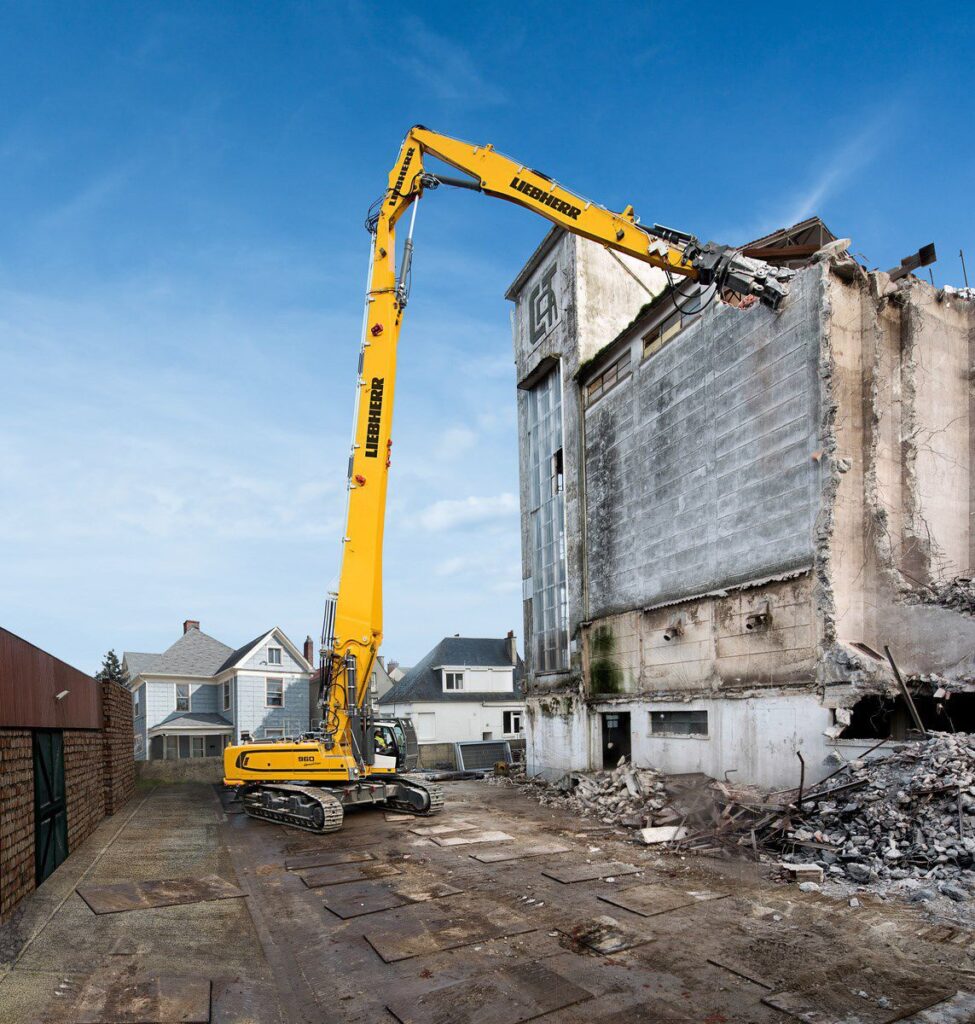
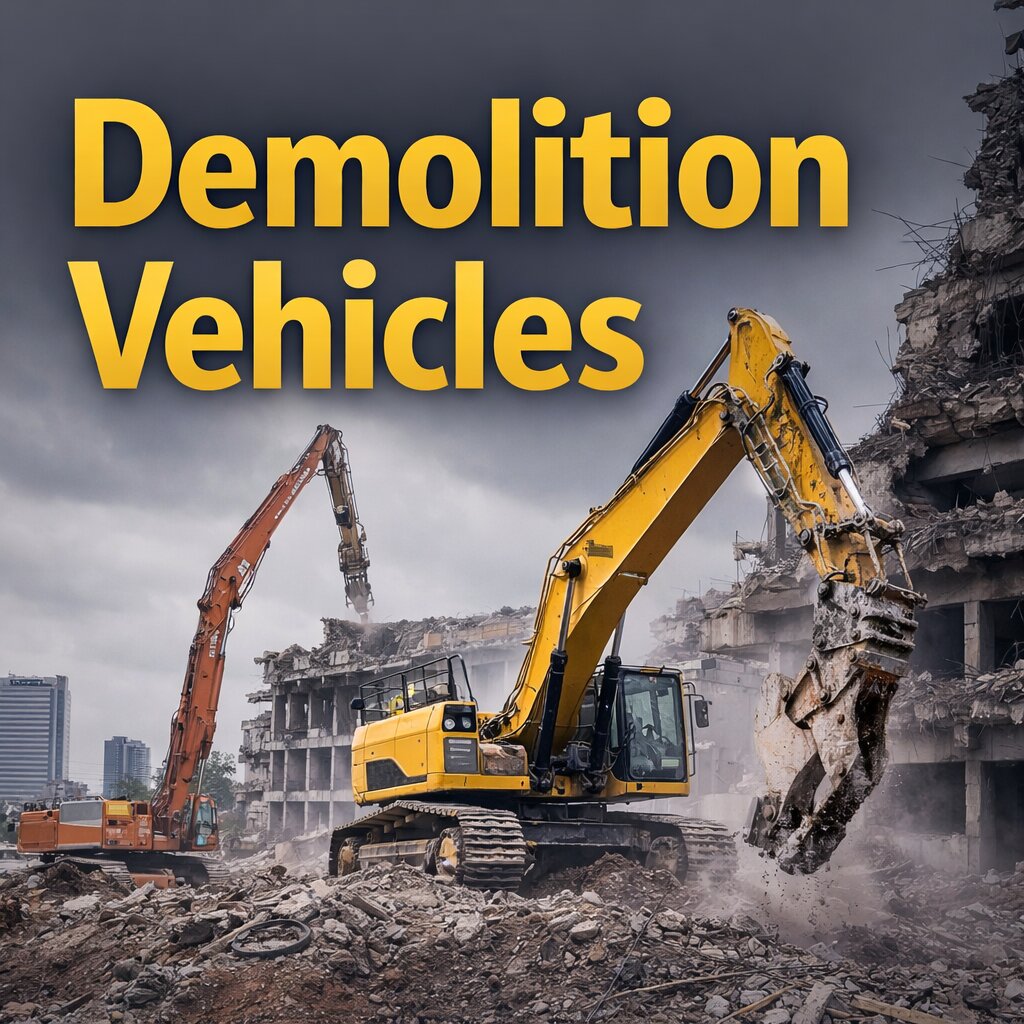
High-reach excavators are among the most recognisable demolition vehicles. These machines feature extended booms that can reach several storeys high, allowing operators to dismantle tall structures from the top down.
The advantage of high-reach machines is precision. Rather than collapsing a building at once, operators can systematically remove structural components. This reduces the risk of uncontrolled collapse and allows for material sorting and recycling.
In South Africa, high-reach excavators are frequently used in urban redevelopment projects in cities like Johannesburg, Cape Town, and Durban. As older industrial buildings and outdated commercial structures are replaced, these machines ensure compliance with safety and environmental regulations.
Hydraulic Shears, Pulverisers and Concrete Crushers
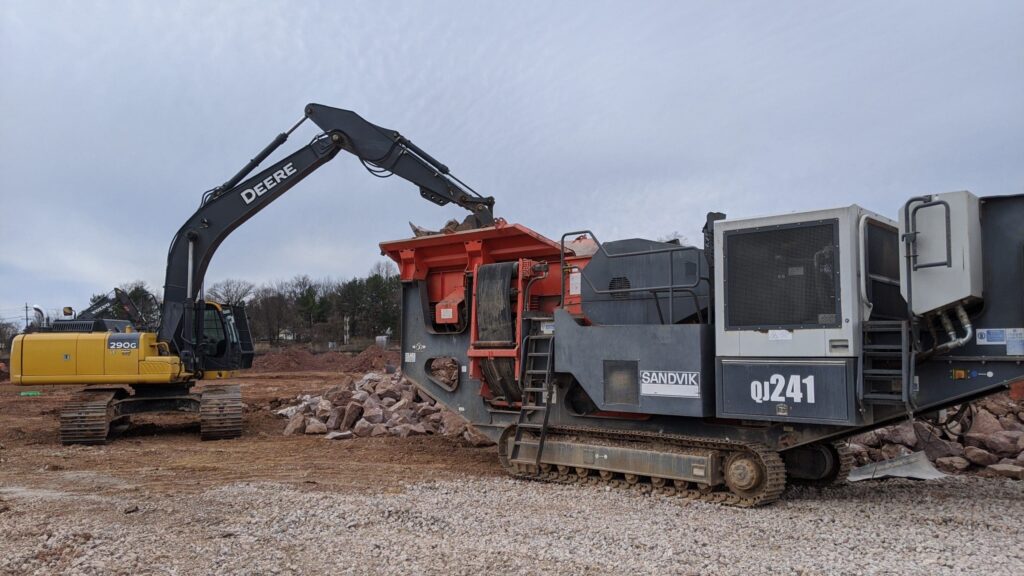
Attachments define much of a demolition vehicle’s capability. Hydraulic shears are designed to cut through thick steel beams and reinforced structural elements. These tools are particularly valuable when dismantling warehouses, factories, and mining infrastructure.
Concrete pulverisers and crushers break down reinforced concrete into manageable pieces. Some attachments separate steel rebar from concrete, improving recycling efficiency and reducing waste sent to landfill.
Heavy-industry demolition in South Africa often involves old mining facilities, smelters, and processing plants. These sites require equipment capable of cutting through extremely dense structural materials. Hydraulic demolition tools make this process faster, safer, and more economically viable.
Wrecking Balls and Traditional Methods
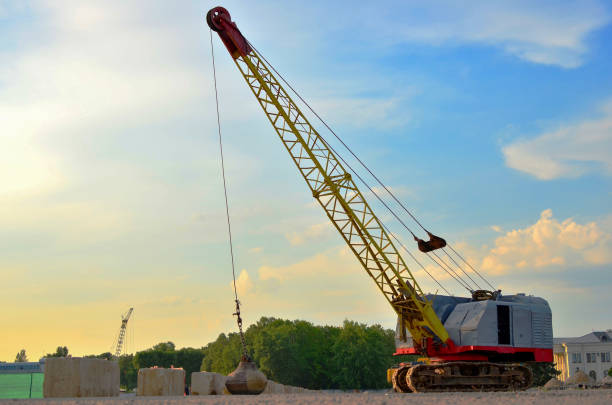
Although less common today, wrecking balls still have a place in certain demolition scenarios. Suspended from cranes, they are effective for knocking down large masonry structures where precision is less critical.
However, due to safety concerns and limited control, wrecking balls are now often replaced by excavator-based demolition systems. Modern regulations favour controlled dismantling over brute-force collapse, especially in populated areas.
In South Africa’s evolving regulatory environment, mechanical demolition vehicles offer improved dust suppression compatibility and safer debris management compared to traditional swinging methods.
Demolition Vehicles in South Africa’s Mining Sector
South Africa’s mining industry creates unique demolition demands. As older shafts, processing plants, and industrial facilities are decommissioned, specialised demolition vehicles are deployed to dismantle reinforced steel structures and heavy industrial foundations.
These projects require machines capable of handling extreme-duty tasks. Reinforced undercarriages, heavy counterweights, and powerful hydraulic systems are essential in such environments.
Demolition work in mining also intersects with strict safety regulations and environmental compliance. Proper machine selection, operator training, and site planning are critical to ensure both worker safety and environmental protection.
Safety Regulations and Environmental Considerations
Demolition in South Africa is governed by occupational health and safety legislation, municipal regulations, and environmental compliance requirements. Vehicles must often operate alongside dust suppression systems and controlled debris handling procedures.
Modern demolition vehicles are designed with safety in mind. Reinforced cabs, remote-controlled systems, and improved visibility reduce risk to operators. Some high-risk tasks now use remotely operated machines to keep personnel away from unstable structures.
As sustainability becomes a greater focus in the construction industry, demolition vehicles also support material recycling. Steel, concrete, and other materials can be processed on-site, reducing environmental impact and transport costs.
The Role of Demolition Vehicles in Urban Renewal
Urban redevelopment across South Africa relies heavily on demolition vehicles. Whether clearing space for new residential developments, upgrading transport infrastructure, or replacing ageing industrial buildings, these machines enable progress.
Precision demolition allows projects to proceed without major disruption to surrounding businesses and communities. It also supports phased development strategies where only specific sections of a structure need removal.
As infrastructure investment continues to grow, demolition vehicles will remain essential tools in reshaping South Africa’s built environment.
Power, Precision and Progress
Demolition vehicles represent far more than brute force. They combine advanced hydraulic technology, engineering innovation, and operator skill to dismantle complex structures safely and efficiently.
From high-reach excavators to hydraulic shears and crushers, these machines are driving urban renewal and industrial transformation across South Africa.
In our ongoing construction vehicles series, demolition vehicles stand out as the machines that clear the way for progress, literally reshaping the landscape to make room for what comes next.