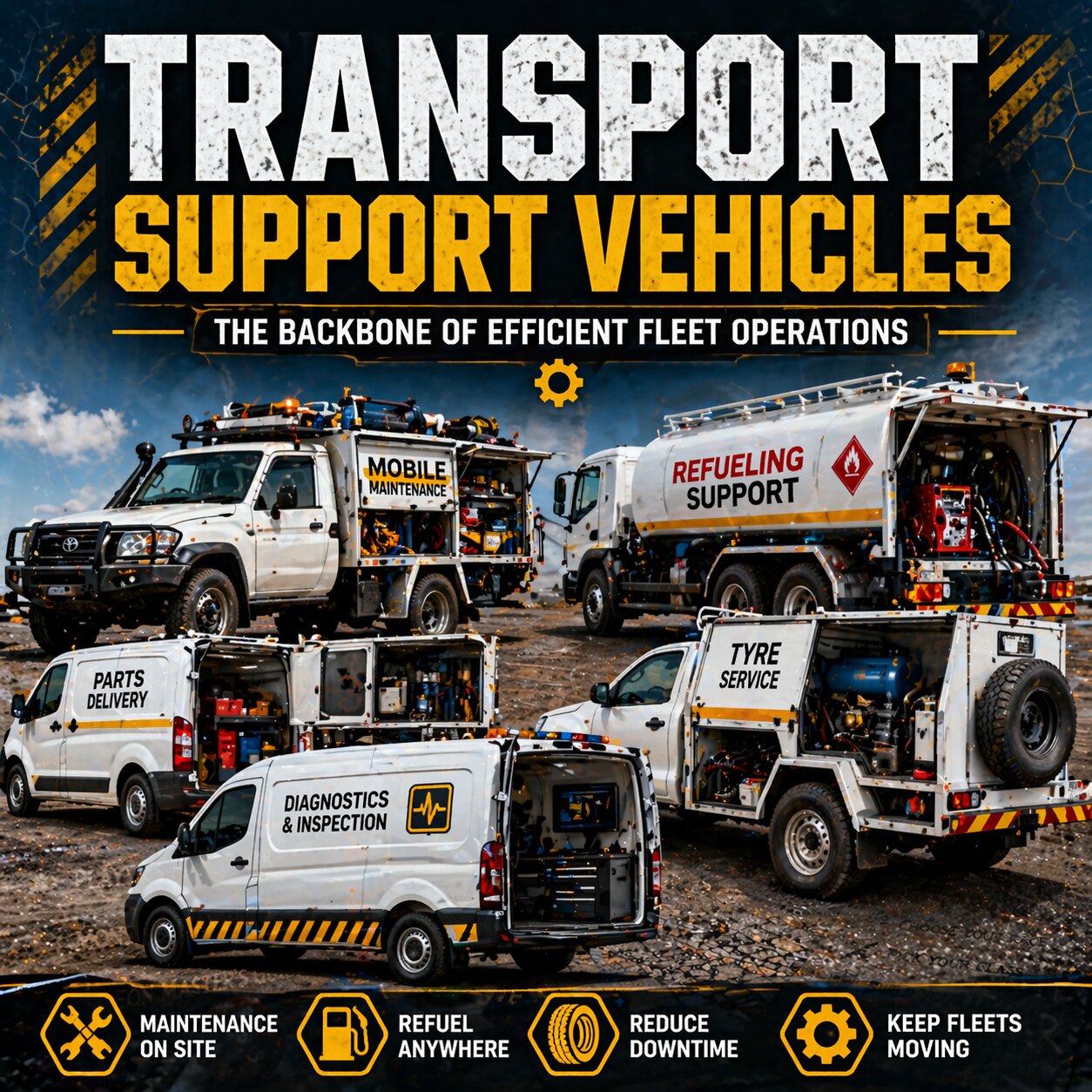

Construction Surveying Vehicles: The Backbone of Modern Site Accuracy
Construction surveying vehicles play a critical role in modern infrastructure development. Before roads are paved, bridges erected, or foundations poured, surveying teams must measure, map, and mark the land with precision. These specialised vehicles allow engineers and surveyors to operate efficiently across challenging terrain while carrying advanced equipment that ensures accurate data collection.
In South Africa, where large-scale infrastructure projects range from urban expansions to remote mining developments, construction surveying vehicles are essential. They bridge the gap between raw land and structured development, ensuring every project begins with reliable spatial data.
What are construction surveying vehicles?
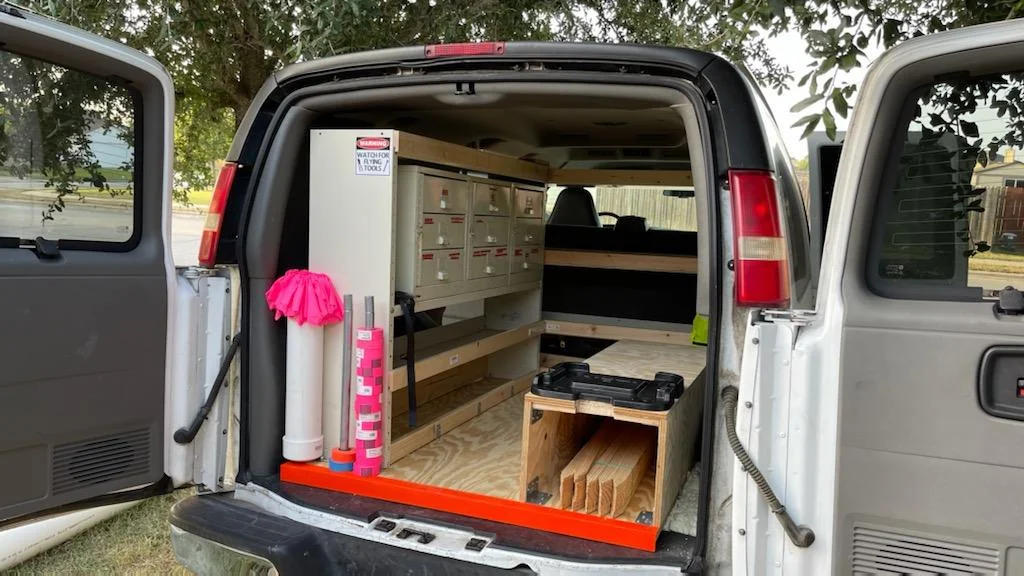
Construction surveying vehicles are specialised utility vehicles designed to transport survey teams and their equipment safely across job sites. Unlike standard passenger vehicles, these units are configured to carry total stations, GPS receivers, drones, tripods, laser scanners, marking tools, and digital mapping systems.
They are commonly based on rugged platforms such as 4×4 bakkies, light trucks, and utility vans. The key difference lies in how they are fitted out. Storage compartments are customised, power systems may be upgraded, and onboard workstations are sometimes installed for immediate data processing.
In large infrastructure projects, these vehicles function as mobile survey offices. Surveyors can capture measurements, verify coordinates, and transmit data directly from the field without returning to a central office, improving both speed and accuracy.
Key technologies integrated into surveying vehicles
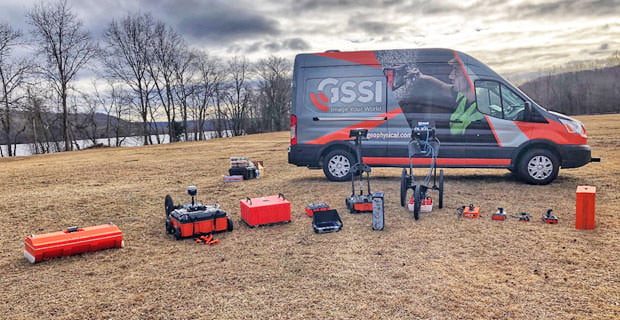
Modern construction surveying vehicles are no longer just transport solutions. They are technology hubs on wheels. As construction becomes more data-driven, the vehicle itself becomes part of the digital workflow.
Surveying vehicles typically integrate:
- GNSS (Global Navigation Satellite Systems) receivers
- Total stations and robotic total stations
- LiDAR scanning systems
- Drone deployment equipment
- Onboard data processing computers
- Real-time kinematic (RTK) correction systems
These tools allow survey teams to capture highly accurate positional data within millimetres. In road construction, for example, incorrect elevation readings can result in costly rework. The integration of advanced measurement systems ensures alignment, grading, and layout are correct from the start.
In South Africa’s varied terrain, from coastal developments to mountainous infrastructure projects, reliable positioning systems are particularly important.
Types of construction surveying vehicles used in South Africa

Different projects require different vehicle configurations. The type of terrain, size of the site, and scale of the project all influence vehicle selection.
4×4 utility vehicles
4×4 bakkies are the most common surveying vehicles in South Africa. Their ability to handle gravel roads, sand, and uneven construction terrain makes them ideal for road building, rural developments, and mining projects.
Survey vans
In urban environments, enclosed vans provide secure storage and weather protection for sensitive equipment. These are often used for municipal road projects and property developments.
Light trucks with mounted systems
For large infrastructure projects such as highway expansions, light trucks may be fitted with mounted LiDAR systems or mobile mapping rigs. These allow rapid surveying of long distances.
Off-road specialist vehicles
In remote areas or difficult terrain, specialised off-road vehicles may be required to access sites safely.
Why construction surveying vehicles are essential for infrastructure projects

Without accurate surveying, construction projects risk misalignment, structural instability, and budget overruns. Construction surveying vehicles ensure teams can operate efficiently while maintaining the integrity of data collection.
These vehicles reduce downtime by allowing surveyors to move quickly between measurement points. Instead of manually transporting heavy equipment across long distances, teams can reposition efficiently and focus on precision work.
They also improve safety. Construction sites can be hazardous environments, and a dedicated surveying vehicle provides secure storage, shelter from weather conditions, and a stable base for operating equipment.
For major South African infrastructure projects — including highways, bridges, commercial developments, and renewable energy installations — survey accuracy is non-negotiable.
Top brands used for construction surveying vehicles in South Africa
Several vehicle brands dominate the construction and surveying sector due to reliability, durability, and off-road capability:
- Toyota – Particularly the Hilux range, widely trusted for durability
- Ford – Ranger models commonly used on large construction sites
- Isuzu – Known for robust workhorse vehicles
- Nissan – Popular in municipal and infrastructure fleets
- Volkswagen – Amarok models used in professional site operations
These vehicles are often customised with toolboxes, canopy systems, power inverters, and reinforced suspension to support heavy surveying equipment.
The future of construction surveying vehicles
As smart infrastructure and digital construction practices expand, surveying vehicles will continue evolving. Autonomous mapping systems, AI-powered terrain analysis, and cloud-based collaboration tools are already influencing how survey teams operate.
Mobile mapping technology may soon allow vehicles to scan entire construction corridors while driving, dramatically reducing project timelines. Electric vehicle options may also enter the sector, particularly in urban developments focused on sustainability.
In South Africa, where infrastructure growth remains a priority, construction surveying vehicles will continue to support accurate development and efficient project delivery.