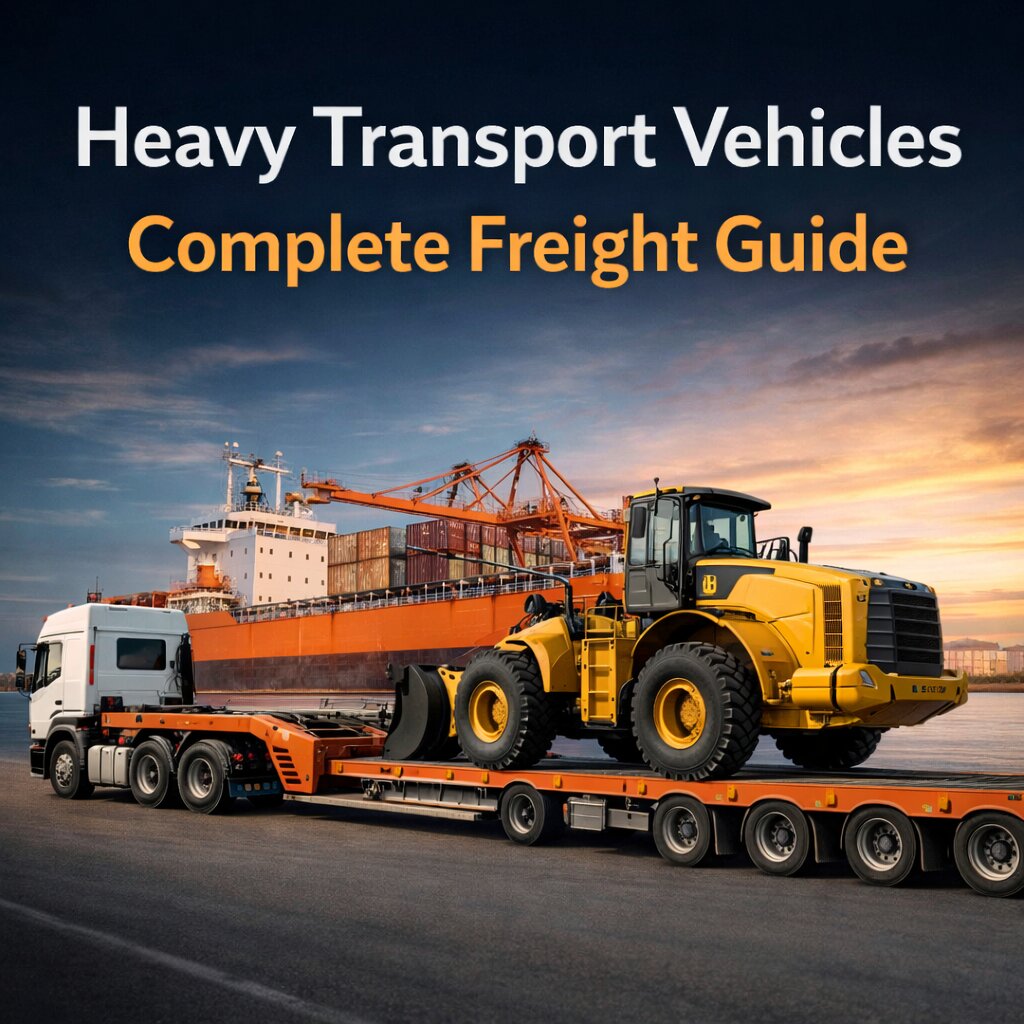
Heavy Transport Vehicles: Complete Guide to Large-Scale Freight Transport
Heavy transport vehicles are used to move large, heavy, or oversized loads that normal vehicles cannot handle. These can include construction machinery, mining equipment, bulk goods, and industrial materials. Without these vehicles, many industries would struggle to operate efficiently.
These vehicles are built for strength, durability, and long-distance performance. They operate across land, sea, rail, and air, making them essential for both local and global logistics. From highways in South Africa to international shipping routes, heavy transport vehicles keep supply chains moving.
Understanding how heavy transport vehicles work helps explain how large-scale industries function. They are a key part of modern transport systems and play a major role in economic growth.
What Are Heavy Transport Vehicles?
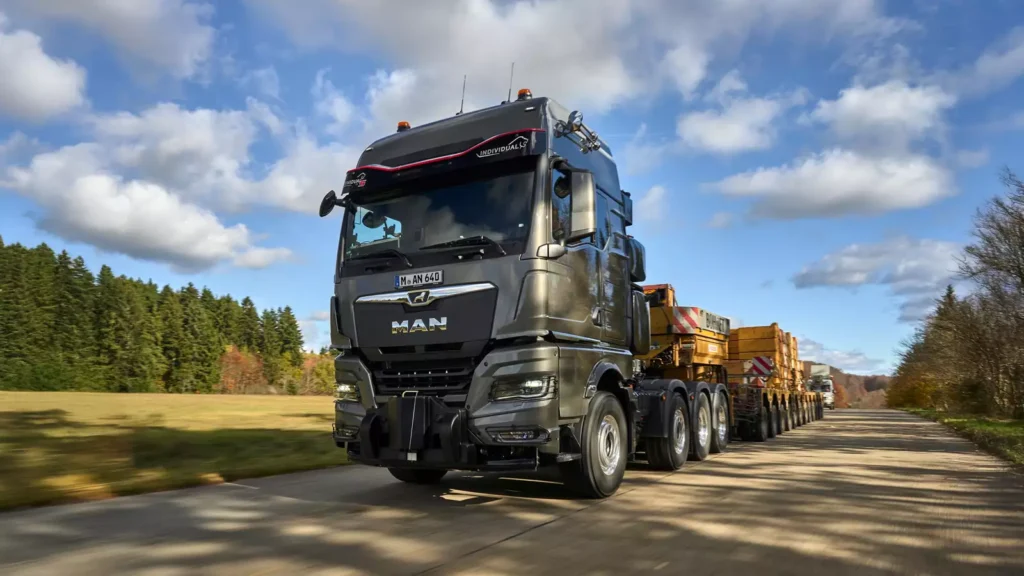
Heavy transport vehicles are designed to carry loads that are too large or too heavy for standard transport. These loads often require special equipment, planning, and permits to move safely.
They are commonly used to transport items such as cranes, mining machines, wind turbine parts, and large quantities of raw materials. Because of their size, these vehicles must follow strict safety rules and approved transport routes.
What makes heavy transport vehicles different is their ability to handle extreme weight while staying stable. They are built with strong frames, powerful engines, and advanced braking systems to manage these heavy loads.
Types of Heavy Transport Vehicles
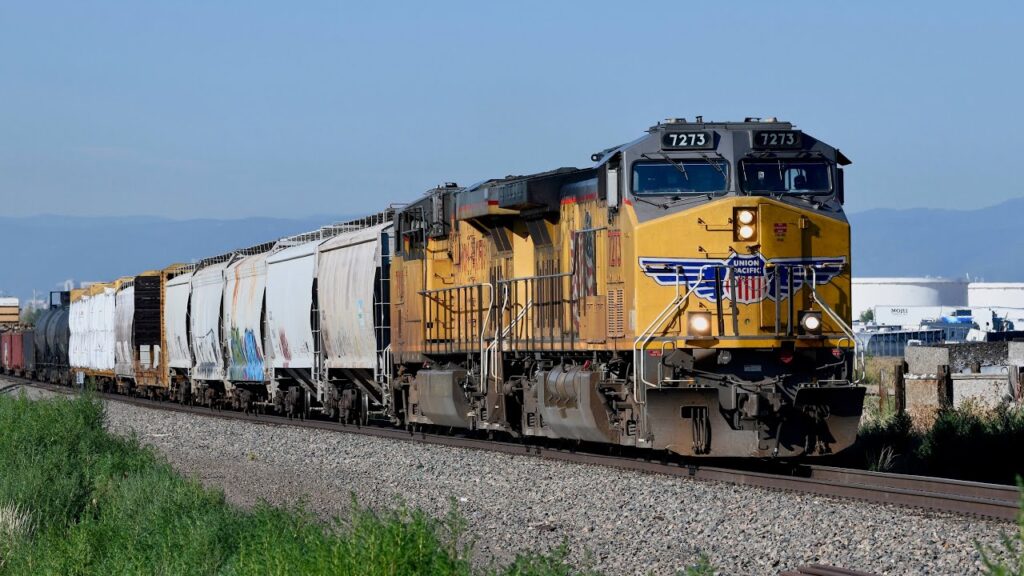
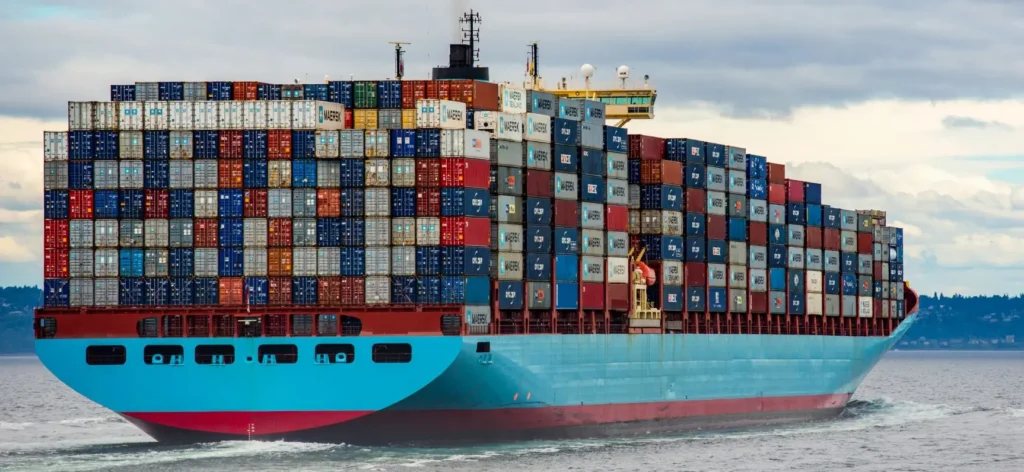
Heavy transport vehicles are used across different transport systems, depending on the type of cargo and distance.
- Heavy-duty trucks (including abnormal load transporters)
- Cargo ships and bulk carriers
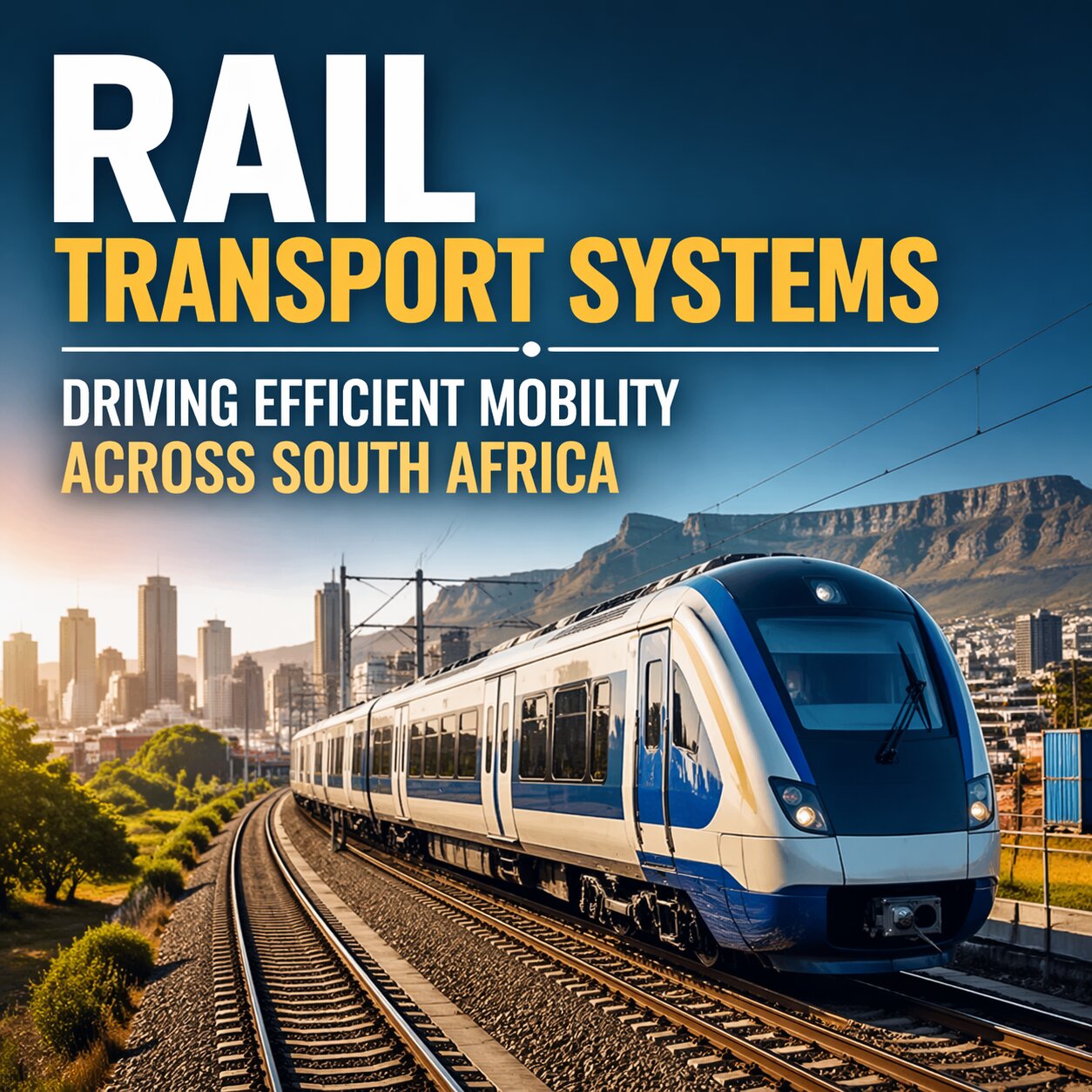
- Freight trains for long-distance land transport
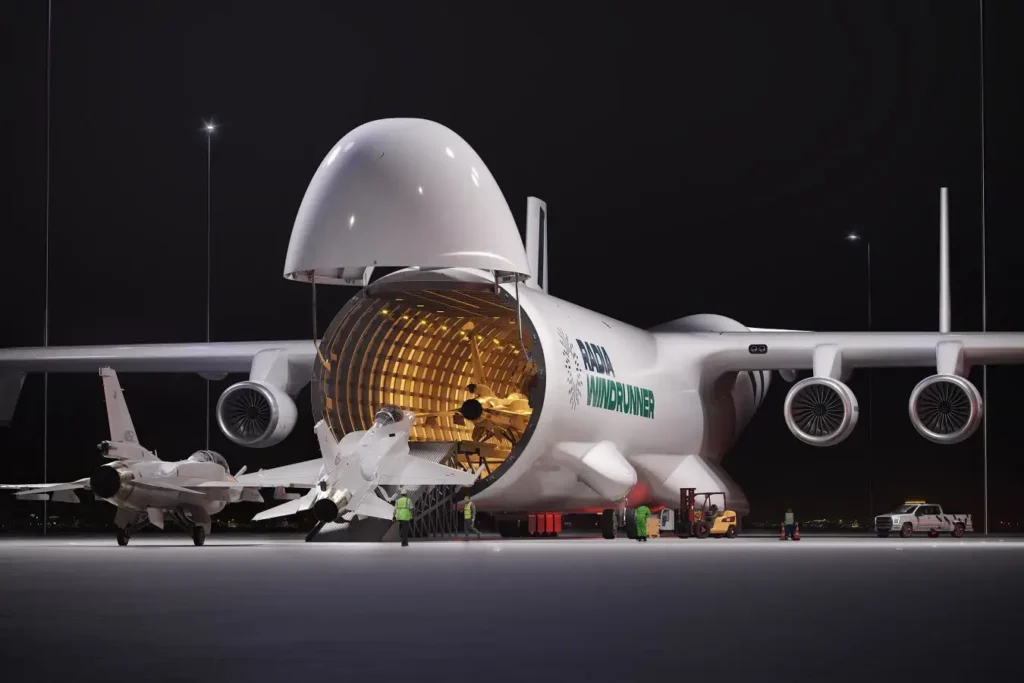
- Cargo aircraft for urgent or high-value freight
Each type plays an important role, often working together to move goods from one location to another.
Key Industries That Use Heavy Transport Vehicles
Many industries depend on heavy transport vehicles to operate. Without them, large-scale production and delivery would not be possible.
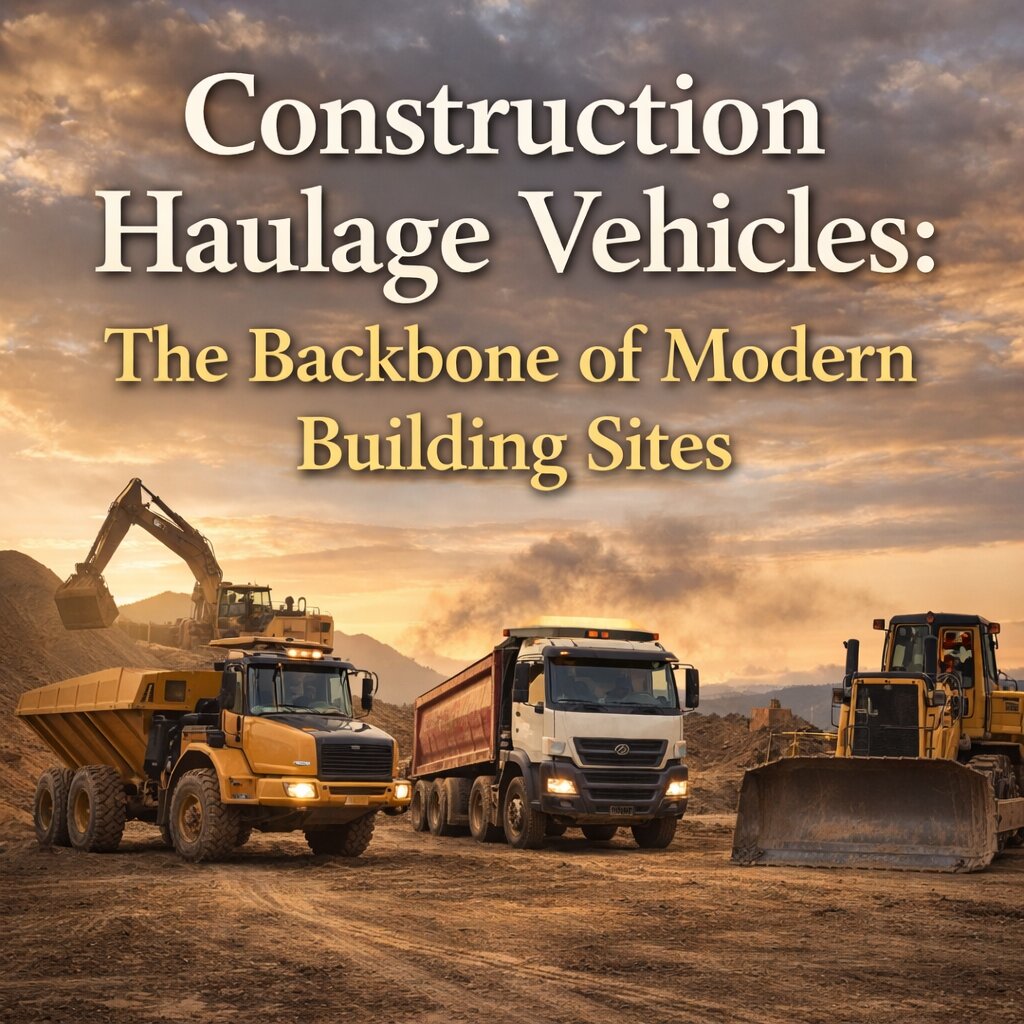
The mining industry uses these vehicles to move minerals and equipment across long distances. Construction companies rely on them to transport machinery and building materials to sites.
Other industries such as agriculture, oil and gas, and retail logistics also depend on heavy transport vehicles. These vehicles help ensure that goods are delivered where they are needed, on time.
Top Brands and Manufacturers in South Africa and Globally
Several major brands manufacture heavy transport vehicles used around the world. These companies focus on strength, reliability, and performance.
In South Africa, brands like Volvo, Scania, MAN, Mercedes-Benz Trucks, and UD Trucks are widely used. These vehicles are built to handle tough conditions and heavy loads.
For specialised transport, companies like Caterpillar provide off-road vehicles for mining and construction. In air and sea transport, manufacturers like Boeing and Airbus, along with global shipping companies, support large-scale cargo movement.
Benefits and Challenges of Heavy Transport
Heavy transport vehicles make it possible to move large amounts of cargo efficiently. This reduces the number of trips needed and helps lower transport costs.
However, there are also challenges. These vehicles can put pressure on roads and infrastructure due to their size and weight. They also require more maintenance and careful planning.
Companies must balance efficiency with safety and cost. Proper management is needed to ensure that heavy transport vehicles operate smoothly and safely.
Safety and Regulations in Heavy Transport
Safety is very important when it comes to heavy transport vehicles. Because of their size, they can pose risks if not managed correctly.
Special permits are often required to move oversized loads. In some cases, escort vehicles are needed to guide the transport and ensure safety on the road.
There are also strict rules for load limits, route planning, and vehicle inspections. Following these regulations helps prevent accidents and protects both drivers and the public.
The Future of Heavy Transport Vehicles
Heavy transport vehicles are evolving with new technology. More efficient engines, improved safety systems, and better design are helping these vehicles perform even better.
There is also a growing focus on sustainability. Electric and alternative fuel vehicles are starting to appear in the heavy transport industry, aiming to reduce environmental impact.
As industries grow, the demand for heavy transport vehicles will continue to increase. These vehicles will remain essential for moving goods and supporting global trade.