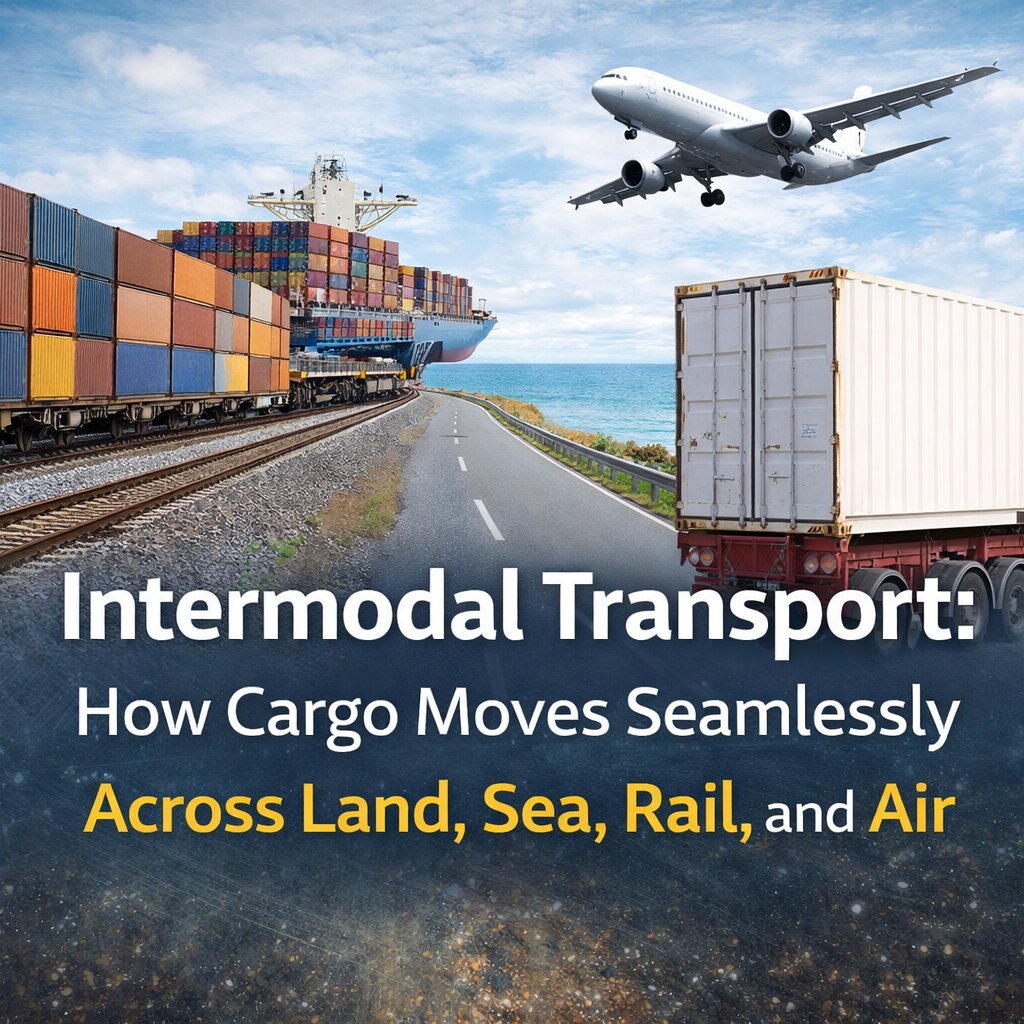
Intermodal Transport: How Cargo Moves Seamlessly Across Land, Sea, Rail, and Air
Intermodal transport is one of the most efficient ways to move cargo across long distances using multiple modes of transport without handling the goods themselves. Instead of unloading and reloading cargo at each stage, goods remain inside the same container while being transferred between trucks, trains, ships, and sometimes aircraft.
This system has become the backbone of global logistics, enabling faster, safer, and more cost-effective cargo movement. For South Africa and international trade alike, intermodal transport plays a crucial role in connecting ports, inland hubs, and distribution centres.
What is intermodal transport in cargo logistics?
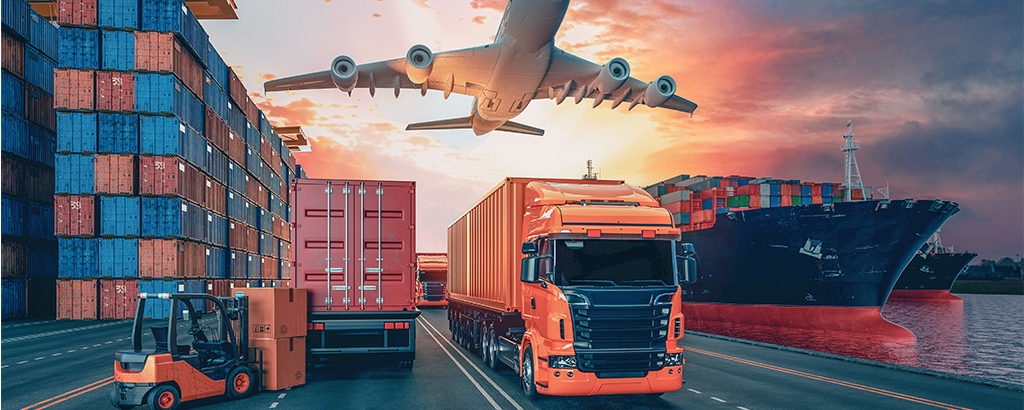
Intermodal transport refers to the movement of cargo using two or more different transport modes while keeping the goods in a single, standardised container. These containers are designed to be easily transferred between vehicles such as trucks, trains, and ships without opening them.
The key advantage is that the cargo itself is never handled during transfers. This reduces the risk of damage, theft, and delays, while also improving efficiency across the supply chain. Containers can move from a factory floor to a port, onto a ship, and then inland again without being unpacked.
Standardisation is what makes this system work. Containers follow global sizing and handling standards, allowing seamless transfers across countries and transport systems. This consistency is essential for large-scale logistics operations.
For businesses, intermodal transport provides a reliable way to move goods across vast distances while maintaining control over the cargo. It is especially useful for international shipping and long-haul distribution.
Why intermodal transport is essential for cargo movement
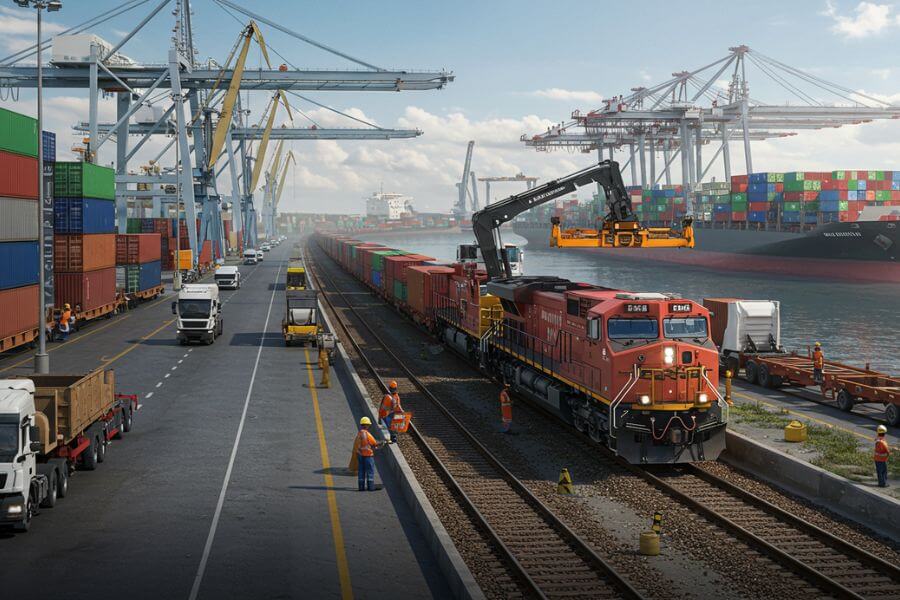
Intermodal transport has transformed how cargo is moved by combining the strengths of different transport modes. Each mode plays a specific role, contributing to a more efficient and flexible logistics system.
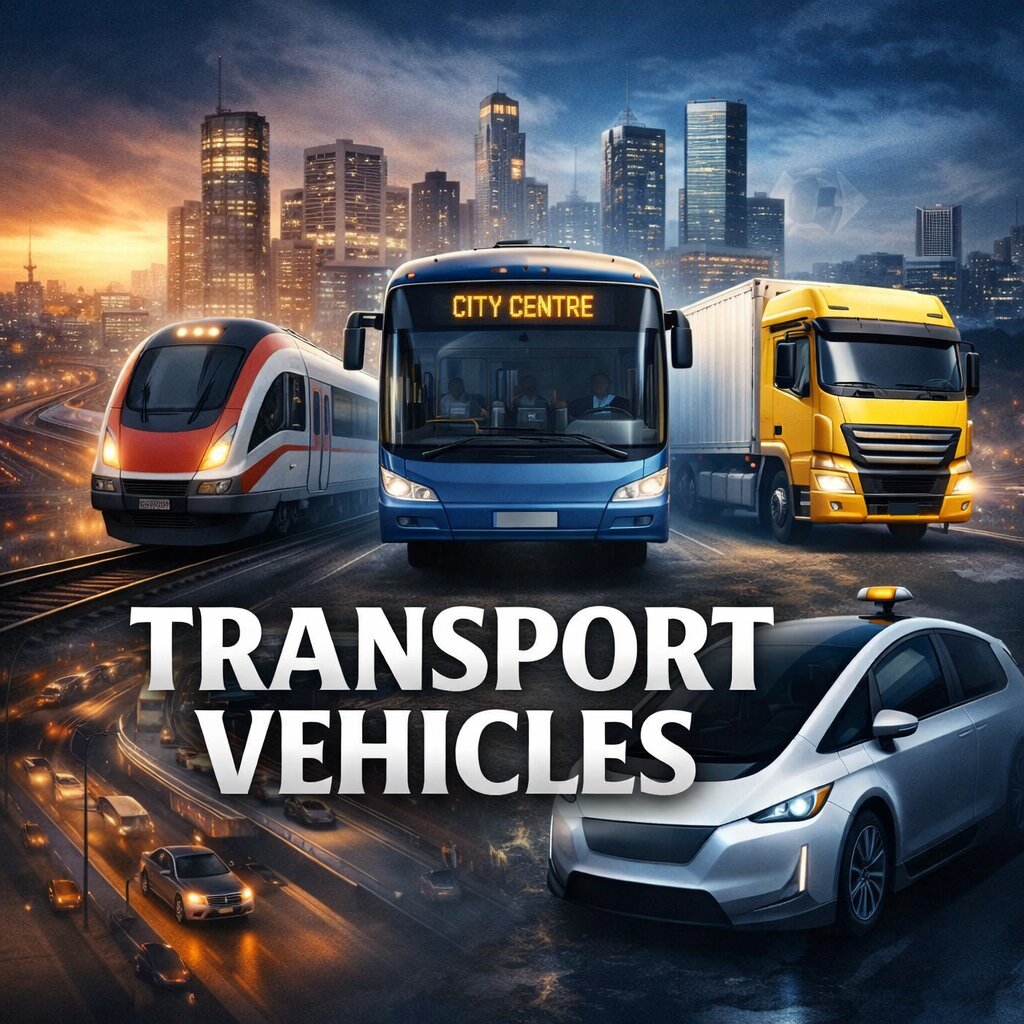
Road transport is typically used for first-mile and last-mile delivery, ensuring goods reach their exact destination. Rail transport is ideal for moving large volumes of cargo over long distances inland, offering cost efficiency and reduced congestion.
Sea freight remains the most economical option for international cargo, capable of transporting massive volumes across continents. Air cargo, while more expensive, provides speed for high-value or time-sensitive shipments.
By integrating these modes, intermodal systems optimise cost, speed, and reliability. Businesses can choose the best combination depending on the type of cargo, distance, and urgency.
Key components of intermodal cargo systems
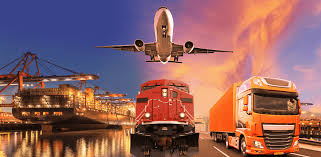
Several elements work together to make intermodal transport efficient and scalable. These components ensure smooth transitions between transport modes and maintain cargo integrity throughout the journey.
- Standardised containers (ISO containers) for universal compatibility
- Intermodal terminals for transferring containers between modes
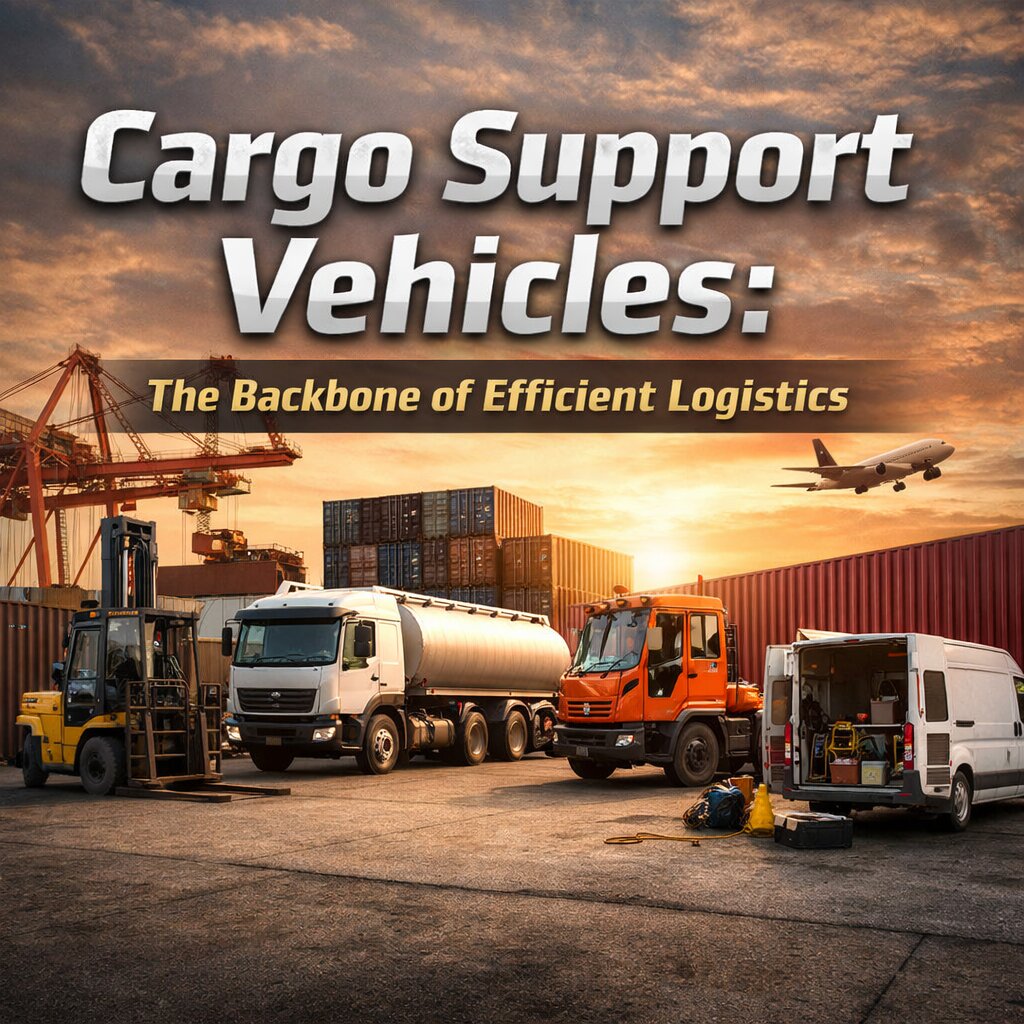
- Specialised vehicles such as container trucks, rail wagons, and cargo ships
- Handling equipment like cranes and reach stackers
- Digital tracking systems for real-time cargo visibility
These components create a coordinated system where cargo can move quickly and safely across different environments. The integration of technology further enhances efficiency by providing transparency and control.
Advantages of intermodal transport for cargo logistics
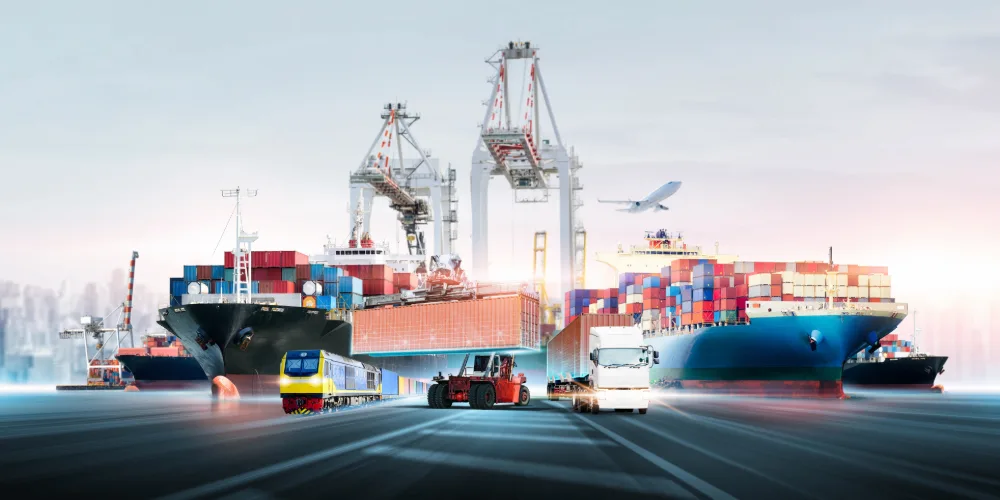
One of the biggest advantages of intermodal transport is cost efficiency. Rail and sea transport are generally more affordable for long-distance cargo, reducing overall transportation costs when combined with road delivery.
Security is another major benefit. Since cargo remains sealed within containers, there is less risk of theft or damage. This is particularly important for valuable or sensitive goods.
Environmental impact is also reduced. Rail and sea transport produce fewer emissions compared to road-only transport, making intermodal systems a more sustainable option for businesses looking to lower their carbon footprint.
Scalability is another strength. Intermodal systems can handle everything from small shipments to massive industrial cargo volumes, making them suitable for a wide range of industries.
Intermodal transport in South Africa’s cargo network
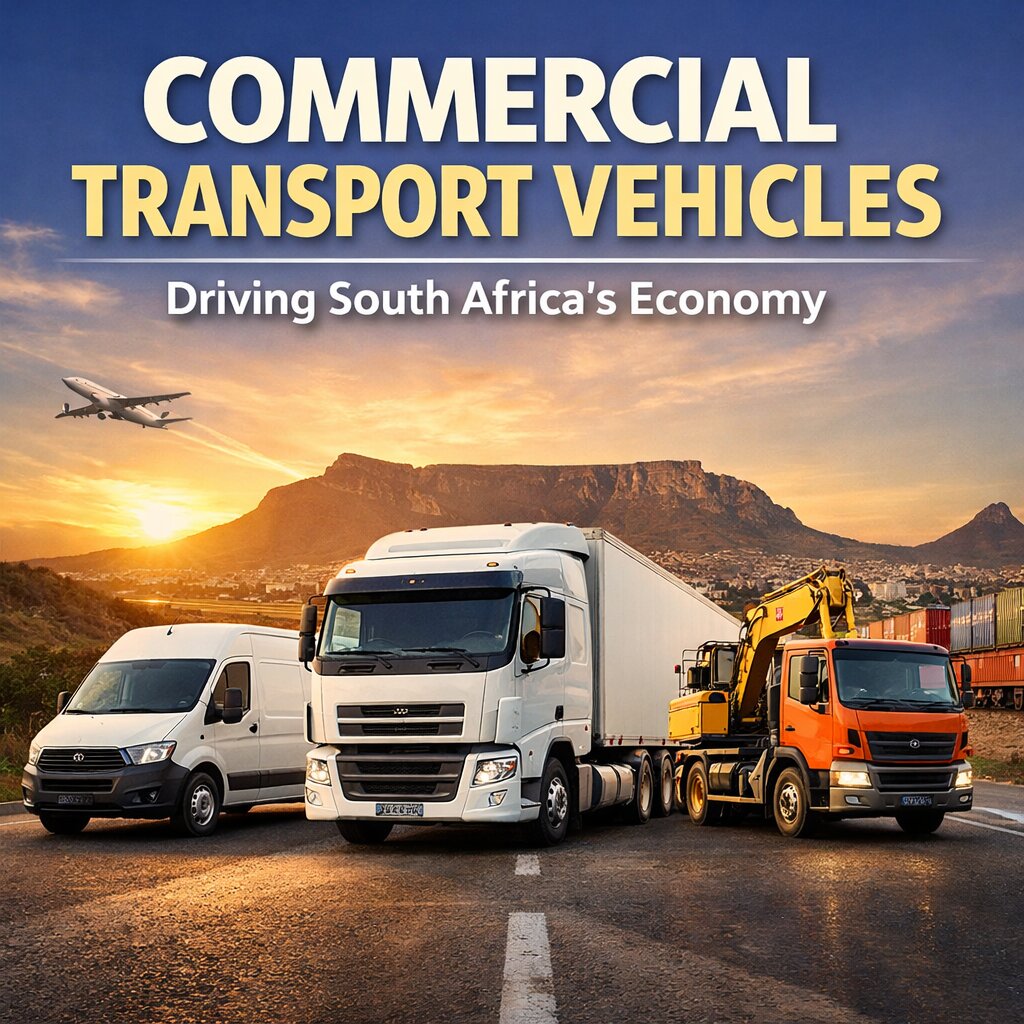
In South Africa, intermodal transport plays a key role in connecting major ports like Durban, Cape Town, and Ngqura with inland logistics hubs such as Johannesburg and Pretoria. These connections support both import and export activities across the country.
Rail corridors are particularly important for moving bulk cargo efficiently inland, while trucks handle distribution to final destinations. Ports act as critical nodes where sea freight transitions into land-based transport systems.
As infrastructure continues to develop, intermodal transport is becoming even more vital for improving supply chain efficiency. Investments in rail, port upgrades, and logistics technology are helping streamline cargo movement across the region.
For businesses operating in South Africa, leveraging intermodal transport can improve delivery times, reduce costs, and enhance overall logistics performance.
The future of cargo movement with intermodal systems
Intermodal transport is shaping the future of cargo logistics by offering a smarter, more connected way to move goods. As global trade continues to grow, the need for efficient and scalable transport solutions becomes even more important.
Advancements in automation, digital tracking, and smart logistics systems are further improving intermodal operations. These innovations allow for better planning, reduced delays, and increased visibility across the entire supply chain.
For companies looking to optimise their logistics, intermodal transport provides a powerful solution. By combining multiple transport modes into a single, seamless system, businesses can achieve greater efficiency, reliability, and sustainability in their cargo operations.