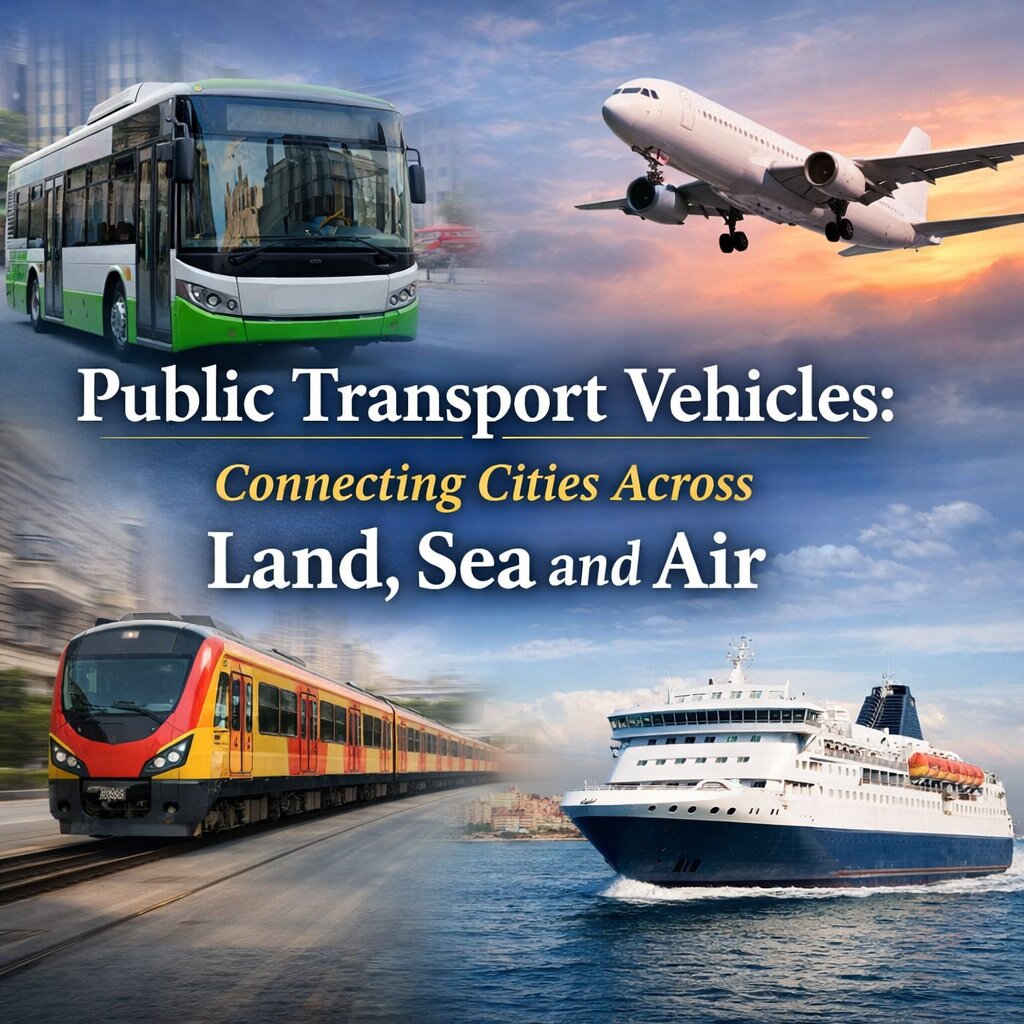
Public Transport Vehicles: Connecting Cities Across Land, Sea and Air
Public transport vehicles form the backbone of modern mobility, allowing millions of people to move efficiently every day. From bustling city streets to open skies and coastal routes, these systems are designed to reduce congestion, lower emissions, and provide accessible travel options for all.
In South Africa and across the world, the evolution of public transport continues to reshape how people commute, travel, and connect with their environments. Whether it’s a daily work journey or long-distance travel, these vehicles play a critical role in economic growth and urban development.
As technology advances, public transport vehicles are becoming smarter, greener, and more integrated, offering passengers a more seamless experience across multiple modes of transport.
Land-based public transport vehicles driving urban mobility
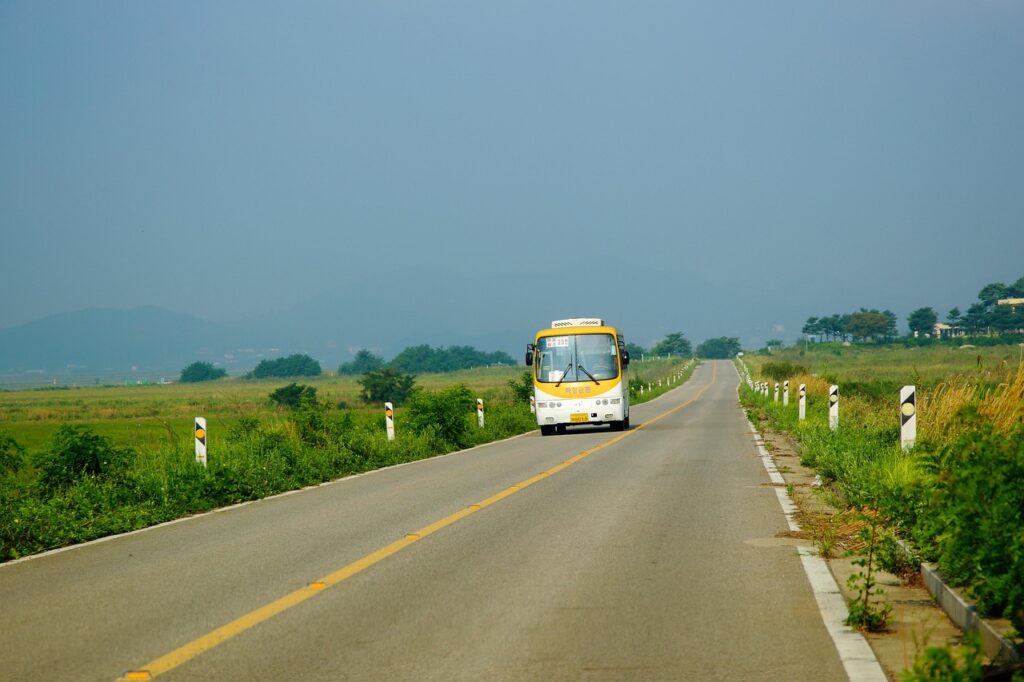
On land, public transport vehicles are the most visible and widely used systems, especially in urban environments. Buses, minibuses, and trains dominate this space, each serving different passenger needs and routes.
City bus networks remain essential for structured routes and affordability, while minibuses provide flexible and often faster alternatives in areas where formal systems are limited. Rail systems, including commuter trains and rapid transit networks, help move large volumes of passengers efficiently during peak hours.
In South Africa, these systems are vital for daily commuting, connecting residential areas with business districts and reducing reliance on private vehicles.
The push toward electrification is also gaining momentum, with electric buses and improved rail infrastructure helping to reduce emissions and operational costs.
Sea transport and the role of ferries in public mobility
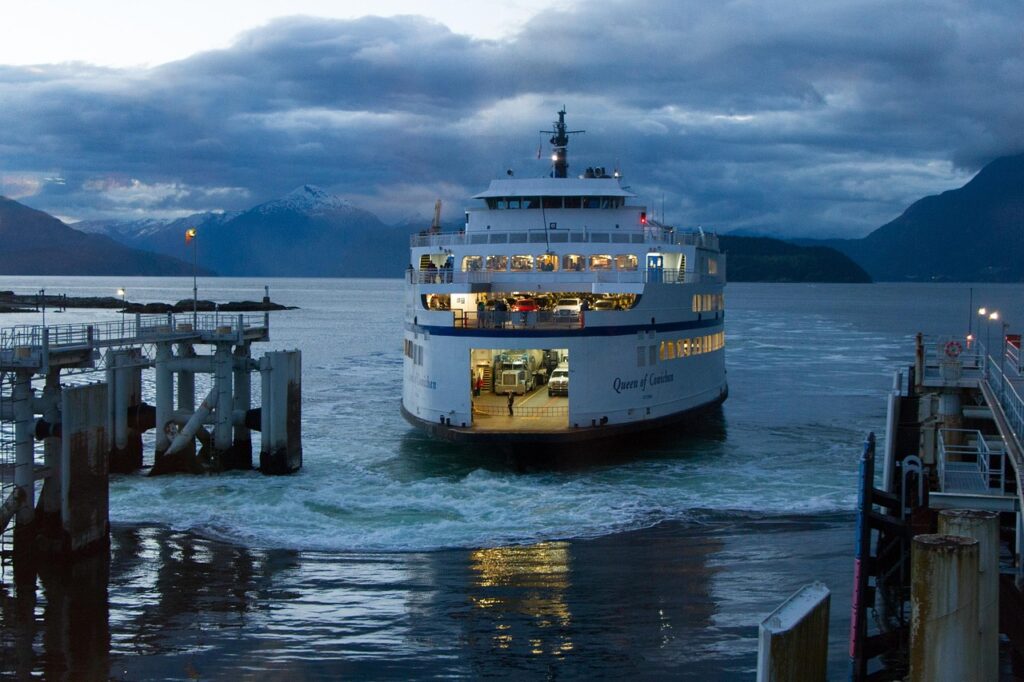
Public transport vehicles are not limited to roads and rails. In coastal cities and regions with waterways, ferries provide a reliable and often scenic commuting option.
Ferry services are particularly valuable in reducing road congestion by offering alternative routes across harbours, rivers, and coastal areas. They are commonly used in cities around the world and are increasingly being explored in South African contexts where applicable.
Modern ferry systems are evolving with hybrid and electric propulsion, improving sustainability while maintaining efficiency. These vessels can transport both passengers and, in some cases, vehicles, making them versatile components of public transport networks.
Beyond commuting, ferries also contribute to tourism, offering passengers a unique way to experience coastal environments while travelling.
Air travel as part of public transport networks

While often seen as a separate category, air travel also forms part of the broader ecosystem of public transport vehicles. Commercial airlines enable long-distance travel, connecting cities, countries, and continents.
Domestic flights in South Africa play a key role in linking major hubs such as Cape Town, Johannesburg, and Durban, offering fast and efficient travel over large distances. For many, air travel is the only practical option for time-sensitive journeys.
Regional and low-cost carriers have made air travel more accessible, bringing it closer to everyday commuters rather than just luxury travellers.
As with other transport modes, the aviation industry is also exploring sustainable solutions, including more fuel-efficient aircraft and alternative energy sources.
Key types of public transport vehicles
- Buses (city, intercity, and electric buses)
- Minibus taxis and shuttle services
- Trains (commuter rail, metro, and rapid transit)
- Ferries and passenger vessels
- Commercial aeroplanes and regional aircraft
The future of public transport vehicles in a connected world
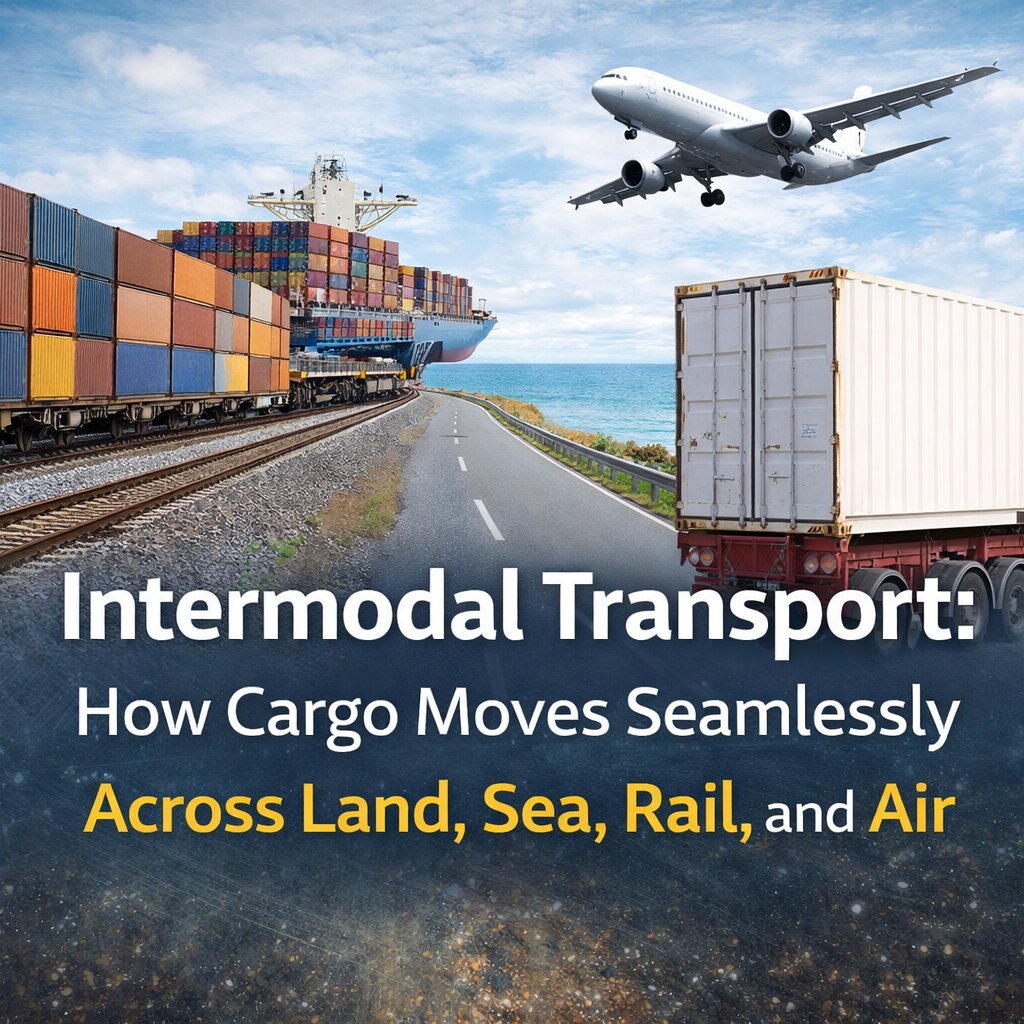
The future of public transport vehicles lies in integration and innovation. Cities are moving toward systems where land, sea, and air transport are connected through unified networks, making travel more efficient and user-friendly.
Smart ticketing, real-time tracking, and mobile apps are already transforming how passengers interact with transport systems. These technologies reduce waiting times and improve overall convenience.
Sustainability is another major focus, with governments and private operators investing in cleaner energy solutions and more efficient vehicle designs.
As these developments continue, public transport vehicles will play an even greater role in shaping the future of mobility, offering smarter, greener, and more connected ways to travel.