Postal Vehicles: How Mail Moves Across Land, Sea and Air
Postal vehicles form one of the oldest and most structured transport systems in the world. Long before modern logistics networks and same-day delivery services, postal systems were already moving letters, parcels and official documents across vast distances with remarkable reliability.
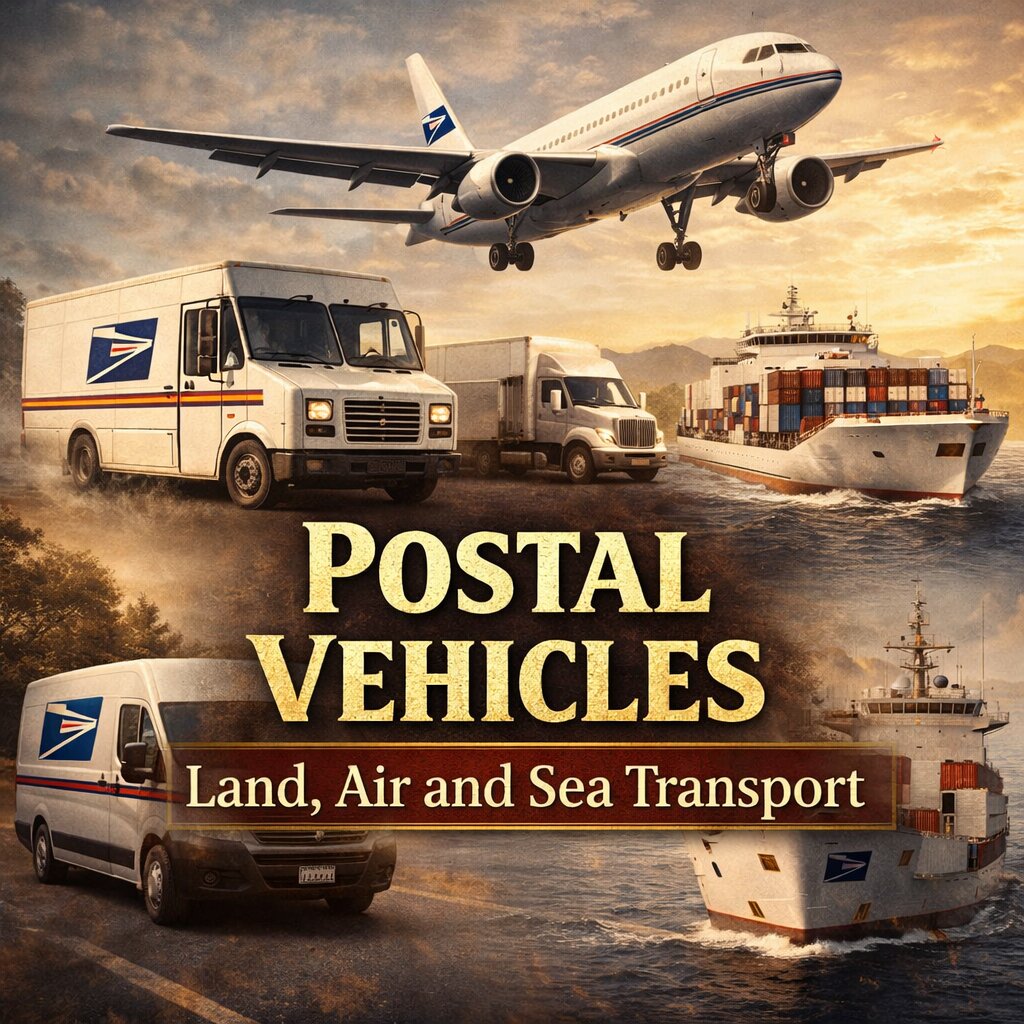
Today, postal vehicles continue to operate across land, sea and air, forming a global network that connects cities, towns and remote regions. While they may seem similar to delivery vehicles at first glance, their purpose, structure and operation are fundamentally different.
In this part of the Cargo Vehicles Series, we explore how postal vehicles work, the different modes of transport they use and how they stand apart from other cargo systems.
What defines postal vehicles in modern transport systems
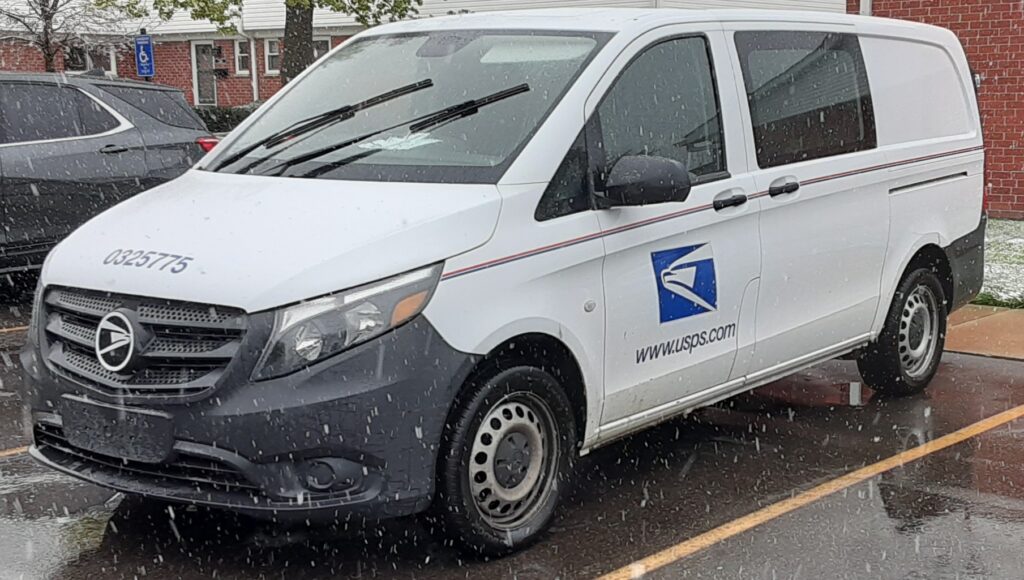
Postal vehicles are specifically designed or assigned to carry mail and parcels within an organised postal network. This includes everything from letters and small packages to bulk mail shipments moving between distribution centres.
Unlike general cargo transport, postal vehicles operate within highly regulated systems. Every item is tracked, sorted and routed through a structured process, ensuring consistency and reliability rather than speed alone.
When you look at postal vehicles, you are not just seeing transport units. You are seeing part of a larger system that includes sorting hubs, routing algorithms and scheduled delivery cycles. This level of organisation is what separates postal transport from more flexible cargo operations.
Because of this, postal vehicles are often standardised and optimised for efficiency within the network, rather than customised for specific materials or industries.
Postal vehicles on land: the backbone of mail delivery
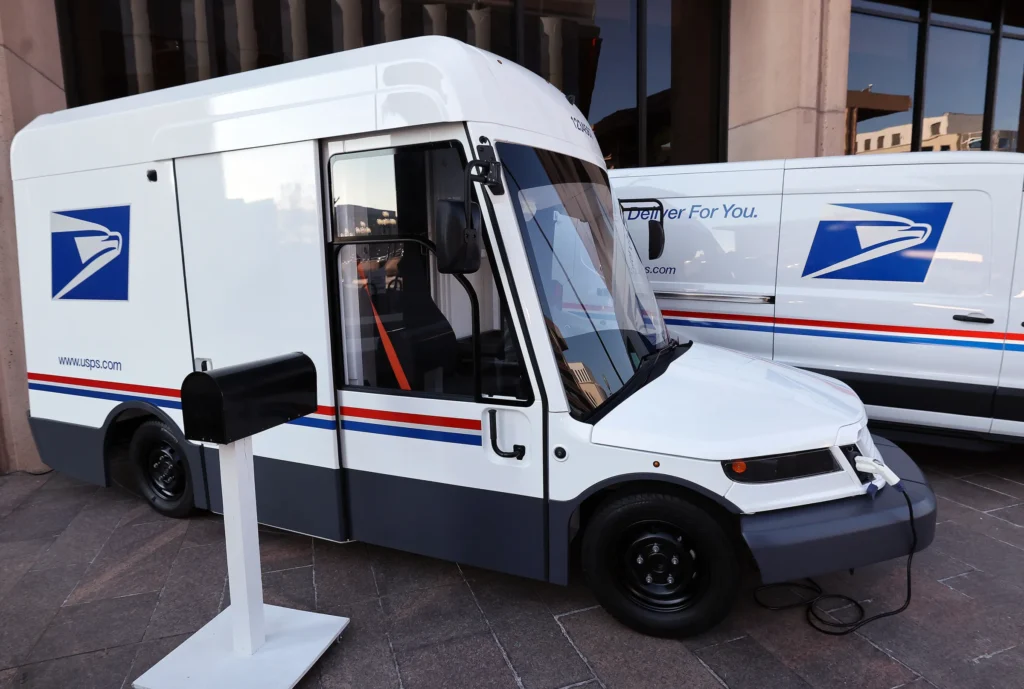
Land-based postal vehicles are the most visible part of the system. These include vans, trucks and motorcycles that transport mail between sorting facilities and deliver it to homes and businesses.
In urban areas, these vehicles are designed for accessibility and frequent stops, allowing postal workers to move efficiently through neighbourhoods. In rural regions, they are built for longer distances and more challenging terrain, ensuring that even remote communities remain connected.
What sets these vehicles apart from standard delivery transport is their role within a fixed network. Routes are often predetermined, schedules are consistent, and the focus is on covering every address rather than optimising for individual deliveries.
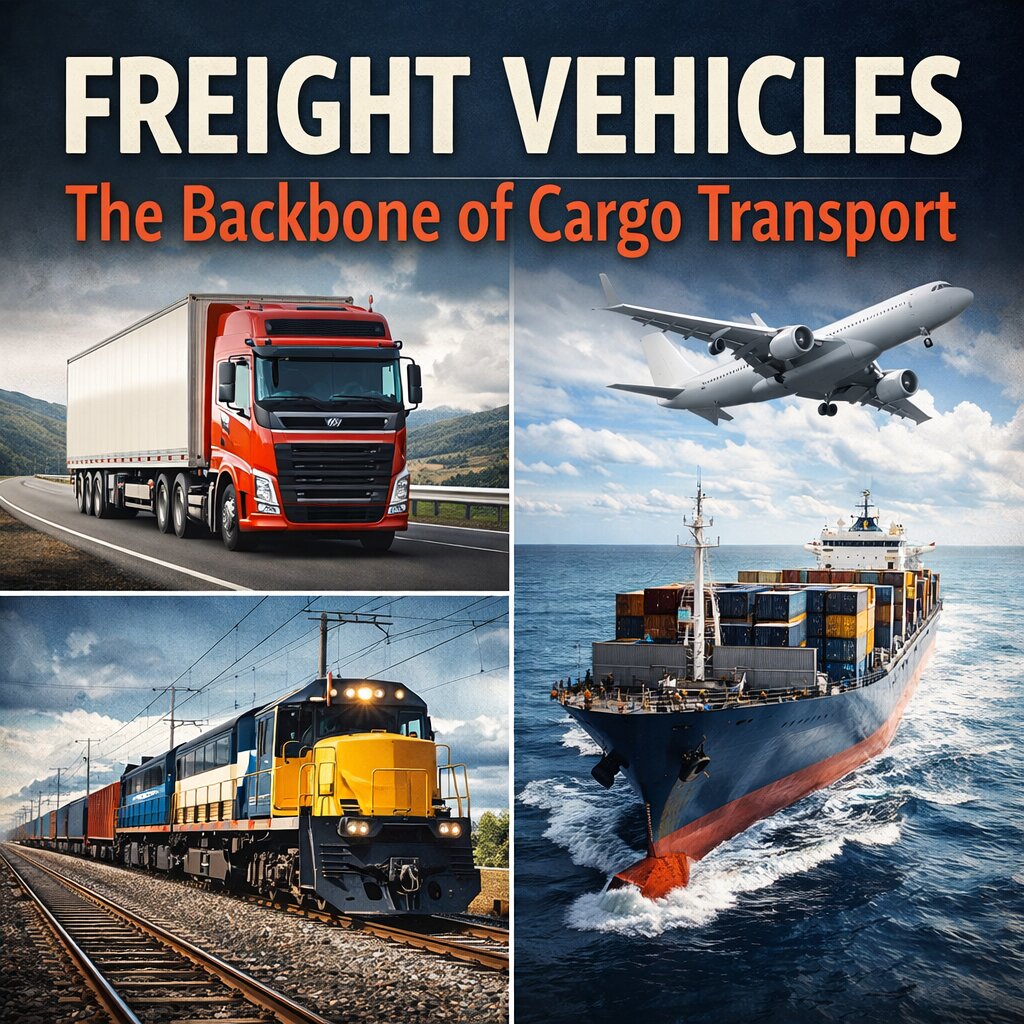
Even at larger scales, postal trucks moving between cities operate on structured routes, linking distribution hubs in a way that keeps the entire system flowing smoothly.
Air transport and the speed of global postal networks
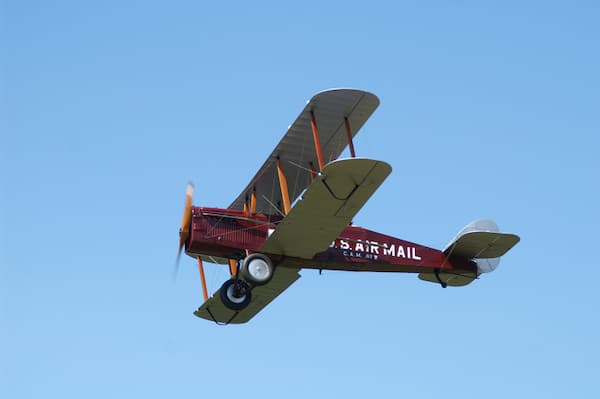
Air-based postal vehicles play a crucial role in moving mail across long distances quickly. Aircraft allow postal systems to connect countries and continents, ensuring that international mail can travel in days rather than weeks.
These postal vehicles are typically cargo planes or dedicated mail aircraft, designed to carry large volumes of sorted mail between major hubs. Unlike standard air freight, which may carry a mix of goods, postal air transport focuses on consistency and timing within the network.
The integration of air transport into postal systems has transformed how quickly information and goods can move globally. It has also allowed postal services to remain competitive in a world where speed is increasingly important.
Despite this, air transport is only one part of the system. Once the mail arrives, it must still be integrated into land-based networks for final delivery.
Sea transport and large-scale international mail movement
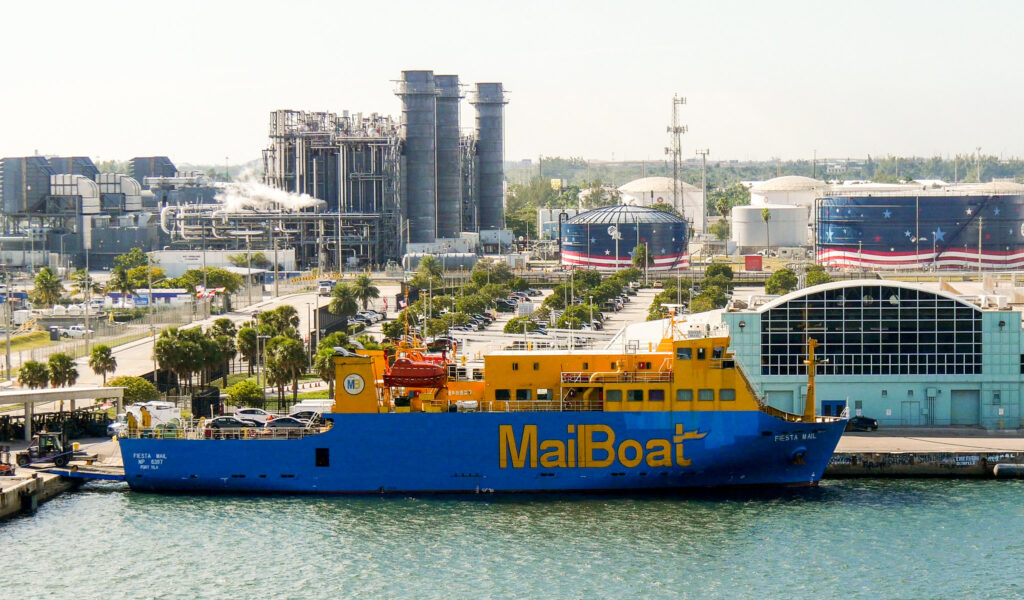
While less visible to the average person, sea-based postal vehicles still play an important role in global mail systems. Ships are used to transport large volumes of mail and parcels between countries, particularly when cost efficiency is more important than speed.
This method is often used for bulk shipments, where time-sensitive delivery is not required. It allows postal services to move significant quantities of mail at a lower cost compared to air transport.
Sea transport also connects island nations and remote regions where air routes may be limited or expensive. In these cases, postal vehicles operating at sea become essential links in the global network.
Although slower, this mode of transport remains a vital part of ensuring that postal systems can operate on a truly global scale.
How postal vehicles differ from delivery and logistics transport
At first glance, postal vehicles may appear similar to delivery vehicles, especially in urban environments. However, the key difference lies in their purpose and structure.
Delivery vehicles are often focused on speed, flexibility and customer-specific routes. They adapt to demand, changing routes and schedules based on orders. Postal vehicles, on the other hand, follow fixed systems designed to ensure universal coverage.
Logistics transport operates on a broader scale, managing the movement of goods between businesses and supply chain points. It focuses on efficiency, optimisation and large-scale coordination.
Postal vehicles sit somewhere between these systems, combining structure with reach. Their goal is not just to deliver quickly, but to deliver consistently to every address within the network.
This distinction is what makes postal transport unique. It is not driven purely by demand, but by obligation and coverage.
Why postal vehicles remain essential in modern transport
Even in an age of private couriers and advanced logistics platforms, postal vehicles continue to play a vital role. They provide a level of coverage and reliability that other systems often cannot match, especially in rural or underserved areas.
Postal networks are built to serve everyone, not just high-demand locations. This makes them a critical part of national infrastructure, supporting communication, commerce and access to goods.
As e-commerce continues to grow, postal vehicles are evolving alongside it, handling increasing volumes of parcels while maintaining their traditional role in mail delivery.
Their ability to integrate land, air and sea transport into one cohesive system ensures that they remain relevant in a rapidly changing transport landscape.
Final thoughts
Postal vehicles are more than just delivery vans. They are part of a complex, global system that connects people and places through structured, reliable transport.
By operating across land, air and sea, these vehicles ensure that mail can move efficiently across any distance, reaching even the most remote locations.
As you continue exploring the Cargo Vehicles Series, postal vehicles highlight an important truth about transport systems. Efficiency is not always about speed.
Sometimes, it is about consistency, coverage and trust.